Can You Convert a Gas Fireplace to Wood Burning?
Many homeowners love the look of a fireplace but wonder about fuel options. A common question is Can You Convert a Gas Fireplace to Wood Burning? This can seem tricky if you’re new to fireplaces. It involves more than just swapping out a log set.
We’ll break down what’s involved and make it easy to grasp. Let’s look at the steps to see if this change is right for you.
Converting Gas To Wood Fireplace Considerations
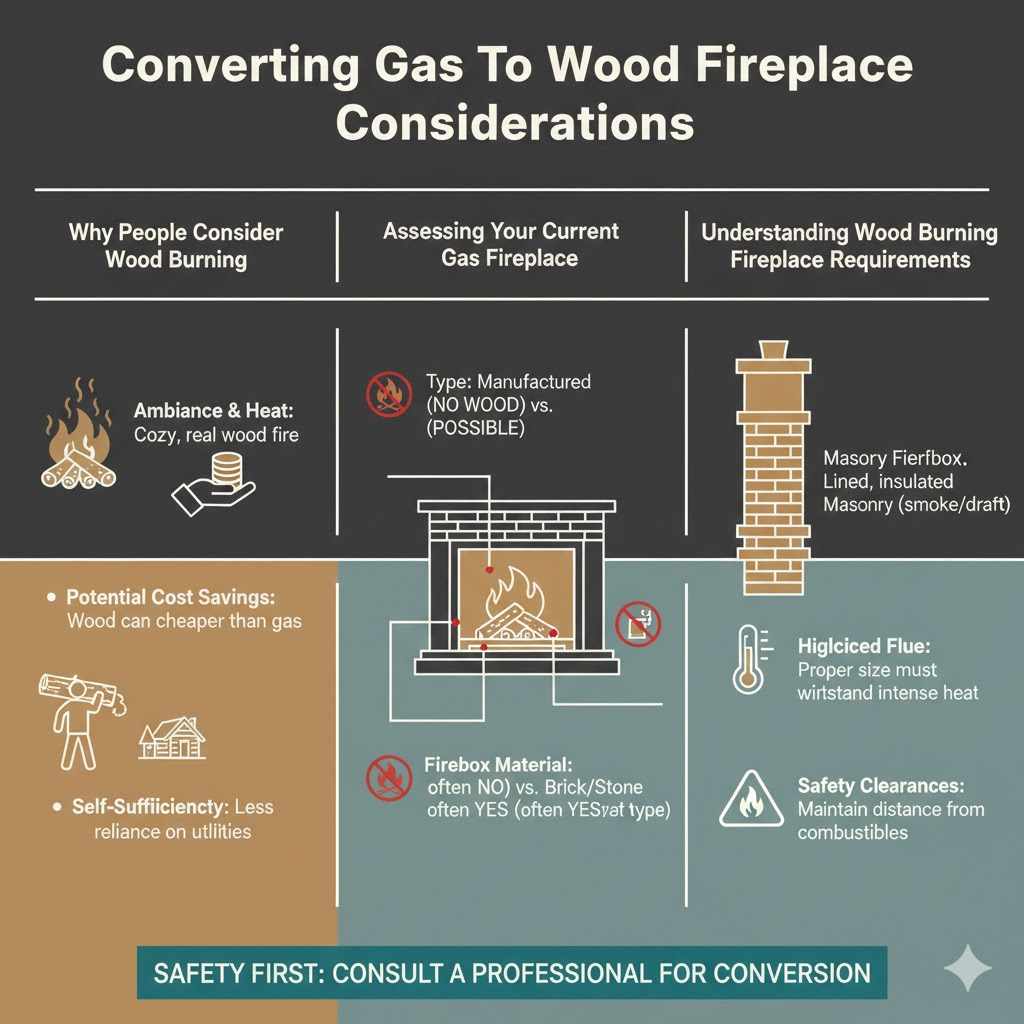
Thinking about changing your fireplace fuel is a big decision. The most common reason people ask Can You Convert a Gas Fireplace to Wood Burning? is for the ambiance and warmth of a real wood fire. Gas fireplaces are convenient, but wood offers a different kind of coziness.
This conversion isn’t always simple. It requires understanding the existing setup and what a wood-burning system needs. We’ll explore the factors that make this change possible or impossible.
Why People Consider Wood Burning
The appeal of a wood-burning fi
Another factor is cost. Depending on local gas and wood prices, burning wood can sometimes be more economical for heating, especially if you have access to free or inexpensive firewood. This is particularly true in rural areas or for those who enjoy the process of sourcing and preparing their own wood.
The self-sufficiency aspect of relying on wood for heat also appeals to many homeowners.
Assessing Your Current Gas Fireplace
Before you can even think about converting, you must look closely at your existing gas fireplace. Not all gas fireplaces are built the same, and their construction dictates whether a conversion is even feasible. Some units are designed solely for gas and may not have the necessary structural components to safely house a wood fire.
This includes the firebox material, insulation, and ventilation system.
You’ll need to identify the type of gas fi
Understanding Wood Burning Fireplace Requirements
Wood-burning fi
Proper ventilation is also critical. Wood fires produce smoke, ash, and creosote, all of which need to be safely vented up and out of the chimney. This requires a correctly sized and constructed chimney flue that can handle the volume and temperature of smoke.
Gas fi
The Feasibility of Gas To Wood Fireplace Conversion
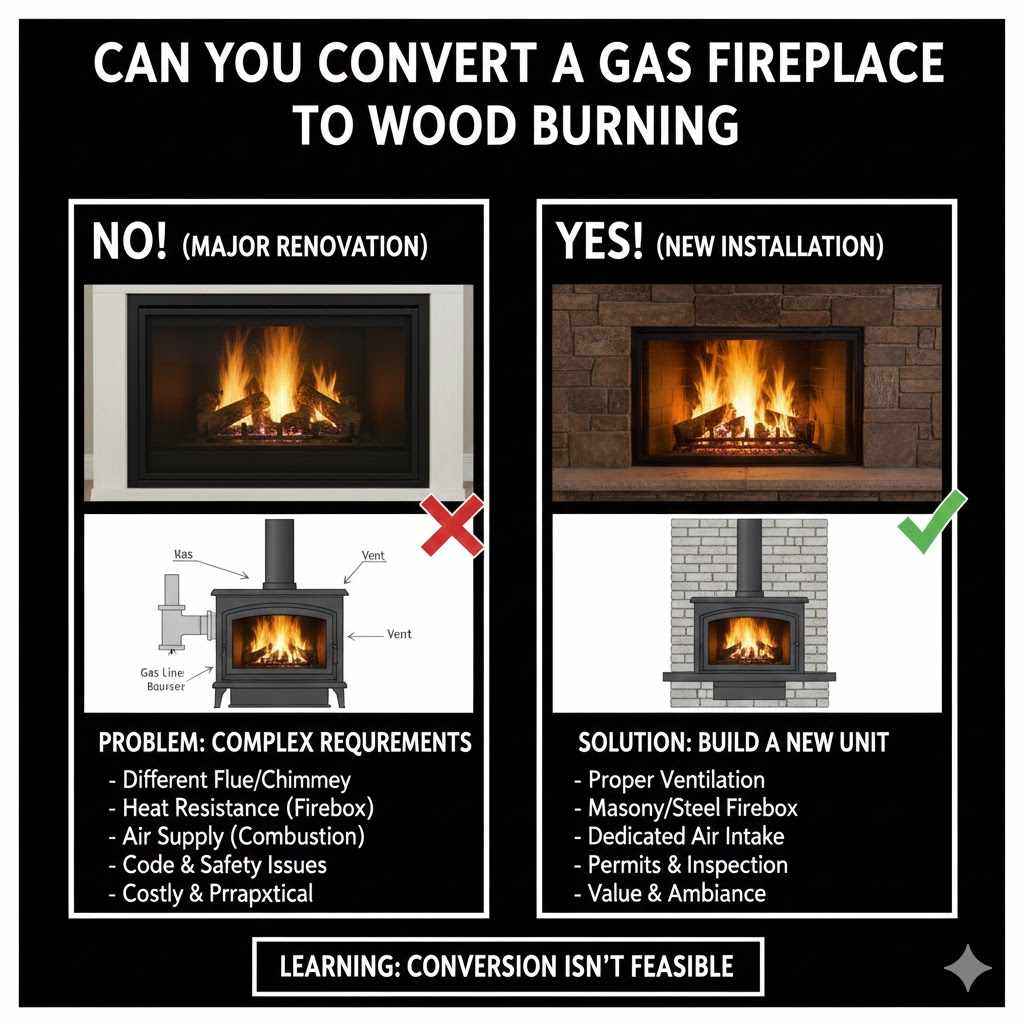
Now, let’s get to the heart of the matter: Can You Convert a Gas Fireplace to Wood Burning? The answer is often not a simple yes or no. It depends heavily on the original construction of your gas fireplace and, more importantly, the existing chimney system. Many gas fireplaces are installed in homes that may not have a traditional masonry chimney suitable for wood.
If your gas fireplace vents through a metal pipe or a dedicated gas vent system, it is unlikely to be convertible to wood burning.
The primary challenge lies in ensuring the firebox can handle the intense heat of wood. Gas logs and burners produce far less heat and don’t create the same type of high-temperature combustion byproducts like creosote. A gas firebox may not be insulated enough or made of materials strong enough to prevent heat transfer to surrounding structures, posing a serious fire risk.
The chimney’s structural integrity and size are also paramount. A chimney designed for gas venting might be too small or in poor condition to safely expel the smoke and gases produced by a wood fire.
Structural Limitations Of Gas Fireboxes
Gas fi
Attempting to burn wood in a gas firebox not designed for it can lead to several dangerous outcomes. The extreme heat can cause the metal to warp, crack, or even fail, allowing heat and potentially flames to escape into the surrounding wall cavities. This is a significant fire hazard.
Additionally, the lack of proper insulation in a gas firebox means more heat is absorbed by the fireplace structure itself rather than radiating into the room or being directed up the chimney, reducing efficiency and increasing risk.
Chimney And Venting Requirements
The chimney is arguably the most critical component when considering a conversion. A wood-burning fi
Gas fi
When A Conversion Is Likely Impossible
If your current gas fi
Another major indicator that conversion is not feasible is if your home does not have a compatible chimney structure. Many modern homes with gas fireplaces might have a manufactured gas log set or a decorative gas insert that vents through a small-diameter pipe or directly through the wall. These systems do not incorporate the heavy-duty firebox and large, well-insulated masonry chimney required for safe wood burning.
In such cases, the only safe and practical solution would be to install a completely new wood-burning fireplace or a certified wood-burning insert.
Steps For A Successful Gas To Wood Fireplace Conversion
If an assessment reveals that your gas fireplace and its venting are unsuitable for conversion, don’t despair. There are still ways to enjoy a wood-burning fire. The most common and safest approach is not to convert the existing unit but rather to install a certified wood-burning ‘s how to approach these solutions.
Consulting With Professionals Is Key
The absolute first step for anyone considering this change is to consult with qualified professionals. This means chimney sweeps, fireplace installers, and potentially even a structural engineer. They can perform a thorough inspection of your existing setup, including the fireplace firebox, hearth, chimney structure, and flue.
They will assess whether any part of your current system can be repurposed or if a complete new installation is necessary.
These experts can identify potential hazards and ensure that any work done complies with local building codes and safety standards. They have the experience to know what materials are needed, the correct sizing for ventilation, and the best methods for installation. Trying to undertake this conversion without professional guidance is highly discouraged due to the significant fire and health risks involved.
Their expertise will save you time, money, and potentially prevent dangerous situations.
Option One Installing A Wood Burning Insert
One of the most popular and often more feasible methods is installing a wood-burning insert into an existing fi
For this to work, the existing fireplace structure must be able to support the weight and heat of the insert. The chimney must also be in good condition and suitable for wood burning, or it will need to be relined. Inserts are much more efficient than traditional open fireplaces because they are sealed units that control airflow and direct heat into the room rather than up the chimney.
This option allows you to keep the aesthetic of a fireplace in your home while transitioning to wood fuel.
Benefits Of Wood Burning Inserts
- Increased Efficiency: Modern wood-burning inserts are designed to burn wood more completely and efficiently than open fireplaces. They often feature secondary combustion systems that burn off smoke and gases, producing more heat and less emissions. This means you get more warmth from less wood, making them an economical heating source.
- Reduced Emissions: Because they burn wood more thoroughly, inserts produce significantly fewer particulate emissions than older, open fireplaces. This is better for air quality both inside and outside your home. Many are EPA-certified, meaning they meet strict standards for emissions.
- Aesthetic Appeal: Inserts come in a wide variety of styles, from traditional cast iron to sleek modern designs with large glass doors. This allows homeowners to choose an option that complements their home’s decor while still enjoying the ambiance of a real wood fire.
- Safety Features: Inserts are enclosed units with doors, which contain the fire and embers more safely than an open hearth. This reduces the risk of sparks escaping into the room and is especially important for homes with children or pets.
The installation process for a wood-burning insert typically involves ensuring the existing fireplace opening is clear and structurally sound. A metal liner is often run from the top of the insert up through the chimney to the cap. This liner ensures proper venting and protects the existing chimney from creosote buildup and heat damage.
The insert is then sealed into the fireplace opening. It’s crucial that this installation is done by a certified professional to ensure it meets all safety codes.
Option Two Installing A New Wood Burning Fireplace
If your existing fi
This option gives you the most flexibility in terms of design, size, and placement. You can choose the type of fireplace, the materials used for the surround and mantel, and the style of the chimney. It’s an opportunity to create a focal point in your home that perfectly matches your vision.
However, it is also the most expensive and time-consuming option, usually requiring permits and professional contractors.
Types Of New Wood Burning Fireplaces
- Masonry Fireplaces: These are built on-site using brick, stone, and mortar. They are the most traditional and durable type of fireplace, offering excellent heat retention. They require a strong foundation and a skilled mason to build correctly. The chimney is an integral part of the structure, built from the ground up.
- Factory-Built Fi
When installing a new wood-burning fireplace, building codes will dictate many aspects of the installation. This includes the size of the hearth, the clearances required around the fireplace opening, and the specifications for the chimney. The chimney must be built to a sufficient height above the roofline to ensure proper draft and prevent smoke from being blown back down by the wind.
A spark arrestor is also typically installed at the top of the chimney to prevent embers from escaping and igniting nearby combustible materials.
Sample Scenario For New Fireplace Installation
- The homeowner has a wall in their living room where they want a fireplace.
- They decide to install a factory-built wood-burning fireplace for a more straightforward process.
- A framed opening is created in the wall according to the manufacturer’s specifications for the chosen fireplace model.
- The fireplace unit is then inserted into the opening, and the insulated chimney system is run through the ceiling and roof.
- The exterior of the chimney is completed, and the interior is finished with a custom mantel and surround to match the room’s decor.
- The fireplace is tested for proper draft and safe operation before the homeowner uses it.
Safety Precautions And Regulations
Regardless of whether you install an insert or a new fireplace, safety is paramount. Always ensure that any installation is performed by a certified professional. Building codes and fire safety regulations are in place to protect you and your home.
These codes specify everything from the materials used for construction to the clearances required between the fireplace and any combustible surfaces like walls or floors.
Regular maintenance is also crucial. This includes annual inspections by a certified chimney sweep to check for creosote buildup, cracks in the chimney liner, or any other potential hazards. Creosote is a highly flammable substance that builds up in chimneys from burning wood.
If it accumulates too much, it can ignite, causing a dangerous chimney fire. Cleaning the chimney regularly removes this buildup.
Pros And Cons Of Wood Burning Fireplaces
Switching to a wood-burning fi
Advantages Of Wood Burning
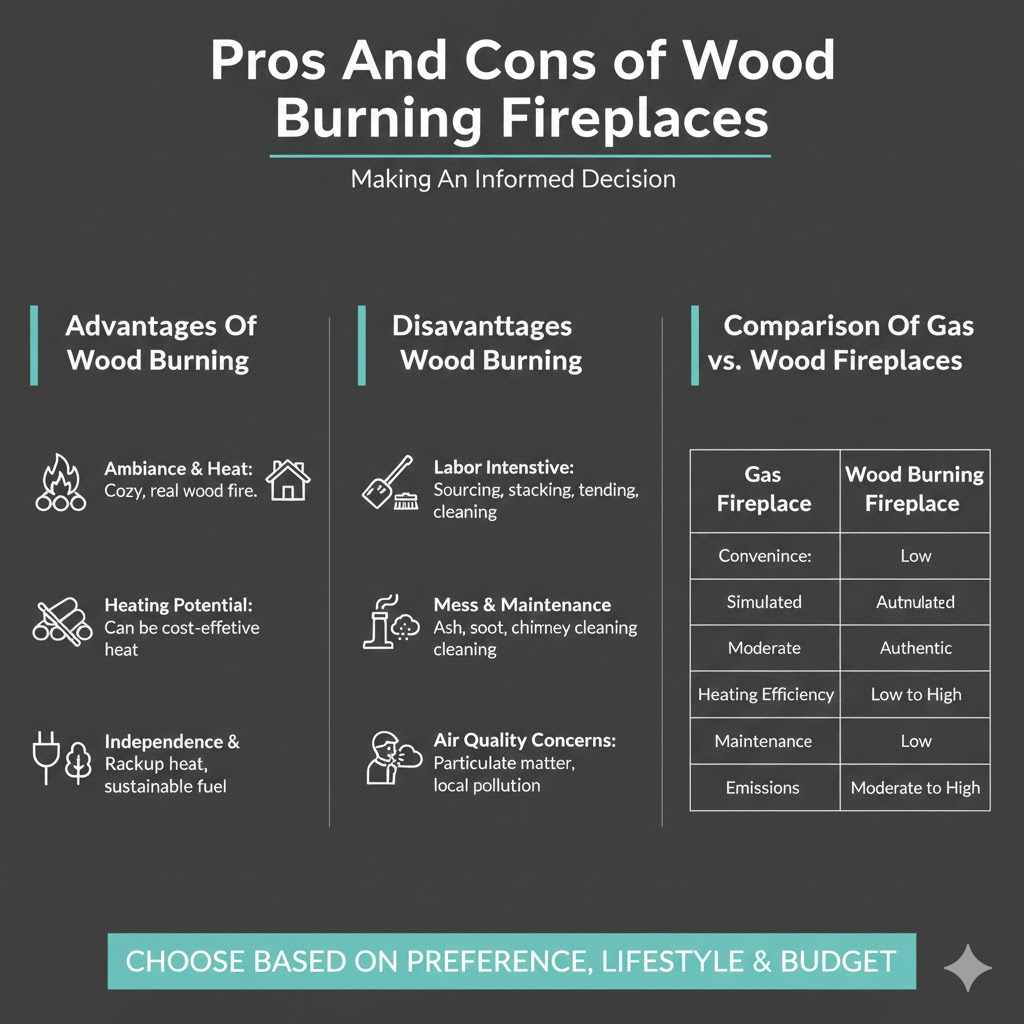
- Ambiance And Atmosphere: The primary draw for many is the unparalleled sensory experience of a wood fire. The visual appeal of dancing flames, the comforting warmth, the crackling sounds, and even the distinct aroma create a cozy and inviting atmosphere that gas fireplaces simply cannot replicate. This is often the main reason people explore conversion options.
- Heating Potential: Wood can be a very effective source of heat. In areas where wood is readily available and affordable, it can be a more cost-effective heating solution than natural gas or electricity, especially for supplemental heating. A well-designed wood-burning fireplace or insert can significantly reduce heating bills during colder months.
- Independence From Utilities: Wood burning offers a degree of independence from gas and electricity lines. In the event of a power outage, a wood-burning fireplace can provide essential heat and light, offering a reliable backup source. This self-sufficiency is particularly appealing to those in areas prone to severe weather or utility disruptions.
- Renewable Resource: When sourced responsibly from sustainable forests, wood is a renewable energy source. This appeals to environmentally conscious homeowners looking for ways to reduce their carbon footprint. Proper wood-burning practices, like using seasoned dry wood and ensuring efficient combustion, minimize emissions.
The process of sourcing, splitting, stacking, and tending a wood fire can also be a rewarding activity for some. It connects people to a more traditional way of life and provides a sense of accomplishment. Many homeowners find the ritual of preparing and maintaining a fire to be a calming and enjoyable part of their routine, adding to the overall appeal.
Disadvantages Of Wood Burning
- Labor Intensive: Wood burning requires significant effort. You need to purchase or source firewood, transport it, stack it, and carry it into the house. The fire itself needs to be built, tended, and eventually cleaned out. This is a stark contrast to the convenience of turning a knob on a gas fireplace.
- Mess And Maintenance: Wood fires produce ash, soot, and creosote. Ash needs to be removed regularly from the firebox, and the chimney requires frequent cleaning to prevent dangerous creosote buildup. This maintenance can be messy and time-consuming.
- Air Quality Concerns: Despite advancements in insert technology, wood burning can still release particulate matter and other pollutants into the air. This can be a concern for individuals with respiratory issues and can contribute to local air pollution. Strict regulations are in place in many areas regarding wood smoke emissions.
- Fuel Storage And Cost: You need adequate space to store firewood, which must be kept dry to burn efficiently. The cost of firewood can also be significant, depending on your location and whether you purchase it pre-cut and seasoned or acquire it yourself.
The initial cost of installing a wood-burning fi
Comparison Of Gas vs. Wood Fireplaces
| Feature | Gas Fireplace | Wood Burning Fireplace |
|---|---|---|
| Convenience | Very High (instant on/off) | Low (requires effort to start, tend, and clean) |
| Ambiance | Simulated (less realistic flame) | Authentic (real flames, crackling, smell) |
| Heating Efficiency | Moderate to High (especially inserts) | Low to High (depends on fireplace/insert design) |
| Cost of Fuel | Varies (depends on gas prices) | Varies (can be cheaper if wood is abundant) |
| Maintenance | Low (annual inspection) | High (regular cleaning of ash and chimney) |
| Emissions | Low | Moderate to High (depending on appliance) |
| Installation Cost | Lower to Moderate | Moderate to High (especially new construction) |
The choice between gas and wood ultimately comes down to personal preference, lifestyle, and budget. If convenience and minimal effort are top priorities, gas is likely the better choice. If the authentic experience and potential for independent heating are more important, wood burning offers a unique appeal, provided you are prepared for the associated work and maintenance.
Frequently Asked Questions
Question: Can I use my existing gas fireplace chimney for a wood burning fireplace
Answer: It is highly unlikely that your existing gas fi
Question: How much does it cost to convert a gas fireplace to wood burning
Answer: A direct conversion is rarely possible or recommended. Installing a new wood-burning insert typically costs between $2,000 and $7,000, including installation. Installing a completely new masonry fireplace can range from $5,000 to $15,000 or more, depending on size, materials, and labor.
The cost depends heavily on whether you are adding an insert or building anew.
Question: Is a wood burning fireplace safe in a modern home
Answer: Yes, wood-burning fi
Question: What is creosote and why is it dangerous
Answer: Creosote is a tar-like residue that forms in chimneys from the smoke of burning wood. It is highly flammable. If creosote builds up in thick layers inside the chimney, it can ignite, causing a dangerous chimney fire that can spread to the rest of the house.
Regular chimney sweeping removes creosote.
Question: Can I burn logs or pellets in a converted gas fireplace
Answer: You cannot burn wood logs or pellets in a gas fi
Summary
Deciding Can You Convert a Gas Fireplace to Wood Burning? involves assessing your current setup’s safety and feasibility. Direct conversion is seldom an option. Instead, consider installing a wood-burning insert or a new fireplace.
Always prioritize professional consultation for safe, code-compliant installations. Enjoy the warmth and ambiance of a wood fire responsibly.