Is Wood Burning a Physical Change? No, It’s Chemical
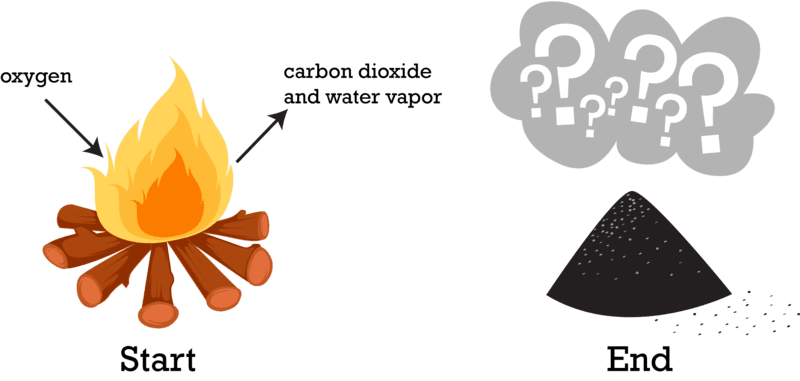
Wood burning is a chemical change, not a physical one — combustion converts the cellulose in wood into ash, carbon dioxide, and water vapor through an irreversible reaction with oxygen. Unlike melting or cutting, none of these new substances can be turned back into wood. This guide walks through the combustion reaction step by step, how it differs from true physical changes like melting ice, and why the leftover ash weighs less than the log you started with.
Quick Answer
Burning wood is a chemical change. Combustion is a chemical reaction between wood and oxygen that produces new substances — ash, carbon dioxide, and water vapor — along with heat and light. Because the wood’s chemical makeup is permanently altered and the reaction can’t be reversed, it fails both tests of a physical change (same substance, reversible).
Introduction to Wood Burning
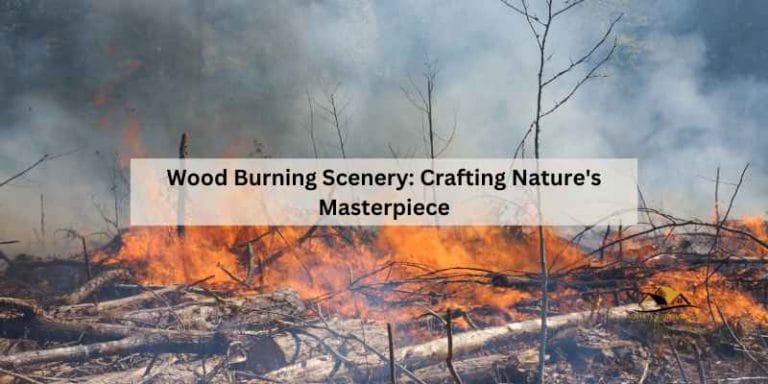
Wood burning is a common activity that creates warmth and light. When wood burns, it changes into ash, smoke, and gases — a process that releases both heat and light. It looks simple from across the room, but the chemistry behind it involves a genuine reaction, not just a change in shape or state.
As wood burns, it goes through several stages: it heats up, releases gases like carbon dioxide and water vapor, and leaves behind a solid residue — ash. The entire process releases energy in the form of heat and light. None of that is reversible, and none of the new substances can be reassembled back into wood.
Defining Physical and Chemical Changes
A physical change alters a substance’s form or state without changing its chemical identity, and it’s usually reversible. Ice melting into water is a physical change — it can freeze back into ice, and the substance is still H2O throughout. Tearing paper is another example: the paper is still paper, just in smaller pieces.
A chemical change creates one or more new substances with a different chemical composition than what you started with, and it’s usually irreversible. Burning wood is a chemical change: the wood’s cellulose reacts with oxygen and turns into ash, carbon dioxide, and water vapor — none of which can be turned back into wood. Rusting iron is another example; the iron becomes iron oxide and cannot change back on its own.
The Science Behind Wood Combustion
Wood burns when it gets hot enough to reach its ignition point. Wood is made mostly of cellulose, hemicellulose, and lignin, and these components begin to thermally decompose and release flammable gases well before visible flame appears. That decomposition (pyrolysis) is what lets a log actually catch fire once enough heat is applied.
Burning wood involves a chemical reaction called combustion: wood reacts with oxygen in the air in an exothermic reaction (one that releases energy), producing heat, light, and new substances — carbon dioxide, water vapor, and solid ash or charcoal. This is fundamentally different from a physical change, where no new substance forms and the original material’s chemical identity stays the same.
📊 Wood typically ignites between 250–400°C (482–752°F), depending on species and moisture content — Source: National Institutes of Health / PMC, 2021
Indicators of Chemical Change in Wood Burning
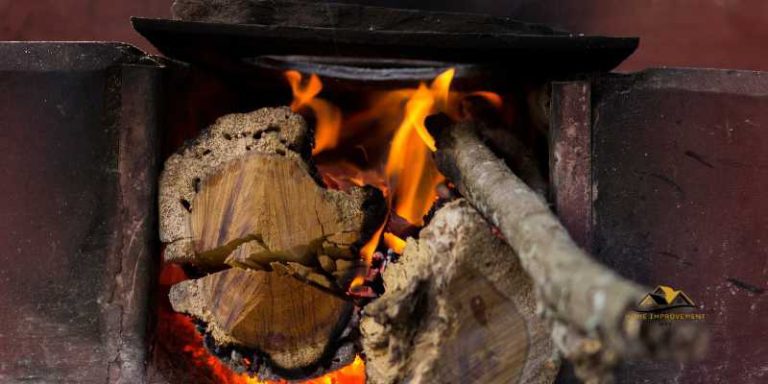
Wood changes color as it burns, turning from brown to black charcoal — that color change is a sign new substances are forming, not just a surface effect. Burning wood also produces visible smoke and a distinct smell, both signs of gases escaping that weren’t present in the original wood.
Ash and charcoal are themselves proof of chemical change: both are different substances from the wood that produced them, with different composition, structure, and properties. None of that happens in a physical change — ice that melts is still water, and wood that’s merely cut is still wood.
Comparing Wood Burning to Physical Changes
Melting ice is a physical change: ice turns to water when heated, the change is reversible, and the chemical makeup never stops being H2O. Breaking glass is another physical change — the glass shatters into pieces, but the chemical structure stays the same; it’s still glass, just in smaller pieces, and could theoretically be melted and reformed.
Wood burning fails both tests that define a physical change: the substance doesn’t stay the same (wood becomes ash, CO2, and water vapor) and the process can’t be reversed by any physical means. That’s also true of burning pressure-treated wood, though the chemical byproducts are more hazardous since the treatment chemicals combust along with the wood itself. Wood rot, by contrast, is a much slower biological and chemical process rather than instantaneous combustion.
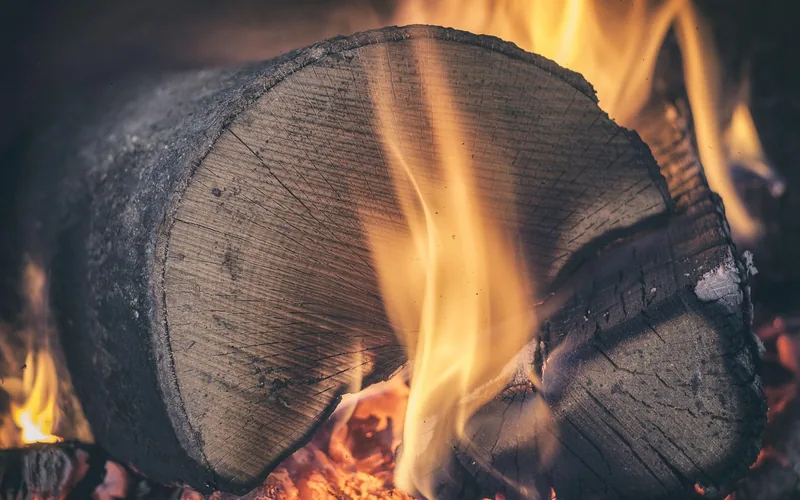
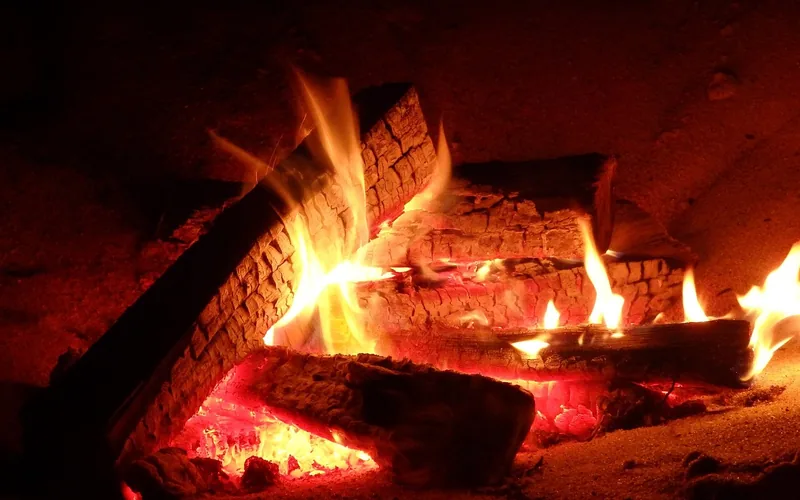
“Watch a fire from the moment it catches: early on the flame burns bright yellow with heavy white smoke as the wood pyrolyzes, then it settles into a cleaner blue-orange flame with much less visible smoke once combustion is fully underway. That shift you can see with your own eyes is the wood moving from initial decomposition into steady, complete combustion.”
Environmental Impact of Wood Burning
Burning wood releases smoke containing fine particles into the air, which can aggravate breathing problems and contribute to smog in enclosed areas or dense neighborhoods. In poorly ventilated stoves or fireplaces, incomplete combustion can also produce carbon monoxide — see our guide on whether wood stoves can cause carbon monoxide for how to burn safely.
Wood burning also adds carbon dioxide to the atmosphere. CO2 is a greenhouse gas that traps heat, and masonry heaters and other wood-burning appliances release it just like any other combustion source. Using wood for heat has a carbon footprint, though a smaller one than some fossil fuels when the wood is sustainably sourced.
Alternatives to Wood Burning
If you’re looking to reduce smoke, CO2 output, or the work of sourcing and seasoning firewood, gas, electric, and pellet stoves offer alternatives for home heating that don’t rely on combusting solid wood the same way. These options are generally cleaner and easier to manage day to day.
Renewable Energy Sources
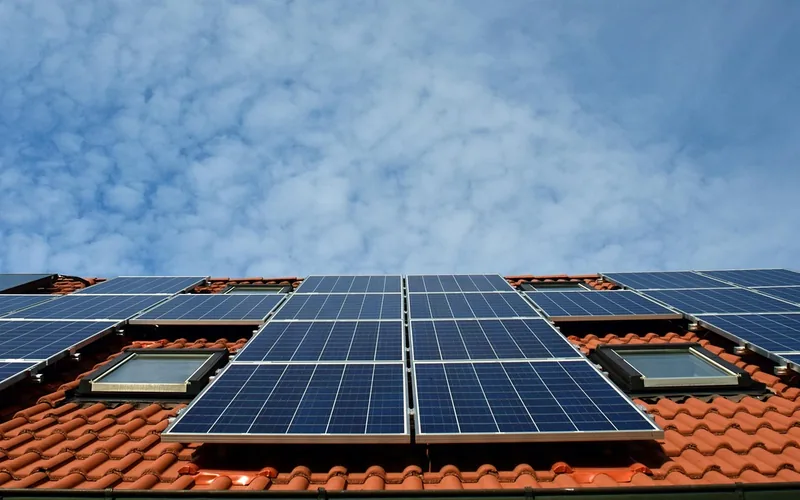
Solar panels can heat homes without combustion or emissions at the point of use. Wind turbines are another option that generates electricity without burning fuel. Hydropower uses moving water to generate electricity, and geothermal systems tap into the Earth’s own heat — none of these rely on a combustion reaction at all.
Eco-Friendly Heating Solutions
Electric heaters don’t burn wood or fossil fuels at all. Heat pumps use less energy than resistive electric heaters by moving heat rather than generating it directly. Pellet stoves still combust biomass but typically produce less smoke than an open wood-burning stove. Better insulation and programmable thermostats reduce how much heating you need in the first place, regardless of the fuel source.
Frequently Asked Questions
What Is a Physical Change?
A physical change alters the appearance or state of a substance without changing its chemical structure. Examples include melting, freezing, and cutting — the substance is still chemically the same before and after.
Is Burning Wood a Physical Change?
No, burning wood is not a physical change. It is a chemical change — the wood is transformed into ash, carbon dioxide, and water vapor through combustion, a reaction that permanently changes its chemical makeup.
Why Is Burning Wood a Chemical Change?
Burning wood is a chemical change because it creates new substances with a different chemical composition than wood. The reaction with oxygen (combustion) produces heat, light, ash, carbon dioxide, and water vapor — none of which can be converted back into wood.
Can Burning Wood Be Reversed?
No, burning wood cannot be reversed. The process is irreversible because it results in entirely new substances — ash, carbon dioxide, and water vapor — that cannot be recombined back into wood by any physical process.
Does Burning Wood Lose Mass?
The leftover ash weighs less than the original log, but no mass is actually lost — it’s conserved, just redistributed. Most of the wood’s mass leaves as carbon dioxide and water vapor gas, which drift away into the air instead of staying behind as solid ash.
Is Cutting Wood a Physical or Chemical Change?
Cutting wood is a physical change. It changes the wood’s size and shape, but every piece is still chemically wood — nothing new is created, and in principle the pieces could be glued back together, unlike the ash and gases left after burning.
Conclusion
Wood burning is a clear example of a chemical change. Combustion changes the wood’s chemical structure, creating ash, smoke, and gases that never existed before the fire started. Physical changes never alter a substance’s chemical identity the way burning does — ice remains H2O, and cut wood is still wood.
Simple observations can reveal complex chemistry. Next time you watch a fire, the flame, smoke, and ash are all direct evidence of a real chemical reaction taking place, not just wood changing shape. If you burn wood at home, our wood-burning solutions hub covers safe operation, efficiency, and maintenance for stoves and fireplaces.