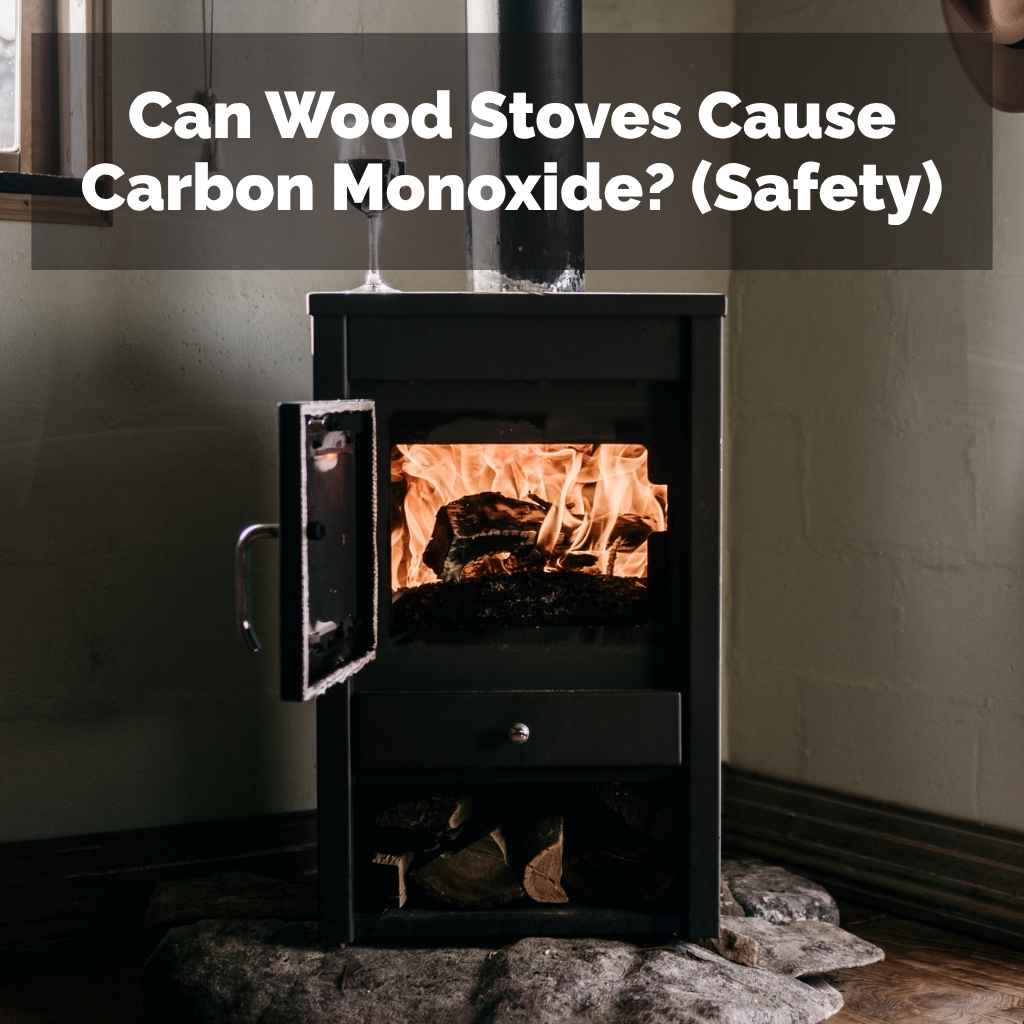
Can Wood Stoves Cause Carbon Monoxide? (Safety)
The air can feel so clean and natural with a wood fire. But sometimes, what we can’t see or smell can be the most harmful. This is a common concern, and you’re not alone in wondering about it.
We’ll break down this important safety question together, step-by-step, with simple words.
You’ll learn why this happens, how to spot signs, and what you can do to keep your home safe. Let’s make sure your cozy nights are truly safe nights.
Yes, wood stoves can absolutely cause carbon monoxide (CO). This happens when wood doesn’t burn fully. Incomplete burning creates carbon monoxide gas. This gas is colorless and odorless. It can build up quickly in a home. Proper stove use and ventilation are key to safety. Always use a working CO detector.
What is Carbon Monoxide?
Carbon monoxide, often called CO, is a gas. It forms when things burn fuel. This includes wood, natural gas, propane, and gasoline.
It’s like a byproduct of fire that isn’t perfect.
The big problem with CO is that you cannot see it. You also cannot smell it. It has no taste.
This makes it very tricky to detect on its own. Your body doesn’t get a warning sign. It’s like an invisible danger.
When CO enters your body, it stops oxygen from reaching your brain. This is why it can make you feel sick. It can even be deadly if the levels get too high.
Why Can Wood Stoves Produce Carbon Monoxide?
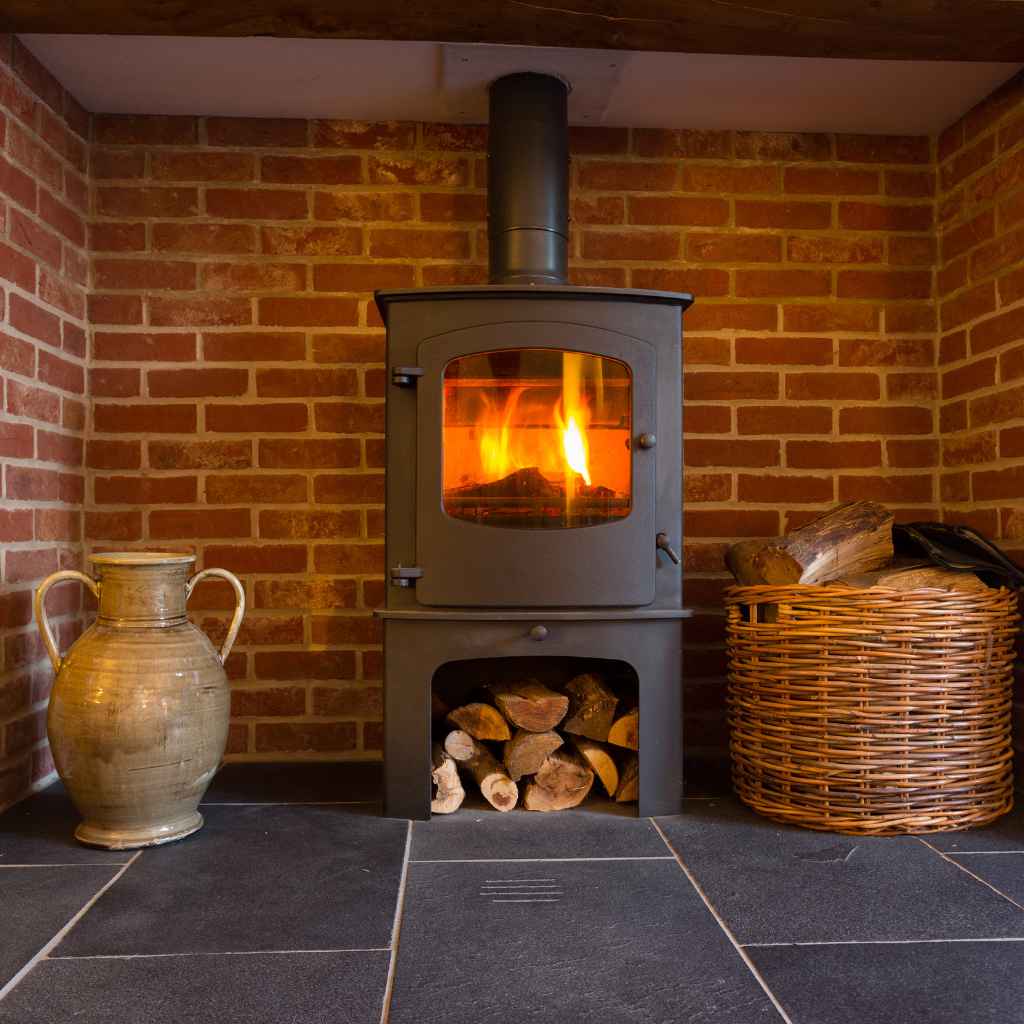
Wood stoves create heat by burning wood. This is a chemical process. For the fire to be as clean as possible, it needs enough oxygen.
It also needs the right temperature.
When a wood stove doesn’t get enough air, the wood can’t burn completely. Think of it like trying to make a campfire with a wet blanket over it. The fire smolders.
It doesn’t burn bright and hot.
This lack of complete burning is called incomplete combustion. It’s during this incomplete burning that carbon monoxide is made. The fuel (wood) isn’t fully turned into heat and just carbon dioxide (the stuff we breathe out normally).
Other things can cause this too. If your chimney is blocked, smoke can’t get out. This smoke contains CO.
A stove that isn’t installed correctly can also be a problem. Even using the wrong kind of wood can affect how it burns.
A common mistake is closing the air vents too much too soon. People want to make the fire last longer. But closing off the air too much starves the fire of oxygen.
This leads to more CO.
Signs of Carbon Monoxide
Because CO is invisible and odorless, we have to look for other signs. These signs can mimic the flu. This is why it’s so important to be aware.
Mild symptoms can include:
- Headache
- Dizziness
- Nausea
- Feeling weak
- Confusion
If you’re feeling these symptoms while your wood stove is running, it’s time to pay attention. Especially if others in the house feel the same way. Pets can also show signs of CO poisoning.
They might seem more tired or unsteady.
If the CO levels get higher, the symptoms get worse. People can lose consciousness. This can happen very quickly.
It’s also important to note that these symptoms can disappear when you leave the house. Then they might come back when you return. This pattern is a strong clue that CO might be the cause.
My Own Scare with a Wood Stove
I remember one particularly cold winter night. I had a new wood stove installed in my living room. It was my first time using one.
I was so excited about the warmth and the ambiance. I loaded it up, got the fire going, and settled in with a book.
After about an hour, I started to feel a dull ache behind my eyes. I thought maybe I was just tired from a long day. Then, a wave of nausea washed over me.
My head felt fuzzy. I stood up and felt a bit unsteady on my feet.
My dog, Buster, who usually is bouncing off the walls, was lying by the hearth. He looked unusually calm. His breathing seemed shallow.
That’s when a little alarm went off in my head. I remembered reading about carbon monoxide.
Panic started to bubble up. Was my cozy fire actually making me sick? I grabbed my keys and opened all the windows, even though it was freezing outside.
The cold air rushed in. I hurried to the garage and grabbed the portable CO detector I’d bought on a whim.
I carried it back into the living room, my hands shaking a little. The detector was quiet at first. Then, it started to beep.
A low, steady beep. The display showed a small number, but it was still there. It was telling me there was CO in the air.
I quickly put Buster in his crate near an open window. I felt a surge of fear. What if I hadn’t noticed?
What if I had fallen asleep? That night taught me a huge lesson. The warmth of a fire is wonderful, but safety has to come first.
We all need to be aware of the silent risks.
Wood Stove Safety Checklist
Regular Chimney Sweeping: Get your chimney cleaned at least once a year. This removes creosote. Creosote is a flammable buildup.
It can also block airflow.
Proper Ventilation: Ensure your stove has enough fresh air. Some stoves need a dedicated outside air supply. Check your stove’s manual.
Burn Dry Wood: Use seasoned hardwood. Wet or green wood burns poorly. It creates more smoke and CO.
Avoid Overloading: Don’t stuff the firebox too full. This can restrict air flow. It can also cause fires to burn hotter than intended.
Check Damper Settings: Understand how your stove’s air controls work. Don’t close them too much too soon. Learn when it’s safe to reduce air.
How Wood Stoves Work (and When They Don’t)
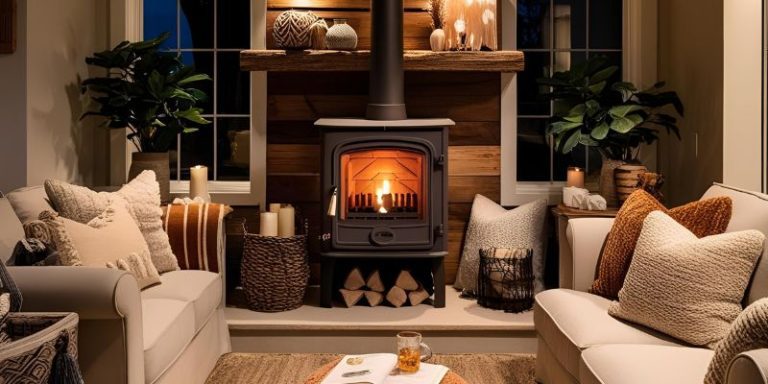
A wood stove is designed to burn wood efficiently. It has an airtight firebox. This helps control the burn.
Air enters through vents. These vents let oxygen feed the fire.
The heat from the fire rises. It then goes up the chimney. The chimney needs to be the right size and height.
It must draw smoke away from the house.
When everything is working right, the fire is hot. It burns clean. Most of the fuel turns into heat and harmless gases.
Carbon monoxide is kept to a minimum.
Problems happen when this system is off. If the air vents are too small or blocked, the fire struggles. It smolders.
This is low combustion. This low combustion makes CO.
A chimney can get blocked by birds’ nests. Leaves can gather there. Soot and creosote build up over time.
This blockage stops smoke from escaping. The smoke then backs up into the room. That smoke carries CO.
Some stoves have a damper. This is a plate that can close off the chimney partly. It helps keep heat in when the fire is low.
But if it’s closed too much, it can trap CO.
Real-World Factors Affecting CO Production
It’s not just the stove itself. Many things in your home can affect how it performs and whether it produces CO.
Your Home’s Airtightness: Modern homes are built to be very energy efficient. This means they are very airtight. While good for saving energy, this can be a problem for wood stoves.
If your home is too airtight, the stove might not get enough air to burn properly.
Other Appliances: If you have other appliances that use fuel, like a gas furnace or a water heater, they also use air. In a very tight house, these appliances can compete for the available oxygen. This can make your wood stove struggle even more.
Weather Conditions: Sometimes, the weather can play a role. On very cold, still days, the air pressure can be high. This can make it harder for the chimney to draw properly.
Smoke and CO might not go up and out.
Chimney Design and Maintenance: The height, diameter, and insulation of your chimney are crucial. An improperly designed chimney won’t draft well. Also, if it’s not kept clean, creosote can build up.
This build-up is a fire risk and can block the chimney.
Type of Wood Burned: Burning unseasoned (wet) wood is a big culprit. It smolders more. It creates more creosote.
It produces less heat and more CO. Only burn dry, seasoned hardwood.
Contrast: Normal Smolder vs. Concerning CO
Normal Smolder: A fire that is burning low on air might produce a bit more smoke. This smoke might have a slight acrid smell. You might notice a little puff of smoke when you open the stove door briefly.
This is usually temporary and easily cleared.
Concerning CO: If you have persistent smoke filling the room, even when the stove is burning well. If you start feeling sick with flu-like symptoms. If your CO detector sounds an alarm.
These are serious signs that CO is building up and poses a danger.
What This Means for Your Home Safety
Understanding that wood stoves can produce CO is the first step. The next is knowing how to manage the risk.
When is it Normal? A tiny bit of smoke when you first open the stove door is normal. A bit of lingering smell after a log is added can also be okay. These are usually brief moments.
When to Worry: Persistent smoke in the room is not normal. If the fire seems to be struggling or smoldering a lot. If you or anyone in your home experiences symptoms like headaches, dizziness, or nausea when the stove is in use.
If your carbon monoxide detector beeps.
Simple Checks:
-
CO Detectors: This is non-negotiable. Have a working CO detector on every level of your home. Especially near sleeping areas.
Test them monthly. Replace batteries yearly. Replace the units every 5-7 years.
-
Visual Check: Look at your chimney when the stove is cold.
Is there a lot of soot? Is there a visible blockage?
- Stove Airflow: Ensure the air vents on your stove are clear and not blocked.
- Wood Quality: Make sure you are burning dry, seasoned wood.
Quick Tips for Safer Wood Stove Use
Here are some straightforward actions you can take:
- Install CO Detectors: I can’t stress this enough. They are your eyes and ears for this invisible gas.
- Regular Inspections: Have your chimney and stove inspected by a certified professional. This should be done yearly. They can spot problems you might miss.
- Burn Smart: Always burn dry, seasoned hardwood. Avoid burning trash, plastics, or treated wood.
- Ventilation is Key: Make sure your stove is getting enough air. If your home is very tight, consider an outside air kit for your stove.
- Know Your Stove: Read your stove’s manual. Understand how to operate it safely. Learn about its air controls.
Quick Scan: Stove vs. CO Risk
| Factor | Higher CO Risk | Lower CO Risk |
| Wood | Wet, unseasoned wood | Dry, seasoned hardwood |
| Airflow | Blocked vents, tight home | Properly functioning vents, adequate air supply |
| Chimney | Blocked, dirty, poor draft | Clean, well-maintained, good draft |
| Stove Operation | Smoldering fire, closed dampers too soon | Hot, clean burn, correct damper use |
| CO Detector | None, or not working | Working, tested regularly |
Frequently Asked Questions About Wood Stove CO
How often should I test my carbon monoxide detector?
You should test your carbon monoxide detector at least once a month. Press the test button to ensure it’s working. Also, change the batteries at least once a year, or as recommended by the manufacturer.
What are the first signs of carbon monoxide poisoning?
The first signs often feel like the flu. This includes headaches, dizziness, nausea, and weakness. If you experience these symptoms while using your wood stove, move to fresh air immediately.
Can a brand new wood stove produce carbon monoxide?
Yes, even a new wood stove can produce carbon monoxide. This happens if it’s not installed correctly or if it’s used without enough air for complete combustion. Always follow installation and operating instructions.
Is it safe to use my wood stove during a power outage?
Wood stoves can be a great heat source during power outages. However, this is when CO risk can increase. Ensure your stove is operating correctly and that your CO detectors are working.
Never use generators, charcoal grills, or propane heaters indoors.
What should I do if my carbon monoxide detector goes off?
If your CO detector sounds an alarm, leave your home immediately. Get everyone, including pets, to fresh air. Call 911 or your local fire department from outside your home.
Do not re-enter the home until responders say it is safe.
How can I tell if my wood is dry enough for burning?
Dry wood, also called seasoned wood, has a moisture content of about 15-20%. It looks gray or faded. It often has cracks at the ends.
It makes a clear ringing sound when two pieces are hit together, not a dull thud. Wet wood is heavier and darker.
Final Thoughts on Wood Stove Safety
The warmth and comfort of a wood stove are wonderful. But safety must always be the top priority. Understanding how carbon monoxide is made is crucial.
Taking simple steps like using CO detectors and maintaining your stove can make a big difference.
Enjoy your fire, but do it safely. Know the signs, and be prepared. Your peace of mind is worth the effort.
Sponsored / affiliate links. As an Amazon Associate I earn from qualifying purchases. I may earn additional commission from eligible campaigns.