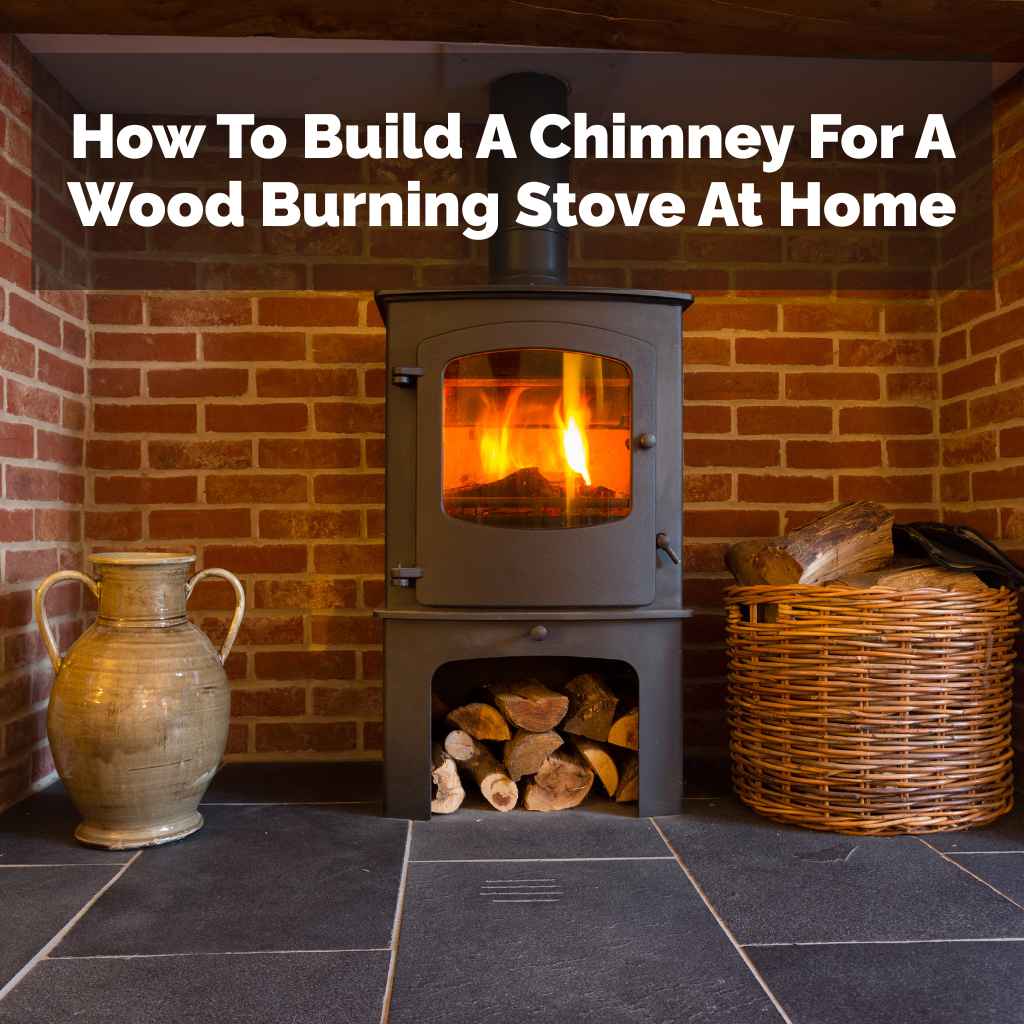
How To Build A Chimney For A Wood Burning Stove At Home
Building a chimney for a wood-burning stove requires careful planning and execution. This involves selecting the right materials, understanding proper ventilation, ensuring structural integrity, and adhering to safety codes. The process ensures efficient smoke removal and prevents fire hazards, making your stove use safe and effective.
Understanding Chimney Basics for Wood Stoves
A chimney is more than just a hole in the roof. It’s a vital system. It carries smoke and gases away from your stove.
It also keeps flames and heat from entering your home. For a wood-burning stove, this system must be robust. It needs to handle high temperatures.
It must also deal with creosote buildup. Creosote is a sticky tar. It forms from burning wood.
A well-built chimney is key for safety and performance. It pulls air into the stove too. This helps the fire burn well.
There are different parts to a chimney. You have the stove pipe. This connects directly to the stove.
Then there’s the chimney liner. This is inside the masonry or metal chimney. It protects the outer structure.
The chimney itself is the main shaft. It goes up through your house. Finally, there’s the chimney cap.
This stops rain and animals from getting in.
The draft is very important. This is the upward movement of air and smoke. Good draft means smoke goes out fast.
Bad draft means smoke can come back into your room. Many things affect draft. The height of the chimney matters.
So does the size of the flue. Obstructions can also cause problems. Wind can play a role too.
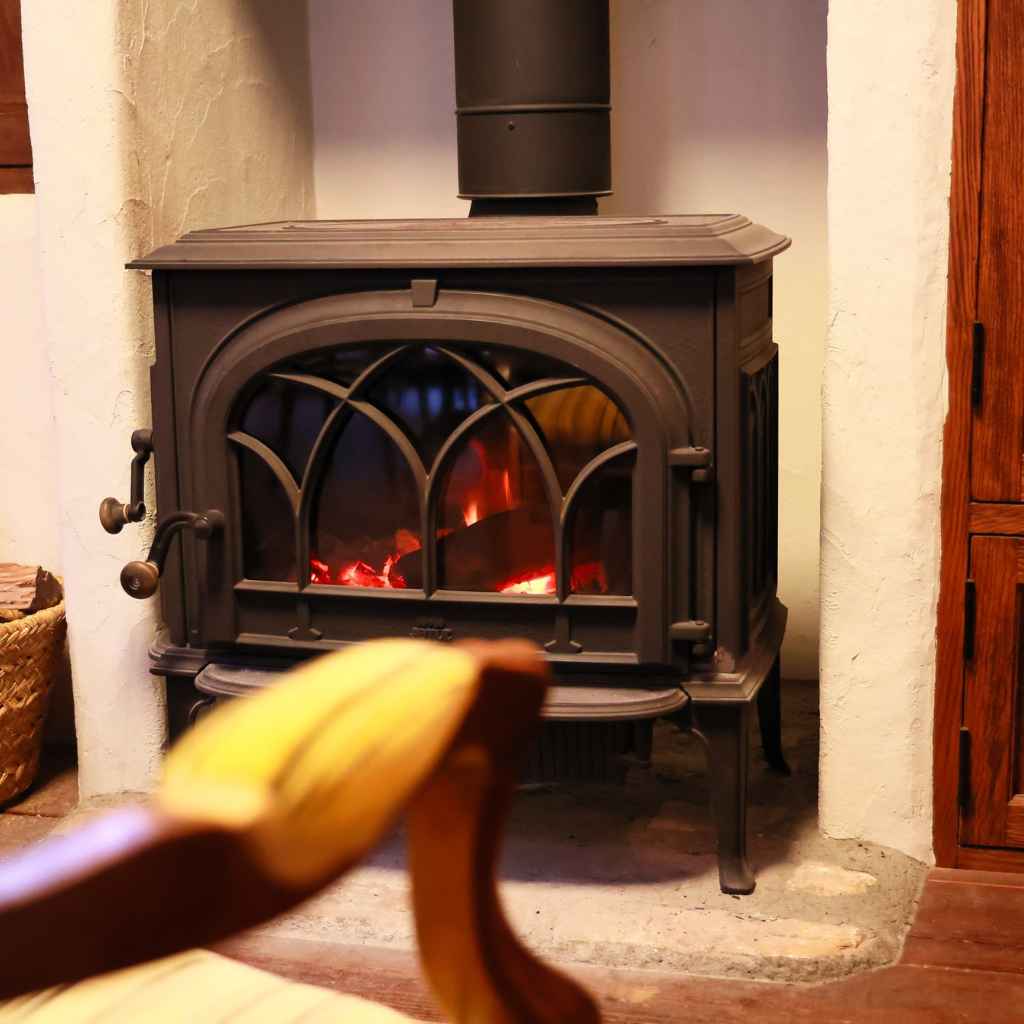
Personal Experience: The Day My First Stove Smoked
I remember setting up my first wood stove. It was a chilly autumn evening. I had my brand-new stove all hooked up.
The stove pipe looked perfect. It went straight up through a hole in my ceiling. I lit a small fire.
It started beautifully. The flames danced. I felt so proud.
Then, a faint smell hit me. It was smoke. Not a lot at first.
Just a whisper. I ignored it. Maybe it was just the new stove warming up.
But the smell grew stronger. Then, I saw it. A thin haze started to fill the room.
My eyes started to sting. I felt a panic rise. This wasn’t right.
My new, cozy setup was filling with smoke! I quickly grabbed a broom. I tried to sweep the smoke towards the open door.
It was a losing battle. That’s when I realized. My chimney wasn’t built right.
The stove pipe was too short. It didn’t extend high enough above the roofline. The wind was blowing smoke back down.
It was a humbling, slightly smoky, lesson.
Key Chimney Components Explained
Stove Pipe: The metal pipe directly connecting your wood stove to the chimney. It needs to be high-quality and heat-resistant. Usually made of stainless steel or double-wall pipe for safety.
Chimney Liner: A tube installed inside the main chimney structure. It protects the chimney walls and ensures a smooth path for smoke. Stainless steel liners are common for wood stoves.
Chimney Structure: The main body of the chimney. This can be masonry (brick or stone) or a prefabricated metal chimney system. It must extend safely above the roof.
Chimney Cap: Sits on top of the chimney. It prevents rain, snow, and animals from entering. Many have spark arrestors to stop embers from escaping.
Choosing the Right Materials for Your Chimney
The materials you choose are critical. They affect safety and how long your chimney lasts. For a wood-burning stove, you need heat-resistant materials.
You also need materials that can handle the corrosive nature of smoke. Many people opt for stainless steel. It’s strong and resists rust.
It also handles heat well. You can get stainless steel stove pipes. You can also get stainless steel chimney liners.
If you’re building a masonry chimney, you’ll need firebrick. Regular brick can crack under high heat. Firebrick can take the heat.
You’ll also need refractory mortar. This mortar is made for high temperatures. It won’t crumble like regular mortar.
The exterior of a masonry chimney can be made of common building brick. But the inside needs special care.
Prefabricated metal chimneys are another option. These are often called Class A chimneys. They are made of multiple layers of metal.
They have insulation between the layers. This keeps the outside cool. It also helps prevent heat from damaging your house structure.
These systems are easier to install. They often come with clear instructions. Always check the manufacturer’s ratings.
Make sure they are approved for wood-burning stoves.
The type of fuel matters too. Wood burns hotter than gas. So, your chimney system needs to be rated for the specific type of appliance.
Always follow the stove manufacturer’s recommendations. They know what works best with their product.
Material Spotlight: Stainless Steel
Why it’s popular: Durable, rust-resistant, handles high heat well.
Common uses: Stove pipes, chimney liners, entire prefabricated chimney systems.
Grades to consider: 304 and 316 stainless steel are common. 316 offers better corrosion resistance, which can be good if you burn a lot of wood that creates more acidic byproducts.
Understanding Building Codes and Safety Standards
This is a really important part. Building codes are there to keep you safe. They are based on years of experience.
They tell you how to build things correctly. Ignoring them is risky. It can lead to fires.
It can also cause problems with insurance. You might even have trouble selling your home later.
Start by contacting your local building department. Ask for the specific codes related to wood stoves and chimneys. They will tell you what is allowed.
They will also explain the inspection process. There might be specific requirements for clearance. This is the distance your chimney pipe needs to be from walls and ceilings.
There are also rules about how high the chimney must extend. This helps ensure proper draft and smoke removal.
Organizations like the National Fire Protection Association (NFPA) set standards. The NFPA 211 standard is often referenced for chimneys and vents. Look for information on “Class A chimneys.” These are designed for solid fuel appliances like wood stoves.
They have specific construction requirements. They must keep combustible materials cool.
When buying materials, look for certifications. UL (Underwriters Laboratories) or ETL (Intertek) listings are good signs. These mean the product has been tested.
It meets safety standards. Never cut corners here. The upfront cost of following codes is small compared to the cost of a fire.
Essential Clearances
Purpose: To prevent heat from igniting nearby combustible materials like wood framing or insulation.
Typical Requirement: Often 3 inches for listed double-wall stove pipe and 6 inches for single-wall stove pipe. Always check manufacturer specs and local codes.
Consequences of low clearance: Fire hazard. Can lead to house fires.
Designing Your Chimney: Height, Diameter, and Location
The design of your chimney is crucial for its function. Height is a big factor. A common rule of thumb is that the chimney must be at least three feet higher than the point where it passes through the roof.
It also needs to be at least two feet higher than any part of the roof within ten feet. This helps ensure smoke clears the roofline. It prevents downdrafts caused by the roof structure.
The diameter of your flue is also very important. It should match the outlet on your wood stove. Check your stove’s manual.
It will tell you the required diameter. Using a pipe that is too small can restrict airflow. This leads to poor draft and smoke backup.
Using a pipe that is too large can also cause problems. The flue gases might cool too much. This can lead to condensation and creosote buildup.
Location matters for safety and aesthetics. The chimney should ideally be located inside the heated space of your home. This helps keep the flue gases warm.
Warm gases rise better. This improves draft. Putting a chimney on an exterior wall can lead to colder flue gases.
This can cause more creosote. It also means you need more fireproofing where it passes through walls.
If you have a sloped roof, the chimney needs to extend far enough. This is to avoid wind issues. Wind blowing over the roof can push smoke down.
A taller chimney helps avoid this. It creates a more consistent upward pull. Consider the structure of your house.
Where can you best support the chimney? Where does it exit the roof with minimal structural impact?
Step-by-Step Installation Guide for a Wood Stove Chimney
This is where we get into the practical steps. Remember, safety is paramount. If you’re unsure, hire a professional.
This is a complex system.
1. Planning and Permits: As mentioned, check local codes. Get any necessary permits.
Understand the required inspections.
2. Stove Placement: Decide where your stove will go. This determines where the chimney will start.
Ensure you have the correct floor protection under the stove.
3. Cutting the Roof Opening: Carefully measure and mark where the chimney will exit the roof. Use a plumb bob to ensure it’s straight.
Cut the opening. Make sure it’s large enough for the chimney and any required firestops.
4. Assembling the Stove Pipe: Connect the first section of stove pipe to your wood stove. Ensure it’s a snug fit.
Use high-temperature sealant if recommended. Then, add subsequent sections. Each section should overlap the one below it.
This prevents leaks.
5. Passing Through Ceilings and Floors: Use an approved ceiling support box or a thimble where the chimney passes through ceilings and floors. This provides the necessary clearance to combustible materials.
Secure it according to the manufacturer’s instructions.
6. Installing the Chimney System: For prefabricated chimneys, assemble the sections according to the manufacturer’s guide. Ensure each joint is secure.
For masonry, this involves laying brick or stone and installing a liner system as you go.
7. Securing the Chimney Above the Roof: Use storm collars and flashing to seal the chimney where it exits the roof. This prevents water from leaking into your attic.
If the chimney is tall, it may need bracing or support.
8. Installing the Chimney Cap: Attach the chimney cap to the top of the chimney. This keeps out rain and animals.
Ensure it has a spark arrestor.
9. Final Inspection: Once installed, have your local building inspector check the work. They will ensure it meets all safety requirements.
Quick Scan: Installation Checkpoints
- Permits obtained?
- Correct stove pipe diameter used?
- Adequate clearances maintained?
- Approved firestops/thimbles installed?
- Roof flashing sealed properly?
- Chimney cap with spark arrestor in place?
- Final inspection scheduled?
Firestops and Clearances: Protecting Your Home
This is perhaps the most critical safety aspect. Wood and other building materials can catch fire. They do this when exposed to high heat for a sustained period.
The chimney gets very hot. It can easily ignite nearby wood studs, insulation, or drywall.
Clearances are the minimum distances required. These are set by code and the chimney manufacturer. They ensure that heat radiated from the pipe or chimney structure doesn’t reach dangerous temperatures on nearby materials.
Always measure these distances carefully. Don’t assume you have enough space. Double-check.
Firestops are devices that create a barrier. They are installed where the chimney passes through walls, floors, or ceilings. They serve two purposes.
They maintain the required clearance. They also help prevent the spread of fire from one area of the house to another.
For prefabricated metal chimneys, you’ll often use a “support box” or “wall pass-through.” This is a metal sleeve that the chimney pipe goes through. It has built-in insulation and support. It ensures the correct clearance is maintained.
For masonry chimneys, you need to ensure the firebrick and mortar are intact. You also need to make sure any combustible framing is kept away from the hot flue liner.
Many insurance companies require proof of proper installation. This includes meeting clearance requirements. They may deny claims if a fire results from improper installation.
So, this isn’t just about code; it’s about protecting your property and your family.
Maintaining Your Chimney: Cleaning and Inspection
Building the chimney is only part of the job. You must also maintain it. Regular maintenance keeps it working safely and efficiently.
The biggest concern with wood stoves is creosote buildup. As wood burns, it releases unburned particles. These stick to the inside of the chimney.
Over time, this forms a tar-like substance called creosote.
Creosote is highly flammable. A chimney fire can be very dangerous. It happens when creosote ignites.
The fire burns intensely inside the chimney. It can spread to your home. This is why regular cleaning is essential.
How often should you clean? It depends on how much you use your stove. And what kind of wood you burn.
If you use your stove daily during winter, you might need cleaning once a year. If you use it less often, maybe every two years. A good rule is to clean it when you have about 1/8 inch of creosote buildup.
Who should clean it? You can buy chimney cleaning brushes. You can do it yourself.
But it can be messy and difficult. Many homeowners hire a certified chimney sweep. They have the tools and expertise.
They can also spot potential problems.
Inspections are also vital. A chimney sweep will look for cracks. They check for loose bricks or mortar.
They will inspect the liner for damage. They look at the chimney cap and flashing. They can identify issues before they become serious dangers.
Signs Your Chimney Needs Cleaning
- Heavy, flaky deposits on the chimney walls.
- A tarry smell that’s stronger than usual.
- Slowed draft or smoke backing into the room.
- Glowing embers visible in the chimney after a fire.
- Annually, as a preventative measure.
When to Call a Professional Chimney Sweep
While some basic maintenance might be DIY-friendly, there are times when calling in the experts is the smartest choice. Chimney sweeps are trained professionals. They have specialized tools.
They know what to look for.
If you’re unsure about your chimney’s condition, call them. If you notice excessive smoke, poor draft, or strange smells, call them. If you’ve had a chimney fire, even a small one, it’s essential to have it inspected.
Chimney fires can cause hidden damage.
Professional sweeps can also advise you on improvements. They can tell you if your chimney is up to code. They can recommend upgrades.
This could include a better liner. Or a new, more efficient chimney cap. They can also test your chimney’s draft.
This ensures it’s working as it should.
Think of it like visiting a doctor for a check-up. Regular inspections by a chimney sweep are good preventive care. They catch small issues before they become big, expensive, or dangerous problems.
This peace of mind is well worth the cost.
Troubleshooting Common Chimney Issues
Even with the best installation, problems can pop up. Let’s look at a few common ones. And what they might mean.
Common Chimney Problems and Solutions
| Problem: | Possible Cause: | What to Do: |
| Poor Draft / Smoke Backs Up | Chimney too short, blocked flue, cold flue, negative house pressure, creosote buildup. | Check for obstructions. Clean the chimney. Extend chimney height if needed (consult codes). Ensure proper ventilation in the house. |
| Water Leaks Around Chimney | Damaged flashing, deteriorated sealant, cracked cap. | Inspect roof flashing. Repair or replace damaged sections. Reseal around the chimney base. |
| Unusual Noises (Whistling, Rattling) | Wind whistling through the cap, loose parts, animal nests. | Check chimney cap and internal structure for looseness. Inspect for blockages or nests. |
| White Stains on Masonry (Efflorescence) | Moisture in the masonry, salts migrating to the surface. | Can indicate moisture issues. Improve waterproofing or consider a liner. Sometimes cosmetic. |
Real-World Context: When a Chimney Fails
I once helped a friend whose house caught fire. It started in the attic. The cause?
A chimney fire. They had a wood stove. They used it a lot.
But they hadn’t had it cleaned in years. The creosote buildup was massive. The fire burned so hot.
It melted through the metal liner. Then it reached the wooden structure above the ceiling. The fire spread quickly.
It was devastating. They lost a good portion of their home. The fire investigators were clear: lack of maintenance was the culprit.
This story always sticks with me. It shows how important those simple checks and cleanings really are. It’s not just about a clean house; it’s about preventing a total loss.
What This Means for You and Your Home
Building or working on a chimney for a wood-burning stove is a serious undertaking. It demands respect for the forces involved. Heat, fire, and weather are powerful.
Understanding the basics of chimney design is essential. This includes height, diameter, and material choices. Following building codes is non-negotiable for safety.
Clearances and firestops are your primary defense against fires. They must be installed correctly. Never compromise on these.
Regular maintenance, like cleaning and inspections, is not optional. It’s a vital part of owning a wood stove. It ensures your system functions safely for years.
If you’re planning a new installation, consider hiring a certified professional. Their expertise can save you time, money, and potential disaster. Even for existing systems, annual check-ups are wise.
They provide peace of mind. They help you avoid costly repairs or dangerous situations.
Quick Fixes and Preventative Measures
While major chimney work requires expertise, some preventative steps are simple. You can take action to keep your chimney system safe.
- Burn Seasoned Wood: Use only dry, seasoned hardwood. Wet or green wood creates more creosote. It burns less efficiently.
- Avoid Smoldering Fires: Try to maintain a bright, active flame. Smoldering fires produce more smoke and creosote.
- Install a Carbon Monoxide Detector: Essential for any home with fuel-burning appliances. It alerts you to dangerous, invisible gases.
- Keep the Area Around the Chimney Clear: Don’t store flammable items near the stove pipe or chimney.
- Install a Chimney Cap Spark Arrestor: This helps prevent embers from escaping and starting roof fires.
- Regularly Inspect Stove Gaskets: Ensure the door seals tightly. A leaky gasket can affect draft and efficiency.
Myth vs. Reality: Chimney Care
Myth: Once built, a chimney needs no attention.
Reality: Regular cleaning and inspection are crucial to prevent fires and ensure efficiency.
Myth: Any metal pipe can be used as a stove pipe.
Reality: Only specific, high-temperature rated stove pipes and chimney systems are safe for wood stoves.
Myth: A little smoke in the house is normal.
Reality: Smoke in the house indicates a draft problem or a leaky chimney, which is a safety hazard.
Frequently Asked Questions About Wood Stove Chimneys
What is the minimum height for a wood stove chimney?
Generally, a chimney must extend at least 3 feet above the point it penetrates the roof. It also needs to be at least 2 feet higher than any part of the roof within a 10-foot radius. Always check local building codes for specific requirements.
What size diameter pipe do I need for my wood stove?
The required diameter is determined by your specific wood stove. Check the manufacturer’s manual for the correct size. Using the wrong diameter can cause poor draft or excessive creosote buildup.
Can I use single-wall stove pipe for the entire chimney run?
No, single-wall stove pipe is generally only approved for the first few feet connecting directly to the stove. The rest of the chimney run, especially where it passes through walls or ceilings, must be double-wall or Class A rated chimney pipe to maintain safe clearances.
How often should a wood stove chimney be inspected?
It’s recommended to have your chimney inspected annually by a certified chimney sweep, even if you don’t use it extensively. This helps catch potential problems early.
What is creosote and why is it dangerous?
Creosote is a flammable tar-like substance that builds up inside the chimney from burning wood. It is a primary cause of chimney fires, which can be very destructive.
Do I need a permit to build or modify a chimney?
Yes, in most areas, any new construction or significant modification to a chimney system requires a permit from your local building department. They will also conduct inspections.
Conclusion
Building a safe and efficient chimney for your wood-burning stove is a rewarding project. It requires careful planning, the right materials, and adherence to safety standards. By understanding the components, installation steps, and maintenance needs, you can ensure your stove provides warmth and comfort safely for many years.
Sponsored / affiliate links. As an Amazon Associate I earn from qualifying purchases. I may earn additional commission from eligible campaigns.