Can You Put a Memory Foam Mattress on Plywood?
Many people wonder, “Can You Put a Memory Foam Mattress on Plywood?” This is a common question for those setting up a new bed or moving furniture. Sometimes, you might end up with just a plywood base, and you need to know if your comfy memory foam mattress will be okay. It can feel a bit tricky to figure out if this setup is good for your mattress and your sleep.
Don’t worry, we’ll break it down simply, step by step, and tell you exactly what you need to know to keep your mattress in great shape.
Putting A Memory Foam Mattress On Plywood
Deciding if a memory foam mattress works well on a plywood base is a frequent concern for folks setting up their sleeping spaces. Many are curious about the long-term effects and the immediate comfort. This guide aims to clear up any confusion, offering straightforward advice.
We will explore the core reasons behind this question and provide practical solutions.
Why Plywood is a Common Question
People often ask about using plywood because it’s a readily available material, often found in bed frames or as a DIY base. It seems like a simple, sturdy option. However, memory foam mattresses have specific needs.
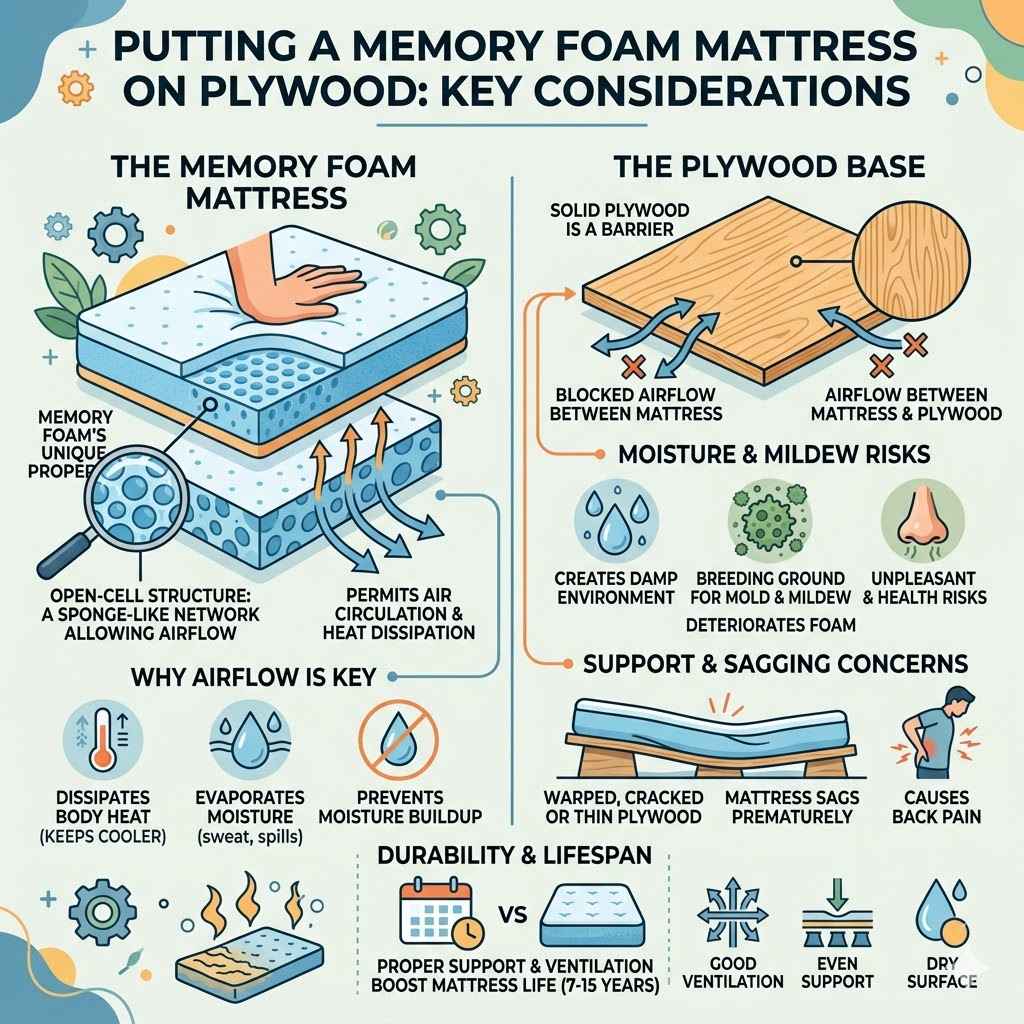
They require good airflow to prevent moisture buildup and to maintain their shape and support over time. Plywood, especially when solid and without ventilation, can sometimes hinder this airflow. This leads to questions about whether it’s a good long-term solution for the mattress’s health and the sleeper’s comfort.
The primary concern revolves around the mattress’s ability to breathe. Memory foam is designed to contour to your body and release heat. If placed on a solid, non-breathable surface like solid plywood, trapped moisture and heat can become an issue.
This might lead to mildew, unpleasant odors, and a decreased lifespan for the mattress. Understanding these potential problems helps explain why the question of Can You Put a Memory Foam Mattress on Plywood? is so important.
Airflow is Key for Memory Foam
Memory foam mattresses are engineered with open-cell structures. This design allows air to circulate freely through the material. This circulation is vital for several reasons.
It helps dissipate body heat generated during sleep, keeping you cooler. It also allows moisture from sweat or spills to evaporate, preventing dampness. When a mattress is placed on a solid surface like plywood without any gaps, this natural airflow is significantly restricted.
The mattress can’t “breathe” effectively.
Moisture and Mildew Risks
Without adequate ventilation, moisture can get trapped between the mattress and the plywood. Over time, this trapped moisture can create a damp environment. Dampness is a breeding ground for mold and mildew.
These can cause unpleasant smells and can even be harmful to your health, especially for those with allergies or respiratory issues. The presence of mold and mildew can also damage the mattress’s internal structure, leading to stains and degradation of the foam.
Support and Sagging Concerns
While plywood can offer a firm base, its effectiveness depends on its condition and the mattress’s density. If the plywood is warped, cracked, or too thin, it may not provide even support. This can lead to uneven pressure points on the mattress, causing it to sag prematurely in certain areas.
A mattress that sags is less comfortable and may not provide the proper spinal alignment, potentially leading to back pain. The consistency of support is as important as the firmness of the base.
Understanding Memory Foam Needs
Memory foam mattresses are quite popular because they mold to your body, providing excellent pressure relief and support. This unique property comes from their material composition and construction. However, these qualities also mean they have specific requirements for the surface they rest on.
Unlike traditional innerspring mattresses that have built-in ventilation through their coils, memory foam needs external airflow.
The density and type of memory foam also play a role. Higher-density foams are generally more durable and can sometimes withstand less-than-ideal bases for a short period. However, even the densest memory foam benefits from proper ventilation.
The goal is to keep the mattress dry, prevent it from overheating, and ensure it maintains its structural integrity and supportive qualities for as long as possible.
Open-Cell Structure Explained
The term “open-cell” refers to the microscopic structure within the memory foam. Imagine a sponge with many tiny interconnected holes. In memory foam, these cells are not completely sealed.
When you apply pressure, like when lying down, the air inside these cells can move to adjacent cells. This cell-to-cell movement is what gives memory foam its slow-response, contouring feel. It also allows for air to move through the mattress, aiding in ventilation.
Heat Dissipation Properties
One common complaint about older memory foam mattresses was their tendency to trap heat. Manufacturers have improved this by creating more breathable foams and incorporating cooling technologies. However, the effectiveness of these cooling features is compromised if the mattress cannot dissipate heat effectively.
A solid plywood base acts like a barrier, preventing heat from escaping the mattress and your body, making the sleep surface feel warmer.
Durability and Lifespan
A memory foam mattress is an investment, and you want it to last. Proper support and ventilation are crucial for its durability. When a mattress is constantly compressed against a non-breathable surface, the foam can break down faster.
This leads to permanent indentations and a loss of supportive qualities. The average lifespan of a good quality memory foam mattress is often between 7-15 years, but this can be significantly reduced with improper care and support.
Assessing Plywood As A Mattress Base
When considering if you can put a memory foam mattress on plywood, it’s important to look closely at the plywood itself. Not all plywood is created equal, and its condition matters a great deal. The type of plywood, its thickness, and whether it has any kind of ventilation are all factors that influence its suitability as a mattress base.
A poorly chosen or prepared plywood surface can lead to problems.
For a memory foam mattress to be comfortable and durable, it needs a supportive and well-ventilated foundation. While plywood can provide firmness, it often lacks the necessary breathability. This section will help you understand the characteristics of plywood that affect its use with memory foam and what to look for to make it work, if possible.
Types of Plywood and Their Suitability
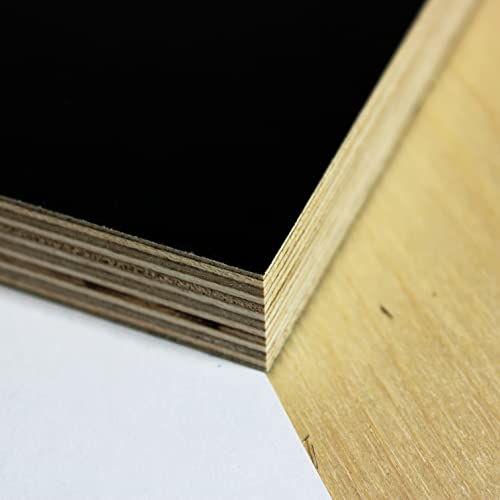
Plywood is made by gluing together thin layers of wood veneer. Different types of wood and construction methods result in various grades and strengths of plywood. For mattress support, you’d typically look for furniture-grade or structural plywood.
The key is stability and resistance to warping. However, the term “plywood” alone doesn’t tell the whole story regarding its suitability for a memory foam mattress.
Consider the core material and the number of plies. More plies generally mean a stronger and more stable panel. Marine-grade plywood is known for its strength and water resistance, but it’s often more expensive.
For a mattress base, the focus should be on flatness, evenness, and the absence of large voids or knots that could create pressure points. Even the best plywood might still need modifications for adequate ventilation.
Plywood Grades and Strength
Plywood comes in various grades, often indicated by letters like A, B, C, and D. Grade A is typically smooth and defect-free, while lower grades have more imperfections. For a mattress base, you want a surface that is smooth and free from splinters or rough patches that could damage the mattress fabric.
Structural plywood, like CDX or BCX, is designed for construction and can be strong, but might have a rougher surface finish that needs sanding.
Thickness and Sagging Potential
The thickness of the plywood is crucial for its ability to support weight evenly. A standard sheet of plywood is usually 1/2 inch or 3/4 inch thick. For a mattress base, 3/4 inch thick plywood is generally recommended for better stability and to minimize sagging.
If the plywood is too thin or unsupported, it can start to bend under the weight of the mattress and sleepers, creating an uneven sleeping surface and stressing the mattress.
Solid vs. Slatted Plywood
A solid sheet of plywood completely covers the base of the bed. This offers maximum surface contact but minimal airflow. On the other hand, cutting a plywood sheet into planks or slats creates a slatted base.
This significantly improves ventilation. If you’re using plywood, transforming it into a slatted base is often the most practical and beneficial approach for your memory foam mattress.
Modifying Plywood For Better Ventilation
If you have a plywood sheet that you want to use as a mattress base, making a few modifications can make a big difference. The main goal is to create spaces for air to flow. This prevents moisture buildup and helps the mattress breathe, extending its life and improving sleep comfort.
Simple adjustments can turn a potentially problematic base into a functional one.
Consider how to introduce gaps. This could involve drilling holes, creating slats, or using a frame design that allows air circulation. These steps are essential to ensure your memory foam mattress performs as intended and remains in good condition.
Drilling Airflow Holes
One common method is to drill a series of holes directly into the plywood sheet. These holes should be spaced evenly across the entire surface. A diameter of 1-2 inches is usually sufficient to allow for adequate air circulation.
You can use a hole saw attachment with a drill for this. Make sure to drill through the entire thickness of the plywood.
Creating a Slatted System
Another effective method is to cut the plywood into several planks or slats. These slats should be spaced apart, typically by 2-4 inches, to allow air to pass through easily. You’ll need to secure these slats to a sturdy frame.
This approach mimics the design of many commercial bed frames and is highly recommended for memory foam mattresses.
Sanding and Finishing
Regardless of the method you choose, it’s important to ensure the plywood surface is smooth. Sand down any rough edges, splinters, or imperfections. This protects the mattress cover from tears and creates a cleaner, more professional look.
You might consider a light sanding with medium-grit sandpaper, followed by a finer grit.
Solutions For Using Memory Foam On Plywood
The question of Can You Put a Memory Foam Mattress on Plywood? often leads to a search for practical solutions. While solid plywood isn’t ideal, there are ways to make it work or to improve your existing setup. These solutions focus on enhancing ventilation and ensuring adequate support for your mattress.
Whether you have a large sheet of plywood or are building a new bed frame, implementing these strategies will help your memory foam mattress last longer and provide the best possible comfort. We’ll cover simple modifications and alternative base ideas.
Plywood With A Breathable Cover
Even if you use a solid sheet of plywood, adding a breathable layer on top can help. This layer acts as a buffer between the plywood and the mattress, improving airflow and protecting both surfaces. It’s a relatively simple fix that can make a significant difference.
A mattress protector or a thin, breathable fabric like cotton or canvas can be placed directly on the plywood before the mattress. This barrier allows some air to circulate and also wicks away moisture, preventing it from directly soaking into the mattress or the plywood.
Using a Mattress Protector
A good quality mattress protector is designed to be waterproof yet breathable. It shields your mattress from spills, stains, and allergens. Many protectors are made from materials that allow air to pass through, preventing heat and moisture from becoming trapped.
When placing your memory foam mattress on plywood, always use a breathable mattress protector over the plywood.
Adding a Fabric Layer
If you don’t have a specific mattress protector, a large piece of breathable fabric can serve a similar purpose. Materials like cotton sheets, a canvas drop cloth, or even a thick quilt can be spread over the plywood. Ensure the fabric is clean and dry.
This layer can help create a small air gap and absorb any minor moisture.
Consider a Bunkie Board
A bunkie board is a thin, flat, often wooden board designed to provide support for a mattress. Many bunkie boards are made with slats or have a ventilated design, making them an excellent alternative or addition to plywood. Placing a bunkie board over your plywood base effectively creates a more breathable and supportive surface for your memory foam mattress.
Ideal Bed Frame Alternatives
While plywood can be a DIY option, commercial bed frames are generally designed with memory foam mattresses in mind. These frames offer superior ventilation and support, ensuring your mattress performs optimally. Investing in a proper frame is often the best long-term solution for mattress health and sleep quality.
Consider frames with a slatted base, a box spring designed for memory foam, or an adjustable base. These options are engineered to meet the specific needs of modern mattresses.
Slatted Bed Frames
Slatted bed frames are a popular choice for memory foam mattresses. They feature numerous wooden or metal slats spaced a few inches apart. This spacing allows for excellent airflow around and underneath the mattress, preventing heat and moisture buildup.
The slats distribute weight evenly, providing consistent support. Ensure the slat spacing is appropriate for your mattress type.
Box Springs For Memory Foam
Traditional box springs have a flexible metal or wooden frame covered with fabric. While some older box springs might be too rigid or lack sufficient airflow, modern box springs are often designed to be compatible with memory foam. Look for “low-profile” or “foundation” style box springs specifically made for foam mattresses.
These typically offer a firmer, more consistent support and better ventilation than older types.
Adjustable Bases
Adjustable bases offer the most versatility. They allow you to elevate the head and foot of your mattress, providing customizable comfort for reading, watching TV, or sleeping. Most adjustable bases are designed with a slatted system or other features that ensure ample airflow, making them an excellent choice for memory foam.
They provide robust support while maintaining breathability.
When Is Plywood Completely Unsuitable
There are situations where using plywood, even with modifications, might not be the best idea for your memory foam mattress. These scenarios usually involve extreme conditions or very poor quality plywood that cannot be salvaged. It’s important to recognize when a different base is absolutely necessary to protect your mattress and ensure a healthy sleep environment.
If your plywood is significantly damaged, warped, or has a very uneven surface, it could cause more harm than good. The goal is always to provide a stable, even, and breathable foundation.
Damaged or Warped Plywood
If the plywood has significant warping, cracking, or is covered in large knots that create an uneven surface, it is not suitable. These imperfections can create pressure points, leading to discomfort and premature wear on the mattress. A warped surface will also cause the mattress to sag unevenly, compromising spinal alignment and reducing the effectiveness of the mattress’s support layers.
Excessive Moisture Exposure
If the plywood has a history of significant moisture exposure, such as from leaks or spills that were not properly dried, it might be compromised. Damp wood can be a breeding ground for mold and mildew. Even if it appears dry on the surface, moisture can linger within the wood’s layers, potentially spreading to the mattress and causing health issues or damage.
Very Thin or Unsupported Plywood
If the plywood is very thin (e.g., less than 1/2 inch) and lacks proper support underneath, it will likely sag under the weight of the mattress and people sleeping on it. This lack of structural integrity defeats the purpose of a supportive base. For a memory foam mattress, consistent, even support is critical, and flimsy plywood cannot provide this.
Statistics on Mattress Support
Research consistently shows that proper mattress support is crucial for longevity and sleep quality. Studies indicate that using a bed frame with adequate support and ventilation can extend a mattress’s lifespan by up to 30%. Furthermore, data from mattress manufacturers reveals that a significant percentage of premature mattress wear (around 40%) is due to improper foundation or lack of ventilation.
A survey conducted by the Sleep Foundation found that 75% of mattress owners reported experiencing better sleep quality when using a bed frame with a slatted design compared to a solid platform. This highlights the importance of airflow.
| Support Type | Average Mattress Lifespan Increase | Reported Sleep Quality Improvement |
|---|---|---|
| Solid Plywood (No Ventilation) | Minimal | Low |
| Plywood With Holes/Slats | Moderate (Up to 15%) | Moderate |
| Slatted Bed Frame | Significant (Up to 30%) | High |
| Adjustable Base | Significant (Up to 30%) | High (Customizable) |
Memory Foam Mattress On Plywood Real-Life Examples
Many people have successfully used plywood as a base for their memory foam mattresses, especially when they’ve taken the right precautions. These examples show how practical solutions can work. It often involves a bit of DIY spirit and a focus on ventilation.
Understanding these real-world scenarios can provide confidence and practical ideas for your own setup. Let’s look at how others have made it work or learned from their experiences.
Case Study 1 A DIY Bedroom Upgrade
Sarah wanted to upgrade her guest room on a budget. She had an old solid wood bed frame that was a bit too low and lacked good airflow. Instead of buying a new frame, she decided to repurpose a large sheet of plywood she had.
She measured the inside of her existing frame and cut the plywood to fit snugly.
However, after reading about memory foam needs, she realized the solid plywood wouldn’t be ideal. So, she took a drill and made about fifty 1.5-inch holes spread evenly across the plywood sheet. She also sanded down all the edges.
On top of this modified plywood, she placed a breathable, waterproof mattress protector. Her new memory foam mattress then went on top. Sarah reported that her guests found the bed very comfortable, and she felt reassured that the mattress was getting enough air.
The total cost for her upgrade was minimal, mostly just for sandpaper and the mattress protector.
This case demonstrates that with simple modifications like drilling holes and adding a protective layer, solid plywood can become a functional base for a memory foam mattress. The key was identifying the need for ventilation and actively creating it.
Case Study 2 The Student Dorm Room Solution
Mark was moving into a dorm room and was provided with a basic bed frame that only had a solid metal base. He purchased a new memory foam mattress for better comfort and support. Concerned about how the solid base would affect his mattress, he looked for solutions.
He found a local hardware store that sold inexpensive wooden slats intended for furniture building. He bought enough to create a slatted surface across his existing bed frame. He spaced them about 3 inches apart, securing them with small brackets and screws.
This created a ventilated platform directly on top of the solid metal base. He then placed his memory foam mattress on this new slatted surface. Mark was pleased because his mattress felt supportive, and he noticed no signs of moisture or heat buildup during his time in the dorm.
This showed how even a limited existing frame could be improved.
This student’s experience highlights an adaptive approach. By adding slats over an existing solid base, he effectively transformed it into a more suitable foundation without replacing the entire bed frame. This is a testament to the flexibility of DIY solutions.
Case Study 3 Learning From Experience
Emily bought a memory foam mattress and placed it directly on a solid piece of plywood that came with a cheap bed frame she purchased. For the first few months, she found the mattress quite comfortable. However, after about six months, she started noticing a faint musty odor.
She also felt like the mattress wasn’t as firm as it used to be, with some slight sinking in the middle.
Upon investigating, she realized the lack of airflow was the problem. Moisture from her body heat and sweat had likely accumulated between the mattress and the solid plywood. This led to the odor and potentially accelerated the breakdown of the foam.
She ended up buying a new bed frame with a slatted design. After the switch, the odor gradually disappeared, and the mattress felt firmer again. Emily learned that while a mattress might seem okay initially on solid plywood, the long-term effects can be detrimental without proper ventilation.
Emily’s experience is a valuable lesson. It underscores that ignoring the ventilation needs of memory foam can lead to issues that are harder and more costly to fix later. It reinforces the importance of proactive measures for mattress care.
Sample Scenarios
Scenario 1: New DIY Bed Frame
You are building a new bed frame from scratch using plywood. You want to ensure it’s perfect for your new memory foam mattress. You plan to use 3/4 inch plywood for the base.
To provide ventilation, you decide to cut the plywood into five 6-inch wide planks. These planks will be spaced 3 inches apart and securely attached to the side rails of your bed frame. This setup will offer both strong support and excellent airflow.
Scenario 2: Upgrading an Existing Platform Bed
You have a platform bed with a solid, non-removable plywood base. You’re concerned about airflow for your memory foam mattress. You decide to purchase a breathable, waterproof mattress protector and use it between the plywood and your mattress.
Additionally, you’ll regularly air out your mattress by lifting it and letting it stand against a wall for a few hours once a month to allow any trapped moisture to dissipate.
Frequently Asked Questions
Question: Can I put a memory foam mattress directly on solid plywood?
Answer: It is not ideal. Solid plywood lacks the necessary airflow that memory foam mattresses need. This can lead to moisture buildup, heat retention, and a reduced lifespan for your mattress.
It’s better to modify the plywood or use a different base.
Question: What is the best way to ventilate plywood for a mattress?
Answer: You can drill numerous holes (1-2 inches in diameter) spaced evenly across the plywood, or cut the plywood into spaced slats. Both methods allow air to circulate underneath the mattress.
Question: How thick should plywood be for a mattress base?
Answer: For better stability and to prevent sagging, 3/4 inch thick plywood is generally recommended. Thinner plywood may not offer adequate support.
Question: Will a mattress protector solve the ventilation issue with plywood?
Answer: A breathable mattress protector helps, but it doesn’t entirely replace the need for airflow through the base. It adds a protective layer and can help wick away moisture, but modifications to the plywood itself are still best for ventilation.
Question: How far apart should slats be on a plywood base?
Answer: For memory foam mattresses, slats should typically be spaced 2-4 inches apart. This allows for good airflow without compromising support. Check your mattress manufacturer’s recommendations.
Summary
So, Can You Put a Memory Foam Mattress on Plywood? Yes, but with important considerations. Ensure proper ventilation by drilling holes or creating slats. Always use a breathable mattress protector.
If your plywood is damaged, choose a slatted frame for best results. Your mattress will thank you with a longer life and better comfort.