Can You Use a Steam Mop on Engineered Hardwood
Many people wonder if using a steam mop on their beautiful engineered hardwood floors is a good idea. It can seem like a quick way to clean, but a little confusion pops up because not all wood floors are the same. Beginners often worry about damaging their investment.
Don’t stress! We’ll break it down super simply, step by step, to show you exactly how to clean your engineered hardwood safely and effectively. Get ready to see your floors shine without any worry!
Steam Mops and Engineered Hardwood Floors
This section explores the relationship between steam mops and engineered hardwood flooring, addressing the common concerns and offering clarity. Understanding the unique properties of engineered hardwood is key to deciding if steam cleaning is appropriate. We will look at why this question arises so often and what makes engineered wood different from other flooring types.
This will set the stage for making informed cleaning choices.
What Is Engineered Hardwood Flooring?
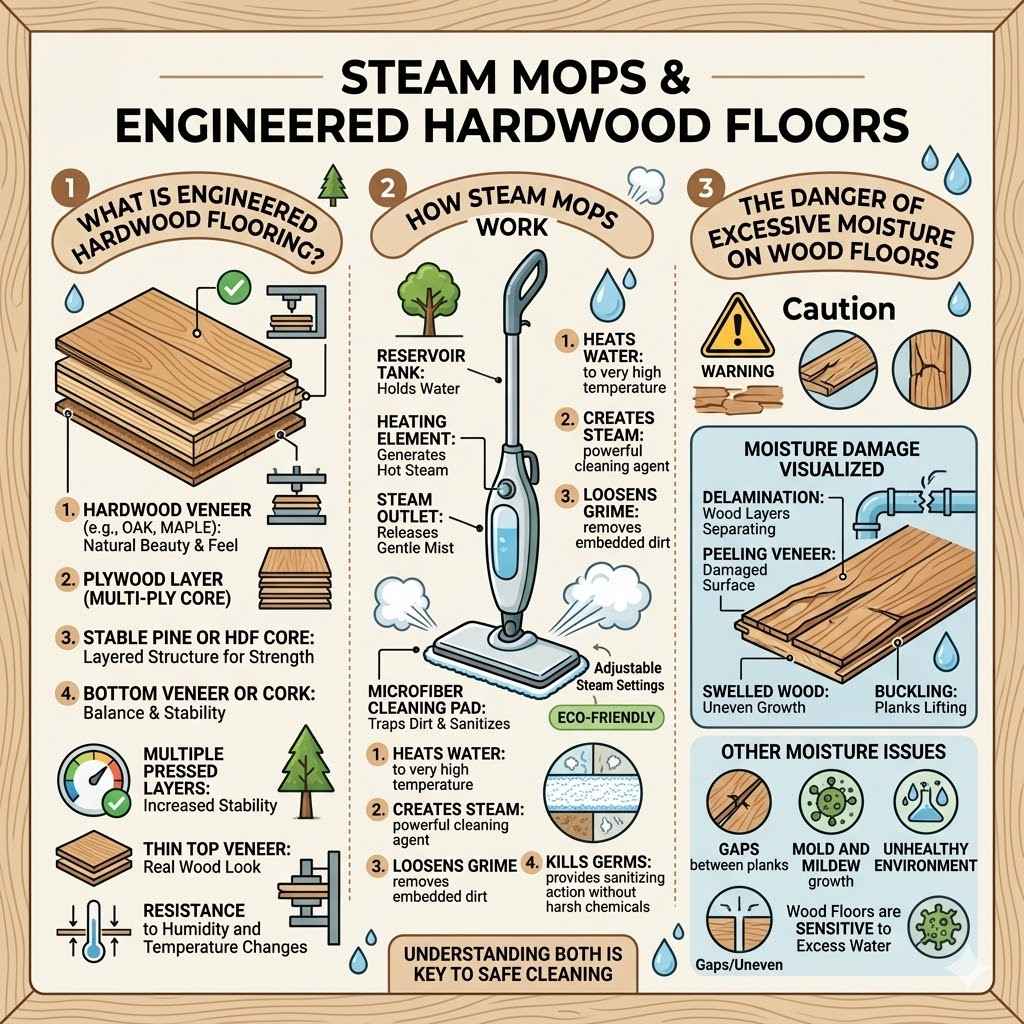
Engineered hardwood flooring is a popular choice for many homes because it offers the look of real wood with added durability. It’s made by layering different materials together. Typically, it has a thin veneer of actual hardwood on top, like oak or maple.
Beneath this top layer are several layers of plywood or high-density fiberboard, all pressed together.
This construction makes engineered hardwood more stable than solid hardwood. It can handle changes in humidity and temperature better. This means it’s less likely to warp or expand.
Because of its layered structure, it’s also sometimes more forgiving to gentle cleaning methods, but harsh ones can still cause damage.
The top hardwood layer gives it the natural beauty and feel of solid wood. The underlying layers provide strength and resistance to moisture. This combination makes it a great option for kitchens, basements, and other areas where solid hardwood might not be ideal.
How Steam Mops Work
Steam mops use the power of hot steam to clean and sanitize surfaces. They work by heating water to a very high temperature, turning it into steam. This steam is then released onto the floor through a cleaning pad.
The heat from the steam can help loosen dirt, grime, and grease. It also has sanitizing properties, killing many common household germs and bacteria without needing harsh chemicals. Most steam mops have a water tank that you fill, and a heating element that warms the water.
Some models have adjustable steam settings, allowing you to control the amount of steam released. This is important because different floor types require different levels of moisture. The steam typically doesn’t leave the floor very wet, as it dissipates quickly.
The cleaning pads on steam mops are usually made of microfiber. Microfiber is excellent at trapping dirt and absorbing any residual moisture. These pads are often washable, making the steam mop an eco-friendly cleaning tool.
The Danger of Excessive Moisture on Wood Floors
Wood floors, including engineered hardwood, are sensitive to moisture. Too much water can seep into the wood layers and cause significant damage. This is a primary reason why many people are cautious about using steam mops.
When excess moisture gets into engineered hardwood, it can cause the layers to separate. This is known as delamination. The top veneer layer might peel away from the core layers, ruining the floor’s appearance and structural integrity.
Excess moisture can also cause the wood to swell. This swelling can lead to buckling, where the floor planks lift and warp. It can also cause the wood to shrink and expand unevenly, creating gaps between the planks.
Furthermore, prolonged exposure to moisture can lead to mold and mildew growth. This not only damages the floor but also creates an unhealthy environment in your home. Therefore, any cleaning method involving water must be done with extreme care.
Can You Use a Steam Mop on Engineered Hardwood? The Verdict
This section directly answers the main question: Can you use a steam mop on engineered hardwood? We will provide a clear answer and explain the conditions under which it might be acceptable, alongside strong warnings about risks. It’s crucial to understand the nuances to protect your flooring.
Understanding Manufacturer Recommendations
Before you even think about using a steam mop, the most important step is to check your engineered hardwood flooring’s manufacturer warranty and cleaning recommendations. Different brands and types of engineered wood have specific guidelines to ensure their products last.
Manufacturers often provide detailed instructions on what cleaning methods are safe and what should be avoided. Some might explicitly state that steam mops are not recommended. Others might give a conditional “yes,” provided certain precautions are taken.
Ignoring these recommendations can void your warranty. If something goes wrong with your floor, and they see evidence of improper cleaning, they might refuse to cover the damage. So, this is your first and most critical research step.
You can usually find this information on the manufacturer’s website, in the documentation that came with your flooring, or by contacting their customer service directly. Always prioritize their advice over general cleaning tips.
When It Might Be Okay (With Extreme Caution)
In some limited cases, and with significant precautions, using a steam mop on engineered hardwood might be possible. This is especially true for high-quality, well-sealed engineered wood floors. However, the keyword here is “caution.”
If the manufacturer allows it, you must use the lowest steam setting available on your mop. You should also ensure the floor is already clean of loose debris to avoid scratching. Never let the mop linger in one spot.
A quick pass over the surface with minimal steam and a microfiber pad is the furthest you should go. The goal is to sanitize and lightly refresh the floor, not to soak it. If your steam mop doesn’t have a low setting, it’s best to avoid it altogether.
The amount of moisture released is critical. If you see water pooling or the floor looking wet for more than a few seconds, stop immediately. This indicates too much steam is being used or the floor is not properly sealed.
The Risks of Using a Steam Mop
Despite the potential for limited use, the risks associated with using a steam mop on engineered hardwood are substantial. It’s vital to be fully aware of these before deciding to proceed.
The primary risk is moisture damage. As discussed, excess water can lead to delamination, where the layers of the engineered wood separate. This is often irreparable and requires replacing the flooring.
Another risk is damage to the finish. The high heat from the steam can potentially break down the protective seal or coating on the wood. This can leave the floor looking dull, bleached, or even cause the finish to bubble or peel.
Warping and buckling are also significant concerns. Even if the damage isn’t immediately obvious, repeated exposure to steam can weaken the wood over time, making it more susceptible to changes in humidity and leading to structural issues.
Finally, if your steam mop doesn’t have a very precise steam control, or if you accidentally use it for too long in one area, you could cause localized damage that is very noticeable and difficult to fix.
Safer Alternatives for Cleaning Engineered Hardwood
Given the risks, exploring safer cleaning methods is essential for maintaining the beauty and longevity of your engineered hardwood floors. This section focuses on proven, gentler techniques that deliver excellent results without the potential for damage.
The Best Method Damp Mopping
Damp mopping is widely considered the safest and most effective way to clean engineered hardwood floors. It involves using a mop that is barely wet, just enough to pick up dust and grime without leaving excess moisture.
To do this, you’ll need a good quality microfiber mop. Dampen the mop head with water or a recommended wood floor cleaner. Then, wring it out thoroughly until it is only slightly damp to the touch.
It should not drip water.
Mop your floors in sections, moving quickly. Avoid letting any standing water sit on the floor. The idea is to wipe away dirt, not to saturate the wood.
You might need to rinse and wring out your mop pad frequently to ensure you’re not spreading dirt.
This method effectively removes everyday dirt, dust, and spills. It also helps to keep your floors looking fresh and new. Because there’s minimal moisture, it greatly reduces the risk of damage like warping or delamination.
Many manufacturers specifically recommend damp mopping. It’s a reliable way to keep your floors clean and protected. Always ensure you are using a cleaner specifically designed for wood floors if you choose to use one.
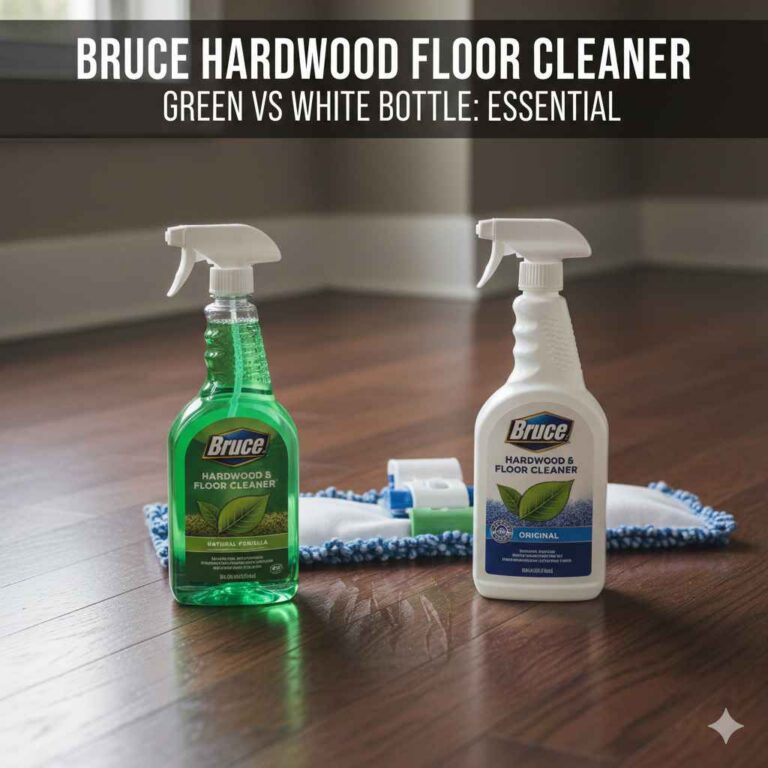
Choosing the Right Wood Floor Cleaner
When you do decide to use a cleaner with your damp mop, selecting the right product is crucial. Not all cleaners are suitable for engineered hardwood.
Look for cleaners that are pH-neutral and specifically formulated for finished wood floors. These cleaners are designed to be effective at lifting dirt without stripping the finish or leaving behind a sticky residue.
Avoid using all-purpose cleaners, ammonia-based cleaners, or anything with harsh chemicals. These can damage the finish and the wood itself. Similarly, oil-based soaps or waxes should be avoided as they can build up over time and make the floor slippery or dull.
Always read the product label carefully to ensure it is safe for your type of flooring. Some cleaners are meant to be diluted with water, while others are spray-and-mop formulas. Follow the manufacturer’s instructions precisely.
A quick test in an inconspicuous area of your floor can also be helpful. Apply a small amount of the cleaner and see how the floor reacts after it dries. This helps confirm it’s a good match.
Dry Cleaning Methods
For daily maintenance, dry cleaning methods are often the best and easiest approach. They remove loose dirt and debris before it can be ground into the floor, preventing scratches and wear.
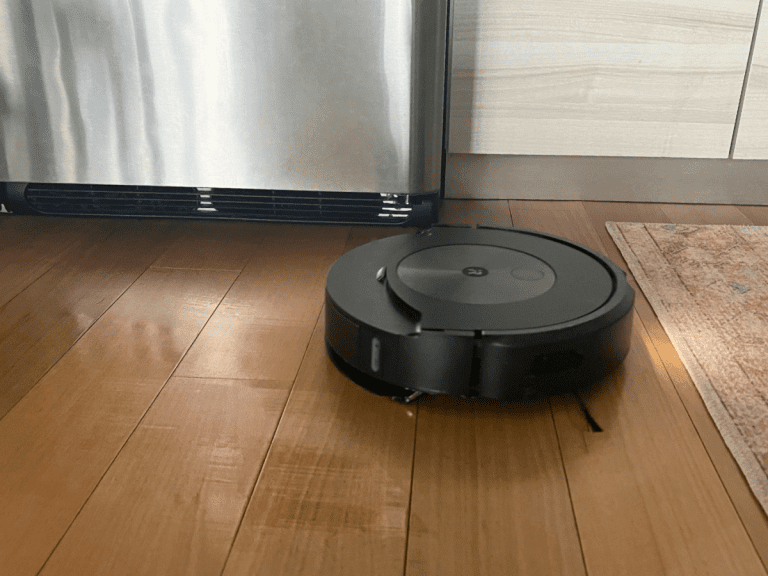
A soft-bristle broom or a vacuum cleaner with a hardwood floor attachment is ideal for this. The key is to use attachments that are designed not to scratch or damage the finish.
Vacuum cleaners specifically made for hard floors typically have a brush roll that can be turned off or a very soft brush. This prevents the spinning brush from scratching the wood surface. Always ensure the vacuum’s wheels are clean and not gritty.
Regular dry cleaning, even daily if needed, significantly reduces the need for wet cleaning. It keeps your floors looking good and prolongs their lifespan by minimizing abrasive wear. This is the gentlest form of cleaning you can perform.
Microfiber dust mops are also excellent for dry cleaning. They are designed to trap dust and fine particles effectively. They are lightweight, easy to use, and don’t require any cleaning solutions.
What If My Manufacturer Allows Steam Mops?
Even if your engineered hardwood manufacturer gives the green light for steam mops, there are still very specific rules to follow. This section details how to use one safely if you have explicit permission.
Using the Lowest Steam Setting
If your manufacturer permits steam mopping, the absolute first step is to set your steam mop to its lowest possible steam output. Many modern steam mops offer adjustable settings for different floor types. Engineered hardwood, even when permitted, generally requires the least amount of steam.
This setting provides just enough heat and moisture to loosen surface dirt without saturating the wood. You are aiming for a very light mist, not a concentrated stream of steam. If your mop does not have a low setting, or if the lowest setting still feels too intense, it’s wise to reconsider or use it very sparingly.
Think of it as a quick refresh rather than a deep clean. The steam should dissipate almost instantly upon contact with the floor. If you notice the floor staying wet for more than a couple of seconds, the steam output is too high.
This cautious approach minimizes the risk of moisture seeping into the wood’s core layers or damaging the protective finish. Always test this lowest setting in an inconspicuous area first to observe its effect.
Quick, Sweeping Motions
When using a steam mop on engineered hardwood, even on the lowest setting, quick, sweeping motions are essential. Do not let the mop head rest or linger in one spot for any length of time.
Move the mop in a steady, forward and backward motion, covering the floor area efficiently. Think of it like you are dry mopping but with a light steam. The goal is to quickly pass over the surface, allowing the steam to do its work momentarily before moving on.
This prevents any single area from absorbing too much moisture or heat. It ensures that the steam is used for its intended purpose of loosening dirt and sanitizing, rather than causing potential damage. A consistent, brisk pace is key.
Work your way across the room systematically. This ensures you don’t miss spots and that you maintain a continuous movement. If you encounter a particularly stubborn spot of dirt, you can make a slightly quicker pass over it, but still avoid dwelling.
Proper Steam Mop Maintenance
Regular maintenance of your steam mop itself is as important as how you use it on your floors. Keeping the mop in good working order ensures it functions correctly and safely.
Always use distilled or demineralized water in your steam mop. Tap water contains minerals that can build up inside the mop, potentially clogging the steam jets and reducing its effectiveness. This mineral buildup can also sometimes be deposited onto your floors, leaving behind a dull film.
Clean or
After each use, empty any remaining water from the tank and allow the mop to air dry completely before storing it. This prevents mold and mildew growth inside the tank and ensures it’s ready for its next use.
Periodically check the steam jets for any blockages. If you notice them looking clogged, you can try gently cleaning them with a small brush or a pin, following your steam mop’s manual for guidance. Proper maintenance guarantees consistent performance.
Comparing Steam Mops vs. Other Cleaning Methods
To fully understand the best approach, let’s compare steam mops to other common cleaning methods for engineered hardwood. This helps highlight why some methods are preferred over others.
Steam Mop vs. Traditional Mop and Bucket
| Feature | Steam Mop (if permitted) | Traditional Mop and Bucket |
|---|---|---|
| Moisture Level | Controlled steam, generally low moisture if used correctly. Risk of excess. | High risk of excess moisture and saturation. |
| Cleaning Power | Sanitizes with heat, loosens dirt. | Relies on cleaner and manual scrubbing. Can spread dirt if water is dirty. |
| Ease of Use | Often lightweight and easy to maneuver. | Can be heavy, requires wringing out, refilling water. |
| Risk to Floors | Moderate to high if used incorrectly or if not permitted. | High risk of water damage, warping, and finish damage. |
| Chemical Use | Generally chemical-free, uses steam. | Often requires cleaning solutions, some can be harsh. |
As the table shows, even when a steam mop is permitted, it carries a higher risk than a traditional mop used carefully. The core issue with a traditional mop and bucket is the difficulty in controlling the water. It’s very easy to leave too much water on the floor, which is detrimental to engineered hardwood.
Steam mops, when used as directed by a manufacturer who allows them, offer a more controlled application of heat and minimal moisture.
However, the fundamental problem with steam mops remains: excessive heat and moisture can still damage engineered wood. The risk of delamination or finish damage is always present if the mop is not used perfectly or if the flooring is not designed to withstand it. Therefore, even if allowed, it’s a method that demands extreme vigilance.
Steam Mop vs. Damp Mop with Microfiber
| Feature | Steam Mop (if permitted) | Damp Mop with Microfiber |
|---|---|---|
| Moisture Level | Controlled steam, low moisture if used correctly. | Very low, controlled moisture. Minimal risk. |
| Cleaning Power | Sanitizes with heat, loosens dirt. | Excellent dirt and dust removal with microfiber. |
| Ease of Use | Requires power, can be simple to operate. | Lightweight, easy to maneuver, quick to use. |
| Risk to Floors | Moderate risk if manufacturer allows and used correctly. | Very low risk, considered the safest method. |
| Chemical Use | Chemical-free. | Can be used with water or specialized wood floor cleaners. |
Comparing a steam mop (even when permitted) to a damp microfiber mop clearly shows why damp mopping is superior for engineered hardwood. The damp microfiber mop offers the most controlled application of moisture. It effectively cleans without introducing excessive heat or steam, which can be problematic for wood products.
Microfiber’s ability to trap dirt and dust is exceptional, making it highly effective for everyday cleaning. It requires less effort and is significantly less risky than any steam-based method. For most engineered hardwood owners, this is the go-to cleaning solution.
The statistics on wood floor damage often point to excessive moisture as a primary culprit. A damp microfiber mop minimizes this risk to near zero, especially when used with proper technique. This method preserves the integrity and appearance of your floors for years to come.
Real-Life Scenarios and Expert Advice
Seeing how these cleaning methods play out in real situations can provide valuable insight. Here are some examples and what experts suggest to keep your engineered hardwood looking its best.
Scenario 1 A Spill Emergency
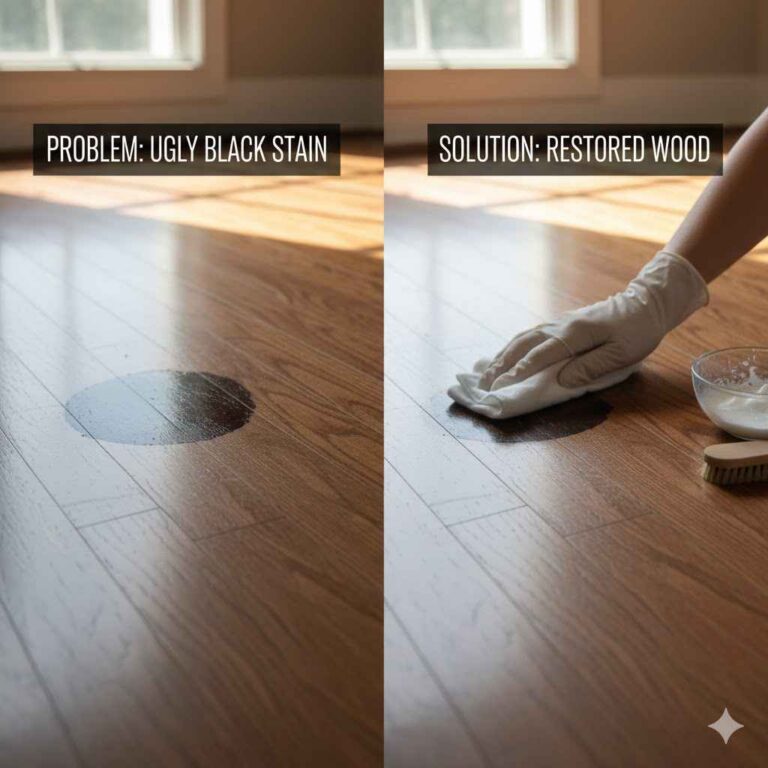
Imagine you accidentally spill a cup of juice on your engineered hardwood floor. Panic might set in, thinking about how to clean it quickly without causing damage.
Expert Advice: In such an emergency, the immediate action should be to grab a clean, dry cloth or paper towel and blot up as much of the spill as possible. Don’t wipe, as this can spread the liquid. Once the bulk of the liquid is removed, use a slightly damp microfiber cloth to gently wipe the area clean.
Follow immediately with a dry cloth to ensure no moisture remains. This quick response prevents the liquid from seeping into the wood and causing stains or structural damage.
Using a steam mop in this scenario would be a bad idea. The concentrated heat and steam could potentially set the stain or cause localized damage to the finish and wood layers. A simple, immediate damp cloth is the safest and most effective solution.
Scenario 2 Daily Cleaning Routine
Your daily routine involves keeping your floors clean from everyday dust, pet hair, and tracked-in dirt. You’re looking for an efficient and safe way to do this.
Expert Advice: A daily sweep with a good quality dust mop or a vacuum with a hardwood floor setting is ideal. These methods effectively remove surface debris without any moisture or risk of scratching. If you notice areas that need a bit more attention, use a slightly damp microfiber mop with just water.
This keeps your floors looking fresh without the risk of water damage. For engineered hardwood, consistency with dry cleaning is key to preventing the need for more intensive, potentially risky cleaning.
Trying to use a steam mop daily would likely be excessive and increase the risk of damage over time, even if initially permitted. The long-term health of your floors is best served by gentle, consistent dry or very lightly damp cleaning.
Scenario 3 Deep Cleaning
There are times when your floors might look a bit dull, and you want to give them a deeper clean. You might be tempted by the idea of steam cleaning for a powerful refresh.
Expert Advice: For a deeper clean, stick to using a recommended wood floor cleaner with a damp microfiber mop. Follow the product instructions carefully, ensuring you use the correct dilution and wring the mop out thoroughly. Work in small sections, moving quickly and drying any damp areas with a clean, dry microfiber cloth afterwards.
This method will lift grime and restore shine without the moisture and heat risks associated with steam mops. If the manufacturer explicitly permits steam, ensure you use the lowest setting and very brief passes.
Most flooring professionals will tell you that the inherent risks of steam mops often outweigh their perceived benefits for engineered hardwood. The safest route is always the most conservative cleaning approach that effectively removes dirt.

Frequently Asked Questions
Question: Is it safe to use a steam mop on all engineered hardwood floors?
Answer: No, it is not safe to use a steam mop on all engineered hardwood floors. Many manufacturers advise against it due to the risk of moisture damage. Always check your specific flooring’s warranty and recommendations first.
Question: What is the biggest risk of using a steam mop on engineered wood?
Answer: The biggest risk is moisture damage, which can lead to delamination (layers separating), warping, buckling, and damage to the floor’s finish.
Question: What is the best alternative to steam mopping engineered hardwood?
Answer: The best alternative is damp mopping with a microfiber mop. Use a mop that is only slightly damp, not wet, and wring it out thoroughly before cleaning.
Question: Can I use a steam mop if my warranty allows it?
Answer: Yes, but only with extreme caution. Always use the lowest steam setting, make quick sweeping motions, and ensure the floor does not remain wet. Regular maintenance of the steam mop is also crucial.
Question: How often should I dry mop my engineered hardwood floors?
Answer: For best results, dry mop or vacuum your engineered hardwood floors daily or at least a few times a week. This removes loose debris and prevents scratches.
Wrap Up
When considering if you can use a steam mop on engineered hardwood, the answer leans heavily towards caution. While some manufacturers may permit it under strict conditions, the risks of moisture damage, finish degradation, and warping are significant. Opting for safer cleaning methods like regular dry mopping and occasional damp mopping with a well-wrung microfiber mop will better protect your floors, ensuring their beauty and longevity.