Can You Use Bona Hardwood Cleaner on Tile
Have you ever looked at your Bona hardwood floor cleaner and then at your tile floors and wondered if you could use it on both? Many people start cleaning their homes and get a little confused about which products work on what surfaces. It’s a common question for beginners.
You want to make sure you clean effectively without damaging your beautiful floors. Don’t worry, finding the right cleaner for your tile is simpler than you think. We’ll break down exactly what you need to know, step by step.
Understanding Hardwood Cleaners and Tile Surfaces
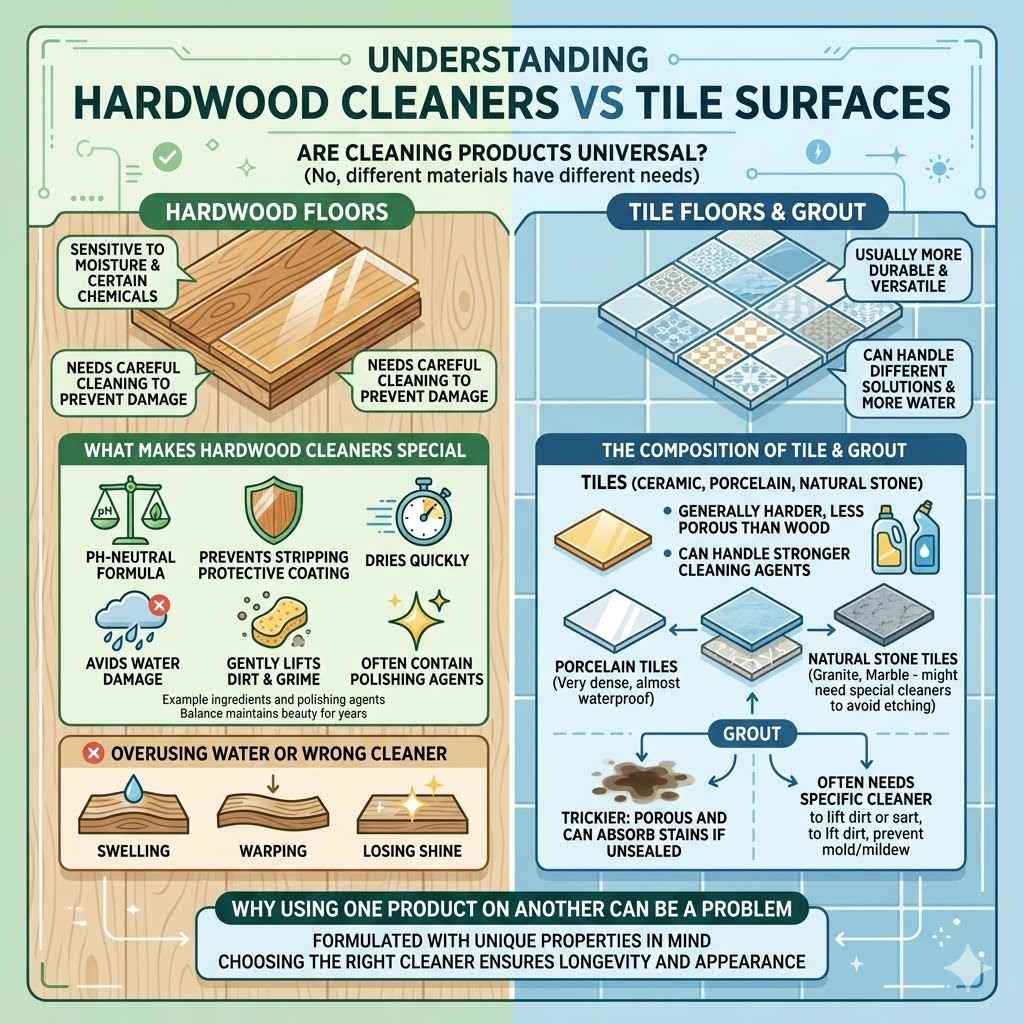
Many cleaning products are made for specific floor types. This is because different materials have different needs. Hardwood floors are sensitive to moisture and certain chemicals.
Tile floors, on the other hand, are usually more durable and can handle different cleaning solutions. Understanding these differences helps you choose the right cleaner for each job. This section will explain why using a product meant for one surface on another can sometimes be a problem.
What Makes Hardwood Cleaners Special
Hardwood floor cleaners are designed to clean wood without leaving streaks or damaging the finish. They usually have a pH-neutral formula. This means they are not too acidic or too alkaline.
This prevents them from stripping the protective coating off your hardwood. They also dry quickly to avoid water damage to the wood. Overusing water or the wrong cleaner can cause wood to swell, warp, or lose its shine.
For example, many hardwood cleaners contain ingredients that gently lift dirt and grime. They often have polishing agents to keep the wood looking its best. Some might even have a slight scent that makes your home smell fresh.
The key is that they are formulated with the unique properties of wood in mind. This careful balance helps maintain the integrity and beauty of your hardwood floors for years to come.
The Composition of Tile and Grout
Tile floors, whether they are ceramic, porcelain, or natural stone, are generally much harder and less porous than hardwood. They are designed to withstand more wear and tear. This means they can usually handle stronger cleaning agents and more water.
The grout between tiles can be a bit trickier. Grout is porous and can absorb stains if not sealed properly. Different types of tile also have different sealing requirements.
Porcelain tiles are very dense and almost waterproof. Ceramic tiles are also very durable. Natural stone tiles like granite or marble might need special cleaners to avoid etching or discoloration.
Grout often needs a specific cleaner to lift embedded dirt and prevent mold or mildew. The durability of tile means it can often tolerate a wider range of cleaning solutions than wood.
Can You Use Bona Hardwood Cleaner on Tile
This is the big question! So, can you use Bona hardwood cleaner on tile? The short answer is usually no, it’s not recommended.
Bona hardwood cleaner is specifically formulated for wood floors. Its ingredients are chosen to protect wood finishes and prevent damage. Tile is a different material altogether and has different cleaning requirements.
Using a product designed for wood on tile might not clean your tile effectively. It could even leave a residue or dull the shine.
Think of it like using shampoo on your body; it might clean you, but it’s not designed for that and might have unintended effects. Bona’s formula aims to preserve the natural look and feel of wood. Tile, on the other hand, benefits from cleaners that can tackle tougher grime and mineral deposits without harming its surface.
Therefore, sticking to cleaners made for each specific floor type is the best way to keep them looking their best.
Why Bona Hardwood Cleaner Isn’t Ideal for Tile
Bona hardwood cleaner contains specific ingredients to protect wood. These might include mild solvents or conditioning agents. When used on tile, these ingredients might not lift dirt effectively.
They could also leave a film. This film can make your tile look dull or even slippery. This is because tile surfaces are not designed to interact with the conditioning agents found in wood cleaners.
The residue left behind can attract more dirt. This means your tile floors might get dirty faster. Also, the cleaning power might not be strong enough for the types of grime that accumulate on tile, like soap scum or hard water stains.
For effective tile cleaning, you need a product that can break down these specific types of soil without leaving unwanted coatings.
What Happens If You Use It Anyway
If you accidentally use Bona hardwood cleaner on your tile, it’s unlikely to cause immediate, severe damage, especially if you only do it once. However, repeated use can lead to problems. You might notice your tile floors becoming duller.
They could also feel sticky or look streaky. The grout lines might not get as clean as they should. This is because the cleaner is not formulated to address grout issues.
You might need to do an extra cleaning pass with a dedicated tile cleaner to remove any residue left behind. It’s always best to check the product label for the intended use. If it says “for hardwood floors only,” then it’s best to keep it away from your tile.
This simple check can save you a lot of cleaning trouble down the road.
The Best Cleaners for Your Tile Floors
Now that we know Bona hardwood cleaner isn’t the best choice for tile, let’s talk about what is. There are many excellent tile cleaners available. They are made to tackle the specific needs of tile and grout.
Choosing the right one will make your floors shine. It will also help prevent damage and keep them looking new for longer.
General Tile Cleaner Options
For most ceramic and porcelain tile, a simple, pH-neutral cleaner is often the best. Many everyday floor cleaners work well. Look for products that specify they are safe for tile floors.
These cleaners are designed to lift dirt and grime without damaging the tile glaze. They usually rinse away cleanly, leaving no residue.
You can also make your own effective tile cleaner. A mixture of warm water and a little bit of dish soap can work wonders for everyday cleaning. For tougher jobs, adding a splash of white vinegar to the water can help cut through grease and grime.
Just be sure to rinse thoroughly afterward. Always test any new cleaner in an inconspicuous spot first.
Specialized Cleaners for Different Tile Types
Natural stone tiles, like marble, granite, or travertine, require special care. These stones are more porous and can be easily etched or stained by acidic or alkaline cleaners. For these surfaces, you need a cleaner specifically designed for natural stone.
These are typically pH-neutral and contain gentle cleaning agents.
For grout, you might need a separate cleaner. Grout can absorb spills and become discolored. A good grout cleaner will lift stains and brighten the grout lines.
Many are designed to be used with a scrub brush. Some are foaming cleaners that penetrate deep into the grout pores. Always check the product label to ensure it’s safe for your specific type of grout and tile.
How to Clean Tile Floors Effectively
Cleaning tile floors doesn’t have to be difficult. With the right tools and techniques, you can achieve sparkling results. This section will guide you through the process, from sweeping to mopping, ensuring your tile looks its best.
Step-by-Step Tile Cleaning Guide
First, always start by sweeping or vacuuming your tile floors. This removes loose dirt, dust, and debris. This prevents you from just pushing dirt around with your mop.
Use a soft-bristle broom or a vacuum cleaner with a hard floor setting.
Next, prepare your cleaning solution. Mix your chosen tile cleaner with water according to the product instructions. Or, use your DIY solution.
Fill a bucket with the mixture. Then, dip your mop into the bucket. Wring out the mop thoroughly so it’s damp, not dripping wet.
Excess water can damage grout and take a long time to dry.
Mop the floor in sections. Work from the farthest corner of the room towards the exit. This way, you won’t step on the freshly cleaned areas.
Rinse your mop frequently in the bucket. Change the cleaning water if it becomes dirty. This ensures you’re cleaning with fresh solution.
After mopping, allow the floors to air dry completely. If you have very stubborn spots or stains, you might need to use a scrub brush. Work on these spots before or after mopping.
For tough grout stains, a dedicated grout cleaner and a small brush can be very effective.
Tips for Tackling Stubborn Stains and Grout
For tough stains on tile, sometimes a paste of baking soda and water can work wonders. Apply the paste to the stain, let it sit for a few minutes, then gently scrub with a soft brush or cloth. Rinse thoroughly.
For soap scum on shower tiles, a solution of equal parts white vinegar and water can be very effective. Spray it on, let it sit for a few minutes, then scrub and rinse.
Cleaning grout can be a bit more challenging. If you have stained grout, consider using a specialized grout cleaner. These cleaners often contain bleach or other agents to lift discoloration.
Always follow the safety instructions and ensure good ventilation when using strong cleaners. After cleaning, consider sealing your grout. This will help prevent future stains and make cleaning easier.
Maintaining Your Clean Tile Floors
Keeping your tile floors clean is easier if you do a little bit of maintenance regularly. Sweep or vacuum your floors a few times a week to pick up dust and debris. This prevents dirt from becoming ground into the tile and grout.
Wipe up spills immediately. This is especially important for liquids like juice, wine, or anything that can stain. For everyday cleaning, a quick damp mop with plain water or a very mild cleaner can keep your floors looking fresh between deeper cleanings.
This routine maintenance will save you time and effort in the long run and keep your tile looking beautiful.
Comparing Bona Hardwood Cleaner vs. Dedicated Tile Cleaners
To truly understand why using the right product matters, let’s compare Bona hardwood cleaner with cleaners specifically made for tile. This comparison highlights the different formulations and purposes of each type of cleaner.
Bona Hardwood Cleaner Composition
Bona hardwood cleaner is formulated with the needs of wood in mind. Its primary goal is to clean wood without damaging its finish. This means it has a mild pH, typically neutral, to avoid stripping protective coatings.
It often contains water-based solutions that dry quickly. This is crucial for preventing wood from absorbing excess moisture, which can lead to swelling or warping.
Some Bona products may also include ingredients that enhance the natural sheen of wood or provide a light polish. These agents might leave a residue on non-wood surfaces. The cleaning agents are generally gentle, focusing on lifting light dirt and grime common on high-traffic wood floors.
Its fragrance is usually subtle and designed to leave a fresh, clean scent without being overpowering.
Dedicated Tile Cleaner Composition
Tile cleaners are designed for the unique properties of ceramic, porcelain, and natural stone. They often have a stronger cleaning capability to tackle tougher messes like grease, grime, soap scum, and hard water spots. Depending on the tile type, these cleaners can range from pH-neutral formulas for natural stone to slightly more alkaline solutions for durable porcelain.
They are formulated to rinse cleanly, leaving no sticky residue that can attract more dirt on tile surfaces. Some tile cleaners also have specific ingredients to address grout. They might include mild abrasives or agents that brighten grout lines.
The focus is on efficacy in removing embedded dirt and restoring the tile’s shine without dulling its glaze.
A Quick Comparison Table
| Feature | Bona Hardwood Cleaner | Dedicated Tile Cleaner |
|---|---|---|
| Primary Use | Hardwood floors | Ceramic, porcelain, natural stone tile |
| pH Level | Typically neutral | Varies (neutral to slightly alkaline) |
| Moisture Sensitivity | Low moisture formula needed | Can tolerate more moisture, but still requires proper drying |
| Residue | May leave residue on non-wood surfaces | Designed to rinse clean with no residue |
| Cleaning Power | Gentle cleaning for wood | Stronger cleaning for tougher tile messes |
| Grout Cleaning | Not designed for grout | Some formulas specifically address grout |
As you can see, the formulations are quite different. Using Bona hardwood cleaner on tile is like trying to use a delicate silk scarf to scrub a cast iron pan; it’s not designed for the task and likely won’t do a good job. Conversely, using a strong tile cleaner on hardwood could strip its finish and cause damage.
It’s always best to match the cleaner to the material.
Real-Life Scenarios and Best Practices
Let’s look at some common situations where people might be tempted to use their hardwood cleaner on tile and what the best approach is. These examples should help solidify the advice given.
Scenario 1 The Kitchen Floor Dilemma
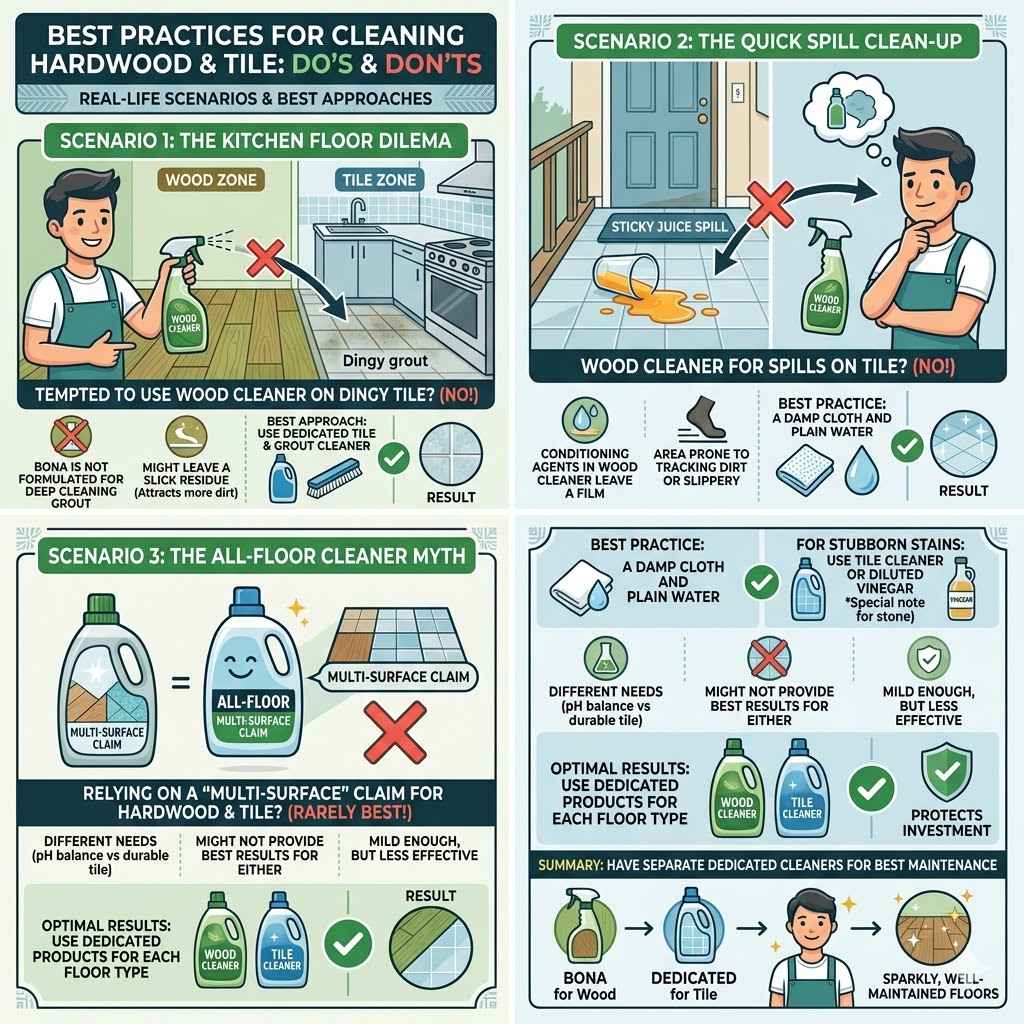
Imagine you have a kitchen with both hardwood floors in one area and tile floors in another, perhaps around the sink or stove. You just finished cleaning your hardwood with Bona and have some left in the spray bottle. Your tile grout looks a little dingy.
It’s tempting to just give the tile a quick spray with the Bona cleaner to save time or a trip to get another product.
However, this is where you should resist the temptation. The Bona cleaner, while effective on wood, is not formulated to deep clean grout. It might leave a slick residue on the tile that attracts more dirt.
A better approach is to have a separate spray bottle with a dedicated tile and grout cleaner. For the grout, a small scrub brush and a specialized cleaner will lift the grime much more effectively than a hardwood cleaner.
Scenario 2 The Quick Spill Clean-Up
You accidentally spill some juice on your entryway tile. Your hardwood floors are nearby, and you have a bottle of Bona hardwood cleaner handy. You might think, “It’s just a cleaner, it’ll get the sticky juice off.” While it might remove the immediate stickiness, Bona’s conditioning agents could leave a slight film on the tile.
This film can make the area more prone to tracking in dirt or becoming slippery.
The best practice here is to grab a damp cloth and some plain water for a quick spill. If it’s a more stubborn stain, use a dedicated tile cleaner or even a diluted vinegar solution (if your tile is not natural stone sensitive to acid). This ensures you clean the tile effectively without introducing unwanted residues.
Scenario 3 The ‘All-Floor’ Cleaner Myth
Sometimes, people look for an ‘all-floor’ cleaner to simplify their cleaning routine. While some products might claim to be multi-surface, it’s important to read the labels carefully. A product that is truly safe and effective for both hardwood and tile is rare because their cleaning needs are so different.
Many ‘all-floor’ cleaners are actually mild enough for both but might not provide the best results for either.
For optimal results, it’s generally best to use products specifically designed for each floor type. This ensures you are using the most effective cleaning agents for the job and protecting your investment in your beautiful floors. Having a separate Bona for wood and a dedicated cleaner for tile is the most reliable way to maintain them.
Frequently Asked Questions
Question: Can I use Bona hardwood cleaner on laminate floors?
Answer: While some laminate floors can handle pH-neutral cleaners, Bona hardwood cleaner is specifically formulated for wood. It’s best to check the manufacturer’s recommendations for your laminate flooring. Some specialized laminate floor cleaners are available that might be a better choice.
Question: Will Bona cleaner damage my tile if I use it once?
Answer: It’s unlikely to cause severe, permanent damage if used just once and wiped up quickly. However, it’s not ideal. It might leave a residue or not clean as effectively as a dedicated tile cleaner, potentially dulling the finish over time with repeated use.
Question: What is the best DIY cleaner for tile floors?
Answer: A simple mixture of warm water and a few drops of dish soap is great for everyday cleaning. For tougher grime, equal parts white vinegar and warm water can be effective, but always test on an inconspicuous area first, especially if you have natural stone tile.
Question: How often should I clean my tile floors?
Answer: For most homes, sweeping or vacuuming a few times a week is sufficient. Mopping can be done weekly or bi-weekly, depending on foot traffic and how dirty the floors get. More frequent cleaning might be needed in high-traffic areas or after spills.
Question: Are there any Bona products safe for tile?
Answer: Bona offers a range of cleaning products. While their primary hardwood cleaner is not for tile, they may have other specialized cleaners for different surfaces. It’s always best to check the specific product label to ensure it’s recommended for tile.
Summary
You absolutely cannot use Bona hardwood cleaner on tile. It’s made for wood. Tile needs different cleaners.
Using the wrong product can leave residue or not clean properly. Always pick cleaners made for your specific floor type. This keeps your floors looking great.