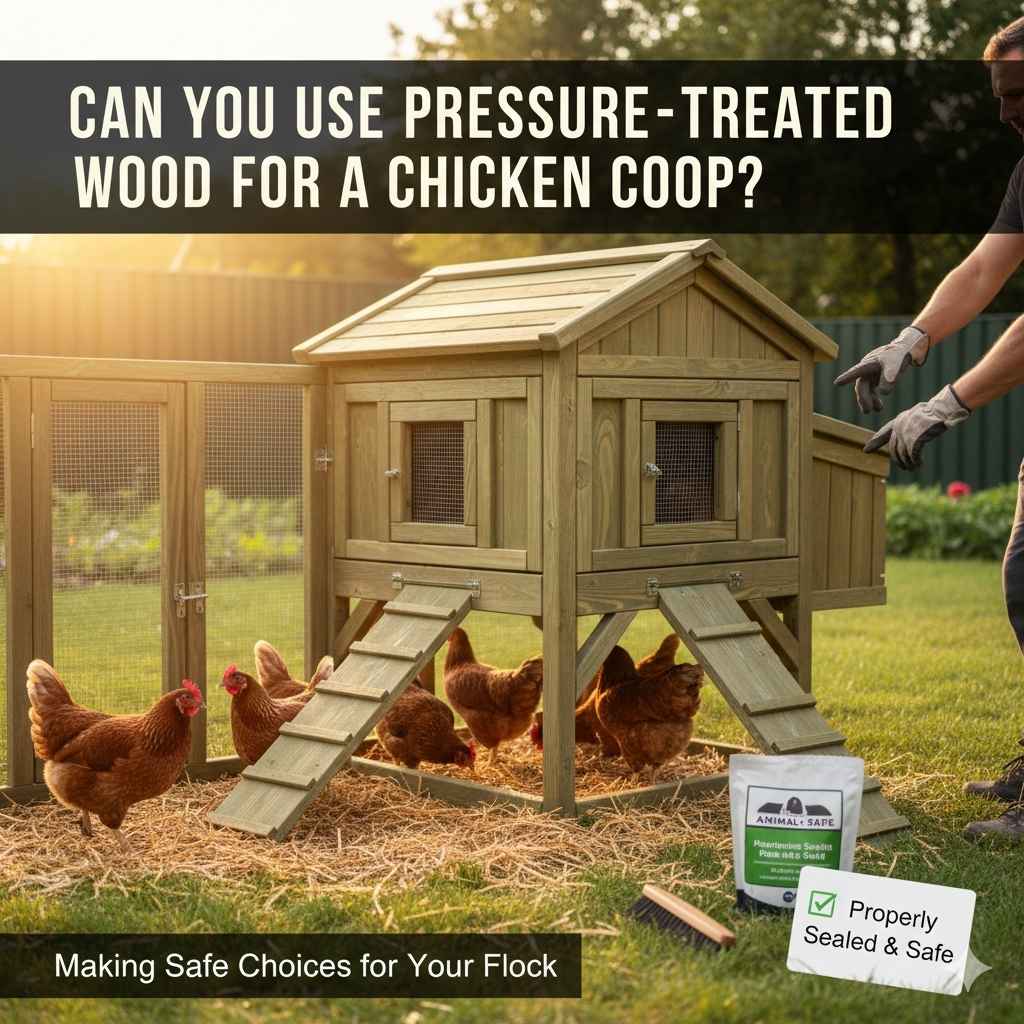
Can You Use Pressure-Treated Wood for a Chicken Coop?
Building a chicken coop is fun! But one question keeps popping up: Can You Use Pressure-Treated Wood for a Chicken Coop? It’s a tricky question because pressure-treated wood sounds strong, but it also has chemicals. Don’t worry, figuring this out doesn’t have to be hard. This post will help you understand all the facts so you can make the right choice for your feathered friends. We’ll go step-by-step to explain everything, starting with what pressure-treated wood is all about.
What Exactly Is Pressure-Treated Wood?
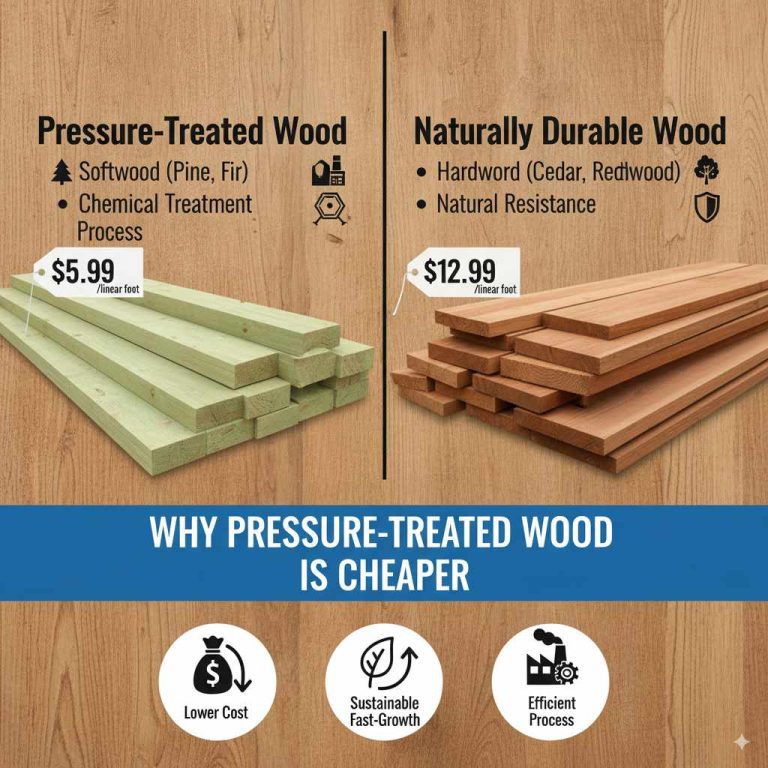
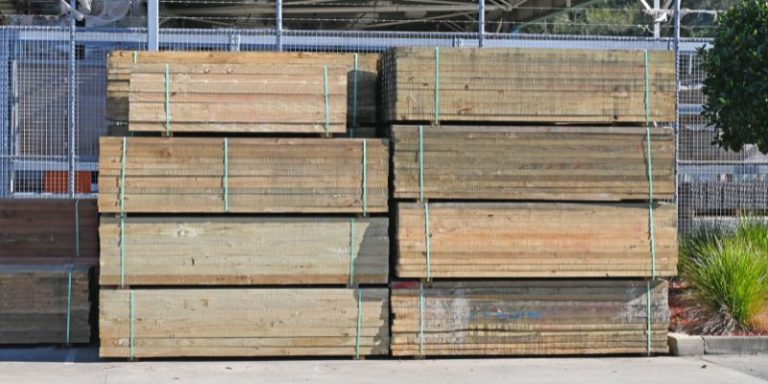
Pressure-treated wood is wood that has been put through a special process. First, the wood gets placed in a big tank. Then, a preservative chemical is forced deep into the wood under high pressure. This makes the wood last longer and resist things like rot, insects, and harsh weather. It’s super common for outdoor projects because it can handle rain, sun, and whatever else nature throws at it. You’ll see it in decks, fences, and even playground equipment.
But the chemicals used in the process can be a worry, especially if you have pets or kids. The main chemicals used to be arsenic-based, but now, most pressure-treated wood uses copper-based preservatives. These newer types are considered safer, but still require careful handling. Knowing what these chemicals are is important to figure out if it is the best fit for your coop project.
How Pressure-Treated Wood Gets Its Strength
The strength of pressure-treated wood comes from the preservative chemicals that get pushed into the wood fibers. The type of wood also matters, of course. Softwoods like pine are common because they absorb the preservatives easily. Hardwoods are often denser and less receptive to the treatment process.
- The Pressure Process: This involves placing the wood in a closed cylinder. Then, a vacuum sucks out the air from the wood cells, and the preservative chemical is added under pressure.
- Chemicals Used: These preservatives are usually copper-based. Different types of copper-based treatments exist, such as ACQ (Alkaline Copper Quaternary) and CA-B (Copper Azole).
- Wood Type Matters: Softwoods like Southern Yellow Pine are popular because they readily absorb the preservative.
- Why It Works: The preservatives make the wood resistant to rot and insect damage. They protect the wood from the things that would normally break it down over time.
- Safety Considerations: While the preservatives are effective, it’s key to use the treated wood in the right way and prevent the chemicals from leaching out.
Consider the process like giving the wood a superhero shield. The wood itself is the hero, but the preservatives are the special powers that protect it. Without these powers, the wood wouldn’t last long outside, exposed to the elements. Now, you’ll have a better picture of what it’s all about and how it becomes such a great building material.
Chemicals and Their Impact on Chickens
The preservatives in pressure-treated wood are designed to kill things that might damage wood, like rot-causing fungi or insects. The problem is that these chemicals can also be harmful to chickens. If the chickens peck or ingest the wood, they might get sick because of the chemicals. These chemicals may include copper-based compounds like copper azole (CA) or alkaline copper quaternary (ACQ).
- Ingestion Risks: Chickens often peck at things. If they ingest wood treated with harmful chemicals, it can lead to health problems.
- Leaching Concerns: When the wood gets wet, the chemicals can leach out. This means they can seep into the soil and potentially contaminate the area.
- Vapor Inhalation: Some chemicals can release vapors. If the coop is enclosed and the vapors build up, it can impact the chickens’ breathing.
- Environmental Factors: Extreme heat or sunlight can speed up the breakdown of the wood and the release of chemicals.
While modern pressure-treated wood is designed to be safer, it is still crucial to think about your chickens’ health. Even low-level exposure over time can build up. This is why many chicken keepers try to steer clear of using pressure-treated wood, or they take extra precautions.

Making the Right Choice: Wood for Your Coop
Choosing the right wood for your chicken coop is really important. You want something strong enough to withstand the weather and hold up well over time. At the same time, you want something that’s safe for your chickens. This is especially key if you’re wondering, Can You Use Pressure-Treated Wood for a Chicken Coop? You’ll need to think about what the coop will be used for and where it will be placed.
Wood is a popular choice for chicken coops because it’s easy to work with and looks nice. However, not all wood types are the same. Some are naturally resistant to rot and bugs. Others will need a little help to last. Knowing the differences can help you pick the best wood.
Alternatives to Pressure-Treated Wood
If you’re unsure about using pressure-treated wood, there are other choices that are often better for chicken coops. These options offer a good mix of durability and safety. Some types of wood are naturally resistant to rot and insects. Others can be treated with safer, less toxic methods. They might require a bit more upkeep, but they can be a great option for your coop project.
- Cedar and Redwood: These woods have natural oils that repel bugs and water. They are known for their durability and beautiful appearance.
- Untreated Lumber: This includes wood like pine, fir, or spruce. You can protect this wood with a non-toxic sealant or paint.
- Composite Wood: Made from recycled materials, it resists rot and requires very little maintenance.
- Exterior-Grade Plywood: Plywood is great for the coop walls and other flat surfaces, but it must be sealed to protect against the weather.
- Metal Framing: For a super durable structure, consider metal framing with wood or composite siding.
You can find many choices to construct a safe and secure coop for your chickens. Choosing the right materials is the first step in ensuring a long-lasting and safe home for your flock. Take into account your budget and the amount of work you are comfortable doing.
Considering the Coop’s Location and Function
Where you place your coop and what you intend to do with it will impact the best wood choice. For a coop that’s out in the open and exposed to weather, you will need wood that can handle the elements. Think about the climate in your area. Is it wet? Does it get extreme temperatures? This will impact the best materials. Also, consider the size of the coop and how many chickens you’ll have. This determines how much wood you’ll need and the type of construction that’s best.
- Location, Location, Location: A coop placed in a shady spot will be less exposed to the elements, which can extend the life of your wood. A coop in a wet area will need extra protection.
- Climate Conditions: In areas with heavy rain or snow, use materials that resist moisture. In areas with high heat, consider how the wood might warp or break down.
- Coop Size and Design: A bigger coop needs more wood, and the design influences what types of wood will work best. For example, a raised coop needs strong support posts.
- Safety Features: Make sure the wood is safe for your chickens. Avoid any wood that might have chemicals that can be harmful.
- Maintenance Plans: Consider how much time you are ready to spend on keeping your coop in good shape. Some woods require more frequent sealing or painting.
By considering these factors, you can build a coop that’s well-suited to your needs and keeps your chickens safe and healthy. This will lead to a better coop experience overall. Now, we’re building toward the answer to: Can You Use Pressure-Treated Wood for a Chicken Coop?
Using Pressure-Treated Wood: Precautions and Tips
If you decide to use pressure-treated wood, it’s really important to take extra care. You need to keep your chickens safe and avoid the potential risks. Proper handling and construction techniques can help reduce the dangers.
While the chemicals in pressure-treated wood can be a problem, there are ways to reduce the risk. Choosing the right type of pressure-treated wood, proper construction techniques, and regular maintenance can go a long way in ensuring your chickens’ safety. It’s all about knowing the risks and how to manage them.
Choosing the Right Pressure-Treated Wood
Not all pressure-treated wood is created equal. Some types have more chemicals than others. Modern types tend to use less harmful preservatives. When you’re at the store, look for wood that’s labeled as safe for ground contact or above-ground use. Wood meant for ground contact often has stronger chemical treatments, which can pose a higher risk.
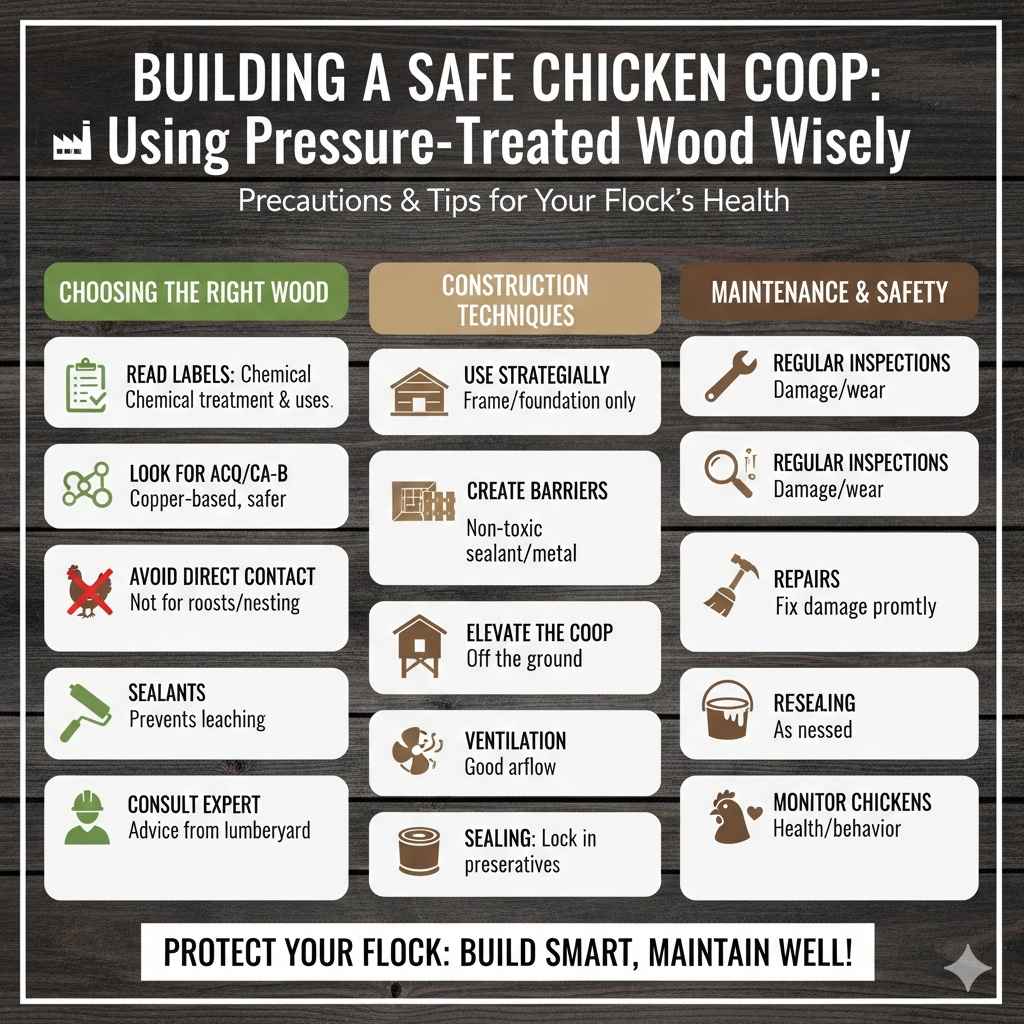
- Read the Label: Check the label for information on the chemical treatment used and its intended uses.
- Look for ACQ or CA-B: These copper-based treatments are often considered safer than older formulations containing arsenic.
- Avoid Direct Chicken Contact: Don’t use pressure-treated wood for surfaces your chickens might peck at, like roosts or nesting boxes.
- Check for Sealants: Some types of pressure-treated wood come with a sealant to help prevent leaching.
- Consult an Expert: Ask a lumberyard expert for advice on the best type of pressure-treated wood for your project.
Selecting the correct type of wood helps reduce potential harm to your chickens. The idea is to make choices that will keep your chickens safe and your coop long-lasting. By being careful, you can make informed decisions and build a great coop.
Construction Techniques to Minimize Risk
How you build your coop can reduce the dangers of pressure-treated wood. The main goal is to keep the chickens away from direct contact with the wood and prevent chemical leaching. This means smart design and careful building techniques are essential.
- Use It Strategically: Only use pressure-treated wood for the frame or foundation, not for areas where chickens might peck or rest.
- Create Barriers: Cover any areas of treated wood that chickens can access with a non-toxic sealant, paint, or a durable material like metal.
- Elevate the Coop: Building the coop off the ground can reduce the risk of the wood getting wet and leaching chemicals into the soil.
- Ventilation: Make sure the coop has good airflow. This can help to get rid of any chemical vapors.
- Sealing: Applying a sealant to exposed pressure-treated wood can also help to lock in the preservatives and prevent contact or leaching.
Careful construction techniques and smart design decisions make your coop safer for your chickens. These methods will help you build a coop that is durable and safe. It’s about combining the right materials with smart practices to achieve the best results.
Ongoing Maintenance and Safety Measures
Maintaining your coop is key to keeping your chickens safe. Regular inspections and care can help extend the life of your coop and limit any potential health risks. Over time, all wood will begin to show wear and tear, and taking care of it regularly is important for your chickens’ safety.
- Regular Inspections: Check the coop often for any signs of damage, such as cracks, splinters, or decay.
- Repairs: If you find any damage, fix it right away.
- Cleaning: Clean the coop regularly to remove droppings and other debris that can break down the wood over time.
- Re-sealing: If the wood has a sealant, reapply it as needed to protect the wood from the elements.
- Monitor Chicken Behavior: Watch your chickens for any signs of illness or unusual behavior. This can help you catch potential problems early.
By following these measures, you will be able to maintain a safe and healthy environment for your chickens. Remember, it’s about being proactive and taking the steps to maintain the coop for years to come. This also helps in the long run if you’re wondering, Can You Use Pressure-Treated Wood for a Chicken Coop?
Frequently Asked Questions
Question: Is pressure-treated wood safe for chicken coops?
Answer: It can be, but it’s important to take precautions. The safest approach is to limit the chickens’ contact with the wood and use it only in structural areas. Consider using alternative woods or applying sealant.
Question: What’s the best wood to use for a chicken coop?
Answer: Cedar and redwood are popular choices because of their natural resistance to rot and insects. Untreated lumber and composite wood are also good options when sealed properly.
Question: How do I seal pressure-treated wood?
Answer: Choose a non-toxic sealant made for outdoor use. Follow the manufacturer’s instructions, and make sure the sealant covers all exposed surfaces, particularly where chickens can reach.
Question: Can chickens eat wood chips from the coop?
Answer: It’s best to prevent your chickens from eating wood chips, especially those made from pressure-treated wood. Provide a safe area for them to scratch and forage. Regular cleaning helps remove unsafe wood chips.
Question: What are the main risks of using pressure-treated wood in a coop?
Answer: The primary risks come from the chemicals used to treat the wood. Chickens may ingest the wood, or chemicals can leach into the soil. Exposure to vapors can also be a concern.
Final Thoughts
So, Can You Use Pressure-Treated Wood for a Chicken Coop? The answer is: it’s possible, but it comes with things to consider. If you decide to go this route, you need to understand the risks and how to manage them. By using it in the right places, taking the proper precautions, and keeping up with regular maintenance, you can reduce any dangers. Many people use safer wood types, like cedar or redwood, or look at alternatives. These offer great options and won’t require extra work. Ultimately, the goal is to create a safe, healthy place for your chickens to thrive.
Now that you know the facts, you can make the decision that’s best for you and your flock. Think about the wood you choose, how you’ll construct the coop, and how you will care for it over time. With a little planning, you can build a wonderful home for your chickens that will last for a long time. Now, go and build a coop that your chickens will be clucking about!