Dark Wood Furniture Living Room Decorating Ideas
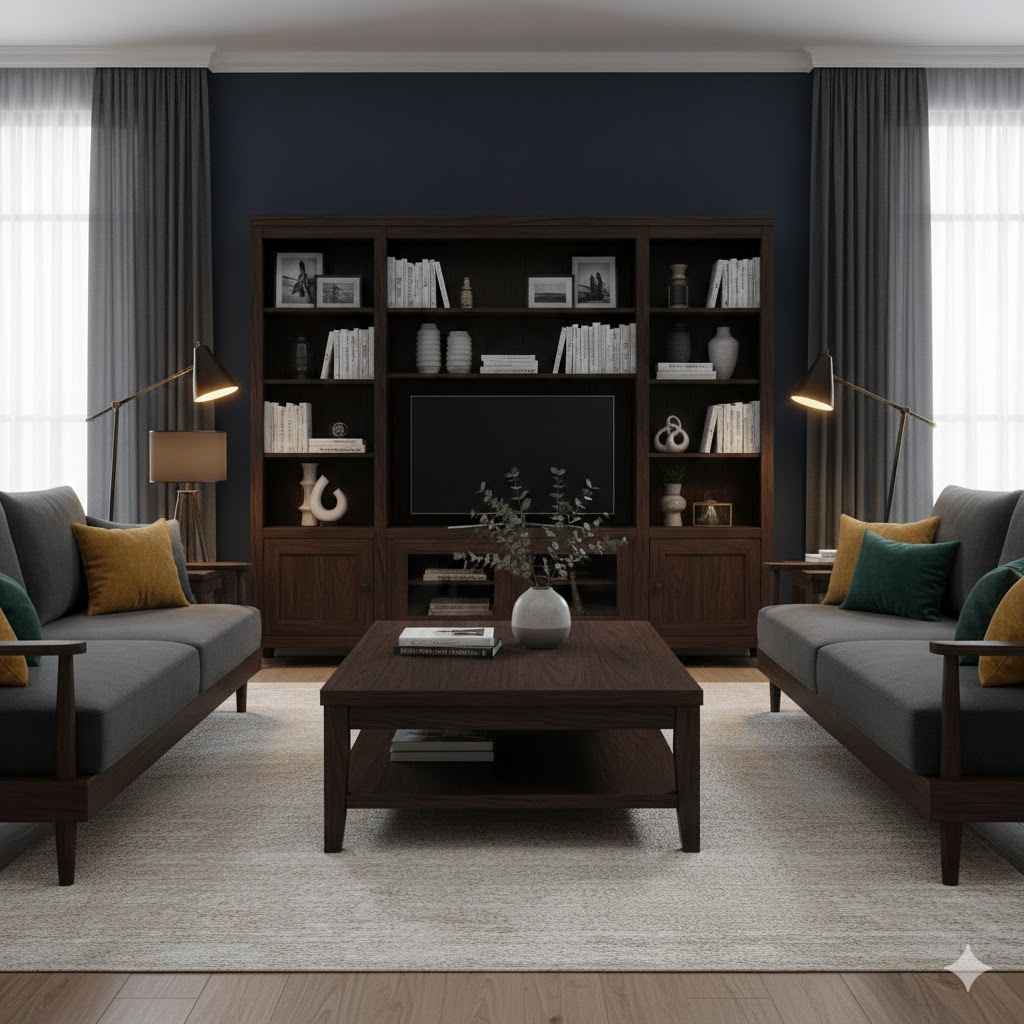
Picking furniture for your living room can feel tricky sometimes, especially when you have darker wood pieces. It’s easy to wonder how to make them look cozy and stylish, not dark or too heavy. Many people find it a bit challenging to start with dark wood furniture living room decorating ideas.
But don’t worry! This guide makes it super simple. We’ll walk through easy steps to create a beautiful space you’ll love.
Creating Warm Living Rooms With Dark Wood Furniture
Dark wood furniture can really bring a sense of richness and warmth to a living room. It often makes a space feel more grounded and luxurious. However, it can also make a room feel smaller or darker if not styled correctly.
This section will explore how to balance the depth of dark wood with other elements to achieve a bright, inviting atmosphere. We’ll look at color choices, textures, and lighting to make sure your dark wood pieces shine.
Choosing the Right Wall Colors
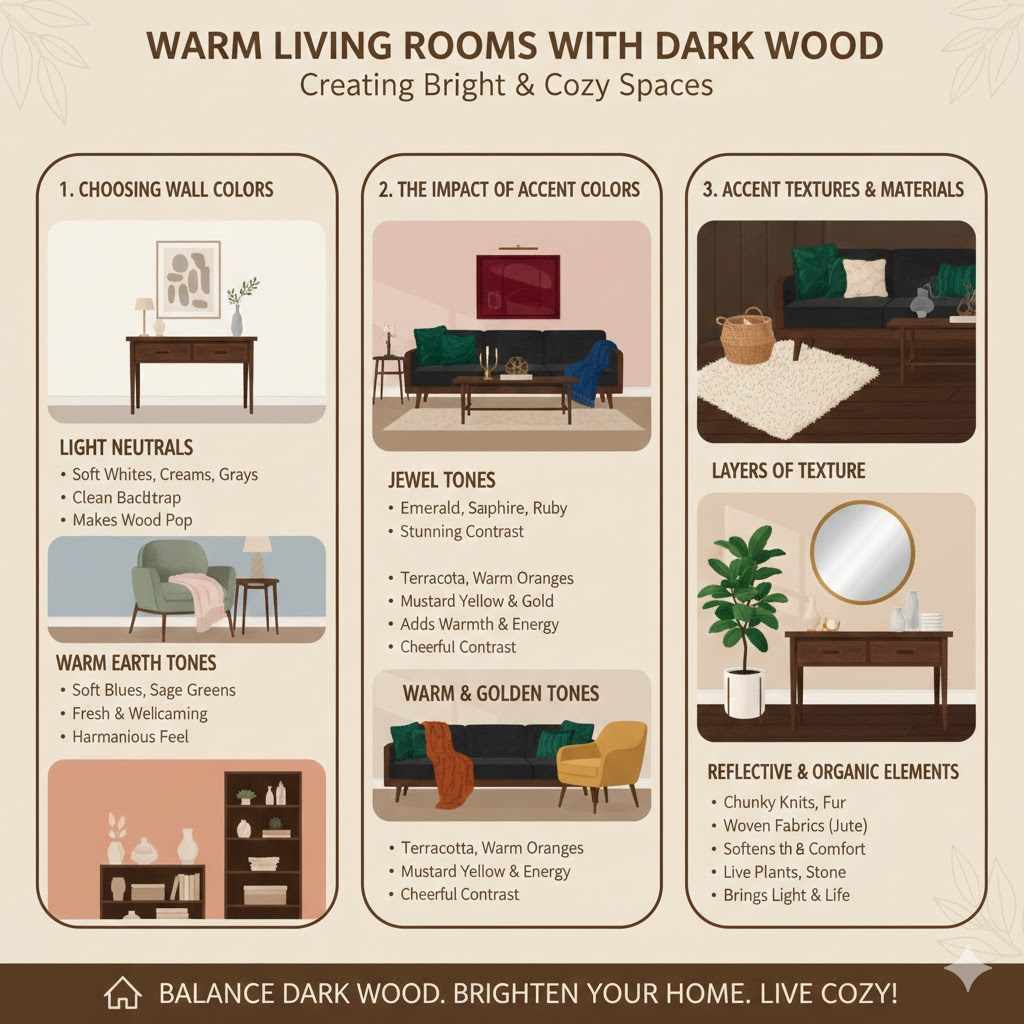
The color of your walls plays a huge role in how dark wood furniture looks. Light and neutral colors are usually the best partners for dark wood. They help to brighten the room and make the furniture stand out without making the space feel enclosed.
Think about soft whites, warm creams, or even gentle grays. These colors create a beautiful contrast that makes the rich tones of the dark wood pop.
-
Light Neutrals: Whites, creams, and light grays are classic choices. They provide a clean backdrop that allows your dark wood furniture to be the star. A soft white can make a room feel airy, while a warm cream adds a cozy feel.
These shades are also very versatile, working with many different decor styles.
-
Muted Pastels: For a touch of color without overwhelming the space, consider soft pastels. Think of muted blues, sage greens, or pale blush tones. These colors can add personality and depth to your room while still letting the dark wood take center stage.
They offer a sophisticated look that feels fresh and welcoming.
- Warm Earth Tones: Shades like beige, taupe, or even a very pale terracotta can also work well. These colors echo the natural warmth of wood, creating a harmonious and inviting environment. They can make a living room feel especially cozy and grounded, perfect for a relaxing retreat.
When selecting wall colors, always consider the amount of natural light your living room receives. A room with less natural light might benefit more from brighter, cooler neutrals. A room with ample sunlight can handle slightly warmer or deeper tones without feeling too dark.
The Impact of Accent Colors
Accent colors are key to bringing life and personality into a room with dark wood furniture. They break up the darkness and add visual interest. When choosing accents, think about colors that complement the rich brown tones of dark wood.
Jewel tones like emerald green, sapphire blue, or deep ruby red can create a luxurious feel.
-
Jewel Tones: These vibrant colors create a stunning contrast with dark wood. Imagine emerald green throw pillows on a dark wood sofa, or a sapphire blue rug under a dark wood coffee table. These bold colors add a touch of opulence and sophistication.
They are perfect for creating a statement in your living room.
- Terracotta and Warm Oranges: These earthy, warm tones bring a sense of comfort and natural beauty. A burnt orange throw blanket or terracotta accent pieces can add warmth and energy. They pair wonderfully with dark wood, creating a cozy and inviting atmosphere that feels grounded.
- Mustard Yellow and Gold: These colors can add a touch of brightness and glamour. A mustard yellow accent chair or gold decorative items can lift the mood of the room. They provide a cheerful contrast that prevents the dark wood from feeling too heavy.
It’s not just about the colors themselves but also how you use them. Start with smaller accents like pillows, throws, or decorative objects. If you like the look, you can then move to larger items like an accent chair or a piece of art.
This gradual approach helps you find the perfect balance for your style.
Styling Tips for Dark Wood Furniture
Styling dark wood furniture is all about balance and contrast. You want to highlight the beauty of the wood without letting it overpower the room. This involves careful consideration of textures, patterns, and the overall layout.
Let’s explore some practical tips to make your dark wood pieces look amazing.
Incorporating Light and Airy Textures
To counteract the heaviness of dark wood, introduce light and airy textures. Think about fabrics like linen, cotton, or even light wools. These materials bring a sense of softness and movement to the space.
They help to visually lighten the room and create a more balanced feel.
- Lightweight Fabrics: Use curtains made from sheer linen or light cotton to allow natural light to filter in. These fabrics drape beautifully and add a gentle, airy feel. They prevent the room from feeling closed off, especially when paired with dark wood pieces.
- Soft Upholstery: If you have a dark wood sofa or chairs, consider adding light-colored throw pillows and blankets. Opt for textured fabrics like chenille, faux fur, or chunky knits in lighter shades. These add comfort and visual interest without adding bulk.
- Woven Accents: Natural woven materials like jute rugs, rattan baskets, or seagrass poufs can bring a touch of organic texture. These elements add a relaxed, bohemian vibe and contrast nicely with the smooth, dark surface of wood furniture.
These lighter textures can be introduced through various decorative elements. They act as a visual counterpoint to the deep, rich tones of your dark wood furniture, creating a more dynamic and inviting living space. This strategy is a simple yet effective way to enhance the overall appeal of your room.
Balancing with Metal Accents
Metal accents can add a touch of modern elegance and sparkle to a room with dark wood furniture. They provide a contrast in both material and sheen, preventing the wood from looking too monolithic. Consider metals like brass, gold, or even brushed nickel.
-
Brass and Gold Tones: These warm metals pair exceptionally well with dark wood. Think of brass table lamps, gold picture frames, or decorative trays. They add a luxurious glow and sophistication that complements the richness of the wood.
This combination is classic and timeless.
-
Brushed Nickel and Chrome: For a more contemporary feel, brushed nickel or chrome can offer a sleek contrast. These cooler metals provide a clean, modern look. They can be used in lighting fixtures, side table bases, or even decorative bowls.
They offer a crisp, sophisticated finish.
- Black Metal Accents: Matte black metal can provide a strong, graphic contrast. This is especially effective with modern or industrial-style decor. Black metal legs on furniture, shelving units, or even a fireplace screen can add a bold statement and ground the space.
The key is to use metal accents strategically. They should enhance the dark wood furniture, not compete with it. A few well-placed metallic pieces can make a significant difference in the overall aesthetic of your living room, adding polish and dimension.
This approach helps to create a cohesive and visually appealing design.
The Role of Area Rugs
An area rug can be a fantastic tool for anchoring your dark wood furniture and defining your living space. It can also introduce color, pattern, and texture, breaking up large expanses of wood. Choosing the right rug can transform the feel of your room.
- Light-Colored Rugs: A rug in a light neutral shade, like cream, beige, or a light gray, can instantly brighten the floor and make your dark wood furniture pop. This is especially effective if you have a large dark wood coffee table or a dark wood floor.
-
Patterned Rugs: Incorporate rugs with subtle or bold patterns. Patterns can add visual interest and distract from the density of dark wood. Consider geometric patterns, floral designs, or abstract art-inspired rugs.
The colors within the pattern can tie other elements in the room together.
- Textured Rugs: Rugs made from natural fibers like jute, sisal, or wool can add tactile appeal. These textures provide a nice contrast to the smooth finish of wood. A plush, high-pile rug can also add a layer of coziness and luxury.
When selecting a rug size, ensure it’s large enough to fit the main furniture pieces. Ideally, at least the front legs of your sofa and armchairs should rest on the rug. This creates a unified seating area and prevents the room from feeling disjointed.
A well-chosen rug is more than just decoration; it’s a foundational element of good living room design.
Lighting Strategies for Dark Wood Rooms
Lighting is crucial when working with dark wood furniture. It has the power to transform the mood and perceived size of a room. Proper lighting can make a dark wood living room feel warm and inviting, rather than gloomy.
We will explore how to layer your lighting for maximum impact.
Layering Ambient, Task, and Accent Lighting
A well-lit room uses a combination of different lighting types. Ambient lighting provides overall illumination. Task lighting is for specific activities like reading.
Accent lighting highlights decorative features.
-
Ambient Lighting: This is your main source of light, providing general illumination. Think of ceiling fixtures, flush mounts, or track lighting. In a dark wood room, aim for warm-toned bulbs that cast a soft glow.
Avoid harsh, cool white light, which can make the wood look dull.
-
Task Lighting: This is focused light for activities. Floor lamps next to an armchair for reading or table lamps on side tables are good examples. Choose lamps with shades that diffuse light softly, rather than direct beams.
This ensures comfortable light for your needs.
-
Accent Lighting: This type of lighting draws attention to specific features. Picture lights above artwork, or small spotlights on shelves can be effective. Accent lighting adds depth and drama, making your dark wood furniture and decor elements stand out beautifully.
It creates visual interest.
The goal is to create a warm, inviting atmosphere. By layering these different types of light, you can control the mood of your living room throughout the day and night. This thoughtful approach ensures your dark wood furniture is showcased in the best possible light.
Using Warm Light Bulbs
The color temperature of your light bulbs makes a big difference. Warm light bulbs emit a yellowish hue, similar to candlelight or sunlight at dusk. This creates a cozy, inviting ambiance that is perfect for living rooms, especially those with dark wood furniture.
-
Color Temperature Explained: Light bulb color temperature is measured in Kelvin (K). Bulbs below 3000K are considered warm. For a cozy feel, aim for bulbs between 2200K and 2700K.
This range mimics natural warm light and is very flattering to wood tones.
- Benefits for Dark Wood: Warm light brings out the rich undertones in dark wood. It can make the wood appear more inviting and less stark. In contrast, cool white light (above 4000K) can make dark wood look flat or even blueish, which is generally undesirable for a warm living space.
- Where to Use Warm Bulbs: Use warm bulbs in all your fixtures, from ceiling lights to lamps. Ensure consistency throughout the room for a cohesive look. Some smart bulbs even allow you to adjust the color temperature, giving you flexibility.
Choosing the right bulbs is a simple step that significantly impacts the overall feel of your room. It helps to create the perfect setting for relaxation and entertaining, making your dark wood furniture the beautiful focal point it’s meant to be. Warm light is a key component of inviting home decor.
Maximizing Natural Light
Natural light is the most beautiful and flattering light source available. Maximizing it can make any room feel more open, airy, and welcoming, especially when you have dark wood furniture.
- Window Treatments: Opt for light and sheer curtains or blinds that can be easily opened. Avoid heavy, dark drapes that block out light. If privacy is a concern, consider using sheer overlays or frosted window film.
- Mirror Placement: Place mirrors strategically opposite windows. Mirrors reflect natural light, making the room feel brighter and larger. A large statement mirror can be a beautiful decor piece in itself.
- Furniture Arrangement: Position your seating areas to take advantage of natural light. Avoid blocking windows with tall furniture. Keep the area around windows clear to allow light to flow freely into the space.
Even with dark wood furniture, embracing natural light helps prevent the room from feeling closed in. It creates a more pleasant and energetic environment. This is one of the easiest ways to improve the look and feel of your living room.
Good natural light is a designer’s best friend.
Decorating with Dark Wood Furniture Examples
Seeing how others have successfully used dark wood furniture can provide great inspiration. These examples illustrate practical applications of the principles we’ve discussed, showcasing how to create stylish and comfortable living spaces. We will look at a few different scenarios to spark your creativity.
Combining dark wood with Scandinavian design principles can create a look that is both warm and minimalist. The clean lines of Scandinavian furniture pair well with the richness of dark wood. Light colors and natural elements are key to this style.
Imagine a living room with a dark wood media console and a sleek, light gray sofa. Add a simple, light-colored rug with a subtle geometric pattern. Wooden side tables with clean lines would complement the console.
Use white or off-white walls to keep the space bright and airy. A few green plants add a touch of nature and color.
Consider adding accent pillows in muted blues or greens. A few minimalist art pieces with clean frames would also fit the aesthetic. The goal is to create a serene and functional space that highlights the beauty of the dark wood without being overwhelming.
This style proves that dark wood can be modern and fresh.
Cozy Farmhouse Style
Farmhouse style embraces warmth and comfort, making dark wood furniture a natural fit. The rustic charm of farmhouse decor enhances the natural beauty of wood. Think of distressed finishes, plaid patterns, and natural materials.
Picture a living room with a substantial dark wood coffee table as the centerpiece. Pair it with a comfortable, neutral-toned sofa and accent chairs in plaid or a soft linen. White shiplap or painted brick walls would provide a classic farmhouse backdrop.
Woven baskets, antique finds, and cozy throws add to the inviting atmosphere. A vintage-inspired rug can tie the colors together.
Lighting in a farmhouse setting often includes lanterns or fixtures with a brushed bronze or black finish. This complements the natural materials. The overall effect is one of comfortable, lived-in elegance.
It’s a style that encourages relaxation and gathering with loved ones. Dark wood furniture truly shines in this warm, inviting setting.
Eclectic and Bohemian Vibes
For those who love a mix of styles, an eclectic or bohemian approach can be perfect for dark wood furniture. This style allows for a free-spirited blend of colors, textures, and patterns. It’s about creating a space that feels personal and vibrant.
Consider a dark wood bookshelf filled with books, plants, and unique decorative items. This can be paired with a comfortable, perhaps slightly vintage, sofa in a jewel tone or a rich earthy color. Layering rugs, including patterned kilims or Persian-style rugs, adds depth and character.
Mix and match accent chairs with different textures and colors. Global-inspired textiles, macrame wall hangings, and a collection of art can create a bohemian feel.
Metal accents like brass or copper can add a touch of shine. Pendant lights with intricate designs or string lights can create a magical ambiance. This style is about embracing individuality and creating a space that tells a story.
Dark wood furniture provides a grounding element amidst the lively mix of decor. It’s a flexible and fun way to decorate.
Maintenance and Care for Dark Wood Furniture
Proper care ensures your dark wood furniture stays beautiful for years. Dark wood finishes can be sensitive, so understanding how to clean and protect them is important. This section covers essential maintenance tips.
Regular Cleaning Practices
Consistent, gentle cleaning is key to preserving the finish of your dark wood furniture. Dusting regularly prevents grime buildup, which can dull the surface over time.
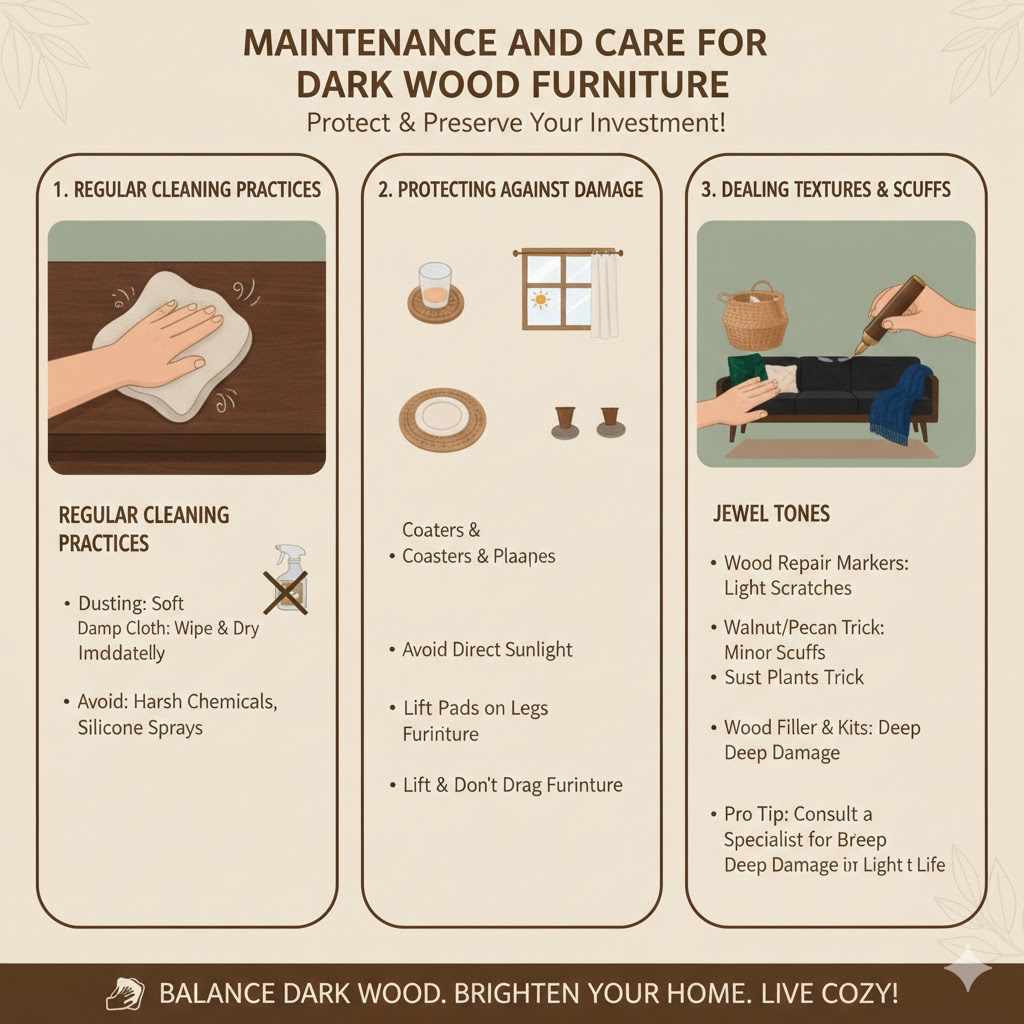
- Dusting: Use a soft, dry microfiber cloth to dust your furniture regularly. This removes surface dust and prevents scratches. Avoid using feather dusters, as they can sometimes spread dust or leave behind residue.
- Damp Cloth Cleaning: For slightly more stubborn marks, use a slightly damp cloth. Wring it out thoroughly so it’s almost dry. Wipe the furniture gently, and then immediately dry the area with a clean, dry cloth to prevent water damage or rings.
- Avoid Harsh Chemicals: Never use abrasive cleaners, furniture polishes containing silicone, or harsh chemical sprays. These can damage the wood’s finish, leading to discoloration or a sticky residue. Stick to mild, wood-specific cleaning products if necessary.
Regular dusting and occasional gentle wiping will keep your dark wood furniture looking its best. These simple practices are highly effective for maintaining its natural beauty and longevity. Consistent care is the foundation for keeping furniture in good condition.
Protecting Against Damage
Protecting your furniture from everyday wear and tear will help maintain its appearance and value. Simple measures can prevent scratches, stains, and fading.
- Coasters and Placemats: Always use coasters under drinks to prevent water rings and heat damage. Use placemats for meals to protect the surface from spills and scratches. This is especially important for coffee tables and dining tables.
- Avoid Direct Sunlight: Prolonged exposure to direct sunlight can cause wood finishes to fade or discolor. Position furniture away from windows or use curtains and blinds to filter sunlight. If fading occurs, consult a furniture restorer for options.
- Protective Pads: Use felt pads on the bottom of furniture legs to prevent scratches when moving chairs or tables. These are inexpensive and can save your floors and the furniture legs from damage.
Taking these preventative steps is much easier than repairing damage. It helps your furniture maintain its aesthetic appeal and structural integrity over time. These protective measures are a smart investment in the longevity of your prized possessions.
They ensure your furniture remains a beautiful part of your home.
Dealing with Scratches and Scuffs
Minor scratches and scuffs are common, but they can often be easily addressed. For deeper damage, professional help might be needed, but many surface issues can be fixed at home.
-
Wood Repair Markers: For light scratches, colored wood repair markers can be a simple solution. Choose a shade that matches your furniture exactly. Gently color in the scratch, then buff lightly with a soft cloth.
They are great for quick fixes on visible surfaces.
-
Walnut or Pecan Trick: For very light surface scratches, rub the exposed nut meat (walnut or pecan) over the scratch. The natural oils can help to disguise the scratch. Wipe away any excess oil.
This is a natural, easy home remedy for minor imperfections.
- Wood Filler and Touch-Up Kits: For deeper gouges, wood filler can be used. Apply the filler, let it dry, sand it smooth, and then touch up the color with a matching stain or paint. For significant damage, it is best to consult a furniture repair specialist.
Addressing minor damage promptly can prevent it from worsening. These methods offer practical solutions for keeping your dark wood furniture looking pristine. With a little care, you can keep your furniture looking new.
Frequently Asked Questions
Question: What colors go well with dark wood furniture in a living room
Answer: Light neutrals like white, cream, and soft gray work best on walls. Accent colors like jewel tones (emerald, sapphire), terracotta, or mustard yellow in pillows, rugs, and decor add warmth and contrast.
Question: How do I make a dark wood living room feel less gloomy
Answer: Use plenty of light, airy textures (linen, cotton), bright accent colors, and ensure good lighting. Maximize natural light with sheer curtains and strategically placed mirrors. Warm light bulbs are also essential.
Question: Can I mix different types of wood finishes in my living room
Answer: Yes, you can mix wood finishes, but it’s best to stick to a few complementary tones. Ensure there’s a unifying element, like color or style, to tie them together. Otherwise, it can look mismatched.
Question: What kind of rugs are good for dark wood furniture
Answer: Light-colored rugs or rugs with vibrant patterns can provide a nice contrast. Textured rugs made of jute, wool, or sisal also add warmth and visual interest against dark wood.
Question: How often should I clean my dark wood furniture
Answer: Dust your dark wood furniture at least once a week with a soft microfiber cloth. Clean with a slightly damp cloth and dry immediately only when necessary. Avoid harsh chemicals.
Summary
Decorating with dark wood furniture living room decorating ideas is simple with the right approach. Focus on balancing the deep tones with light wall colors, airy textures, and warm lighting. Add pops of color and metallic accents to create visual interest.
With these easy steps, your living room will feel cozy, stylish, and inviting.