Difference Between Treated and Untreated Wood
Many people wonder about the Difference Between Treated and Untreated Wood Explained. It can seem confusing at first, especially if you’re new to building or DIY projects. But don’t worry, it’s simpler than you think!
We’ll walk you through it step by step. First, let’s look at why this difference matters so much.
What Is Untreated Wood
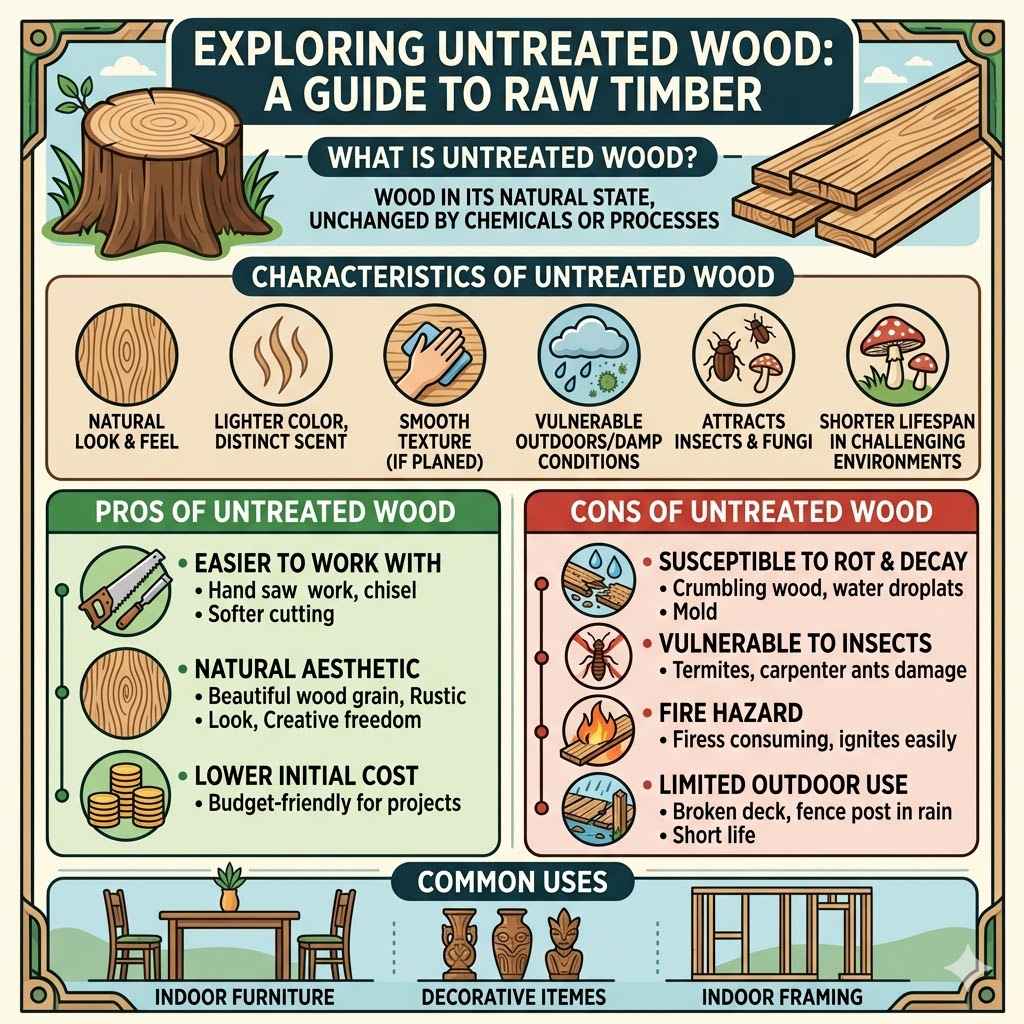
Untreated wood is wood in its natural state. It hasn’t been subjected to any chemical processes to make it last longer or resist damage. Think of it as raw wood.
This type of wood is common for indoor projects where it won’t face harsh elements. It’s easy to work with and has a natural beauty. However, it’s prone to certain problems that treated wood can overcome.
Characteristics Of Untreated Wood
Untreated wood has a natural look and feel. It usually has a lighter color and a distinct wood scent. Its texture is smooth unless it has been planed.
When used outdoors or in damp conditions, it can quickly start to show signs of decay.
One key characteristic is its vulnerability. Without protection, it’s like an open invitation for insects and fungi. This makes its lifespan much shorter in challenging environments.
It’s a good choice for furniture, decorative items, and indoor framing.
Pros of Untreated Wood
Easier to work with. Untreated wood is generally softer and easier to cut, sand, and shape. This makes it a favorite for hobbyists and those new to woodworking.
You won’t need as much heavy-duty equipment.
Natural aesthetic. Many people prefer the natural grain and color of untreated wood for a rustic or organic look. It can be stained or painted to achieve various finishes.
This allows for a lot of creative freedom in design.
Lower initial cost. Typically, untreated wood is less expensive than treated wood. This can be a significant factor for budget-conscious projects.
However, you might spend more on maintenance or replacement later.
Cons of Untreated Wood
Susceptible to rot and decay. Moisture is the biggest enemy of untreated wood. It readily absorbs water, leading to rot, mold, and mildew.
This significantly shortens its lifespan, especially when exposed to the elements.
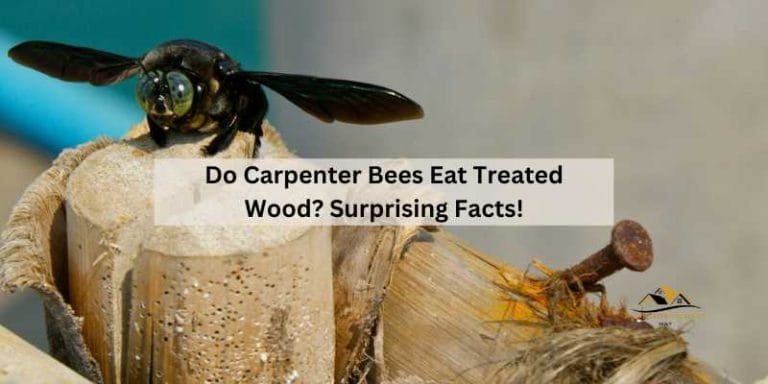
Vulnerable to insects. Termites, carpenter ants, and other wood-boring insects find untreated wood an attractive food source. They can cause extensive damage, weakening structures over time.
Fire hazard. Untreated wood is more flammable than treated wood. While all wood will burn, untreated wood ignites and burns more readily.
Limited outdoor use. Because of its susceptibility to rot, insects, and weather, untreated wood is not recommended for outdoor applications like decks, fences, or garden structures. Its lifespan in these conditions is very short.
What Is Treated Wood
Treated wood, also known as pressure-treated lumber, has undergone a chemical process to protect it from rot, decay, and insect infestation. This process forces preservatives deep into the wood fibers. It’s a popular choice for outdoor projects and structures that need to withstand tough conditions.
This makes it last much longer than untreated wood.
The Wood Treatment Process
The most common method for treating wood is pressure treatment. Wood is placed in a large cylinder. Then, a vacuum is created to remove air and moisture from the wood cells.
After that, a chemical solution, containing preservatives, is pumped into the cylinder under high pressure. This forces the preservatives deep into the wood, bonding with the wood fibers.
Once the cylinder is filled with the preservative solution, pressure is applied. This pushes the chemicals into the wood. The amount of preservative absorbed depends on the type of wood and the desired level of protection.
After treatment, a final vacuum helps remove excess preservative and dry the wood slightly.
Different types of wood are used for treatment, including pine, fir, and cedar. The effectiveness of the treatment depends on the wood species and how well it accepts the preservatives. Some wood types are naturally more resistant to treatment than others.
Types of Wood Preservatives
The chemicals used to treat wood vary. Historically, creosote and pentachlorophenol were common. Today, the most widely used preservatives are based on copper compounds.
These are often referred to as Alkaline Copper Quaternary (ACQ) or Copper Azole (CA).
Copper is effective against fungi and insects. It’s mixed with other chemicals to enhance its performance and stability. These modern preservatives are generally considered safer for homeowners and the environment than older chemicals.
They are designed to leach out slowly, providing long-term protection.
There are also fire-retardant treatments available, which add chemicals that help slow down combustion. These are often used for structural components in buildings where fire safety is a major concern.
Common Uses for Treated Wood
Treated wood is ideal for any outdoor construction. This includes decks, patios, fences, pergolas, and playground equipment. It’s also used for retaining walls, dock pilings, and other structures that are in contact with the ground or water.
Its resistance to decay and insects makes it a durable choice.
Indoors, treated wood might be used for certain structural elements in basements or crawl spaces where moisture is a concern. However, for general indoor framing, untreated lumber is usually sufficient and more cost-effective.
Difference Between Treated and Untreated Wood Explained
The core Difference Between Treated and Untreated Wood Explained lies in their ability to resist decay and insects. Untreated wood is natural and susceptible. Treated wood has been infused with chemicals for protection.
This difference impacts their suitability for various projects. For example, a garden bench made of untreated wood might only last a couple of years if exposed to rain. The same bench made of treated wood could last a decade or more.
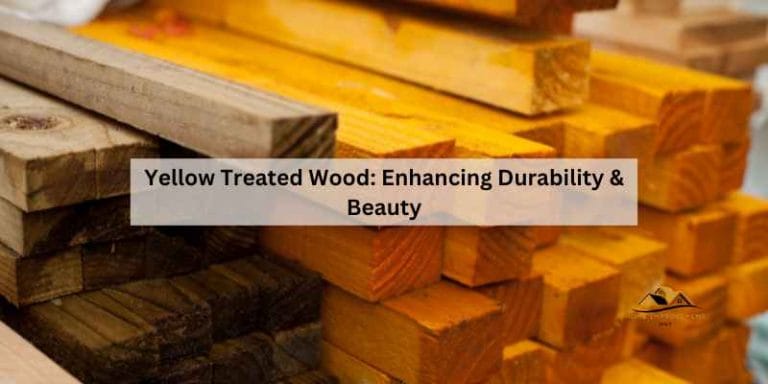
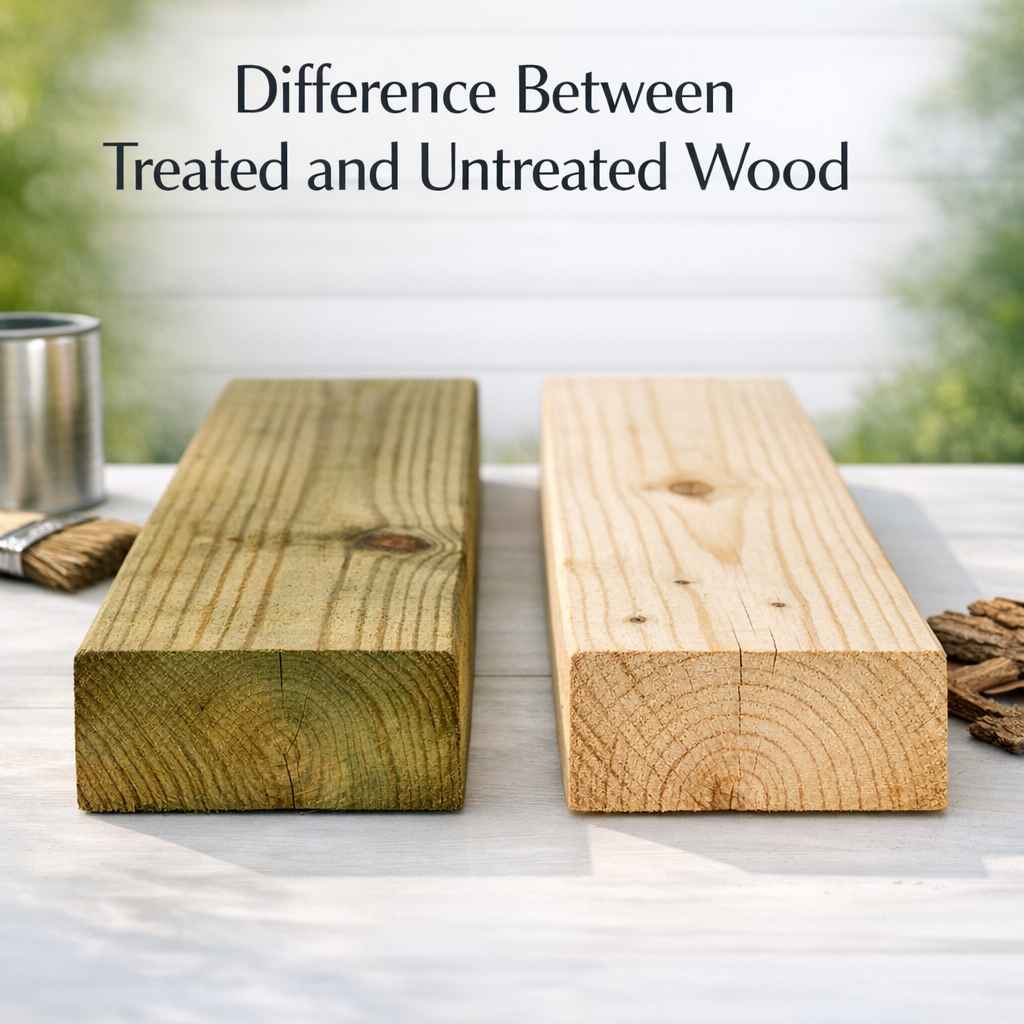
The appearance can also differ, with treated wood often having a greenish or brownish tint from the preservatives.
When considering the Difference Between Treated and Untreated Wood Explained, think about the intended use. If the wood will be outside, in contact with soil, or exposed to moisture, treated wood is the practical choice. For indoor projects where conditions are dry and stable, untreated wood is often perfectly adequate and more budget-friendly.
Key Differences in Durability and Performance
The most significant difference between treated and untreated wood is their durability. Treated wood is engineered to withstand harsh conditions that would rapidly degrade untreated wood. This enhanced longevity is the primary reason for its widespread use in outdoor applications.
Resistance to Rot and Fungi
Untreated wood, when exposed to moisture, becomes a fertile ground for rot and fungal growth. Fungi break down the wood fibers, causing it to become soft, crumbly, and weak. This process can happen relatively quickly, especially in humid climates or areas with poor drainage.
Treated wood, thanks to its infused preservatives, has a vastly improved resistance to these organisms. The chemicals create a toxic environment for fungi, preventing them from establishing and spreading. This significantly extends the wood’s lifespan, even when constantly exposed to moisture.
It’s a fundamental difference that dictates where each type of wood can be used effectively.
Protection Against Insect Infestation
Insects like termites, carpenter ants, and wood beetles pose a serious threat to untreated wood. They can burrow into the wood, consuming it from the inside and causing structural damage. This can lead to costly repairs and even complete structural failure.
The preservatives in treated wood are designed to be repellent and toxic to these pests. Even if insects try to bore into the wood, the chemicals kill them or drive them away. This makes treated wood a far more secure option for structures that need to last and maintain their integrity over time.
This protection is vital for outdoor buildings and foundations.
Lifespan and Longevity
The lifespan of untreated wood is highly variable and depends heavily on environmental conditions. Indoors, it might last for decades. Outdoors, in direct contact with soil and exposed to rain, it might only last 2-5 years before significant decay sets in.
Treated wood, however, can last 15-25 years or even longer, depending on the quality of treatment, the wood species, and the specific environmental exposure. For instance, wood used for pilings in water or in direct ground contact will have a much longer lifespan when treated. This extended life is a major economic benefit, reducing the need for frequent replacements.
Performance in Various Environments
Untreated wood performs best in dry, controlled indoor environments. It is not suited for constant exposure to rain, snow, or high humidity. Its performance degrades rapidly when subjected to these conditions.
Treated wood excels in outdoor environments. It can handle contact with soil, moisture, and fluctuating temperatures much better. This makes it the go-to choice for decks, fences, outdoor furniture, and any construction project that will be exposed to the elements.
It offers peace of mind knowing it can withstand nature’s challenges.
Comparison Table
| Feature | Untreated Wood | Treated Wood |
|---|---|---|
| Resistance to Rot | Low | High |
| Resistance to Insects | Low | High |
| Typical Lifespan (Outdoor) | 2-5 Years | 15-25+ Years |
| Best Use Cases | Indoor furniture, decorative items, interior framing | Decks, fences, outdoor structures, ground contact applications |
| Cost | Lower initial cost | Higher initial cost |
Factors to Consider When Choosing Wood
Deciding between treated and untreated wood involves looking at several key factors. The intended use of the wood is the most important consideration. You also need to think about your budget, environmental impact, and any specific building codes or regulations.
Project Location and Exposure
Where will the wood be used? If it’s a deck that will get rained on, a fence exposed to the elements, or a garden planter box that sits on damp soil, treated wood is almost always the better choice. These locations demand resistance to moisture, rot, and insects.
For indoor projects, such as building bookshelves, creating trim, or framing walls within a climate-controlled house, untreated wood is perfectly fine. It will likely last as long as the structure itself without needing special treatment. Consider the long-term exposure your project will face.
Budget and Cost-Effectiveness
While treated wood has a higher upfront cost, it can be more cost-effective in the long run. If untreated wood rots or gets infested, you’ll have to replace it sooner. This means paying for new materials and labor multiple times over.
Treated wood’s longer lifespan means fewer replacements. This can save money and effort over the years, especially for large projects like decks or fences. When budgeting, think about the total cost of ownership, not just the initial purchase price.
Environmental Impact and Safety
Modern wood preservatives are designed to be less harmful to the environment than older chemicals. However, some people still prefer to use untreated wood to minimize chemical exposure. When handling treated wood, it’s wise to wear gloves and a mask, especially when cutting it, and to dispose of scraps properly.
Untreated wood is a natural material with minimal environmental impact during its use. However, its shorter lifespan might mean more trees are harvested over time if frequent replacements are needed. The choice often involves balancing these factors based on personal priorities and project needs.
Building Codes and Regulations
In many areas, building codes require specific types of wood treatment for certain applications, especially for outdoor structures or anything in ground contact. These codes are in place to ensure safety and longevity of construction.
For example, a deck intended for public use might have stricter requirements for the type and level of wood treatment than a small garden bench. Always check with your local building department to understand any regulations that might apply to your project before you buy lumber. Following these guidelines ensures your project is safe and compliant.
Visual Appearance and Finishing
Untreated wood has a natural, often lighter color and grain pattern. It readily accepts stains and paints, allowing for a wide range of aesthetic possibilities. Its natural look is preferred for many indoor furniture and decorative pieces.
Treated wood often has a greenish or brownish hue due to the copper-based preservatives. This color can fade over time. While it can be stained or painted, the preservatives can sometimes affect the uniformity of the finish.
Some prefer the rustic look of treated wood, while others find its color limiting. You can achieve great finishes on both if you choose the right products and techniques.
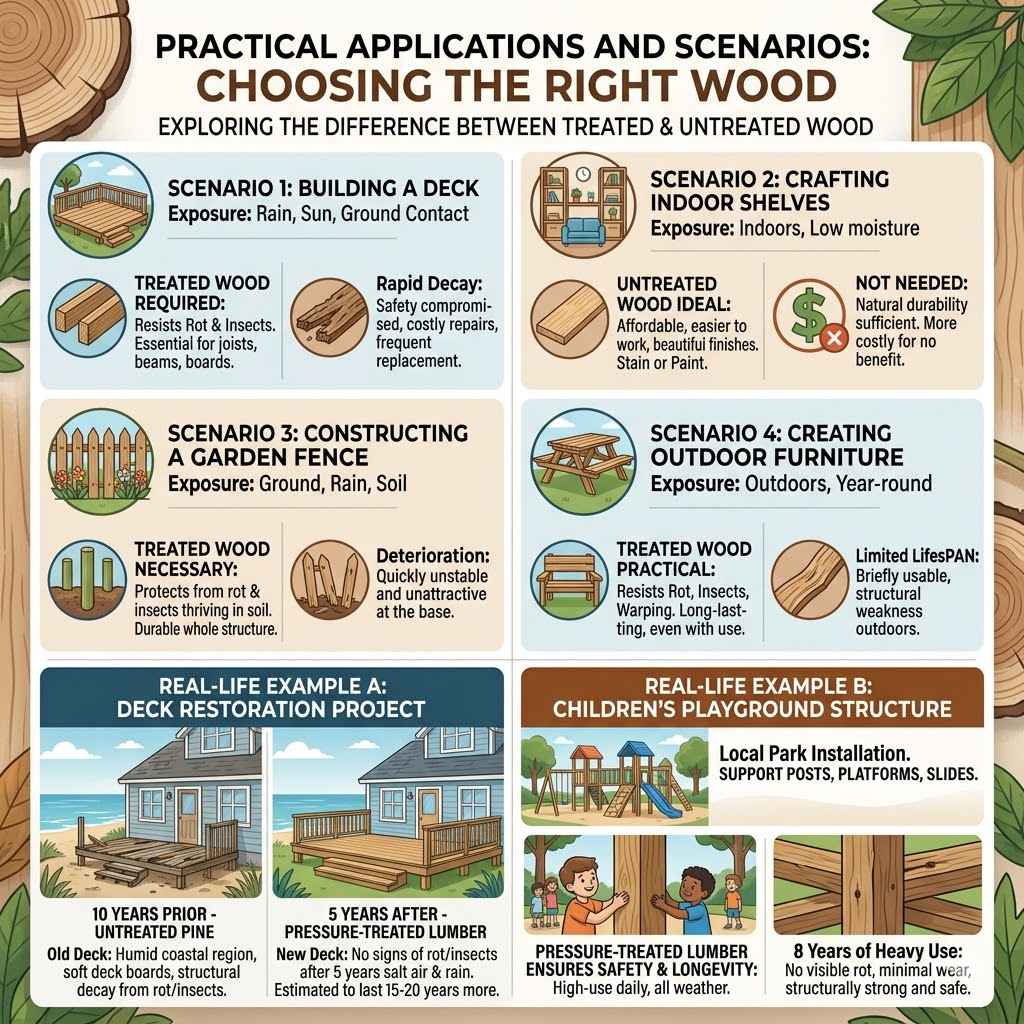
Practical Applications and Scenarios
Understanding the Difference Between Treated and Untreated Wood Explained is crucial for making the right choice for your projects. Let’s look at some common situations where one is clearly better than the other.
Scenario 1 Building a Deck
You want to build a deck for your backyard. The deck will be exposed to rain, sun, and potentially snow. It will also be in contact with the ground or concrete footings.
For this project, treated wood is essential. The joists, beams, and deck boards need to resist rot and insect damage from constant exposure to the elements. Using untreated wood would lead to rapid decay, compromising the deck’s safety and requiring frequent, costly repairs or full
Scenario 2 Crafting Indoor Shelves
You’re building a set of bookshelves for your living room. The shelves will be indoors, away from moisture and direct sunlight.
Untreated wood is the ideal choice here. It’s generally more affordable and easier to work with for indoor projects. You can easily stain or paint it to match your decor.
Since it won’t be exposed to harsh outdoor conditions, its natural durability is more than sufficient. The savings from using untreated wood can be put towards better hardware or finishes.
Scenario 3 Constructing a Garden Fence
You need to build a fence around your garden. The fence posts will be set in the ground, and the fence itself will face rain, sun, and wind.
Treated wood is necessary for this application, especially for the fence posts that will be in contact with the soil. The preservatives will protect the wood from rot and insects that thrive in the ground. The fence panels should also ideally be treated, or at least have treated posts, to ensure the entire structure lasts.
An untreated fence would quickly deteriorate at the base, making it unstable and unattractive.
Scenario 4 Creating Outdoor Furniture
You plan to build a picnic table and benches for your patio. This furniture will be outdoors year-round.
Treated wood is the practical choice for outdoor furniture that needs to withstand the weather. It resists rot, insects, and warping better than untreated wood. This means your furniture will remain structurally sound and attractive for much longer, even with regular use and exposure to the elements.
While untreated wood can be used for indoor furniture, its outdoor lifespan is very limited.
Real-Life Example A Deck Restoration Project
A homeowner in a humid coastal region noticed their deck, built with untreated pine 10 years prior, was beginning to show significant signs of rot and insect damage. The deck boards were soft in places, and some structural joists were showing decay. They decided to replace the entire deck.
The new deck was constructed using pressure-treated lumber for all structural components and deck boards.
Results: The new treated deck has shown no signs of rot or insect damage after five years of exposure to salt air and frequent rain. The homeowner estimates the treated deck will last at least another 15-20 years, saving them significant replacement costs compared to if they had used untreated wood again.
Real-Life Example B Children’s Playground Structure
A local park installed a new children’s playground structure. All the wooden components, including support posts, platforms, and slides, were made from pressure-treated lumber. This was to ensure the safety and longevity of the equipment, which would be used daily by children and exposed to varying weather conditions.
Results: After eight years of heavy use and constant exposure to sun, rain, and temperature fluctuations, the playground structure remains in excellent condition. There is no visible rot or structural weakness, and the wood shows minimal signs of wear. This longevity highlights the effectiveness of treated wood in high-use, outdoor environments, ensuring the playground remains a safe and reliable space for children.
Frequently Asked Questions
Question: Is treated wood safe to use around food
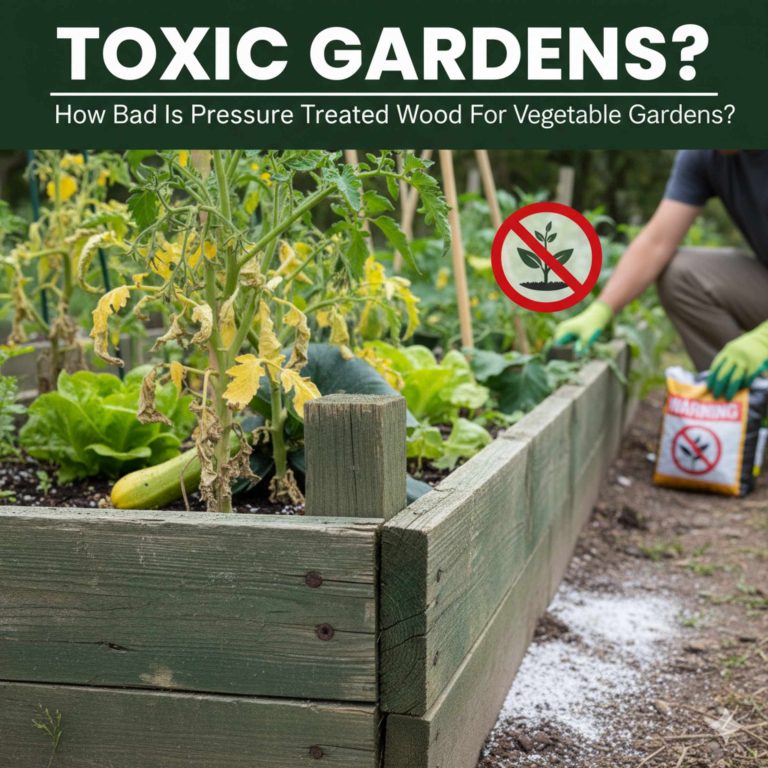
Answer: For most modern treated woods, especially those treated with ACQ or CA preservatives, it is generally considered safe for applications like garden planter boxes where the wood might touch the soil or indirectly contact edible plants. However, for direct contact with food, such as a cutting board or a food prep surface, it is always best to use untreated, food-grade wood specifically designed for such purposes.
Question: Can I paint or stain treated wood
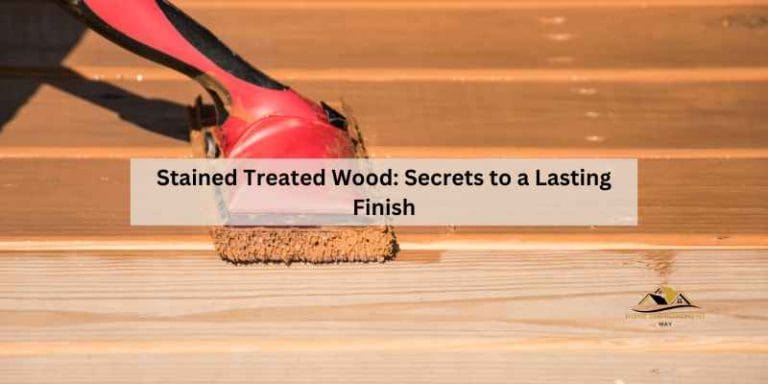
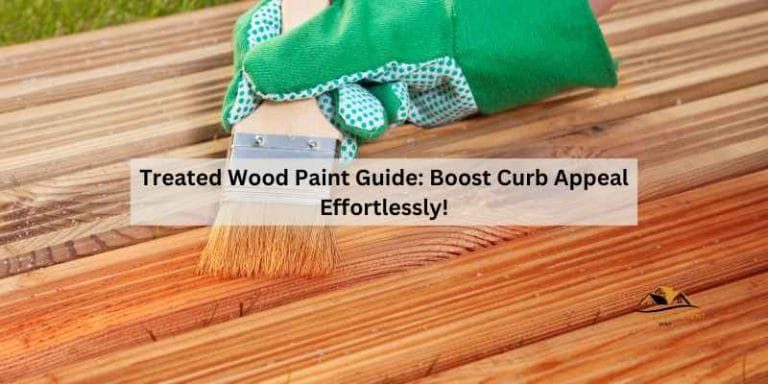
Answer: Yes, you can paint or stain treated wood, but it’s important to wait until the wood is dry. Treated wood can hold a lot of moisture, so it’s recommended to let it dry for several weeks or even months after treatment before applying any finish. Once dry, it takes paint and stain well, though the preservatives can sometimes affect the color absorption.
Question: Does treated wood contain harmful chemicals
Answer: Modern treated wood uses preservatives like Alkaline Copper Quaternary (ACQ) and Copper Azole (CA), which are considered safer than older chemicals like CCA (Chromated Copper Arsenate). While these preservatives are designed to be stable and leach out very slowly, it’s still advisable to take precautions like wearing gloves and a mask when cutting treated wood and to avoid burning it.
Question: How do I know if wood is treated
Answer: Treated wood often has a greenish or brownish tint, especially when it’s new. You might also see small incision marks on the surface where the preservative was injected. If you’re unsure, you can often check product labels or ask the lumberyard where you purchased it.
Question: Can I use treated wood for indoor projects
Answer: While you can use treated wood for indoor projects, it’s often unnecessary and more expensive than untreated wood. It’s typically reserved for indoor applications where moisture or pest resistance is a specific concern, such as in basements or crawl spaces. For most indoor framing or finishing, untreated wood is perfectly adequate.
Summary
The Difference Between Treated and Untreated Wood Explained boils down to protection. Untreated wood is natural and vulnerable to rot and insects, making it best for dry indoor use. Treated wood has preservatives that fight decay and pests, ideal for outdoor projects.
Choosing the right wood saves you time, money, and hassle.