Do Chickens Need a Light at Night?
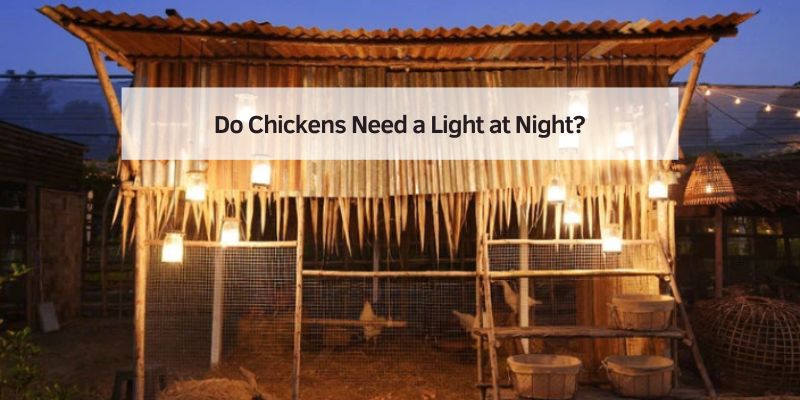
Hey there! If you’re raising chickens or thinking about starting a flock, you’ve probably wondered, “Do chickens need a light at night?” I’ve been there too, standing in my backyard, staring at my coop, trying to figure out what’s best for my feathered friends. It’s a common question, especially for new chicken keepers in the USA, where seasons change and winters can get chilly.
I’ve spent countless hours researching and experimenting with my own chickens, so let me share what I’ve learned. This article will dive deep into whether chickens need light at night, why it matters, and how you can make the best choice for your flock. Let’s get started!
Why Do People Think Chickens Need Light at Night?
When I first got chickens, I heard all sorts of advice. Some folks swore by leaving a light on in the coop at night. Others said it was unnecessary. So, why does this idea even come up? It mostly boils down to two things: egg production and safety.
Chickens lay eggs based on daylight hours. In winter, when days get shorter, egg-laying often slows down. Many farmers use artificial lights to mimic longer days and keep their hens laying. Safety is another concern. Some people believe a light at night keeps predators away or helps chickens feel secure. I used to think that too, until I dug deeper.
But here’s the thing—chickens aren’t like us. They don’t see or behave the same way at night. Understanding their natural habits is key to deciding if they need a light.
How Do Chickens Behave at Night?
Chickens are diurnal, meaning they’re active during the day and rest at night. When the sun sets, my hens naturally head to their roosts and settle in. Their eyesight isn’t great in the dark, so they don’t move around much once it’s nighttime. In the wild, their ancestors perched in trees to stay safe from predators. A dark, quiet coop mimics that natural environment.
I’ve noticed my chickens don’t seem bothered by the dark. They tuck their heads under their wings and sleep soundly. Adding a light could actually disrupt this natural rhythm. Imagine trying to sleep with a bright bulb shining in your face! It’s not exactly cozy, right?
Does Light Affect Egg Production?
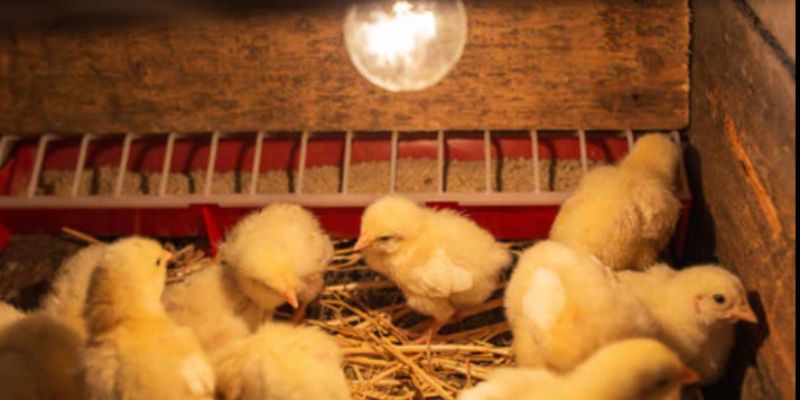
Let’s talk about eggs, because that’s a big reason people consider adding light. Chickens need about 14 to 16 hours of light daily to lay eggs consistently. In summer, natural daylight covers this. But in winter, when days are shorter, egg production can drop. I’ve seen it with my own flock—my hens slow down around November.
Some farmers use supplemental lighting to extend “daylight” hours. A low-wattage bulb on a timer can trick hens into thinking it’s still daytime, keeping them laying. Studies show that hens exposed to 14 hours of light lay more eggs than those with less. But there’s a catch. Overdoing it can stress your chickens, leading to health issues like feather picking or shorter lifespans.
Here’s a quick breakdown of how light impacts egg-laying:
| Light Hours | Effect on Egg Production | Notes |
|---|---|---|
| 8-10 hours | Low production | Common in winter without supplemental light |
| 12-14 hours | Moderate production | Natural for spring/fall in many U.S. regions |
| 14-16 hours | High production | Ideal for consistent laying, often with artificial light |
I’ve tried supplemental lighting myself. Last winter, I set up a 25-watt bulb on a timer to give my hens 14 hours of light. Egg production stayed steady, but I noticed some hens seemed a bit more restless. It made me wonder if I was pushing them too hard.
Do Chickens Need Light for Safety?
Another reason people leave lights on is safety. I get it—nobody wants a fox or raccoon sneaking into the coop. Some folks think a light deters predators. Others believe it helps chickens navigate if they’re startled at night. But does it really work?
In my experience, lights don’t make much difference for predators. A determined raccoon isn’t going to care about a glowing bulb. What keeps predators out is a secure coop—strong locks, tight wire mesh, and no gaps. I’ve had zero predator issues since reinforcing my coop, even without a light.
As for navigation, chickens don’t need to move around at night. They’re not wandering the coop looking for snacks. If something spooks them, they’re more likely to freeze than run. A light might actually make them more anxious by keeping them awake.
Can Light Harm Chickens?
This is where things get interesting. I used to think a little light couldn’t hurt. But after watching my flock and reading up, I realized there’s a downside. Chickens need rest, just like we do. Constant light can mess with their sleep cycle, leading to stress. Stressed chickens might stop laying, pluck feathers, or even get sick.
I once left a light on all night by accident. The next day, my hens were cranky and off their game. One even started pecking at the others, which isn’t normal for her. It was a wake-up call. Too much light can also shorten a hen’s productive years. Commercial farms sometimes use intense lighting to maximize eggs, but it burns out the birds faster. For backyard flocks like mine, I want my hens healthy and happy for years.
What About Heat Lamps?
In colder parts of the USA, like Minnesota or Maine, winters are brutal. I’ve heard folks say they use heat lamps at night to keep chickens warm. But here’s the deal—chickens are tougher than you think. Most breeds, like Rhode Island Reds or Plymouth Rocks, can handle cold weather if they’re dry and out of the wind. A well-insulated coop with good ventilation is usually enough.
Heat lamps can be risky. They’re a fire hazard if not installed properly. I’ve read horror stories about coops catching fire because a lamp tipped over. Plus, sudden temperature changes can stress chickens. If you’re worried about cold, add extra bedding like straw and make sure the coop is draft-free. My hens fluff up their feathers and cuddle together on the roost, staying toasty without any lamps.
When Should You Use Supplemental Light?
So, when does it make sense to add light? For me, it’s about balance. If egg production is your priority and you live in a region with short winter days, supplemental light can help. Here’s how I do it:
- Use a low-wattage bulb (15-25 watts) to mimic natural daylight.
- Set a timer to provide 14-16 hours of total light (natural + artificial).
- Turn the light on in the morning, not at night, to avoid disrupting sleep.
- Give your hens a break every few months to rest and recover.
I start my timer at 4 a.m. in winter, so the light comes on before sunrise. This keeps their schedule consistent without messing up their nighttime rest. If you’re not worried about eggs, you might not need light at all. My neighbor skips it entirely, and her hens do just fine.
What Type of Light Is Best?
Not all lights are created equal. I learned this the hard way when I bought a cheap bulb that flickered and annoyed my chickens. Here’s what works best:
- LED Bulbs: Energy-efficient and long-lasting. They mimic natural light without getting too hot.
- Soft White or Warm Light: Harsh blue or bright white light can stress chickens. Aim for 2700-3000K for a cozy glow.
- Low Wattage: 15-25 watts is plenty for a small coop. Bigger coops might need more.
Avoid red heat lamps for light—they’re for warmth, not illumination. I use a 20-watt LED bulb in my coop, and it’s been perfect. Just make sure it’s securely mounted to avoid accidents.
How to Set Up a Coop Lighting System
Setting up lighting isn’t hard, but it takes some planning. Here’s what I did:
- Choose a Safe Spot: Mount the light high, out of reach of curious beaks. I put mine on the coop ceiling.
- Use a Timer: A plug-in timer ensures consistent light schedules. I got one for $10 at a hardware store.
- Check Wiring: Make sure all cords are out of reach and protected from moisture.
- Test It Out: Watch your chickens for a few days. If they seem stressed, adjust the brightness or timing.
I spent about $30 total on my setup, and it’s been running smoothly for two years. Just check the bulb every few months to make sure it’s still working.
My Personal Experience
When I started raising chickens, I was obsessed with doing everything “right.” I installed a light in the coop because I thought it was a must. But after a few months, I noticed my hens weren’t as happy. They were laying eggs, sure, but they seemed tired. I decided to try turning off the light at night. Egg production dipped a bit in winter, but my hens were calmer and healthier. Now, I only use light sparingly, and I focus on giving them a cozy, natural environment.
Every flock is different, though. My friend down the road swears by her lighting system, and her hens lay like clockwork. It’s about finding what works for you and your birds.
Tips for New Chicken Keepers
If you’re new to chickens, here’s some advice from my years of trial and error:
- Watch your flock. They’ll tell you if something’s off by their behavior.
- Start simple. You don’t need fancy equipment to keep chickens happy.
- Talk to other chicken keepers. Local farm stores or online groups are great for tips.
- Prioritize a secure, comfy coop over gadgets like lights.
Raising chickens is a journey. You’ll learn as you go, and your hens will thank you for it.
Conclusion
So, do chickens need a light at night? In most cases, no—they’re perfectly fine in the dark. Their natural instincts kick in, and a dark coop helps them rest. But if you’re chasing consistent egg production in winter, a little supplemental light in the morning can work wonders. Just be careful not to overdo it. Your chickens’ health and happiness come first.
I’ve loved figuring this out with my own flock. It’s rewarding to see them thrive, whether they’re basking in summer sunlight or snoozing through a winter night. Experiment, observe, and find what fits your setup. If you’re still unsure, try a small setup and see how your hens respond. You’ve got this, and your chickens are lucky to have you!
FAQ
Should I leave a light on in my chicken coop all night?
No, you shouldn’t. Chickens need darkness to rest properly. Constant light can stress them out and hurt their health. If you’re using light for egg production, turn it on in the morning, not all night.
How many hours of light do chickens need to lay eggs?
Chickens need about 14-16 hours of light daily to lay consistently. In winter, you can use a timer to add artificial light in the morning to reach this amount.
Can a light keep predators away from my coop?
Not really. A light might make you feel better, but it won’t stop a determined predator. Focus on a secure coop with strong locks and no gaps instead.
What kind of bulb is best for a chicken coop?
Use a 15-25 watt LED bulb with soft white or warm light (2700-3000K). It’s energy-efficient and mimics natural daylight without stressing your chickens.
Do chickens need a heat lamp at night in winter?
Most chickens don’t need heat lamps if their coop is insulated and draft-free. Breeds like Rhode Island Reds handle cold well. Heat lamps can be a fire risk, so use them carefully if at all.