Do LED Light Bulbs Interfere With Garage Door Openers: Essential Guide
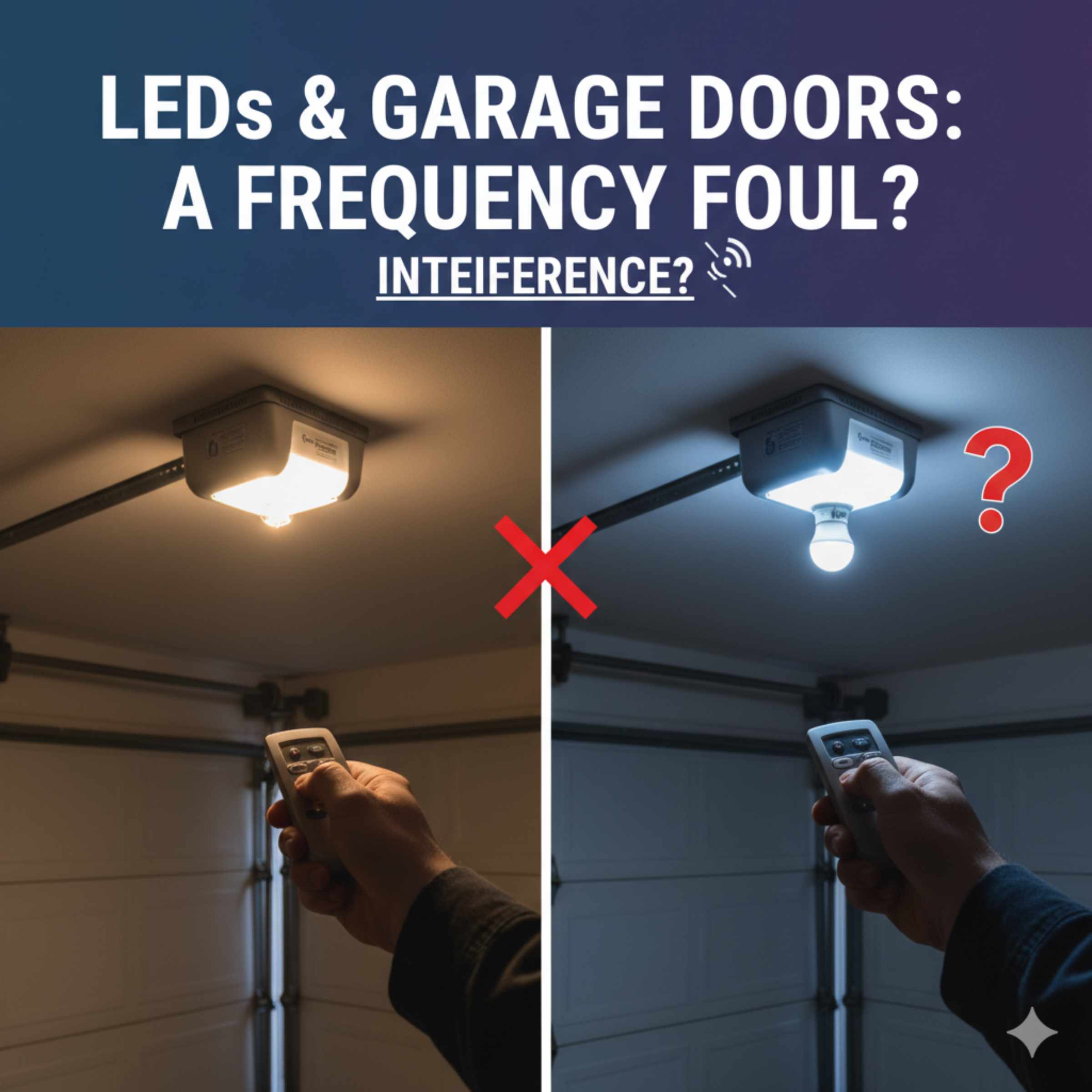
Quick Summary: Generally, modern LED light bulbs do not interfere with garage door openers. Older or poorly designed LEDs can sometimes cause issues due to radio frequency interference (RFI). If you experience problems, switching to a shielded LED or a different type of bulb is usually the fix.
Hey there, DIYers! Md Meraj here. Ever stood in your garage, ready to head out, only to have your garage door opener act like it’s on strike? You press the button, and… nothing. Or maybe it goes down a little and stops. Frustrating, right? Sometimes, the culprit might be hiding in plain sight – your garage light bulb! With the switch to energy-saving LED bulbs becoming so popular, many of us have them in our garages. But a common question pops up: do LED light bulbs interfere with garage door openers? Let’s dive in and figure this out together. We’ll break down why this happens and what you can do to keep your garage door running smoothly, so you can get on with your day!
Understanding Garage Door Opener Signals
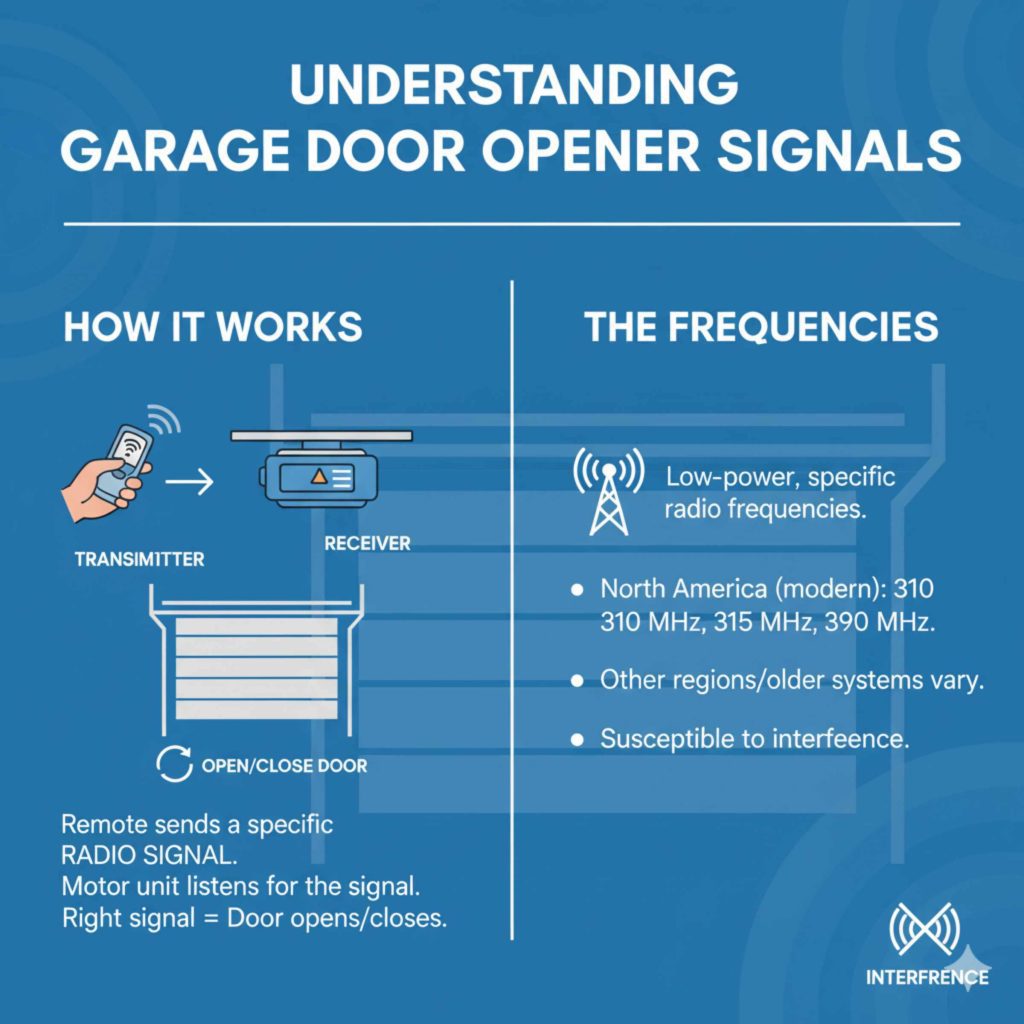
Before we talk about LEDs, let’s quickly chat about how your garage door opener works. Think of it like a tiny radio transmitter and receiver. Your remote control (the transmitter) sends a specific radio signal. Your garage door opener motor unit (the receiver) listens for that signal. When it hears the right one, it tells the door to open or close.
These signals operate on specific radio frequencies. For most modern openers in North America, this is typically around 310 MHz, 315 MHz, or 390 MHz. Older systems might use different frequencies, and international standards vary.
The key thing to remember is that these signals are quite low-power and specific. They’re designed to be robust but can sometimes be susceptible to interference from other devices that emit radio waves.
The LED Light Bulb Connection: Why the Concern?
So, where do LED bulbs fit into this? Well, LED bulbs are marvels of modern technology, but they work differently than old incandescent bulbs. Instead of a hot filament, they use semiconductors (light-emitting diodes) to produce light. This process involves electronic circuits within the bulb itself to regulate the power going to the LEDs.
Here’s where the potential for interference comes in: some of these electronic circuits, especially in older or cheaper LED designs, can emit small amounts of electromagnetic radiation. This radiation can sometimes spill over into the radio frequencies that your garage door opener uses. It’s a bit like having two people trying to talk on the phone in the same room – if one is speaking too loudly, it can drown out the other. In this case, the “loud talker” is the LED bulb’s electronics, and the “quiet talker” is your garage door opener’s signal.
This phenomenon is known as Radio Frequency Interference, or RFI. It’s not unique to LED bulbs; other electronic devices can cause it too, but LEDs have become a common point of concern due to their widespread adoption.
Do All LED Bulbs Interfere?
The good news is, no, not all LED bulbs cause problems. In fact, most modern, well-designed LED bulbs are built with RFI in mind and do not interfere with garage door openers. Manufacturers are aware of this potential issue and often design their bulbs to minimize electromagnetic emissions.
However, there are a few situations where interference is more likely:
- Older LED Designs: Early generations of LED technology might not have had as much focus on RFI suppression.
- Lower-Quality or Unbranded Bulbs: Bulbs that are significantly cheaper or lack reputable branding may cut corners on shielding and design, increasing the chance of RFI.
- Proximity to the Opener: If the LED bulb is located very close to the garage door opener’s motor unit or the antenna, the signal is more likely to be affected.
- Specific Opener Models: Some older garage door opener models might be more sensitive to interference than newer ones.
How to Tell if Your LED Bulb is Interfering
The most obvious sign is that your garage door opener starts acting up after you’ve installed new LED bulbs. Here are some specific symptoms:
- The garage door opener remote doesn’t work, or only works when you’re very close to the motor unit.
- The garage door opens partially and then stops.
- The garage door closes partially and then stops.
- The garage door opener operates erratically or intermittently.
- The issue started shortly after you replaced your old light bulbs with LEDs.
If you’re experiencing these symptoms, and you’ve recently switched to LED bulbs, it’s a strong indicator that the bulb might be the source of the interference. But don’t worry, we’ll get to the solutions!
Troubleshooting Steps: Finding the Culprit
Let’s work through this step-by-step, like any good project. The goal is to isolate the problem and confirm if the LED bulb is indeed the issue.
Step 1: Observe the Problem
Pay close attention to when the problem occurs. Does it happen every time you try to open the door? Does it happen only when the garage light is on? Does it happen with all your remotes, or just one?
Step 2: The “Turn Off the Light” Test
This is the simplest and most effective test. If your garage door opener is acting up, try this:
- Turn off the light switch that controls the LED bulb in your garage.
- Wait a minute or two.
- Try operating your garage door opener with the remote.
If the opener now works perfectly, congratulations! You’ve likely found your interference source. If it still doesn’t work, the problem might be something else (like a weak remote battery, a problem with the opener itself, or an obstruction).
Step 3: The “Swap It Out” Test
If the “turn off the light” test points to the LED bulb, the next step is to replace it temporarily:
- Make sure the power to the light fixture is off at the switch.
- Remove the suspect LED bulb.
- Install a known-working, non-LED bulb (like an incandescent or a CFL, if you have one handy).
- Turn the power back on at the switch.
- Test your garage door opener.
If the opener works fine with the old-style bulb, it confirms that your LED bulb was causing the interference. You can then decide on a permanent solution.
Step 4: Consider the Location
If you have multiple light fixtures in your garage, and the problem seems intermittent, consider which bulb is closest to your garage door opener’s motor unit and its antenna. Sometimes, only one specific bulb might be emitting enough RFI to cause issues.
Solutions for LED Interference
Found the problem? Great! Now, let’s fix it so you can have peace of mind and a working garage door opener.
Option 1: Switch to a Different Bulb Type
The most straightforward solution is to avoid LEDs altogether if they’re causing trouble. You can revert to:
- Incandescent Bulbs: These are the traditional bulbs with a filament. They are very unlikely to cause RFI. However, they are less energy-efficient and have a shorter lifespan than LEDs.
- Halogen Bulbs: A more efficient version of incandescent bulbs, also generally RFI-free.
- CFL (Compact Fluorescent) Bulbs: While more energy-efficient than incandescent, some older CFLs could also cause RFI, though it’s less common than with some LEDs. Newer ones are usually fine.
Pros: Guaranteed to solve RFI issues caused by LEDs. Simple to implement.
Cons: Less energy-efficient (incandescent/halogen), may not offer the brightness or features of LEDs.
Option 2: Choose a “Garage Door Opener Friendly” LED
Many manufacturers now produce LED bulbs specifically designed to minimize RFI. These bulbs often have better shielding or more refined internal circuitry. Look for packaging that explicitly states “garage door opener friendly,” “RFI shielded,” or similar.
How to identify them:
- Check the Packaging: Reputable brands will often highlight this feature.
- Look for Certifications: While not always present, some might have FCC certifications that indicate compliance with RFI standards.
- Research Online: Many home improvement sites and forums discuss specific brands that work well. Chamberlain, LiftMaster, and Genie often recommend or sell compatible LED bulbs.
For example, Genie, a popular garage door opener brand, offers its own LED bulbs that are designed to reduce interference. You can find them at most hardware stores or online retailers. Chamberlain/LiftMaster also offer similar solutions.
Pros: Still get the benefits of LED (energy efficiency, long life). Solves the interference problem.
Cons: May be slightly more expensive than generic LEDs. Requires careful selection.
Option 3: Improve Opener Antenna Reception
Sometimes, the issue isn’t just the bulb’s emission, but also how well your opener’s receiver can pick up the signal. You can try to improve this:
- Locate the Antenna: Most garage door opener motor units have a thin wire hanging down – this is the antenna.
- Straighten and Lower It: Ensure the antenna wire is hanging straight down and isn’t coiled up. Sometimes, lowering it further (away from potential RFI sources) can help.
- Avoid Obstructions: Make sure nothing is blocking the antenna.
This is a simple, free tweak that might help your opener cut through minor interference. It’s also a good practice for general opener performance.
Pros: Free and easy to try. Can improve overall opener range.
Cons: May not be sufficient on its own if the RFI is strong. Doesn’t solve the root cause of the interference.
Option 4: Relocate the Light Fixture (Less Common)
If possible and practical, moving the light fixture further away from the garage door opener motor unit could reduce the impact of RFI. This is usually a more involved DIY project or might require professional help.
Pros: Can effectively solve the problem if RFI is location-dependent.
Cons: Requires electrical work, potentially costly and time-consuming.
When to Consider Other Causes
It’s important to remember that while LED bulbs are a common suspect, they aren’t the only reason your garage door opener might malfunction. If you’ve tried the troubleshooting steps and changing bulbs doesn’t help, consider these other possibilities:
- Remote Control Battery: A weak or dead battery in your remote is the most frequent cause of opener failure. Try replacing it.
- Opener Motor Unit Issues: The motor itself could be failing, or there might be a problem with the internal logic board.
- Obstructions: Check the tracks and the path of the door for anything blocking its movement.
- Safety Sensors: The photoelectric safety sensors at the bottom of the tracks can prevent the door from closing if they are misaligned, dirty, or obstructed.
- Wiring Problems: Loose or damaged wiring to the motor unit or sensors can cause intermittent issues.
- Range Extenders or Other Wireless Devices: Some wireless devices, like certain Wi-Fi extenders or security systems, can operate on frequencies that might interfere.
If you suspect any of these issues, it might be time to consult your garage door opener’s manual or call a professional technician.
Table: LED Bulb Interference – Pros and Cons of Solutions
Here’s a quick comparison of the solutions we discussed:
| Solution | Pros | Cons | Best For |
|---|---|---|---|
| Switch to Incandescent/Halogen | Guaranteed to eliminate LED RFI. Simple. | Less energy-efficient, shorter lifespan. | Quick fix, simple garages. |
| Use “Opener Friendly” LEDs | Energy efficient, long-lasting. Solves RFI. | Requires specific purchase, may cost slightly more. | Homeowners wanting LED benefits. |
| Improve Opener Antenna | Free, easy, can improve overall range. | May not be enough for strong RFI. Doesn’t fix bulb. | Minor interference, general tune-up. |
| Relocate Light Fixture | Effective if RFI is distance-related. | Requires electrical work, costly, time-consuming. | Major renovations, specific setup issues. |
Choosing the Right LED for Your Garage
When you’re ready to buy new LED bulbs, keep these tips in mind:
- Look for “Garage Door Opener Compatible” or “RFI Shielded”: This is your best bet for avoiding issues. Brands like Genie, Chamberlain, and others often have specific lines.
- Consider Brightness (Lumens): Garages can be dark! Decide how much light you need. A standard garage might be fine with 800-1100 lumens, while a workshop area might need more.
- Color Temperature (Kelvin): Lower Kelvin numbers (2700K-3000K) give a warmer, yellowish light, while higher numbers (4000K-5000K) give a cooler, whiter light. Choose what you prefer for your space.
- Check Reviews: See what other users say about specific bulbs, especially regarding compatibility with garage door openers.
- Avoid Overly Cheap, Unbranded Bulbs: While tempting, these are more likely to have design flaws that cause interference. Investing a little more in a reputable brand is usually worth it.
You can often find these specialized LED bulbs at major home improvement stores or directly from garage door opener manufacturers. For instance, Chamberlain’s LiftMaster brand offers LED bulbs designed to prevent interference, a detail often mentioned in their manuals and support resources like those found on Chamberlain’s official support pages.
Safety First!
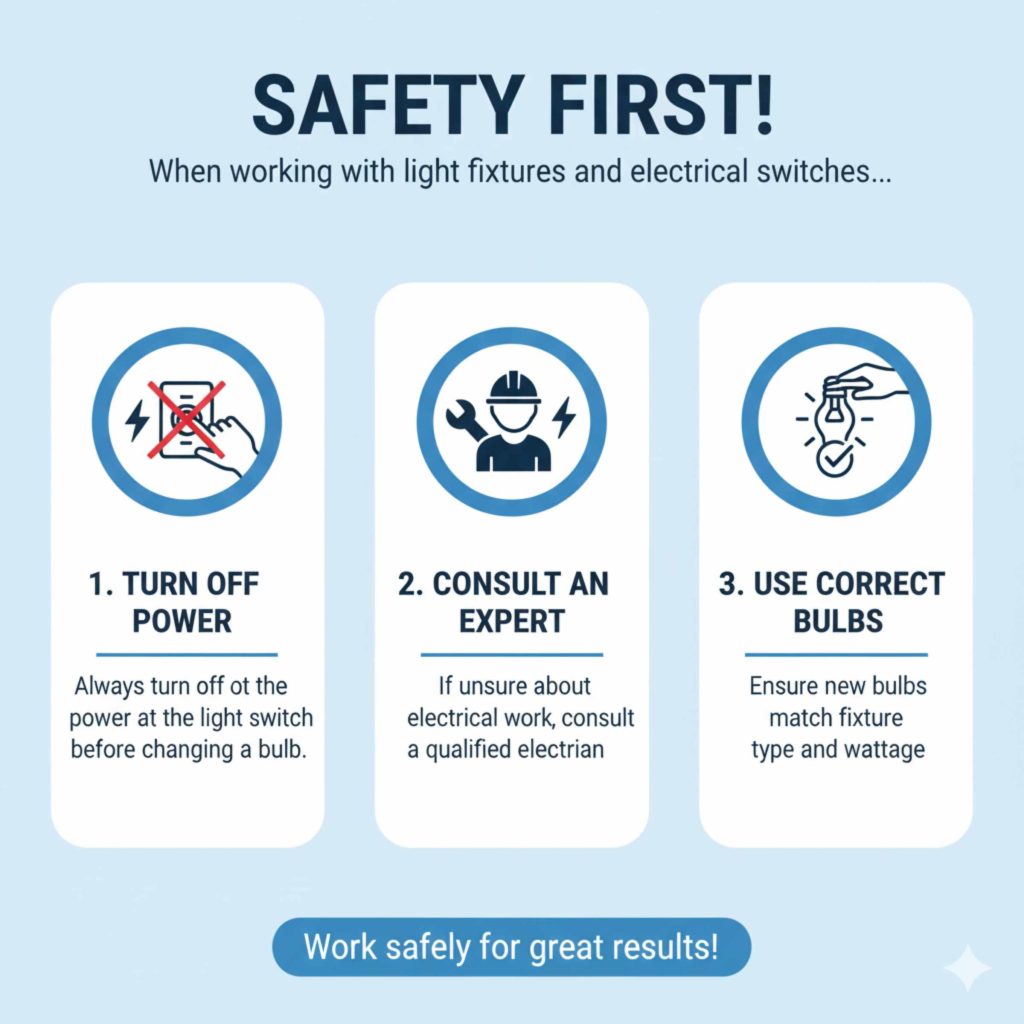
As with any home improvement task, safety is paramount. When working with light fixtures and electrical switches:
- Always turn off the power at the light switch before attempting to change a bulb.
- If you’re unsure about electrical work, especially relocating fixtures, it’s always best to consult a qualified electrician.
- Ensure any new bulbs you install are appropriate for the fixture type and wattage rating.
Working safely ensures you can tackle these projects with confidence and achieve great results without any unexpected issues.
Frequently Asked Questions (FAQ)
Q1: Can any LED bulb cause my garage door opener to malfunction?
A1: Not all of them. While some older or lower-quality LED bulbs can emit radio frequency interference (RFI) that disrupts garage door opener signals, most modern, well-designed LEDs do not cause this problem. It’s more about the specific bulb’s electronics.
Q2: How do I know if my LED bulb is causing interference?
A2: The easiest way is to test it. Turn off the garage light switch controlling the LED bulb. If your garage door opener remote then works correctly, the LED bulb is very likely the cause of the interference.
Q3: What is the simplest solution if my LED bulb is interfering?
A3: The simplest solution is often to replace the suspect LED bulb with a traditional incandescent or halogen bulb. These types of bulbs do not typically generate the radio frequencies that interfere with garage door openers.
Q4: Are there special LED bulbs designed not to interfere?
A4: Yes! Many manufacturers now produce LED bulbs specifically labeled as “garage door opener friendly” or “RFI shielded.” These are designed with internal components and shielding to prevent interference. Brands like Genie and Chamberlain often offer these.
Q5: My garage door opener is still not working after I removed the LED bulb. What else could it be?
A5: If removing the LED didn’t fix it, the problem might be elsewhere. Check your remote’s battery, ensure there are no physical obstructions in the door’s path, check the safety sensors at the bottom of the tracks, or look for issues with the opener’s motor unit or wiring. Consulting your opener’s manual is a good next step.
Q6: Can the location of the LED bulb matter?
A6: Yes, sometimes. If the LED bulb is located very close to the garage door opener’s motor unit or its antenna, it has a higher chance of causing interference. Moving the bulb further away, if possible, or ensuring the opener’s antenna is properly positioned can sometimes help.
Conclusion
So, to wrap things up, while the concern about LED light bulbs interfering with garage door openers is valid, it’s usually a manageable issue. Most modern LEDs are designed to work harmoniously with your opener. If you do encounter problems, the troubleshooting steps are straightforward: test by turning off the light, or swap in a different bulb. The most common solutions involve switching to an “opener-friendly” LED or, in some cases, reverting to a traditional bulb if a specific LED is causing persistent RFI.
By understanding how your garage door opener signals work and being mindful of the type of LED bulbs you choose, you can enjoy the benefits of energy-efficient lighting without sacrificing the convenience of your garage door opener. Happy DIYing, and may your garage door always open when you need it to!