Does Drinking Water Make You Urinate More?
Hey there! I’m thrilled you’re here to dive into this topic with me. If you’ve ever wondered, “Does drinking water make you urinate more?” you’re not alone. It’s a question that pops up often, especially when people start paying attention to their hydration habits or notice frequent trips to the bathroom after chugging a glass of water. As someone who’s explored this topic in depth—both through personal experience and digging into the science—I’m excited to break it all down for you in a way that’s clear, engaging, and easy to follow. Whether you’re trying to boost your water intake or just curious about how your body works, this article is for you. Let’s get started and uncover why water and urination seem to go hand in hand, plus a whole lot more about keeping your body happy and healthy.
Why Does Water Make You Pee More?
Let’s get straight to the point: yes, drinking water does make you urinate more. It’s not just your imagination! When you drink water, your body processes it through your digestive system, kidneys, and bladder. The kidneys are like your body’s filtration superheroes. They take in the water, filter out waste, and decide how much liquid your body needs to keep versus what it can let go. If you’re drinking a lot of water, especially in one sitting, your kidneys get to work and send the excess to your bladder. That’s when you feel the urge to pee.
Think of it like filling a bucket. If you keep pouring water in, eventually it overflows. Your bladder is the bucket, and drinking more water means it fills up faster. I remember when I started carrying a water bottle everywhere to stay hydrated—I was running to the bathroom every hour! It felt inconvenient at first, but I learned it’s just my body doing its job. The more water you drink, the more your kidneys filter, and the more you’ll need to urinate. It’s a natural cycle, and it’s actually a sign your body is working properly.
How Your Body Processes Water
To understand why drinking water leads to more urination, let’s take a quick look at how your body handles it. When you drink water, it goes to your stomach, gets absorbed into your bloodstream, and travels to your kidneys. The kidneys are amazing—they filter about 120 to 150 quarts of blood every day to produce urine. Water helps them flush out toxins, excess salts, and waste products like urea. If you’re well-hydrated, your kidneys don’t hold onto as much water because they know more is coming. So, they send the extra to your bladder, and you pee it out.
I’ve noticed this firsthand. On days when I’m sipping water steadily, my urine is clear and I’m visiting the bathroom more often. But if I’m dehydrated—say, after a long day outside in the sun—my urine gets darker, and I pee less. That’s because my body is holding onto every drop it can. Your hydration level directly affects how much you urinate, and drinking more water keeps that system running smoothly.
Does the Amount of Water Matter?
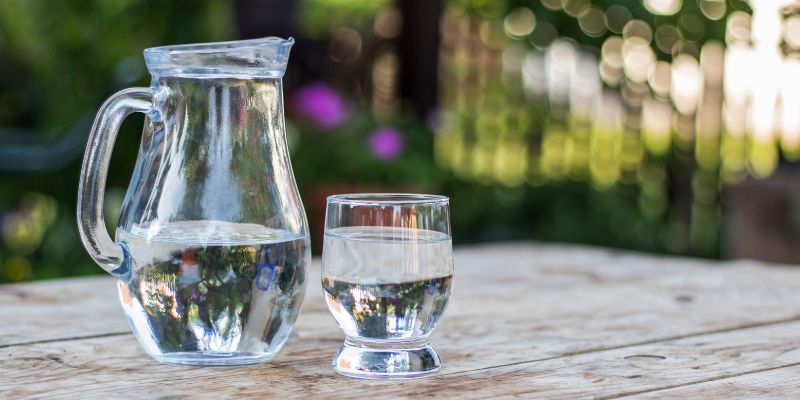
Absolutely, the amount of water you drink plays a big role in how often you pee. The average adult needs about 8 to 12 cups of water a day, depending on factors like weight, activity level, and climate. If you’re drinking more than your body needs, your kidneys will filter out the excess, leading to more frequent urination. For example, if you chug a liter of water in one go, don’t be surprised if you’re sprinting to the bathroom soon after. Your bladder can only hold about 1 to 2 cups of liquid at a time, so it fills up fast.
Here’s a little table to give you an idea of how water intake can affect urination frequency:
| Water Intake (per day) | Urination Frequency | Notes |
|---|---|---|
| 4–6 cups | 4–6 times/day | Typical for low water intake; may indicate mild dehydration. |
| 8–12 cups | 6–8 times/day | Normal for most adults; urine is usually light yellow or clear. |
| 12+ cups | 8+ times/day | Common for heavy water drinkers or athletes; frequent urination expected. |
I learned this the hard way during a summer hike. I drank nearly a gallon of water to stay hydrated, and let’s just say I got very familiar with the bushes along the trail. The key is to sip water throughout the day rather than gulping large amounts at once. It helps your body process it more evenly and reduces those urgent bathroom dashes.
Other Factors That Affect Urination
Drinking water isn’t the only thing that influences how often you pee. Several other factors can play a part, and I’ve seen this in my own life. For starters, what you eat or drink alongside water matters. Coffee, tea, and alcohol are diuretics, meaning they make you pee more by telling your kidneys to release more water. I love my morning coffee, but I’ve noticed it sends me to the bathroom faster than water alone.
Your health and lifestyle also make a difference. Conditions like diabetes or urinary tract infections can increase urination, regardless of water intake. Pregnancy, too, can make you pee more often because of pressure on the bladder—I’ve heard this from friends who’ve been through it. Even stress can play a role! When I’m anxious, I sometimes feel like I need to pee more, even if I haven’t had much water. It’s like my body’s sending extra signals to keep me on my toes.
Age and gender matter too. As we get older, our bladder might not hold as much, leading to more frequent trips. Men and women can also experience differences due to anatomy—women often have smaller bladders, so they may pee more often even with the same water intake. Knowing these factors helped me make sense of why my bathroom habits change from day to day.
Is Frequent Urination a Good Thing?
You might be wondering if peeing a lot is healthy or something to worry about. In most cases, frequent urination from drinking water is a good sign. It means your kidneys are working well, flushing out waste and keeping your body balanced. Clear or light yellow urine is usually a sign you’re well-hydrated, which is great for your skin, energy levels, and overall health.
That said, there’s a flip side. Peeing too often can be inconvenient, especially if you’re at work or traveling. I’ve been there—trying to focus in a meeting while my bladder’s screaming for attention. It can also mess with your sleep if you’re waking up multiple times at night. If you’re peeing more than 8 times a day or feel like it’s disrupting your life, it might be worth checking in with a doctor to rule out underlying issues like an overactive bladder or diabetes.
For me, finding a balance was key. I aim to drink enough water to stay hydrated but spread it out during the day. That way, my bladder gets a break, and I’m not running to the bathroom every 30 minutes. It’s all about listening to your body and finding what works for you.
Can Drinking Too Much Water Be Harmful?
This might surprise you, but yes, you can drink too much water. It’s rare, but overdoing it can lead to a condition called water intoxication or hyponatremia. This happens when you drink so much water that your kidneys can’t keep up, and it dilutes the sodium in your blood. Low sodium levels can cause symptoms like nausea, headaches, or even seizures in extreme cases.
I first heard about this when a friend training for a marathon overhydrated and ended up feeling sick. It’s not common for most people, but athletes or folks doing intense exercise need to be careful. The general rule? Drink when you’re thirsty and aim for those 8–12 cups a day unless you’re super active or live in a hot climate. Your body’s pretty good at telling you what it needs if you pay attention.
Tips to Manage Frequent Urination
If drinking more water has you peeing all the time and it’s driving you nuts, don’t worry—there are ways to manage it. Here are some tips I’ve picked up along the way:
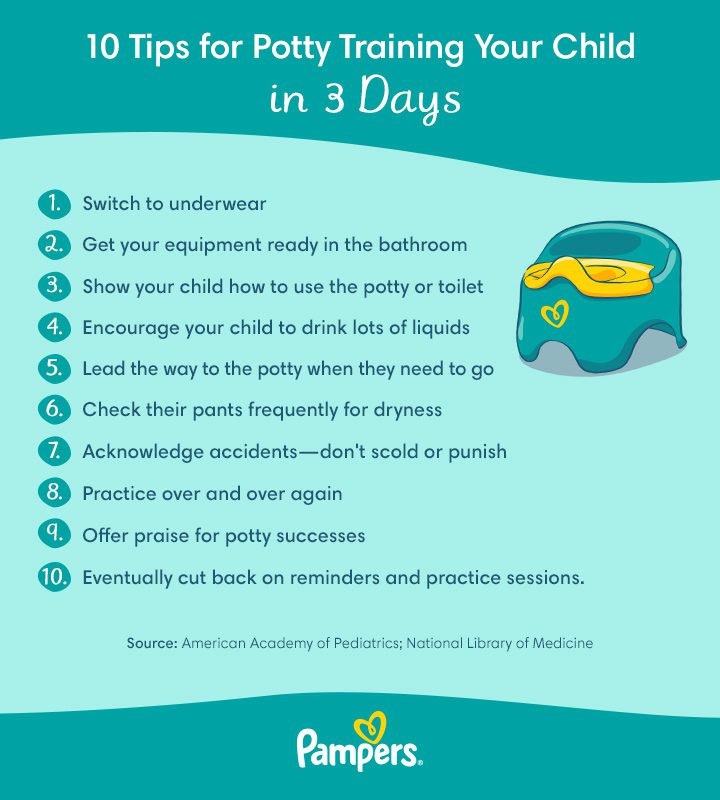
- Sip, don’t chug. Drinking small amounts of water throughout the day is easier on your bladder than downing a huge bottle all at once. I keep a reusable water bottle on my desk and take small sips every hour or so.
- Time your intake. Try to drink most of your water earlier in the day. I cut back on liquids a couple of hours before bed to avoid waking up at night.
- Watch your diet. Avoid diuretics like caffeine or alcohol if you’re trying to reduce bathroom trips. I love my iced coffee, but I save it for mornings when I know I’ll be near a restroom.
- Strengthen your pelvic floor. Exercises like Kegels can help you control your bladder better, especially for women. I started doing them after a friend recommended them, and they’ve made a difference.
- Check with a doctor. If you’re peeing a lot and it’s not tied to water intake, it’s worth getting checked out. Better safe than sorry.
These little tweaks have helped me stay hydrated without feeling like I’m living in the bathroom. Experiment and see what works for you.
How Hydration Benefits Your Body
Drinking enough water doesn’t just affect your bladder—it’s a game-changer for your whole body. When I started prioritizing hydration, I noticed my skin looked clearer, I had more energy, and even my digestion improved. Water helps your body regulate temperature, lubricate joints, and deliver nutrients to cells. It’s like giving your body a daily tune-up.
Proper hydration also supports your kidneys in flushing out toxins, which can prevent issues like kidney stones. I had a scare with a kidney stone once, and let me tell you, it made me religious about drinking water. Staying hydrated keeps your urine diluted, reducing the risk of stones or infections. Plus, it can help with weight management—sometimes thirst feels like hunger, and drinking water can curb unnecessary snacking.
Myths About Water and Urination
There are a few myths floating around about water and urination that I’ve come across. One big one is that drinking water only makes you pee if you’re dehydrated. Not true! Even if you’re perfectly hydrated, extra water will still go through your system and out as urine. Another myth is that holding in your pee is harmless. I used to do this when I was stuck in long meetings, but it can actually lead to bladder infections or weaken your bladder over time.
Some people also think that drinking less water will stop frequent urination. While it might reduce trips to the bathroom, it’s not a healthy solution. Dehydration can cause fatigue, headaches, and even kidney problems. Trust me, I’ve tried skimping on water to avoid peeing during a road trip, and I just ended up feeling lousy.
Conclusion
So, does drinking water make you urinate more? You bet it does, and that’s a good thing! It’s your body’s way of keeping everything in balance, flushing out waste, and staying healthy. Through my own journey of figuring out hydration, I’ve learned that drinking water is one of the simplest ways to care for yourself, even if it means a few extra bathroom trips. By sipping water throughout the day, paying attention to your body’s signals, and making small tweaks to your habits, you can stay hydrated without letting your bladder run your life. Here’s to clear urine, happy kidneys, and feeling your best—cheers with a glass of water!
Frequently Asked Questions
Why do I pee so much when I drink water?
When you drink water, your kidneys filter out the excess and send it to your bladder. The more water you drink, the faster your bladder fills up, which means more trips to the bathroom. It’s totally normal and a sign your body’s doing its job.
Is it bad to pee a lot after drinking water?
Not at all! Frequent urination from drinking water usually means your kidneys are working well and your body is hydrated. But if it’s excessive or comes with pain, talk to a doctor to rule out any issues.
How much water should I drink to avoid peeing too much?
Aim for 8–12 cups of water a day, depending on your size and activity level. Sip it slowly throughout the day instead of chugging large amounts to keep your bladder from filling up too fast.
Can drinking too much water hurt my kidneys?
Drinking too much water is rare, but it can lead to water intoxication, where your kidneys can’t process the excess. Stick to your body’s thirst cues and the recommended 8–12 cups daily to stay safe.
Does coffee make me pee more than water?
Yes, coffee is a diuretic, which means it tells your kidneys to release more water than usual. That’s why you might pee more after a cup of coffee compared to the same amount of water.