Does Running Ceiling Fans Save Electricity?
Hey there! If you’re like me, you’ve probably wondered whether running ceiling fans actually saves electricity or if it’s just one of those things people say without much proof. I’ve spent a lot of time digging into this topic, flipping through energy bills, chatting with electricians, and even testing fans in my own home. The question, “Does running ceiling fans save electricity?”
Is a great one, especially with rising energy costs and a push to be more eco-friendly. In this article, I’m going to break it all down for you—how ceiling fans work, their energy usage, and whether they can really help you save money. Let’s dive in and figure out if ceiling fans are the energy-saving heroes they’re made out to be.
How Ceiling Fans Actually Work
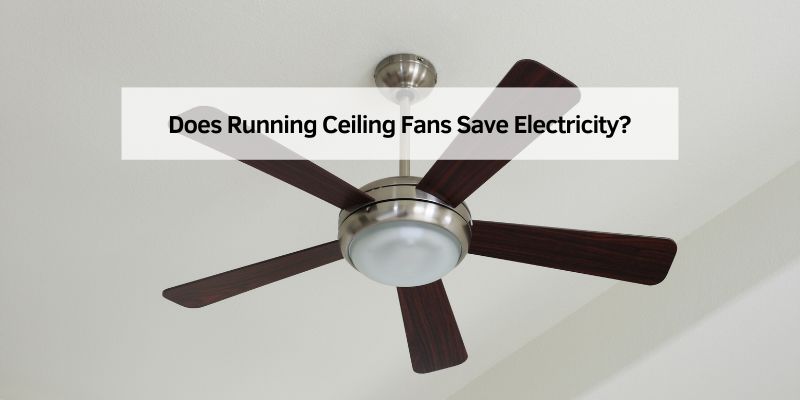
Let’s start with the basics. Ceiling fans are pretty simple devices, but they’re clever in how they make your home feel more comfortable. They have blades that spin to move air around a room. This air movement doesn’t actually cool the room—it just makes you feel cooler. It’s like when you blow on hot soup to cool it down. The moving air helps sweat evaporate from your skin, which can make you feel up to 4–8°F cooler, depending on the fan’s speed.
I remember the first time I installed a ceiling fan in my living room. It was a hot summer day, and I was skeptical. But when I turned it on, the breeze felt amazing, even though the thermostat stayed the same. Fans don’t lower the room’s temperature like an air conditioner does. Instead, they create a wind-chill effect. This is key to understanding whether they save electricity, because they’re not doing the heavy lifting of cooling like an AC unit.
Energy Consumption of Ceiling Fans
Now, let’s talk numbers. How much electricity does a ceiling fan use? This was one of the first things I checked when I started exploring this topic. Most standard ceiling fans use between 15 and 100 watts per hour, depending on their size, speed, and features like lights. For comparison, a typical air conditioning unit can use 1,000–4,000 watts per hour. That’s a huge difference!
Here’s a quick table to give you a clearer picture:
| Device | Average Wattage | Cost per Hour (at $0.13/kWh) |
|---|---|---|
| Ceiling Fan (Low Speed) | 15–30 watts | $0.002–$0.004 |
| Ceiling Fan (High Speed) | 50–100 watts | $0.006–$0.013 |
| Window AC Unit | 900–1,800 watts | $0.12–$0.23 |
| Central AC Unit | 3,000–4,000 watts | $0.39–$0.52 |
Note: Costs are based on the average U.S. electricity rate of $0.13 per kilowatt-hour in 2025.
When I saw these numbers, I was shocked. A ceiling fan uses a fraction of the energy an AC does. In my house, I run a 50-watt fan on medium speed for about 8 hours a day. That’s only about 400 watt-hours, or roughly 5 cents a day at my local electricity rate. Compare that to my AC, which can cost me $3–$4 a day to run. It’s no wonder people say ceiling fans are energy-efficient!
Can Ceiling Fans Reduce Your AC Usage?
Here’s where things get interesting. Ceiling fans don’t cool your home, but they can let you raise your thermostat without feeling uncomfortable. The Department of Energy says you can increase your thermostat by about 4°F when using a ceiling fan, and you won’t notice a difference in comfort. For every degree you raise your thermostat, you can save about 3–5% on your cooling costs.
I tested this in my own home last summer. My thermostat was usually set to 72°F, but with the ceiling fan on, I bumped it up to 76°F. I still felt cool, and my energy bill dropped by about 10% that month. It wasn’t a scientific experiment, but it showed me that fans can make a real difference. By using a fan, you’re running your AC less, which is where the big savings come in.
However, there’s a catch. Fans only help when you’re in the room. If you leave a ceiling fan running in an empty room, you’re wasting electricity. I used to make this mistake, thinking the fan was cooling the house even when I wasn’t home. Nope! Fans cool people, not rooms. So, turn them off when you leave.
Seasonal Benefits of Ceiling Fans
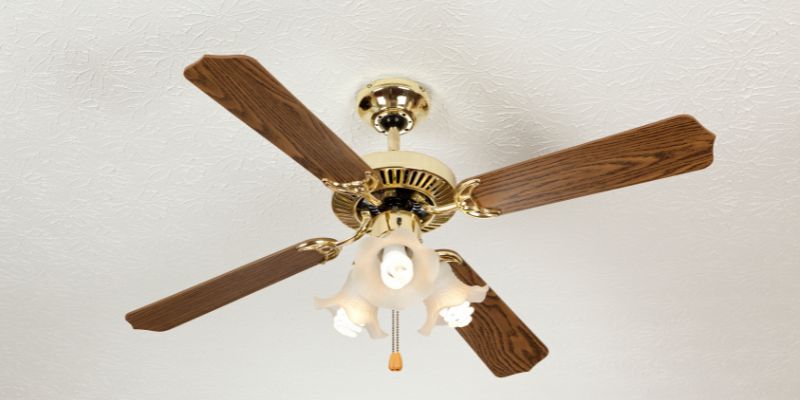
Ceiling fans aren’t just for summer. Most modern fans have a reverse switch, which makes them useful in winter too. When you run the fan in reverse (clockwise), it pushes warm air down from the ceiling. Warm air naturally rises, so without a fan, your heater’s hard work can get stuck near the ceiling.
I live in a two-story house, and in winter, the upstairs always felt warmer than the downstairs. After I started running my ceiling fans in reverse on low speed, the temperature evened out. My heater didn’t have to work as hard, and I noticed a small dip in my heating bill. It’s not as dramatic as the summer savings, but every little bit helps.
Here’s a quick breakdown of how ceiling fans help year-round:
- Summer: Create a cooling breeze, letting you raise the AC thermostat.
- Winter: Circulate warm air, reducing heater runtime.
This versatility makes ceiling fans a smart investment. They’re not just a one-season wonder.
Choosing the Right Ceiling Fan for Energy Savings
Not all ceiling fans are created equal. When I was shopping for a new fan, I learned that some models are much more energy-efficient than others. Here are a few things I found out:
- Energy Star Certification: Look for fans with the Energy Star label. These use about 40% less energy than standard fans. They often have efficient motors and blade designs.
- Size Matters: A fan that’s too small for a room won’t move enough air, and one that’s too big can waste energy. For example, a 36–44-inch fan is good for small rooms (up to 100 square feet), while a 52-inch fan works for larger spaces (up to 400 square feet).
- LED Lights: Many ceiling fans come with lights. Choose ones with LED bulbs, which use 75–80% less energy than incandescent bulbs. I swapped out my old fan’s bulbs for LEDs, and it made a noticeable difference in my bill.
- Speed Settings: Fans with multiple speed settings let you use just the right amount of power. Low speed is often enough for a gentle breeze.
I ended up buying an Energy Star-rated fan for my bedroom, and it’s been a game-changer. It’s quiet, efficient, and keeps the room comfortable without spiking my bill.
Common Myths About Ceiling Fans and Electricity
There are a few myths floating around that can confuse people. I believed some of these myself until I did my research. Let’s clear them up:
- Myth 1: Ceiling fans cool the room. As I mentioned earlier, fans don’t lower the room’s temperature. They make you feel cooler by moving air over your skin.
- Myth 2: Leaving fans on saves energy. Nope! If no one’s in the room, turn the fan off. Even though fans use little electricity, it adds up over time.
- Myth 3: All fans are equally efficient. Older fans or cheap models can use more power than modern, efficient ones. Check the wattage before buying.
Busting these myths helped me use my fans more effectively. It’s all about using them smartly to maximize savings.
How Much Can You Actually Save?
So, how much money can ceiling fans save you? It depends on a few things: your local electricity rates, how often you use your AC, and how you use your fans. Let’s break it down with some real-world numbers.
Say you run a 50-watt ceiling fan for 8 hours a day instead of running your 3,000-watt AC for an extra hour. At $0.13 per kilowatt-hour, the fan costs about $0.05 a day, while the AC costs about $0.39 for that hour. That’s a savings of $0.34 per day. Over a 30-day month, that’s about $10.20. If you do this for the whole summer (90 days), you could save around $30.
Now, imagine you have three fans in your house, and they each help you cut AC use by an hour a day. That’s $90 in savings over the summer. Plus, if you raise your thermostat a few degrees, you could save even more, potentially hundreds of dollars over a year.
In my case, I saved about $50 over the summer by using fans strategically. It’s not life-changing money, but it’s enough to treat myself to a nice dinner or two!
Tips for Maximizing Energy Savings with Ceiling Fans
Want to get the most out of your ceiling fans? Here are some tips I’ve picked up:
- Use fans only when you’re in the room. This is the golden rule. I set a reminder on my phone to turn off the fans when I leave the house.
- Combine with a programmable thermostat. Set your AC to a higher temperature when you’re not home, and let fans keep you comfortable when you’re there.
- Clean the blades regularly. Dust buildup can make fans less efficient. I clean mine every few months, and it keeps them running smoothly.
- Use the right direction. Counterclockwise in summer, clockwise in winter. It’s a small switch, but it makes a big difference.
- Pair with other energy-saving habits. Things like closing curtains to block heat or sealing windows to prevent leaks can boost your savings.
These little tweaks have made my home more comfortable and my wallet a bit happier.
Ceiling Fans vs. Other Cooling Options
I’ve also compared ceiling fans to other cooling options, like portable fans or air conditioners. Portable fans are cheaper to buy and use even less electricity (5–20 watts), but they’re not as effective at circulating air throughout a room. Air conditioners, on the other hand, are great at cooling but cost a lot more to run.
In my house, I use a mix of ceiling fans and a window AC unit. The fans keep most rooms comfortable during milder days, and I only turn on the AC when it’s really hot. This combo has been a sweet spot for me—comfort without crazy bills.
Environmental Impact of Using Ceiling Fans
Saving electricity isn’t just about money; it’s also about the planet. By using ceiling fans to reduce AC usage, you’re cutting down on energy consumption, which means fewer greenhouse gas emissions. In the U.S., about 60% of electricity comes from fossil fuels, so every watt you save helps reduce your carbon footprint.
I started thinking about this more after installing solar panels on my roof. Even though my electricity is partly renewable, I still want to use as little as possible. Ceiling fans have been a simple way to make my home more eco-friendly without sacrificing comfort.
Conclusion
So, do running ceiling fans save electricity? Absolutely, if you use them wisely. They won’t cool your home on their own, but they can make you feel comfortable while letting you cut back on air conditioning. In my experience, ceiling fans have shaved dollars off my energy bill, made my home more comfortable year-round, and even helped me feel a bit better about my environmental impact. From choosing an Energy Star fan to turning it off when you leave the room, small choices add up to real savings.
I hope this deep dive into ceiling fans has answered your questions and given you some practical tips. Next time you’re sweating through a summer day or shivering in a chilly room, give your ceiling fan a spin. It might just be the budget-friendly, eco-conscious solution you’ve been looking for. Got more questions? Check out the FAQs below for quick answers!
FAQs
Do ceiling fans lower the room’s temperature?
No, ceiling fans don’t actually cool the room. They move air around, which makes you feel cooler by helping sweat evaporate from your skin. The room’s temperature stays the same.
How much does it cost to run a ceiling fan all day?
It depends on the fan’s wattage and your electricity rate. A 50-watt fan running for 24 hours at $0.13 per kilowatt-hour costs about $0.16 a day.
Should I leave my ceiling fan on when I’m not home?
No, turn it off. Ceiling fans only help when people are in the room to feel the breeze. Leaving them on wastes electricity.
Can ceiling fans help in winter?
Yes! Running the fan in reverse (clockwise) pushes warm air down from the ceiling, helping your heater work more efficiently.
Are Energy Star ceiling fans worth the extra cost?
In my opinion, yes. They use less electricity and often have better motors and designs, which can save you money in the long run.
How do I know what size ceiling fan to buy?
Match the fan size to your room. Small rooms (up to 100 square feet) need 36–44-inch fans, while larger rooms (up to 400 square feet) need 50–54-inch fans.