Can pee hurt my plants?
When I started gardening, I heard a weird tip: use urine as fertilizer. I thought, “Does urine kill plants or help them grow?” My first try was scary—I poured pee on my tomatoes and worried I’d ruin them! But they grew huge and juicy. In this article, I’ll share if urine kills plants, how to use it safely, and easy tips to make your garden thrive. Whether you’re a beginner or a pro, you’ll find simple advice to try this free fertilizer. Let’s dig in and explore this quirky gardening trick together!
What Is Urine, and Why Use It in Gardening?
Urine is the liquid your body makes when you pee. It’s mostly water but has nutrients plants love, like nitrogen. Nitrogen helps plants grow big leaves and strong stems. I learned this when my garden needed a boost, and store-bought fertilizers were pricey. Urine is free and full of good stuff for plants. But you need to use it right, or it can harm your garden. Let’s see how it works and if it’s safe.
Why Does Urine Help Plants?
Urine has nitrogen, phosphorus, and potassium—key plant foods. Nitrogen makes leaves green, phosphorus helps roots, and potassium keeps plants healthy. A study from the University of Michigan showed urine is safe for plants if used correctly. I tried it on my zucchini, and they doubled in size! But too much urine can burn plants because it’s strong. Diluting it with water makes it safe and effective.
Does Urine Kill Plants?
The big question: does urine kill plants? If you pour it straight on plants, it might. Urine has salts and nitrogen that can burn roots or leaves if it’s too strong. I made this mistake once with my lettuce—it turned brown and wilted. But diluted urine is safe and helpful. Think of it like giving plants a vitamin drink—too much can overwhelm them, but the right amount makes them thrive.
What Happens If You Use Too Much Urine?
Too much urine adds too much nitrogen and salt to the soil. This can dry out plant roots or burn leaves, like over-salting your food. My neighbor once dumped a whole bucket of pee on his roses, and they looked sad for weeks. Diluting urine or spreading it out prevents this. Always water the soil after applying urine to wash it in.
How to Use Urine Safely in Your Garden
Using urine in your garden is easy if you follow simple steps. I’ve tested this on my veggies and flowers, and it works great when done right. Here’s a step-by-step guide to get you started. You don’t need fancy tools—just a container, water, and a garden!
Step-by-Step Guide to Using Urine as Fertilizer
- Collect urine: Pee in a clean container, like a jug or bucket.
- Dilute it: Mix one part urine with ten parts water.
- Pour it: Apply to the soil around plants, not on leaves.
- Water it in: Add plain water to help it soak into the soil.
- Repeat: Use once every two weeks for best results.
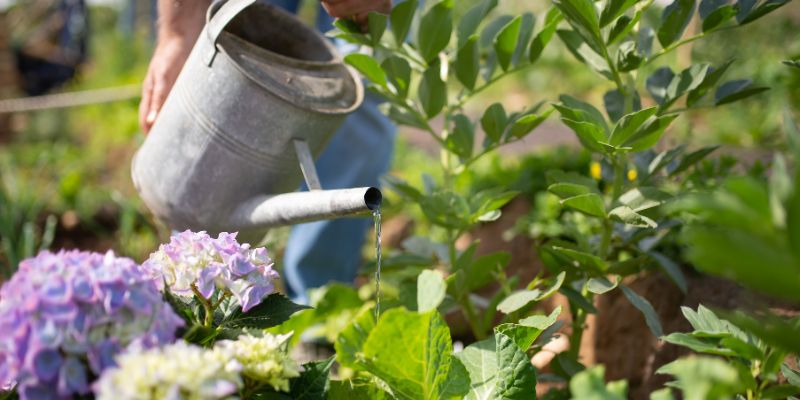
I use a watering can for easy pouring. This method saved me money and made my cucumbers super happy!
Tools and Materials Needed
You don’t need much to use urine in your garden. Here’s a simple list:
- Container: A clean jug or bucket to collect urine.
- Water: To dilute urine and make it safe.
- Watering can: For easy, even pouring.
- Gloves (optional): If you want to keep things extra clean.
A basic watering can costs about $5 at a garden store. I got mine at a thrift shop for $2!
Benefits and Drawbacks of Using Urine
Using urine has upsides and downsides. I’ve seen both in my garden. Let’s break it down with a table to make it clear.
Table 1: Benefits and Drawbacks of Urine as Fertilizer
| Aspect | Benefits | Drawbacks |
|---|---|---|
| Cost | Free from your body! | None, it’s free. |
| Nutrients | Full of nitrogen, phosphorus, potassium. | Too much can burn plants. |
| Availability | You make it every day. | Needs dilution for safety. |
| Environment | Reduces waste, eco-friendly. | Smell if not diluted or stored right. |
This table shows why urine is a great choice but needs care. I love that it’s free and helps the planet!
Benefits of Urine in Gardening
- Free fertilizer: No need to buy expensive plant food.
- Nutrient-rich: Boosts plant growth fast.
- Eco-friendly: Keeps nutrients out of sewers.
I noticed my peppers grew faster with urine than with store-bought fertilizer. It’s like giving plants a natural energy drink!
Drawbacks to Watch Out For
- Burn risk: Too much urine can harm plants.
- Smell: Undiluted urine can stink.
- Social stigma: Some people think it’s gross.
I once forgot to dilute urine, and my herbs smelled bad for a day. Always mix with water to avoid this!
Alternatives to Urine for Fertilizing Plants
If urine feels weird, there are other options. I’ve tried these when I wanted variety in my garden. Here’s a comparison table to help you choose.
Table 2: Comparing Urine to Other Fertilizers
| Fertilizer | Cost | Ease of Use | Nutrient Level |
|---|---|---|---|
| Urine | Free | Needs dilution | High nitrogen |
| Compost | Free (if homemade) | Easy to spread | Balanced nutrients |
| Store-bought | $5-$20 | Simple to apply | Varies by brand |
Compost is great for slow, steady feeding. Store-bought fertilizers are easy but cost money. Urine is free and fast-acting!
Other Fertilizer Options
- Compost: Made from kitchen scraps, it’s free and gentle.
- Manure: Animal poop works but needs aging.
- Commercial fertilizers: Quick but pricey and less eco-friendly.
I mix urine and compost for the best results. It’s like giving plants a full meal!
My Top Tips for Using Urine in Your Garden
After years of gardening, I’ve learned tricks to make urine work well. Here are my favorites:
- Dilute properly: Always mix one part urine with ten parts water.
- Avoid leaves: Pour on soil to prevent burning.
- Test small: Try on one plant first to see results.
These tips saved my garden from mistakes. Start small, and you’ll love the results!
Common Mistakes to Avoid
- Using too much: Don’t pour undiluted urine—it burns plants.
- Ignoring soil: Wet soil helps urine soak in safely.
- Not watering after: Always rinse with water to spread nutrients.
I learned this the hard way when my spinach wilted. Watering after fixed it!
Safety Tips for Using Urine
Urine is safe if you’re healthy, but take care. Here are safety tips:
- Use healthy urine: Avoid if you’re sick or on strong meds.
- Store safely: Keep urine in a closed container to avoid smells.
- Wash hands: Clean up after handling to stay hygienic.
I always wash my hands after gardening with urine. It keeps things clean and safe.
Is Urine Safe for Plants?
A study from the Stockholm Environment Institute says urine is safe for crops when diluted. It’s been used for thousands of years! But if you take lots of medicines, check with a gardening expert first. My plants have never had issues with my urine, and I feel good saving money.
Visual Ideas for Better Understanding
To make this easier, here are visual ideas you could create:
- Dilution guide diagram: Show a bucket with one cup urine and ten cups water.
- Plant health chart: Compare plants with and without urine fertilizer.
- Step-by-step infographic: Illustrate collecting, diluting, and pouring urine.
These visuals would make the process super clear for beginners!
Conclusion
Using urine in your garden can be a game-changer. It’s free, full of nutrients, and eco-friendly, but you must dilute it to avoid harming plants. My tomatoes and zucchini love it, and yours might too! Try diluting urine and pouring it on one plant to see the magic. Share your results with friends or in a gardening group—it’s fun to compare! Have a question? Drop it below, and let’s grow together. Happy gardening!
Frequently Asked Questions
Does Urine Kill Plants If Used Wrong?
Yes, undiluted urine can burn plants. It has strong nitrogen and salts that harm roots or leaves if not mixed with water. Dilute one part urine with ten parts water and pour on soil, not leaves. I burned my lettuce once by skipping dilution, but watering it in saved most plants.
Is Urine Safe for All Plants?
Most plants like urine, but some are sensitive. Veggies like tomatoes and zucchini love it, but carrots don’t like too much salt. Start with a small test on one plant. My peppers thrived, but I use less on delicate herbs. Always dilute for safety.
How Often Should I Use Urine?
Use urine every two weeks for best results. Too often can overload plants with nitrogen. I water my veggies with diluted urine every other week, and they grow strong. Water the soil after to help nutrients soak in evenly.
Can Urine Smell Bad in the Garden?
Undiluted urine can smell bad, but diluting it helps. Pour it on soil and water it in to reduce odor. My garden never smells when I dilute properly. Store urine in a closed container to avoid smells before using.
Is Urine Better Than Store-Bought Fertilizer?
Urine is free and nutrient-rich, but store-bought fertilizers are easier to measure. Urine needs dilution, while commercial options are ready to use. I mix both for my garden—urine for quick boosts, compost for steady growth. Try urine to save money!
Can I Use Urine If I’m on Medication?
If you take strong medicines, talk to a gardening expert first. Some drugs can pass into urine and might affect plants or soil. I only use my urine because I’m healthy and avoid meds. Diluting helps reduce any risks.
Where Can I Learn More About Urine Fertilizer?
Check trusted gardening sites for more info. The Stockholm Environment Institute has studies on urine as fertilizer. The Old Farmer’s Almanac offers general gardening tips. Gardening Know How explains natural fertilizers. These helped me learn!