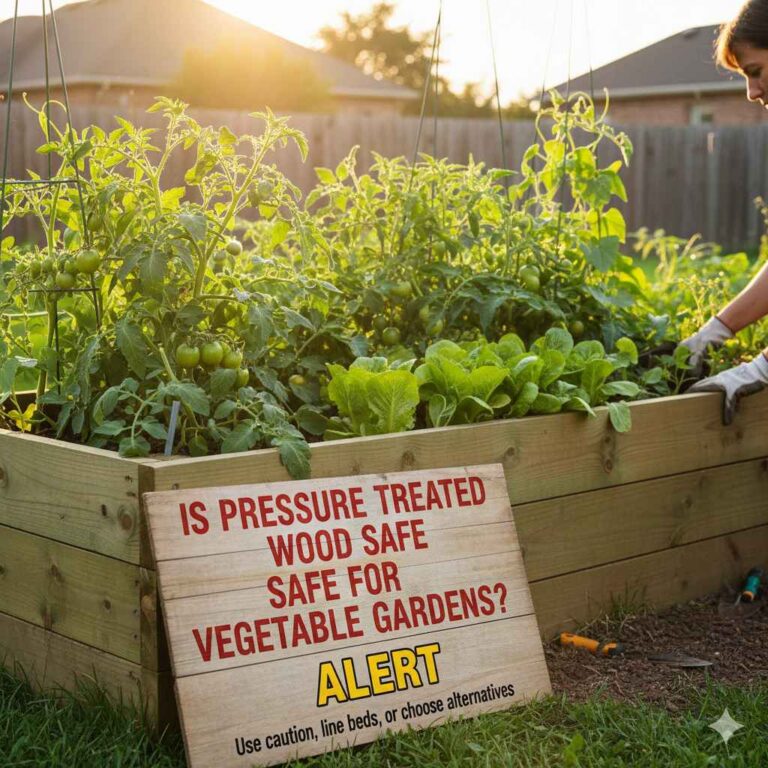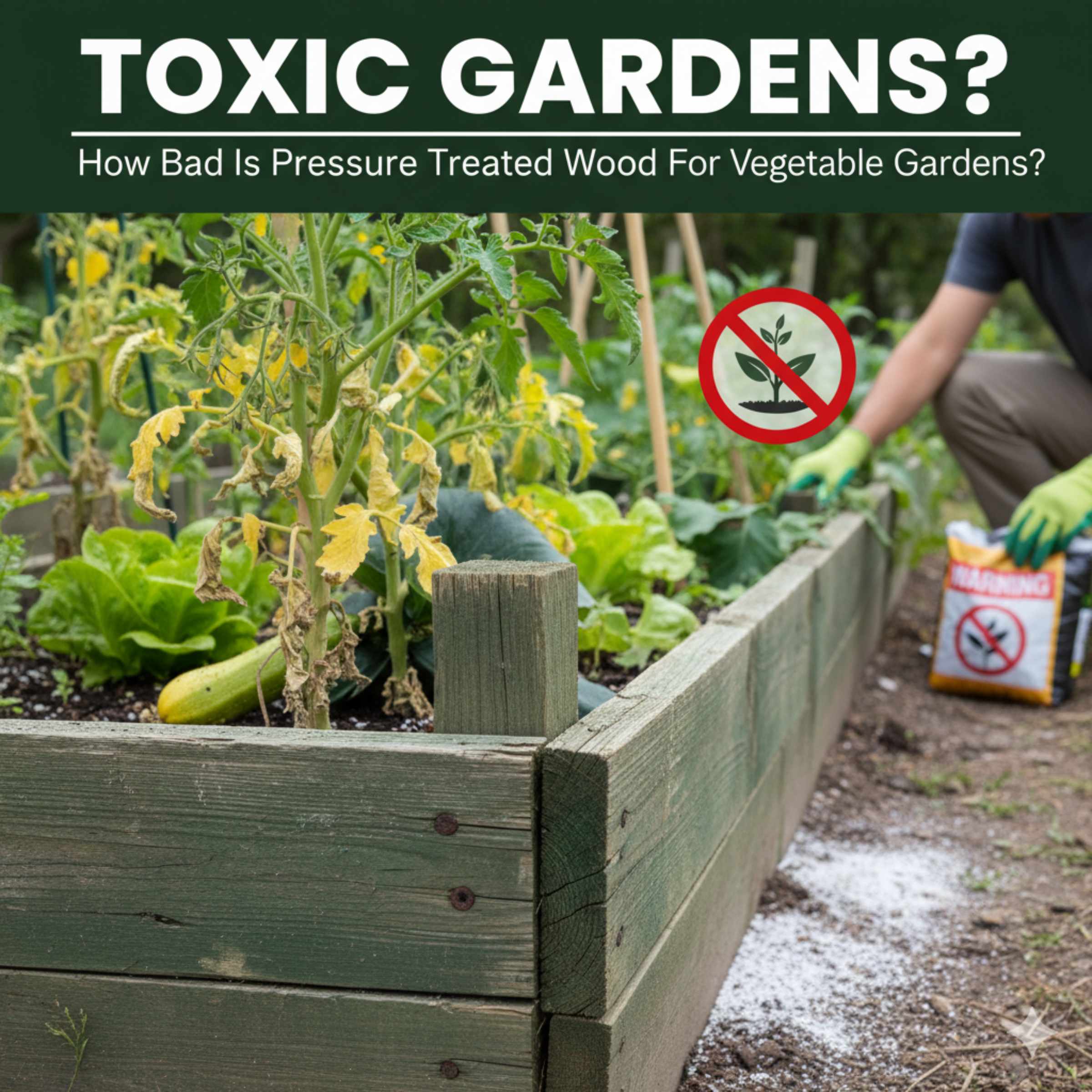
How Bad Is Pressure Treated Wood For Vegetable Gardens: Essential Guide
Quick Summary:
Pressure-treated wood is generally considered safe for vegetable gardens, especially newer types treated with alkaline copper quaternary (ACQ) or copper azole (CA). Older treatments containing arsenic (CCA) pose potential risks. Proper installation and maintenance minimize any concerns.
Thinking about building a raised garden bed or a sturdy fence for your veggies? You might have a stack of pressure-treated lumber sitting around, or you might be looking at options at the hardware store. It’s a common question: can you safely use this wood so close to the food you grow? It’s a valid concern, and I’m here to break it down for you in a way that’s easy to understand. We’ll explore what pressure-treated wood is, the different types, and how they might (or might not) affect your garden. By the end, you’ll feel confident making the best choice for your edible oasis.
What Exactly Is Pressure Treated Wood?
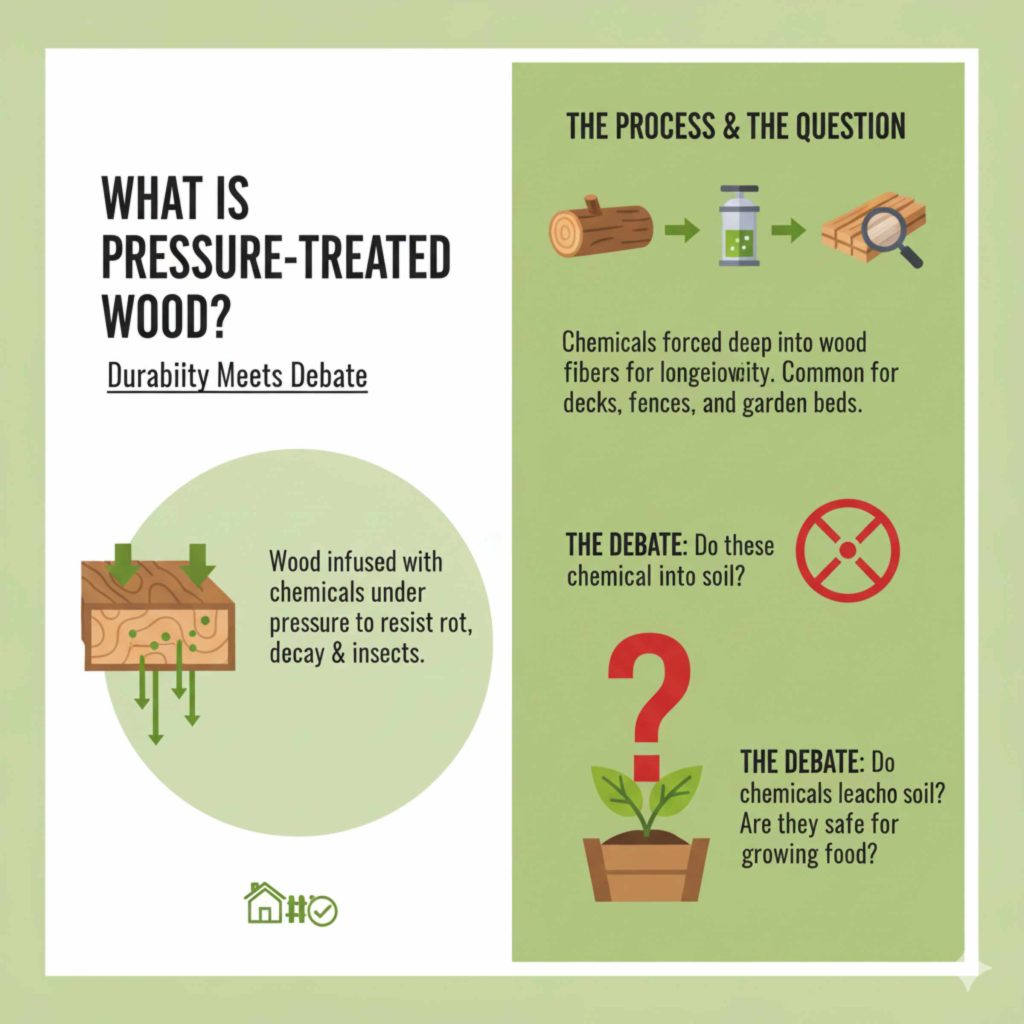
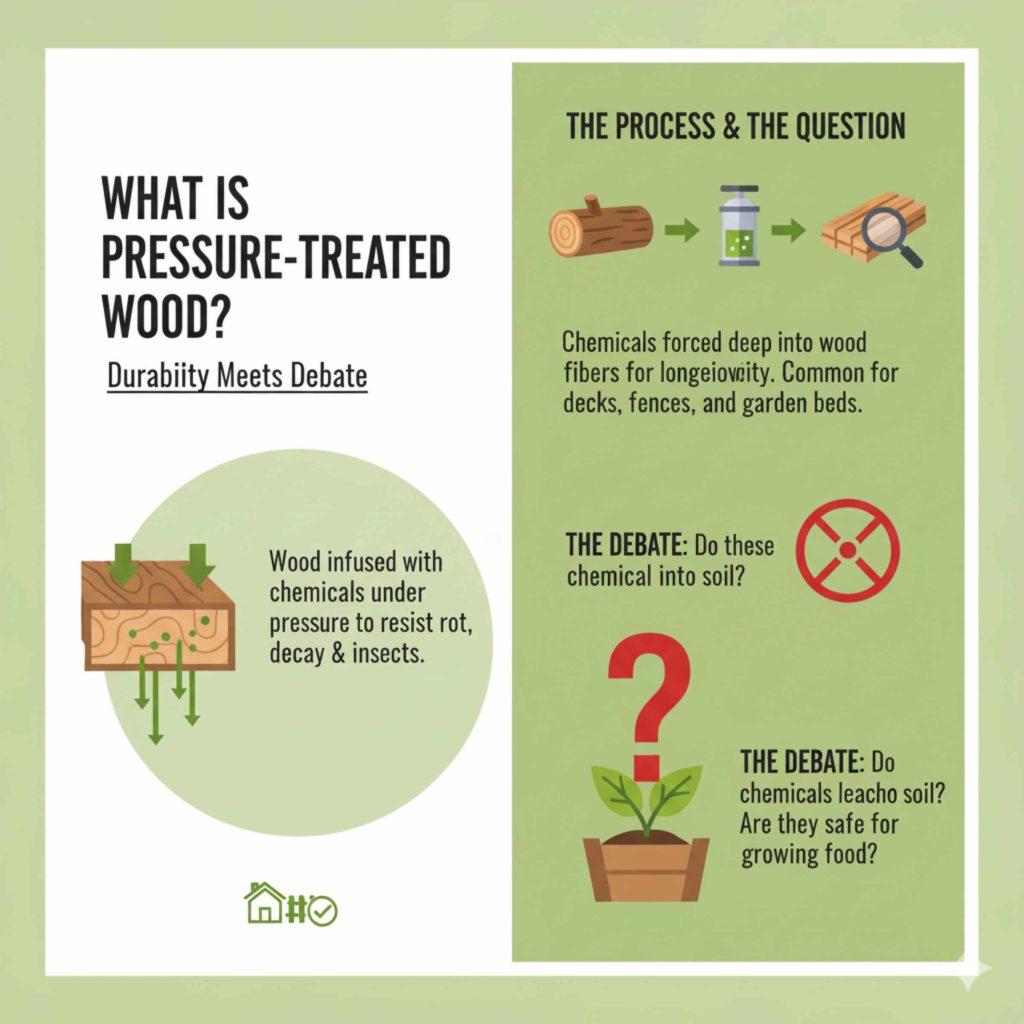
Pressure-treated wood is a type of lumber that has been infused with chemicals under pressure. This process makes the wood more resistant to rot, decay, and insect damage. Because of this, it lasts much longer than untreated wood, especially when exposed to moisture and the elements. This durability is why it’s a popular choice for outdoor projects like decks, fences, and yes, garden beds.
The chemicals are forced deep into the wood fibers, creating a barrier that prevents organisms like fungi and termites from breaking down the wood. This is a fantastic benefit for longevity, but it naturally leads to questions about what those chemicals are and if they can leach into the soil where you’re growing your food.
Understanding the Chemicals: What’s Inside?
The type of chemicals used in pressure treatment has changed significantly over the years. This is the most crucial factor when determining if pressure-treated wood is suitable for your vegetable garden.
Older Treatments (Chromated Copper Arsenate – CCA)
For many years, the most common treatment was CCA, which contained arsenic, chromium, and copper. Arsenic, in particular, is a known toxin. While effective at preserving wood, the concern was that arsenic could leach from the wood into the soil and then be absorbed by plants.
Due to health concerns, the use of CCA in residential applications, especially for anything that might come into contact with food or children, was phased out by the U.S. Environmental Protection Agency (EPA) for most uses in 2003. You might still encounter older decks, fences, or garden structures built with CCA-treated wood.
Newer Treatments (ACQ, CA, and Others)
Today, most pressure-treated lumber intended for residential use is treated with alternatives to CCA. The most common are:
- Alkaline Copper Quaternary (ACQ): This is a widely used alternative that uses copper as the primary fungicide and a quaternary ammonium compound as an insecticide. It’s considered much safer for garden use than CCA.
- Copper Azole (CA): Similar to ACQ, CA uses copper for fungicidal protection and an azole compound for insect resistance. It’s also a safe option for gardens.
- Ammoniacal Copper Zinc Arsenate (ACZA): While it contains arsenic, the amount and form are different and considered safer than CCA. It’s often used for specific applications like utility poles.
- Micronized Copper Quaternary (MCQ): This is another copper-based treatment that is considered safe for garden applications.
These newer treatments still use copper, which is a micronutrient essential for plant growth in small amounts. However, the levels used in pressure treatment are generally not considered harmful to plants or people when used in garden structures.
The Leaching Question: Will Chemicals Get Into My Veggies?
This is the heart of the matter. The primary concern is whether the chemicals used to treat the wood can leach into the soil and then be absorbed by the vegetables you grow.
Leaching Rates
Research has shown that the amount of chemicals leaching from modern pressure-treated wood (ACQ, CA) is very low. The copper compounds, which are the main concern, tend to bind tightly to the wood fibers and the surrounding soil.
A study by Gardening Know How highlights that the leaching is minimal, especially when compared to other sources of copper in the environment. The copper in ACQ and CA-treated wood is also less mobile in the soil than other forms of copper.
Absorption by Plants
Even if a small amount of chemical leaches into the soil, plants typically absorb nutrients from the soil. While plants can absorb copper, they do so as a necessary micronutrient. The amounts leached from modern pressure-treated wood are generally not high enough to reach toxic levels in plants. Arsenic, from older CCA wood, is the primary concern for plant uptake, but again, CCA is largely phased out for these uses.
Factors Affecting Leaching
Several factors can influence how much leaching occurs:
- Type of Treatment: As discussed, CCA leaches more than ACQ or CA.
- Age of the Wood: Newer wood might leach slightly more initially, but the rate decreases over time.
- Soil pH: The acidity or alkalinity of your soil can affect how readily chemicals bind or release.
- Moisture Levels: Constant saturation can increase leaching.
- Wood Condition: Cracked or splintered wood may leach more.
Is It Safe for Vegetable Gardens? The Expert Consensus
The general consensus among gardening experts and regulatory bodies is that modern pressure-treated wood is safe for use in vegetable gardens.
The Purdue University Extension states that lumber treated with ACQ, CA, and other copper-based preservatives is safe for use in garden beds. They recommend allowing the wood to weather for a few months before planting or using a barrier if you are particularly concerned.
The key takeaway is to use wood treated with newer preservatives (ACQ, CA, MCQ) and to avoid older CCA-treated wood for any food-growing applications. If you’re unsure about the treatment, it’s always best to err on the side of caution.
Pros and Cons of Using Pressure-Treated Wood in Gardens
Like any building material, pressure-treated wood has its advantages and disadvantages for garden use.
Pros:
- Durability: It lasts significantly longer than untreated wood, resisting rot and pests. This means your garden beds or structures will hold up for many years.
- Cost-Effective: While initially more expensive than some untreated woods, its longevity makes it a cost-effective choice over time, as you won’t need to replace it as often.
- Availability: It’s readily available at most lumber yards and home improvement stores.
- Structural Integrity: It’s strong and can support the weight of soil and plants without warping or breaking easily.
- Low Maintenance: Once installed, it requires very little maintenance to keep it functional and looking good.
Cons:
- Chemical Concerns (Historically): Older treatments (CCA) posed risks. Even with newer treatments, some gardeners remain concerned about potential leaching.
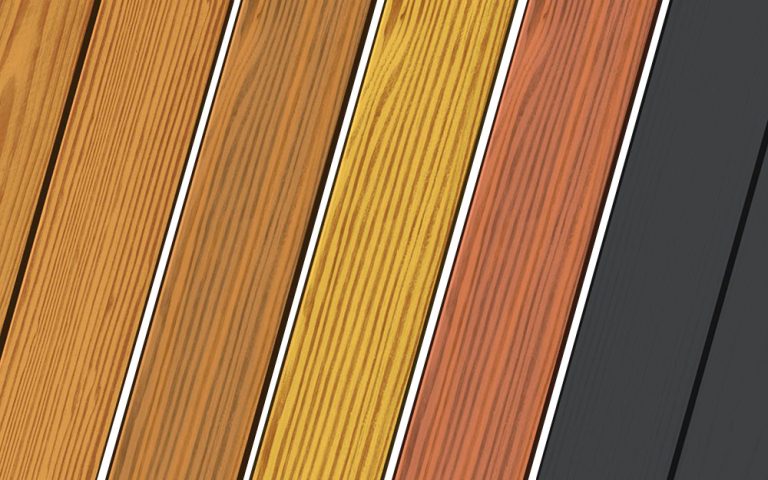
- Appearance: Some people find the greenish tint of newly treated wood less aesthetically pleasing than natural wood, though it weathers to a more neutral gray.
- Splintering: It can produce splinters, so wearing gloves is recommended when handling it.
- Environmental Impact: The chemicals themselves, while generally safe in this application, do have an environmental footprint during manufacturing and disposal.
When to Avoid Pressure-Treated Wood in Your Garden
While generally considered safe, there are a few scenarios where you might want to skip pressure-treated wood:
- If you are using very old lumber: If you can’t determine the treatment type and suspect it might be CCA (often has a greenish tint and may be from pre-2003 construction), it’s best to avoid it for vegetable gardens.
- If you have a severe sensitivity or specific health concerns: If you have particular health conditions or extreme sensitivities, you might prefer to use alternative materials like untreated wood, stone, or metal.
- For sensitive crops: While unlikely to cause harm, if you are growing highly sensitive medicinal herbs or want absolute certainty, you might opt for untreated options.
Safer Alternatives to Pressure-Treated Wood
If you decide pressure-treated wood isn’t for you, or if you’re looking for different aesthetics, here are some excellent alternatives for building garden beds and structures:
1. Untreated Lumber
Woods like cedar, redwood, juniper, and black locust are naturally resistant to rot and insects due to their natural oils and compounds. They are excellent choices for garden beds. While they may not last as long as pressure-treated wood, they offer a natural, chemical-free option.
Pros:
- Completely natural and chemical-free.
- Attractive natural appearance.
- Safe for all types of gardening.
Cons:
- More expensive than pressure-treated wood.
- Shorter lifespan (though still several years for rot-resistant species).
- Can be heavier and harder to work with for some species.
2. Composite Lumber
Made from a mix of wood fibers and recycled plastics, composite lumber is highly durable and resistant to rot and insects. It’s often used for decking and fencing and can be a good option for garden beds.
Pros:
- Very durable and long-lasting.
- Resistant to rot, insects, and moisture.
- Made from recycled materials.
- Low maintenance.
Cons:
- Can be expensive.
- May absorb heat, potentially affecting soil temperature.
- Not a natural material.
3. Stone, Brick, or Concrete Blocks
These materials offer excellent longevity and a classic look for garden beds. They are completely inert and pose no risk to your plants.
Pros:
- Extremely durable and long-lasting.
- Aesthetically pleasing.
- No chemical concerns.
- Can help retain heat in cooler climates.
Cons:
- Can be labor-intensive to build with.
- More expensive than wood.
- May require a stable foundation.
4. Metal (Galvanized Steel, Corrugated Metal)
Metal raised beds are becoming increasingly popular. They are durable, modern-looking, and safe for gardening.
Pros:
- Durable and long-lasting.
- Modern aesthetic.
- Quick and easy to assemble (for kits).
- No chemical concerns.
Cons:
- Can be expensive.
- May heat up significantly in direct sun.
- Can rust over time if not properly coated or galvanized.
Tips for Using Pressure-Treated Wood Safely in Your Garden
If you’ve decided to use modern pressure-treated wood for your garden project, here are some tips to maximize safety and peace of mind:
1. Choose the Right Wood
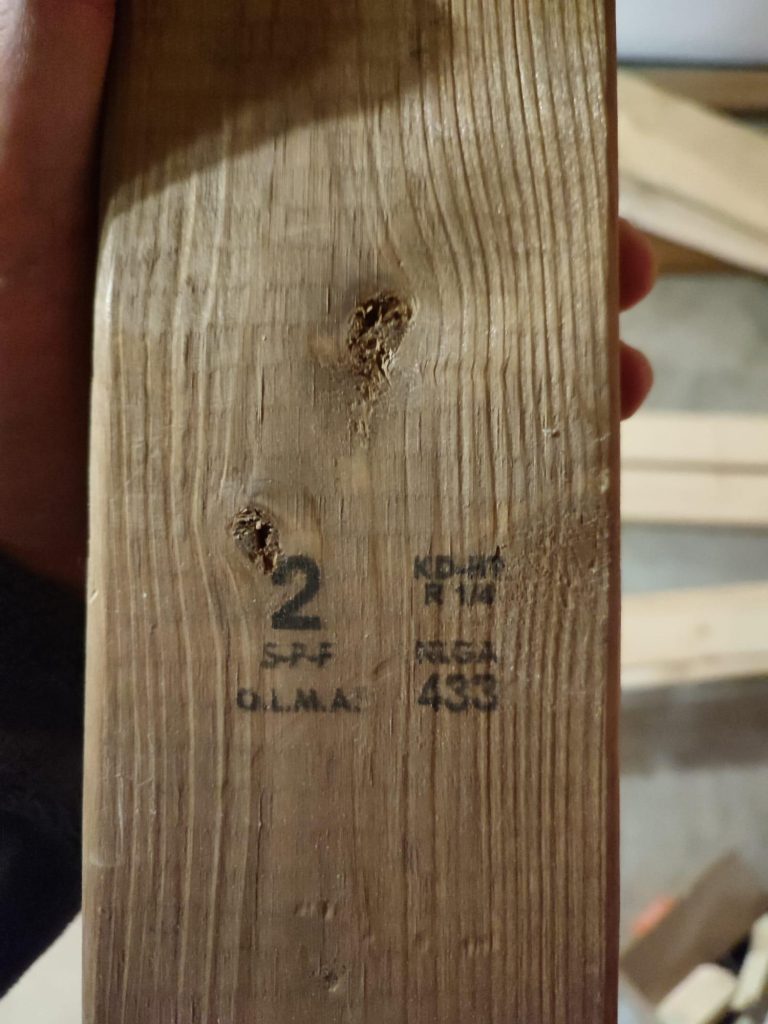
Always opt for wood treated with ACQ, CA, or other copper-based preservatives. Look for labels that specify the treatment type. Avoid any wood that looks exceptionally old or has a distinct greenish-brown hue that you suspect might be CCA.
2. Use a Barrier
For an extra layer of protection, consider lining the inside of your raised beds with a heavy-duty plastic sheeting or landscape fabric. Ensure the barrier is thick and durable. This creates a physical separation between the treated wood and your garden soil.
How to Install a Barrier:
- Cut the plastic sheeting or fabric to fit the inside walls of your garden bed.
- Staple or tack the material to the inside of the wood, ensuring it extends from the top edge down to the soil line.
- Make sure there are no large gaps where soil can directly contact the wood.
3. Allow Wood to Weather
Letting the pressure-treated wood weather for a few months before filling it with soil can help reduce any initial leaching. Rain and sun will naturally help stabilize the chemicals.
4. Avoid Direct Contact with Edible Roots
If you’re building a raised bed, ensure the soil level doesn’t come into direct, prolonged contact with the very bottom layer of wood where root vegetables grow. The barrier method helps with this.
5. Seal the Wood (Optional but Recommended)
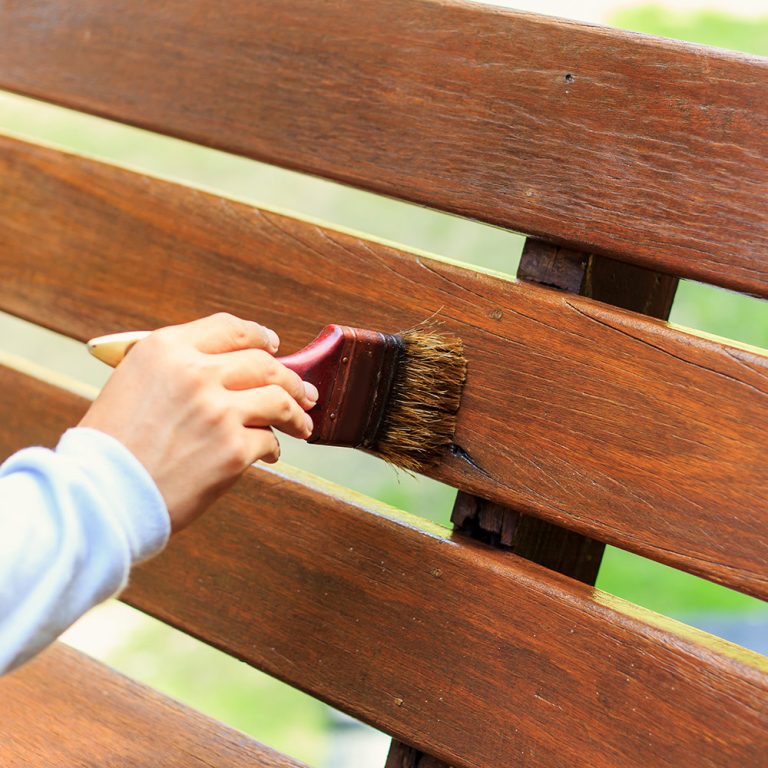
Applying a non-toxic, food-safe sealant to the wood surfaces that will be in contact with soil can further reduce potential leaching. Look for sealants specifically labeled as safe for garden use or food contact.
6. Handle with Care
Always wear gloves when handling pressure-treated wood to avoid splinters. Also, it’s a good practice to wash your hands thoroughly after working with it.
7. Proper Disposal
When it’s time to replace your garden structures, dispose of pressure-treated wood responsibly. Do not burn it, as the fumes can be toxic. Check with your local waste management for proper disposal guidelines.
Building Your Garden Bed: A Simple Step-by-Step
Let’s walk through building a basic raised garden bed using pressure-treated wood. This is a beginner-friendly project!
Tools You’ll Need:
- Measuring tape
- Pencil
- Saw (circular saw or handsaw)
- Drill with drill bits
- Screws (exterior-grade, long enough to join the wood securely, typically 2.5-3 inches)
- Safety glasses
- Work gloves
- Optional: Square, clamps
Materials:
- Pressure-treated lumber (e.g., 2×6 or 2×8 boards)
- Optional: Landscape fabric or plastic sheeting for lining
Steps:
- Plan Your Size: Decide on the dimensions of your garden bed. A common size is 4 feet by 8 feet, with a height of 6 to 12 inches (using one or two boards stacked).
- Cut Your Boards: Measure and cut your lumber to the desired lengths for the sides and ends of your bed. For a 4×8 bed using 2×6 boards, you’ll need two 8-foot boards and two 4-foot boards (or cut them from longer pieces).
- Assemble the First Layer: Lay out your boards on a flat surface to form a rectangle. At each corner, pre-drill pilot holes through the end of one board into the face of the adjoining board. Use at least two screws per corner to join them securely. Using a square can help ensure your corners are nice and straight.
- Add Additional Layers (if desired): If you want a taller bed, stack another layer of boards on top of the first. Overlap the corners slightly, or simply screw the second layer directly onto the first, staggering the corner joints if possible for added strength. Pre-drill and screw the layers together every couple of feet.
- Position Your Bed: Move the assembled bed to its final location in your garden.
- Line the Bed (Optional): If using a liner, cut it to size and staple it to the inside walls of the bed, from the top edge down to where the soil will be.
- Fill with Soil: Fill your new raised bed with a good quality soil mix.
And there you have it! A sturdy, long-lasting raised garden bed ready for planting.
Frequently Asked Questions (FAQ)
Q1: What is the main concern about using pressure-treated wood in gardens?
The main concern is that older types of pressure-treated wood, specifically those treated with Chromated Copper Arsenate (CCA), contained arsenic, which is a toxin. There was worry that this arsenic could leach into the soil and be absorbed by edible plants.
Q2: Are modern pressure-treated woods safe for vegetable gardens?
Yes, modern pressure-treated woods, such as those treated with Alkaline Copper Quaternary (ACQ) or Copper Azole (CA), are generally considered safe for vegetable gardens. These treatments use copper compounds that leach at very low rates and are not absorbed by plants in harmful amounts.
Q3: How can I tell if my pressure-treated wood is safe for garden use?
Look for labels on the wood that indicate the type of treatment. If the wood was treated before 2003 in the US, it is more likely to be CCA. Newer woods will specify ACQ, CA, or other copper-based treatments. If you cannot find a label and the wood is old, it’s safer to avoid using it for edible gardens.
Q4: What are some natural alternatives to pressure-treated wood for garden beds?
Excellent natural alternatives include untreated cedar, redwood, juniper, or black locust lumber. These woods are naturally resistant to rot and insects. Other options include stone, brick, composite lumber, or metal.
Q5: Should I use a barrier between pressure-treated wood and my garden soil?
Using a barrier, such as heavy-duty plastic sheeting or landscape fabric, is an optional but recommended step for extra peace of mind. It creates a physical separation between the wood and the soil, further minimizing any potential contact.
Q6: Can I paint or seal pressure-treated wood used in my garden?
Yes, you can paint or seal pressure-treated wood. It’s advisable to use a non-toxic, food-safe sealant or paint, especially on the interior surfaces that will be in contact with soil. This can add another layer of protection against leaching.
Q7: How long does pressure-treated wood last in a garden setting?
Pressure-treated wood, especially modern types, can last for 10-20 years or even longer in a garden setting, depending on the specific treatment, environmental conditions, and maintenance. Its resistance to rot and insects makes it a very durable choice.
Conclusion
So, how bad is pressure-treated wood for vegetable gardens? For most modern applications using lumber treated with ACQ, CA, or similar copper-based preservatives, the answer is: not bad at all. These treatments are designed for safety and longevity, and the risk of harmful chemical leaching into your food crops is extremely low.
Remember to always check the treatment type – if you’re unsure or dealing with very old wood, it’s wise to opt for untreated, naturally rot-resistant lumber or other garden-safe materials like stone or metal. By taking a few simple precautions, like using a barrier and handling the wood with care, you can confidently build beautiful and functional garden structures that will serve you well for years to come. Happy gardening!