How Big of a Light Fixture Do I Need?
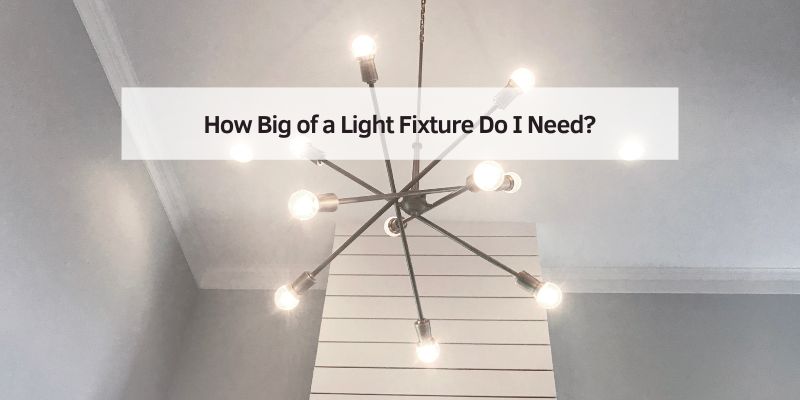
Hey there! Choosing the right light fixture size for your space can feel like a bit of a puzzle, can’t it? I remember when I first moved into my home, standing in the middle of my dining room, staring up at the ceiling, wondering what size chandelier would look just right. It’s not just about picking something pretty—it’s about making sure it fits the room, lights it up properly, and feels like it belongs. After a lot of trial, error, and research, I’ve learned a thing or two about sizing light fixtures, and I’m excited to share it all with you. Whether you’re sprucing up your living room, kitchen, or even a cozy bedroom, this guide will help you figure out exactly how big of a light fixture you need. Let’s dive in and make your space shine!
Why Light Fixture Size Matters
Let me tell you, size is everything when it comes to light fixtures. Too small, and your fixture looks like it’s floating in a sea of empty space, barely making a dent in the room’s vibe. Too big, and it overwhelms the room, making it feel cramped or awkward. I learned this the hard way when I bought a tiny pendant light for my kitchen island. It was cute, but it looked like a toy hanging in the middle of the room!
The size of your light fixture affects both the aesthetics and functionality of your space. A properly sized fixture not only looks proportional but also provides the right amount of light for the room’s purpose. For example, a dining room chandelier needs to create a warm, inviting glow, while a kitchen light might need to be brighter for tasks like cooking. Getting the size right ensures your room feels balanced and well-lit, so let’s break down how to do it.
Measuring Your Room for the Perfect Fixture
Before you even start browsing for that dream chandelier or sleek pendant, grab a tape measure. Trust me, measuring your room is the first step to getting this right. I remember skipping this step once, thinking I could “eyeball” it—big mistake! Here’s how to measure properly:
- Room Dimensions: Measure the length and width of your room in feet. This is key for figuring out the diameter of your fixture. For example, if your dining room is 12 feet by 14 feet, you’ll use these numbers to calculate the ideal fixture size.
- Ceiling Height: Note how high your ceiling is. Standard ceilings are about 8 to 10 feet, but if you’ve got a vaulted ceiling or something lower, that changes things.
- Furniture Placement: Pay attention to where your furniture sits. If you’re hanging a light over a dining table or kitchen island, measure the table or island’s dimensions too.
Once you’ve got these measurements, you’re ready to move on to some simple formulas that take the guesswork out of sizing.
The Golden Rule for Fixture Diameter
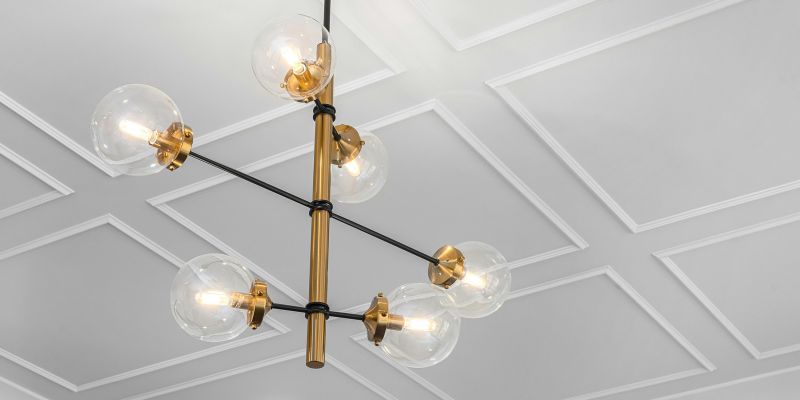
Here’s a trick I wish I’d known sooner: there’s a simple formula to figure out the right diameter for your light fixture. Take the length and width of your room in feet, add them together, and that number is the approximate diameter of your fixture in inches.
For example, my living room is 16 feet long and 12 feet wide. Add those together (16 + 12 = 28), and I’m looking for a fixture that’s about 28 inches in diameter. This rule works for most rooms, like living rooms, dining rooms, or even bedrooms. It’s a great starting point to keep things proportional.
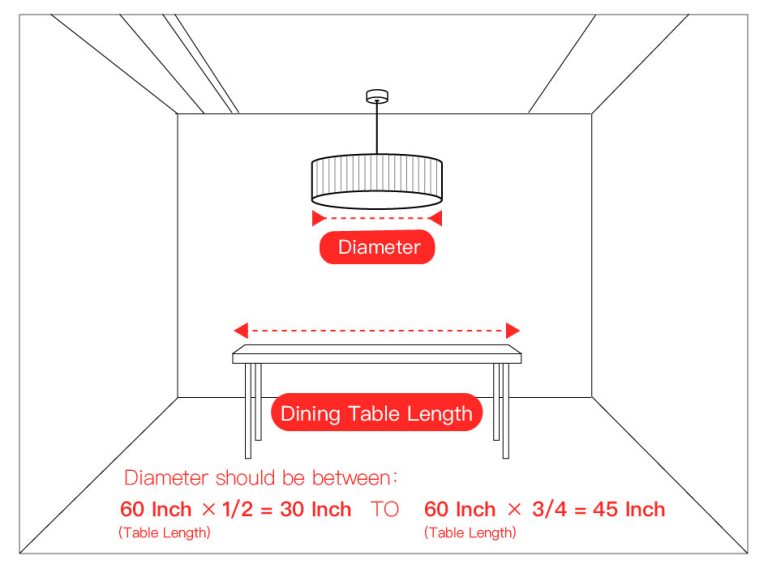
If you’re hanging a light over a dining table or kitchen island, things get a bit more specific. The fixture should be about one-half to two-thirds the width of the table or island. So, if your dining table is 6 feet wide, aim for a fixture that’s 3 to 4 feet in diameter. This ensures the light covers the table without overpowering it.
Adjusting for Ceiling Height
Ceiling height is a big deal when choosing a light fixture. I learned this when I hung a chandelier in my dining room with 9-foot ceilings. It looked great, but I had to make sure it wasn’t too low or too high. Here’s a quick guide:
- Standard Ceilings (8-10 feet): For chandeliers, aim to hang the fixture so the bottom is about 30 to 36 inches above the table or surface. This keeps it low enough to feel intimate but high enough to avoid head bumps!
- High Ceilings (10+ feet): In rooms with taller ceilings, you can go bigger and bolder with your fixture. Add about 3 inches of fixture height for every extra foot of ceiling height. For example, in a 12-foot ceiling, you might hang the fixture 36 to 42 inches above the table.
- Low Ceilings (under 8 feet): Stick with flush-mount or semi-flush-mount fixtures to avoid making the room feel cramped. I once tried a pendant in a low-ceiling basement, and it was a disaster—everyone kept ducking!
If you’re working with a really tall ceiling, like in a foyer, consider a multi-tiered chandelier to fill the vertical space. It’s all about balance.
Choosing the Right Fixture Type
Not all light fixtures are created equal, and the type you choose affects the size you need. Here’s a rundown of common fixture types and how to size them:
- Chandeliers: These are statement pieces, perfect for dining rooms or entryways. Use the room diameter rule (length + width = diameter in inches) or the table rule (half to two-thirds the table width). My dining room chandelier is 30 inches wide, and it’s perfect for my 6-foot table.
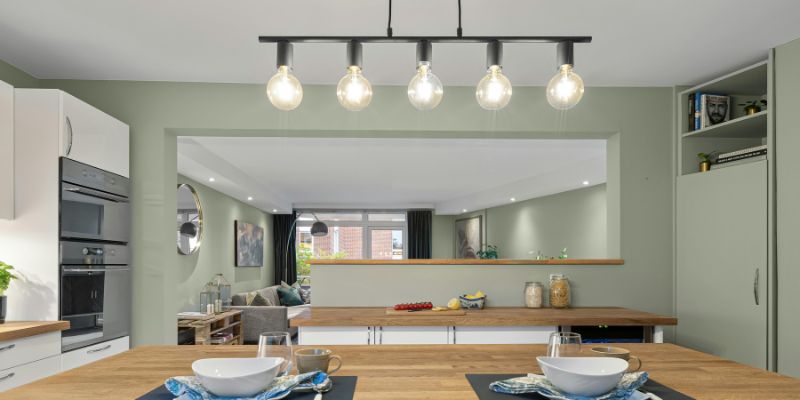
- Pendant Lights: Great for kitchens or over islands. For a single pendant, aim for 12 to 18 inches in diameter. If you’re hanging multiple pendants, go smaller—8 to 12 inches each—and space them about 24 inches apart.
- Flush-Mount or Semi-Flush-Mount: Ideal for low ceilings or hallways. These should be about one-third to one-half the room’s width. For a 12-foot-wide room, a 4- to 6-foot-wide fixture works well.
- Wall Sconces: These are trickier since they’re not the main light source. Aim for sconces that are about 6 to 12 inches wide, depending on the wall size and placement.
Each type has its own vibe, so think about the mood you’re going for. A modern pendant might be sleek and small, while a rustic chandelier could be larger and more dramatic.
Lighting Needs for Different Rooms
Every room has its own lighting needs, and the size of your fixture plays a big role in meeting those needs. Here’s how I approach it:
- Dining Room: You want a warm, inviting glow. A chandelier that’s half to two-thirds the table width works best. I chose a 32-inch chandelier for my 7-foot dining table, and it creates the perfect ambiance for dinner parties.
- Kitchen: Task lighting is key here. Over an island, I use two 12-inch pendants spaced 30 inches apart. They light up my prep area without being too harsh.
- Living Room: This is where you can get creative. A large chandelier or a cluster of pendants can make a statement. My living room has a 28-inch chandelier that ties the space together.
- Bedroom: Go for soft, cozy lighting. A flush-mount or semi-flush fixture that’s about one-third the room’s width is perfect. I have a 20-inch flush-mount in my 12-foot-wide bedroom, and it’s just right.
- Bathroom: For vanity lighting, choose sconces or a horizontal fixture that’s about 75% of the mirror’s width. I have two 8-inch sconces flanking my bathroom mirror, and they provide great light for getting ready.
Think about how you use the room and choose a fixture size that supports that function.
Using a Table to Simplify Sizing
Sometimes, numbers make things clearer. Here’s a handy table I put together to help you pick the right fixture size based on your room or table dimensions:
| Room/Table Width (feet) | Recommended Fixture Diameter (inches) | Notes |
|---|---|---|
| 8–10 | 20–26 | Great for small bedrooms or bathrooms |
| 10–12 | 26–32 | Ideal for medium-sized dining rooms or kitchens |
| 12–16 | 32–40 | Perfect for larger living rooms or foyers |
| 16–20 | 40–48 | Best for grand spaces or oversized tables |
| Over 20 | 48+ | Consider multi-tiered chandeliers for dramatic effect |
This table is a lifesaver when you’re shopping. I keep it handy whenever I’m browsing for new fixtures!
Considering Light Output and Bulb Type
Size isn’t just about looks—it’s also about how much light your fixture puts out. I once bought a gorgeous chandelier, only to realize it was way too dim for my dining room. Here’s what to keep in mind:
- Lumens: This measures light output. For a dining room, aim for 3,000–6,000 lumens total. A living room might need 4,000–8,000 lumens, while a kitchen could require 5,000–10,000 lumens.
- Bulb Type: LED bulbs are my go-to because they’re energy-efficient and long-lasting. Choose bulbs with a warm color temperature (2,700–3,000K) for cozy spaces or cooler (3,500–4,000K) for task areas like kitchens.
- Dimmability: A dimmable fixture gives you flexibility. I love being able to dim my dining room chandelier for a softer vibe during dinner.
Check the fixture’s specs to see how many bulbs it holds and what wattage it supports. This helps you match the light output to your room’s needs.
Style and Proportion Tips
Beyond size, the style of your fixture matters. A sleek, modern pendant might look out of place in a rustic dining room, and a massive crystal chandelier could overwhelm a minimalist space. Here’s how I make sure the style and size work together:
- Match the Room’s Aesthetic: In my modern kitchen, I chose slim, cylindrical pendants. In my traditional dining room, a wrought-iron chandelier feels right at home.
- Consider Visual Weight: A fixture with lots of details (like crystals or intricate metalwork) can feel “heavier” and may need to be slightly smaller than a simple, airy design.
- Balance with Furniture: Make sure the fixture complements your furniture. My chunky wooden dining table pairs well with a sturdy chandelier, while a glass table might call for something lighter.
Take your time browsing styles. I like to save inspiration photos on Pinterest to get a sense of what works in my space.
Common Mistakes to Avoid
I’ve made my fair share of lighting mistakes, so let me save you some trouble. Here are pitfalls to watch out for:
- Going Too Small: A tiny fixture in a big room looks lost. I did this in my living room once, and it was like the light was apologizing for being there!
- Ignoring Ceiling Height: A low-hanging chandelier in a low-ceiling room is a recipe for disaster. Measure twice, hang once.
- Forgetting Functionality: A pretty fixture that doesn’t provide enough light is frustrating. Always check lumens and bulb compatibility.
- Overcrowding with Pendants: If you’re using multiple pendants, don’t hang them too close together. I tried three pendants over my island once, and it looked cluttered.
Take it from me—planning ahead saves you from headaches later.
Final Thoughts on Installation
Once you’ve picked the perfect fixture, installation is the last step. If you’re handy, you might be able to hang it yourself, but I always recommend hiring a professional electrician, especially for heavy chandeliers. Make sure the fixture is securely mounted and wired correctly. I had a friend who tried to DIY a chandelier installation, and let’s just say it didn’t end well! Also, double-check that your ceiling can support the weight of the fixture, especially for larger pieces.
Wrapping It Up
Figuring out how big of a light fixture you need doesn’t have to be overwhelming. By measuring your room, using simple formulas, and thinking about the room’s purpose, you can find a fixture that’s just right. I’ve had so much fun transforming my home with the right lighting, and I hope this guide helps you do the same. Whether it’s a dazzling chandelier or a sleek pendant, the perfect fixture can make your space feel warm, inviting, and totally you. So grab that tape measure, start dreaming, and let’s light up your home!
Frequently Asked Questions
How do I know if a light fixture is too big for my room?
If the fixture overwhelms the space or makes the room feel cramped, it’s probably too big. Use the room diameter rule (length + width = diameter in inches) to keep things proportional. For example, a 40-inch chandelier in a 10×12-foot room might feel overpowering.
Can I use the same sizing rules for outdoor light fixtures?
Not exactly. For outdoor fixtures, like porch lights, aim for a fixture that’s about one-quarter to one-third the width of the door or space it’s lighting. For example, a 9-inch-wide sconce works well next to a standard 3-foot-wide door.
What if I have an oddly shaped room?
For irregular rooms, focus on the area where the fixture will hang. Measure the length and width of that specific zone (like over a dining table) and use the standard sizing rules. You can also consult a designer for tricky spaces.
How many pendants should I hang over my kitchen island?
It depends on the island’s length. For a 6-foot island, two 10- to 12-inch pendants spaced 24–30 inches apart work well. For a longer island, like 8 feet, consider three smaller pendants (8–10 inches each).
Do I need a dimmer switch for my light fixture?
It’s not a must, but I highly recommend it! A dimmer gives you control over the mood, letting you go from bright task lighting to soft ambiance. Just make sure your fixture and bulbs are dimmable.