How Do You Remove Rust Stains From A Fiberglass Tub? Essential
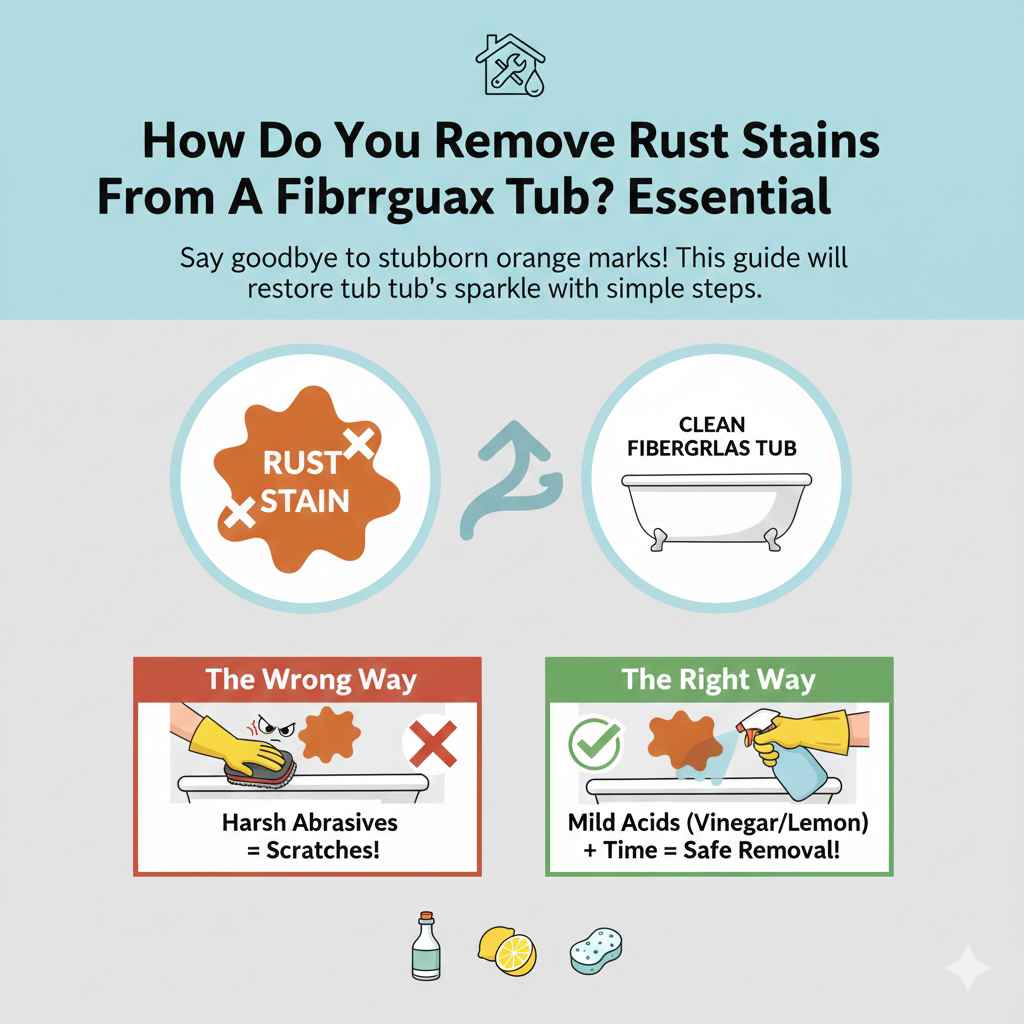
You can remove rust stains from a fiberglass tub using mild, acidic household cleaners like white vinegar or lemon juice combined with baking soda paste. For tougher stains, a specialized oxalic acid cleaner, applied carefully and rinsed thoroughly, will restore your tub’s shine safely.
That ugly orange or brown spot showing up in your beautiful white fiberglass tub can be incredibly frustrating! Fiberglass is durable, but it’s not immune to rust bleeding from leaky faucets, metal cans left on the edge, or hard water deposits. Don’t panic; you don’t need harsh chemicals or a professional cleaner right away. As your trusted home improvement guide, I want to assure you that removing rust from fiberglass is a straightforward DIY task. We will start with the gentlest methods first. By following these easy steps, you can restore that clean, bright look to your tub confidently.
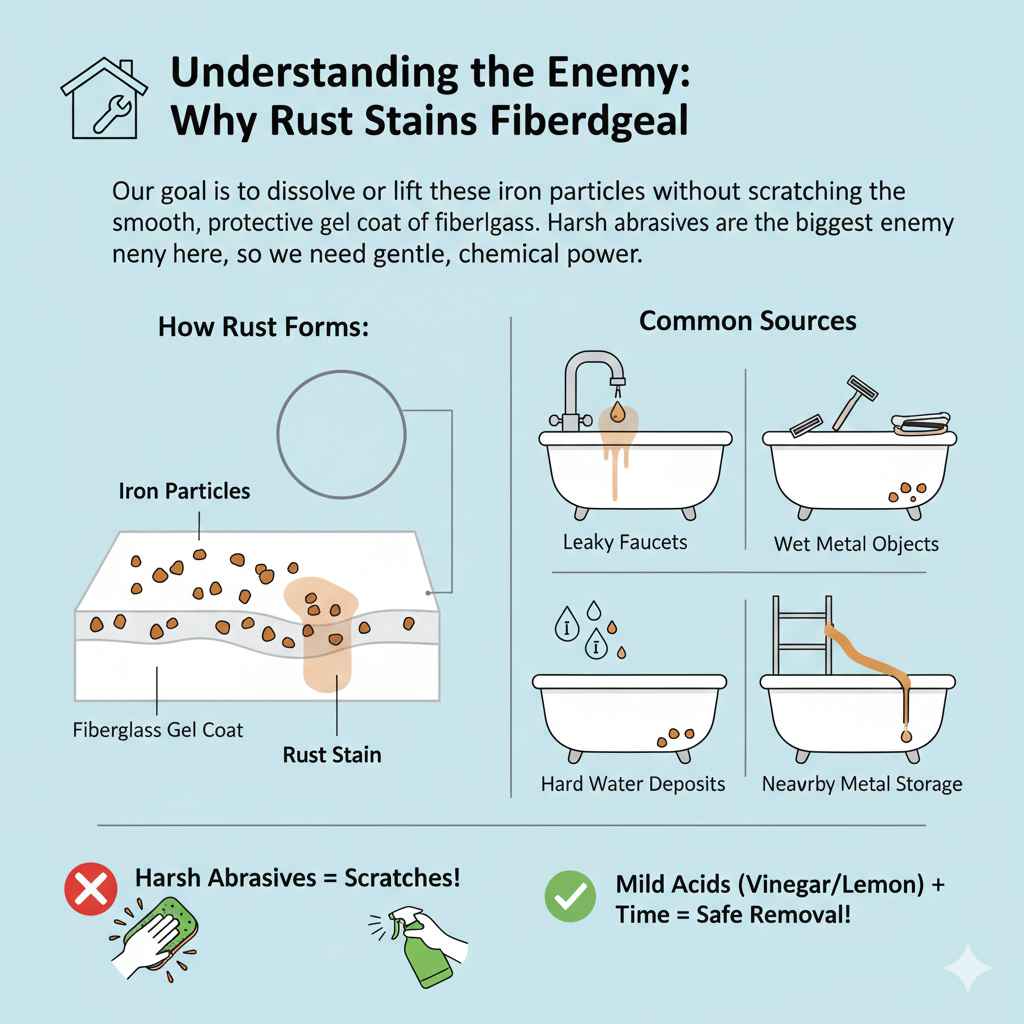
Understanding the Enemy: Why Rust Stains Fiberglass
Before we start scrubbing, it helps to know what we are dealing with. Fiberglass (which is often covered with an acrylic gel coat) is a porous material, but the primary issue with rust isn’t usually the fiberglass itself being stained. The rust comes from external iron particles—usually water corrosion—that settle onto the surface. These tiny particles then oxidize, creating that tell-tale orange-brown mark.
Common sources of these rust particles include:
- Leaky metal faucets or plumbing fixtures resting on the tub surface.
- Hair curlers, razors, or aerosol cans left sitting wet in the tub.
- Hard water deposits that naturally contain iron content.
- Rust transferred from nearby metal shelving or tools stored in the bathroom.
Our goal is to dissolve or lift these iron particles without scratching the smooth, protective gel coat of the fiberglass. Harsh abrasives are the biggest enemy here, so we need gentle, chemical power.
Gathering Your Supplies: What You Need
When tackling any home project, preparation is half the battle won. You don’t need expensive, specialized tools. Most items you need are likely already in your pantry or under your sink. Always have a few protective items on hand, too.
Essential Tools and Materials
- White distilled vinegar (the cleaning MVP!).
- Baking soda (for gentle abrasion).
- Lemon juice (a natural acid alternative).
- Mild dish soap.
- Soft, non-abrasive cloths or sponges (microfiber works great).
- A plastic scrub brush or an old toothbrush (for tight spots).
- Rubber gloves (to protect your hands).
- Safety glasses (always good practice when using any cleaner).
When to Bring in the Heavy Hitters (For Stubborn Stains)
If the simple kitchen remedies don’t work, we move up the strength ladder. These products contain stronger acids, so use them with caution and follow the label directions strictly.
- Commercial rust removers specifically labeled safe for fiberglass or porcelain (look for products containing Oxalic Acid, like CLR or Bar Keepers Friend).
- A commercial bathroom cleaner designed for soap scum and rust.
Safety First Tip from Meraj
Never, ever mix cleaning products, especially ammonia-based cleaners with bleach or vinegar. This can create dangerous fumes. When using stronger commercial removers, ensure your bathroom is well-ventilated. Open a window and turn on the exhaust fan!
Step-by-Step Removal Methods: From Gentle to Strong
We always follow the “start mild and escalate slowly” rule when cleaning delicate surfaces like fiberglass. This ensures we get the stain out without causing permanent micro-scratches that dull the finish over time.
Method 1: The Baking Soda and Vinegar Paste (Best for Light Stains)
This method uses gentle abrasion from the baking soda and the dissolving power of acetic acid (vinegar). It’s safe, cheap, and surprisingly effective for surface rust.
- Prepare the Area: Wipe down the stained area with a cloth and warm, soapy water to remove any surface dirt or soap scum. Rinse well.
- Create the Paste: In a small bowl, mix about two parts baking soda to one part white vinegar. You are aiming for a thick, spreadable paste—like toothpaste consistency. It will fizz slightly; that’s the chemical reaction working!
- Apply and Wait: Generously spread the paste directly over the rust stain. Make sure the entire stain is covered.
- Dwell Time: Let the paste sit on the stain for at least 30 minutes. For slightly older stains, you can let it sit for up to an hour.
- Gentle Scrub: After the dwelling time, take your soft cloth or non-abrasive sponge and gently scrub the area in small, circular motions. Avoid using too much force. The vinegar should have softened the stain, and the baking soda provides light scrubbing action.
- Rinse and Inspect: Rinse the area thoroughly with clean, warm water. Dry the area with a clean towel to see your results. If the stain is gone, fantastic! Move to the cleaning up section. If a faint shadow remains, repeat the process once more.
Method 2: Lemon Juice and Salt (The Citrus Approach)
Similar to vinegar, lemon juice contains citric acid, which helps break down rust. The salt adds a bit more scrubbing power than baking soda, but still remains generally safe for gel coats.
- Wet the Stain: Slightly dampen the rusted area.
- Apply Lemon and Salt: Squeeze fresh lemon juice directly onto the stain until it is saturated. Sprinkle a layer of common table salt over the juice.
- Allow Time to Work: Let this mixture sit for about an hour. The acid needs time to penetrate the iron oxides.
- Soft Scrub: Gently rub the area with a damp sponge. Again, use minimal pressure.
- Final Rinse: Rinse the tub completely to remove all salt residue, which can sometimes leave a film if left to dry.
Method 3: Using Oxalic Acid (For Stubborn Stains)
When household acids fail, it’s time to use a product specifically formulated to tackle rust, like Bar Keepers Friend (which contains oxalic acid) or specialized fiberglass rust removers. This is often the most effective route for deeply set stains, but requires more caution.
Before using any commercial product, always check the manufacturer’s guidelines. Most reputable brands will confirm they are safe for fiberglass or acrylic surfaces when used as directed. You can often find guidance on major hardware store websites, like those provided by The Home Depot, regarding surface material compatibility.
Here is the general procedure for using a powder cleaner like Bar Keepers Friend:
- Safety Check: Put on your gloves and safety glasses. Ensure ventilation is maximized.
- Wet the Surface: Wet the area you plan to treat.
- Make a Slurry: Sprinkle a small amount of the oxalic acid powder directly onto the damp stain. Add just enough water to create a thick, spreadable slurry or paste—do not make it runny.
- Target Application: Apply the paste only to the rust stain itself. Avoid spreading it widely across the entire tub surface if possible.
- Short Dwell Time: This is crucial—oxalic acid works fast. Let it sit for only 1 to 5 minutes. Set a timer! Do not let it dry.
- Gentle Rub: Using a damp, soft cloth, gently rub the area. You should see the stain lift almost immediately.
- Rinse Immediately and Thoroughly: As soon as the stain is gone, rinse the area profusely with cold water until you are absolutely certain all chemical residue is gone. Follow up with a quick wipe down using a mild soap and water solution, then rinse again.
Method 4: Non-Abrasive Commercial Gel Removers
For the most stubborn, old rust rings that resist pastes, look for liquid rust removal gels designed for bathroom surfaces. These often use chelating agents that bond with the iron molecules without requiring heavy scrubbing.
These gels are usually applied, left for the manufacturer’s recommended time (often 10–15 minutes), and then wiped away. They are designed to cling to vertical surfaces, which can be helpful.
Avoid This: What Not to Use on Fiberglass
Fiberglass is covered with a gel coat that can be easily damaged. To keep your tub looking new, never use the following on rust stains:
- Steel wool or highly abrasive scouring pads (like the green side of a standard kitchen sponge).
- Heavy-duty abrasive cleaners meant for tile grout or ceramic (unless explicitly labeled safe for acrylic/fiberglass).
- Straight bleach or undiluted strong acids like muriatic acid.
Cleaning Method Comparison Guide
Choosing the right method depends on how severe the stain is. Here is a quick breakdown to help you decide where to start:
| Method | Primary Ingredient | Stain Severity Level | Scrubbing Required | Safety on Fiberglass |
|---|---|---|---|---|
| Baking Soda Paste | Acetic Acid (Vinegar) | Light Surface Stains | Low (Gentle) | Very High |
| Lemon & Salt | Citric Acid | Light to Moderate Stains | Moderate (Slightly grittier) | High |
| Oxalic Acid (BKF) | Oxalic Acid | Moderate to Deep Stains | Low (Chemical action is main work) | Medium (Use sparingly and rinse well) |
| Commercial Gel Remover | Chelating Agents | Deep, Set-in Stains | Minimal | Medium (Follow directions exactly) |
Proactive Care: Preventing Future Rust Marks
The easiest way to remove rust stains is to never get them in the first place! Once you have a beautiful, clean tub, taking a few simple preventative measures will save you scrubbing time later. This is where my hands-on experience comes into play—a little prevention goes a long way in maintaining your home surfaces.
1. Keep It Dry
Moisture is the carrier for rust particles. After showering, take 30 seconds to squeegee or wipe down the tub floor, especially near the drain and faucet base. If water sits, rust particles are more likely to settle and bond to the surface.
2. Get Everything Off the Surface
Never leave metal cans (like shaving cream or hairspray) sitting directly on the fiberglass floor or ledge. The moisture trapped underneath the can inevitably leads to rust rings. Invest in a hanging shower caddy or use plastic organizers to keep metal items elevated and dry.
3. Address Leaks Immediately
If you notice water dripping constantly from your faucet or showerhead, fix it right away. Continuous dripping deposits highly mineralized, often rusty, water directly onto one spot, creating the toughest stains imaginable.
4. Periodic Maintenance: Sealing Fiberglass
Fiberglass gel coats are durable but can become microscopically porous over time due to wear or chemical cleaners. Applying a thin layer of automotive wax (like a high-quality carnauba wax) to the clean, dry tub surface once every six months can create a temporary barrier, helping water and mineral deposits bead up and run off instead of clinging.
For more information on protecting acrylic and gel coat surfaces, resources from organizations like the National Research Council often cover surface maintenance principles applicable to common household materials.
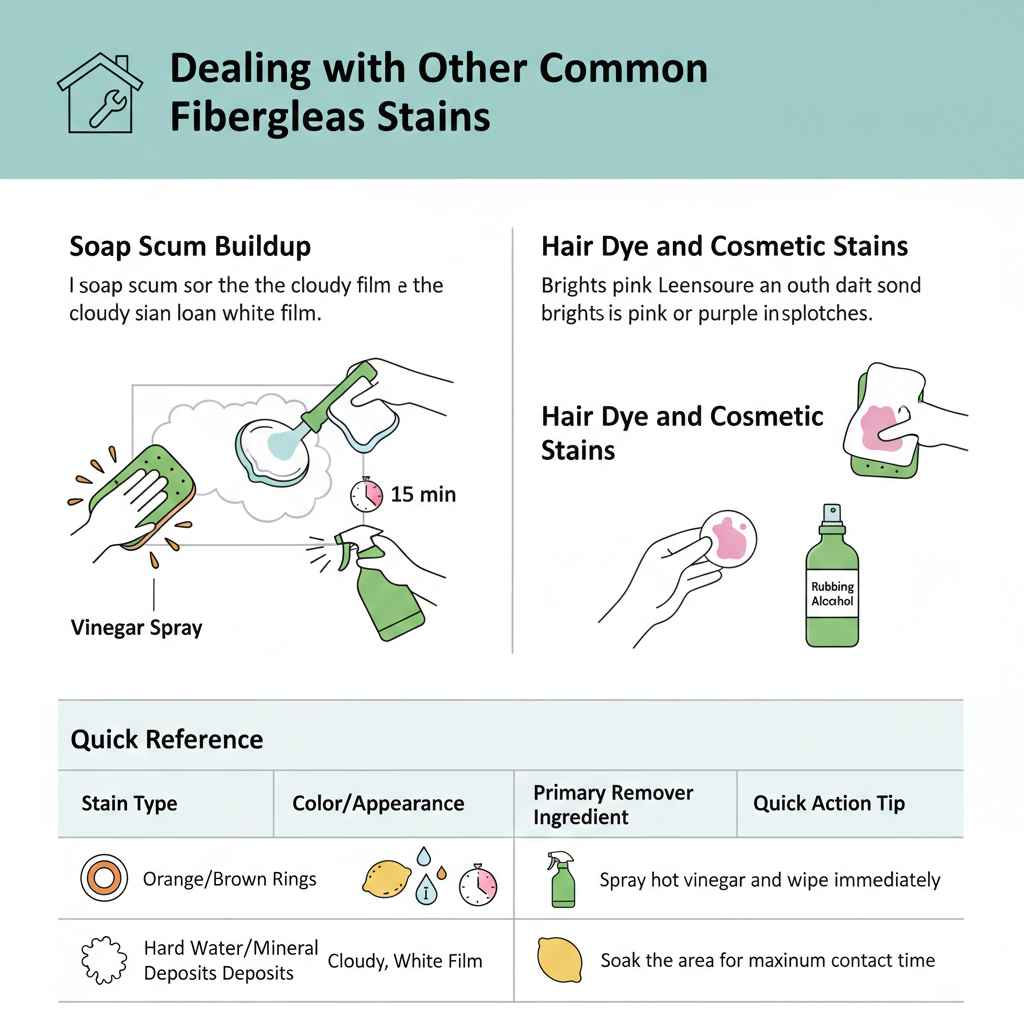
Dealing with Other Common Fiberglass Stains
Rust isn’t the only thing that plagues fiberglass tubs. Knowing how to handle the common culprits alongside rust ensures you maintain a pristine finish.
Soap Scum Buildup
Soap scum is caused by the reaction between soap and hard water minerals. It’s a cloudy white film, not brown or orange.
- Best Fix: Hot water and distilled white vinegar spray (a 1:1 ratio). Spray heavily, let sit for 15 minutes, and wipe.
Hair Dye and Cosmetic Stains
These are notorious for leaving bright pink or purple splotches that look permanent.
- Best Fix: For fresh dye stains, rubbing alcohol on a cotton ball often lifts them quickly. For set-in stains, you may need a specialized dye remover, but test it first on a less visible spot.
Here is a quick guide contrasting these common stain types:
| Stain Type | Color/Appearance | Primary Remover Ingredient | Quick Action Tip |
|---|---|---|---|
| Rust | Orange/Brown Rings | Oxalic Acid or Vinegar | Apply paste and dwell for 30+ minutes. |
| Soap Scum | Cloudy, White Film | White Vinegar (Heat helps) | Spray hot vinegar and wipe immediately. |
| Hard Water/Mineral Deposits | Rough, Chalky White Spots | Lemon Juice or Diluted Vinegar | Soak the area for maximum contact time. |
FAQ: Frequently Asked Questions About Fiberglass Cleaning
Q1: Is it safe to use Bar Keepers Friend on my fiberglass tub?
A: Yes, Bar Keepers Friend (BKF) is generally safe, provided you use the powder version as a paste and scrub very gently, or use their soft cleanser version. BKF relies on oxalic acid. The key is the short dwell time (no more than 5 minutes) and rinsing thoroughly. Never use a harsh scouring pad with it.
Q2: How long should I let vinegar sit on a rust stain?
A: For basic vinegar application, let it sit for at least 30 minutes, covered with a damp cloth or paper towel to keep it from evaporating. If you mix it with baking soda, the dwell time can be slightly shorter (around 15–30 minutes) because the paste ensures better contact.
Q3: Can I use a Magic Eraser on fiberglass rust stains?
A: Magic Erasers (melamine foam) act like very fine sandpaper. While they can remove surface stains very well, repeated use or aggressive scrubbing can slowly dull the shine of your fiberglass gel coat. Use it only as a last resort on the stain itself, apply very light pressure, and test a hidden spot first.
Q4: I tried vinegar and it didn’t work. What next?
A: If vinegar didn’t budge the rust, the iron oxide particles are likely bonded more strongly. Your next step should be Method 3—using a product containing oxalic acid (like Bar Keepers Friend) applied as a thin paste for a few minutes, followed by a thorough rinse. This stronger acid is specifically designed to break down iron deposits.
Q5: My faucet leaks and causes rust rings. Do I need to replace it?
A: Before replacing the faucet, try cleaning the rust rings first using the strongest successful method you have. If the rust is a recurring issue, you definitely need to repair or replace the faulty washer or cartridge inside the faucet stem to stop the continuous drip that causes the staining in the first place.
Q6: Is it better to use a liquid or a powder rust remover on fiberglass?
A: For most homeowners, a powder cleaner like Bar Keepers Friend mixed into a paste (liquid applied thinly) gives you the most control over where the chemical sits. Liquid gels cling well but can be harder to ensure a perfect rinse. Consistency is key: making a paste ensures the cleaner sticks exactly to the stain.
Conclusion: Your Fiberglass Tub Can Shine Again
Seeing rust stains can feel defeating, especially when you’ve invested in a modern, easy-to-clean fiberglass tub. But I hope by walking through these methods, you feel reassured that this is a solvable problem. Remember the golden rules: always start mild with simple pantry staples like vinegar and baking soda, avoid harsh scouring pads that dull the finish, and always rinse thoroughly.
By utilizing the gentle chemistry of everyday ingredients or carefully applying oxalic acid for those stubborn set-in marks, you have all the tools you need right now to restore your tub’s smooth, bright surface. Take your time with the application and let the cleaners do the hard work. With a little preventative care going forward, you’ll enjoy a rust-free bathroom for a long time to come. Happy cleaning—you’ve got this!