How Does a Door Hinge Work? A Simple Guide to Understanding Door Mechanics
Hey there! If you’ve ever opened a door and wondered what makes it swing so smoothly, you’re not alone. I’ve always been fascinated by the little things in our homes that work like magic, and door hinges are one of those unsung heroes. They’re small, often unnoticed, but absolutely essential for making our homes functional and convenient. So, let’s dive into the world of door hinges together! In this article, I’ll break down how door hinges work, the different types you might find, and some handy tips for keeping them in tip-top shape. Whether you’re a homeowner, a DIY enthusiast, or just curious, I’ve got you covered with everything you need to know about these tiny powerhouses.
What Exactly Is a Door Hinge?
Let’s start with the basics. A door hinge is a small mechanical device that connects a door to its frame, allowing it to swing open and closed. Think of it like the elbow of a door—it’s the joint that lets the door move. I remember the first time I really noticed a hinge was when I was helping my dad fix a squeaky door in our old house. It was amazing to see how such a small piece of metal could control the whole motion of a door!
Hinges are typically made of metal, like steel or brass, because they need to be strong enough to hold the weight of the door. They come in all shapes and sizes, depending on the door’s purpose—whether it’s a lightweight interior door or a heavy front door. The core job of a hinge is to provide a pivot point, letting the door swing while keeping it securely attached to the frame.
The Anatomy of a Door Hinge
To understand how a hinge works, it helps to know its parts. I like to think of a hinge as a simple puzzle with just a few pieces that fit together perfectly. Here’s a quick rundown of the main components:
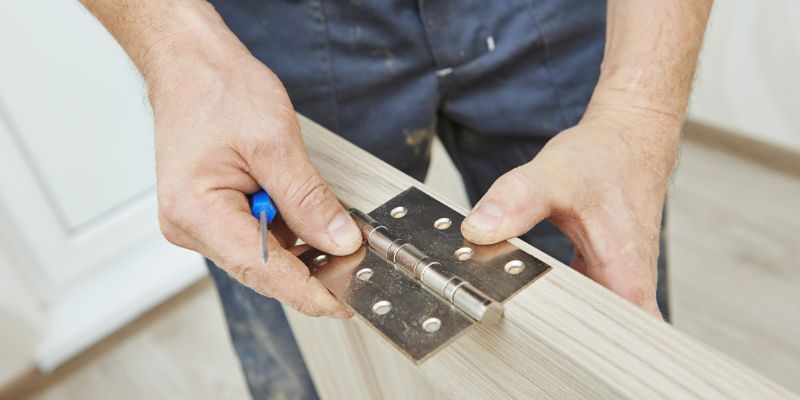
- Leaves: These are the two flat, rectangular pieces of metal that form the body of the hinge. One leaf attaches to the door, and the other attaches to the frame.
- Knuckles: These are the cylindrical parts where the two leaves interlock. They’re like the hinge’s backbone, holding everything together.
- Pin: The pin is a long, thin rod that slides through the knuckles, connecting the two leaves and allowing them to pivot.
- Screws: These hold the leaves in place, securing them to the door and frame.
When I first took a hinge apart, I was surprised at how simple it was. Just a few pieces, but they work together like a well-oiled machine. The pin lets the leaves rotate around it, which is what makes the door swing. It’s such a clever design!
How Does a Door Hinge Actually Work?
Now, let’s get to the heart of it: how does a door hinge do its job? Picture this—you push or pull a door, and it swings open smoothly. That motion is all thanks to the hinge’s ability to pivot. The pin acts as the axis, and the knuckles allow the leaves to rotate around it. One leaf is fixed to the door, and the other is fixed to the frame, so when you move the door, the hinge lets it swing while keeping everything stable.
The magic happens because of the low friction between the pin and the knuckles. When I was tinkering with a hinge once, I noticed that a little bit of lubricant made all the difference in how smoothly it moved. If the hinge is well-made and properly installed, it can handle thousands of swings without wearing out. Pretty impressive for something so small, right?
Hinges also have to be strong enough to support the door’s weight. A heavy oak front door needs beefier hinges than a lightweight closet door. That’s why you’ll see different hinge sizes and designs depending on the door’s purpose.
Types of Door Hinges and Their Uses
Not all hinges are created equal! Over the years, I’ve come across all sorts of hinges, each designed for specific jobs. Here’s a table to break down some common types you might find in your home:
| Hinge Type | Description | Common Uses |
|---|---|---|
| Butt Hinge | A standard hinge with two leaves and a pin, usually rectangular. | Interior and exterior doors |
| Ball Bearing Hinge | Has ball bearings in the knuckles for smoother movement and durability. | Heavy doors, high-traffic areas |
| Spring Hinge | Includes a spring that automatically closes the door after it’s opened. | Screen doors, self-closing doors |
| Continuous Hinge | A long hinge that runs the full length of the door for extra strength. | Heavy commercial doors, piano lids |
| Concealed Hinge | Hidden when the door is closed for a sleek look. | Modern cabinetry, invisible door designs |
| Strap Hinge | Long, decorative hinges often used for rustic or heavy-duty applications. | Barn doors, gates |
I learned about these differences when I was picking out hinges for a barn door project in my garage. The strap hinges I chose not only worked great but also added a cool, rustic vibe. Each type of hinge has its own strengths, so choosing the right one depends on your door’s weight, style, and how often it’s used.
How Hinges Are Installed
Installing a hinge might seem tricky, but once you get the hang of it, it’s pretty straightforward. I’ve installed a few hinges myself, and I’ll walk you through the process like I’m explaining it to a friend.
First, you need to mark where the hinges will go on the door and frame. Most doors have two or three hinges, spaced evenly along the edge. For a standard door, I usually place one hinge about 7 inches from the top, another 11 inches from the bottom, and a third in the middle if needed. You’ll need a chisel to carve out a shallow recess, or “mortise,” in the door and frame so the hinge sits flush. This part takes patience—trust me, I learned the hard way after rushing my first attempt and ending up with a wobbly door!
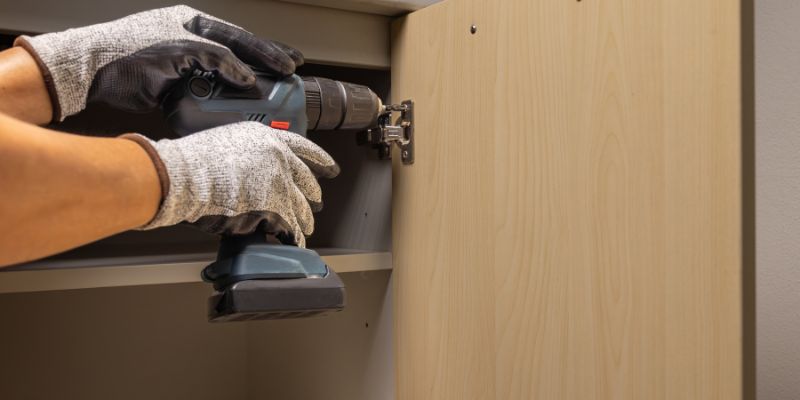
Once the mortise is ready, you screw the hinge leaves into place using a drill or screwdriver. The pin slides through the knuckles to connect the door to the frame, and voilà—you’ve got a swinging door! If you’re replacing an old hinge, it’s usually easier since the mortise is already cut. Just make sure the new hinge matches the old one’s size.
Why Hinges Sometimes Fail (And How to Fix Them)
Hinges are tough, but they’re not invincible. I’ve had my fair share of squeaky, sticky, or loose hinges over the years. Here are some common issues and how to fix them:
- Squeaking: This usually happens when the pin and knuckles get dry or dirty. A quick fix is to apply a lubricant like WD-40 or even a dab of petroleum jelly. I once fixed a squeaky bedroom door with a tiny bit of cooking oil in a pinch—it worked like a charm!
- Loose Screws: Over time, screws can loosen, making the door sag. Tightening them with a screwdriver usually does the trick. If the screw holes are stripped, I’ve found that filling them with wooden toothpicks and wood glue before re-screwing works wonders.
- Misalignment: If the door doesn’t close properly, the hinges might be misaligned. You may need to adjust the mortise or add shims (thin pieces of wood or cardboard) behind the hinge to level it out.
- Rust: Outdoor hinges can rust if they’re not made of stainless steel or brass. If rust is minor, you can clean it with a wire brush and apply a rust-resistant spray paint. For severe rust, replacing the hinge is often the best option.
I remember struggling with a rusty gate hinge in my backyard. After a good cleaning and some spray paint, it was good as new. Regular maintenance can prevent most of these issues, so it’s worth checking your hinges every year or so.
Choosing the Right Hinge for Your Door
Picking the right hinge can make or break your door’s performance. When I was renovating my kitchen, I spent hours researching hinges for my cabinet doors. Here’s what I learned:
- Consider the Door’s Weight: Heavy doors need stronger hinges, like ball bearing or continuous hinges. Lightweight doors can get by with standard butt hinges.
- Think About Aesthetics: If you want a polished look, concealed hinges are great for modern designs. For a vintage or rustic vibe, strap hinges add character.
- Check the Swing Direction: Some hinges are designed for left- or right-hand doors, so double-check before buying.
- Material Matters: For outdoor doors, go for stainless steel or brass to resist rust. Indoor hinges can be more decorative, like polished nickel or bronze.
I once made the mistake of using cheap hinges on a heavy front door, and they started sagging within months. Lesson learned—invest in quality hinges for heavy or frequently used doors!
Maintaining Your Door Hinges for Longevity
Taking care of your hinges is like giving your car a tune-up—it keeps everything running smoothly. I make it a habit to inspect my hinges every spring, and it’s saved me from bigger headaches down the road. Here are my go-to maintenance tips:
- Lubricate Regularly: A quick spray of lubricant on the pin and knuckles every six months keeps hinges quiet and smooth.
- Tighten Screws: Check for loose screws and tighten them before they cause sagging.
- Clean Off Dirt: Dust and grime can build up in the knuckles, so wipe them down with a damp cloth occasionally.
- Inspect for Wear: If a hinge looks bent or damaged, replace it before it causes bigger problems.
I once ignored a squeaky hinge for too long, and it ended up damaging the door frame. A little maintenance goes a long way!
The Evolution of Door Hinges
Hinges have been around for centuries, and it’s wild to think about how they’ve evolved. I got curious about this when I visited an old historic home and saw massive, hand-forged hinges on the doors. Back in the day, hinges were made by blacksmiths and were often decorative as well as functional. Today, modern manufacturing makes hinges more precise and durable, with options like ball bearings for smoother operation.
Some newer hinges even have fancy features, like adjustable tension or soft-close mechanisms. I installed soft-close hinges on my kitchen cabinets, and it’s amazing how they prevent slamming. The basic idea of a hinge hasn’t changed much, but the technology behind them keeps getting better.
Why Understanding Hinges Matters for Homeowners
As a homeowner, knowing how hinges work has saved me time and money. Whether I’m fixing a squeaky door, installing a new one, or picking out hardware for a renovation, understanding hinges helps me make smart choices. Plus, it’s kind of fun to geek out over the mechanics of something we use every day!
Hinges might seem like a small detail, but they play a huge role in how your home functions. A well-chosen, well-maintained hinge can make your doors feel solid and reliable, while a cheap or neglected one can lead to frustration. So, next time you open a door, take a second to appreciate the humble hinge doing its job.
Conclusion
Wow, we’ve covered a lot about door hinges, haven’t we? From their simple yet clever design to the different types and how to maintain them, I hope you feel as fascinated by these little gadgets as I do. I’ve learned so much from tinkering with hinges around my home, and it’s empowering to know how to fix or choose the right ones. Whether you’re tackling a DIY project or just want to keep your doors swinging smoothly, understanding how hinges work is a game-changer.
So, go check those hinges, give them a little love, and enjoy the satisfaction of a perfectly functioning door. Got a hinge question or a project in mind? I’d love to hear about it—let’s keep the conversation going!
Frequently Asked Questions
What Causes a Door Hinge to Squeak?
Squeaky hinges are usually caused by friction between the pin and knuckles. Dirt, dust, or lack of lubrication can make things worse. To fix it, I apply a lubricant like WD-40 or even a bit of household oil. Just a few drops on the pin, then open and close the door a few times to work it in. If the squeak persists, the hinge might be dirty or damaged, so a quick clean or replacement might be needed.
How Many Hinges Does a Door Need?
Most standard doors use two or three hinges, depending on their size and weight. I usually go with three for heavier doors, like exterior ones, to distribute the weight evenly. For lightweight interior doors, two hinges are often enough. Always check the door’s weight and manufacturer guidelines to be sure.
Can I Replace a Hinge Myself?
Absolutely! I’ve replaced hinges on my own, and it’s doable with basic tools like a screwdriver, chisel, and drill. Just make sure the new hinge matches the old one’s size and screw pattern. If you’re cutting a new mortise, take your time to get it flush. If you’re not comfortable with tools, a handyman can handle it in no time.
What’s the Difference Between a Butt Hinge and a Ball Bearing Hinge?
A butt hinge is the standard type with two leaves and a pin—simple and reliable. A ball bearing hinge has small bearings in the knuckles, which reduce friction and make it smoother and more durable. I use ball bearing hinges for heavy doors or ones that get a lot of use, like my front door.
How Do I Know If My Hinge Is Rusting?
Rust shows up as reddish-brown spots on metal hinges, especially on outdoor doors. You might also notice stiffness or flaking metal. I clean minor rust with a wire brush and apply rust-resistant paint. For bad rust, replacing the hinge with a stainless steel or brass one is the best bet.