How Far Apart Should Shelf Brackets Be? A Simple Guide for Everyone
I remember my first DIY shelf project. I wanted a shelf for my books, but I didn’t know how far apart should shelf brackets be. It was confusing! After some trial and error, I learned the tricks to make sturdy, safe shelves. This guide will help you understand shelf bracket spacing. I’ll share easy tips, clear steps, and fun examples. Whether you’re a beginner or a pro, you’ll find simple advice to build great shelves.
What Are Shelf Brackets and Why Does Spacing Matter?
Shelf brackets hold up your shelves. They’re like strong arms keeping everything in place. Spacing them correctly stops shelves from sagging or falling. If brackets are too far apart, your shelf might bend. If they’re too close, you waste materials. Getting it right makes your shelves safe and strong. I learned this when my first shelf sagged under heavy books!
Why Spacing Depends on Your Shelf
The distance between brackets depends on a few things. The shelf material, length, and what you put on it all matter. For example, a shelf for books needs closer brackets than one for light decor. Understanding this helps you plan better.
How Far Apart Should Shelf Brackets Be?
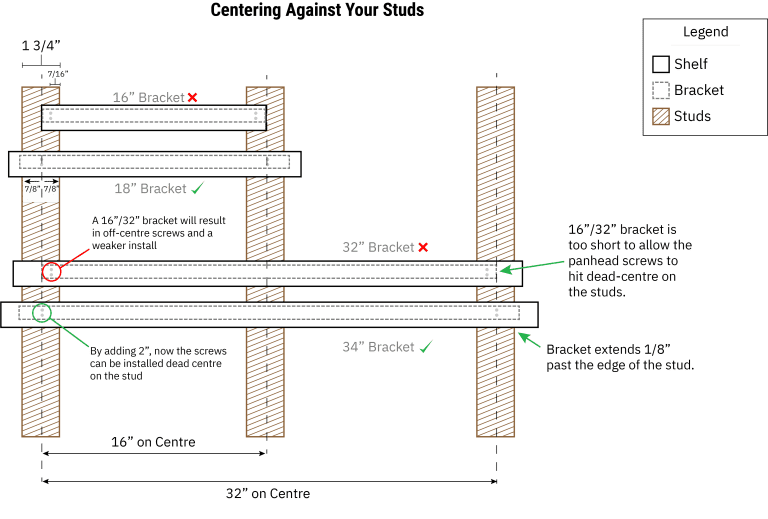
The general rule is to place brackets 24 to 36 inches apart. This works for most shelves. But it changes based on the shelf’s material and load. Let’s break it down with simple examples.
Factors That Affect Bracket Spacing
- Shelf Material: Strong materials like plywood can span farther. Weaker ones like particleboard need closer brackets.
- Shelf Length: Longer shelves need more brackets to avoid sagging.
- Weight: Heavy items like books or tools require closer spacing. Light items like photos need less support.
- Wall Type: Brackets must attach to wall studs for strength.
I once built a 48-inch shelf for my kitchen. I used two brackets, 24 inches apart, for spices. It worked perfectly! For heavier items, I’d add another bracket.
General Guidelines for Bracket Spacing
Here’s a quick guide for spacing based on shelf type:
- Plywood (¾ inch thick): Up to 36 inches apart for books.
- Lumber (1×10): Up to 24 inches apart for heavy items.
- Particleboard: 16 to 24 inches apart for light loads.
Always check the shelf’s weight limit. A sagging shelf can ruin your project!
Step-by-Step Guide to Installing Shelf Brackets
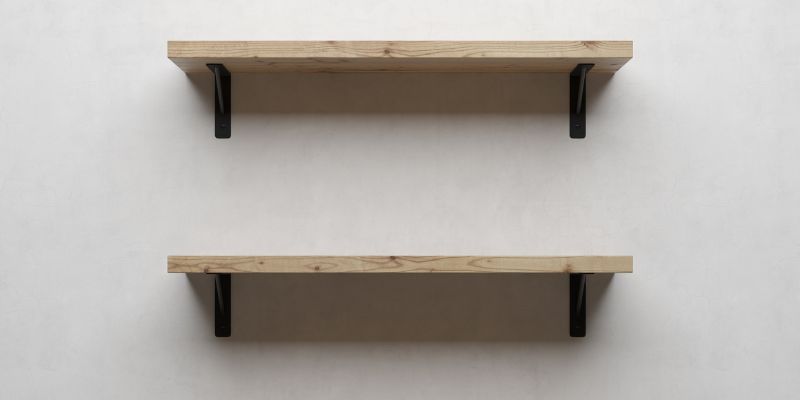
Installing shelves is fun and easy if you follow these steps. I’ll walk you through how I set up a book shelf in my living room.
- Plan Your Shelf: Decide what you’ll store. Books? Toys? Plants? This sets the bracket spacing.
- Measure the Wall: Use a tape measure to mark where brackets go. Aim for 24-36 inches apart.
- Find Wall Studs: Use a stud finder to locate studs. Brackets need studs for strength.
- Mark Bracket Spots: Use a pencil to mark where screws will go. Check with a level.
- Drill Pilot Holes: Use a drill bit smaller than your screws. This prevents wall damage.
- Attach Brackets: Screw brackets into studs. Double-check they’re level.
- Place the Shelf: Secure the shelf to brackets with screws. Test for sturdiness.
This method worked great for my 60-inch book shelf. I spaced brackets 30 inches apart and it holds heavy novels!
Tools and Materials You’ll Need
Here’s what you need to get started:
- Stud Finder: Finds wall studs for secure mounting.
- Level: Keeps brackets even.
- Drill and Bits: For pilot holes and screws.
- Screws: Use 2-inch wood screws for studs.
- Brackets: Choose metal or wood, based on style.
- Shelf Board: Plywood or lumber, cut to size.
I bought my brackets from Home Depot for $5 each. Affordable and strong!
Comparing Bracket Spacing for Different Shelves
Here are two tables to help you choose the right spacing. They compare shelf types and loads.
Table 1: Bracket Spacing by Shelf Material
| Material | Max Spacing (Light Load) | Max Spacing (Heavy Load) |
|---|---|---|
| Plywood (¾”) | 36 inches | 24 inches |
| Lumber (1×10) | 24 inches | 16 inches |
| Particleboard | 24 inches | 16 inches |
| Caption: Use this table to pick spacing based on your shelf material. |
Table 2: Bracket Spacing by Shelf Length
| Shelf Length | Number of Brackets | Spacing (inches) |
|---|---|---|
| 24 inches | 2 | 16-20 |
| 48 inches | 2-3 | 20-24 |
| 72 inches | 3-4 | 24 |
| Caption: Adjust bracket numbers for longer shelves to prevent sagging. |
These tables helped me plan a garage shelf for tools. I used three brackets for a 72-inch shelf.
Benefits and Drawbacks of Different Bracket Spacing
Spacing brackets correctly has big benefits. It keeps shelves sturdy and safe. It also saves money by using fewer brackets. But if you space them too far, shelves can sag or fall. Too many brackets waste materials and look cluttered. I learned to balance looks and strength for my projects.
Alternative Options
You can use floating shelf brackets for a hidden look. They’re trickier to install but sleek. Adjustable bracket systems, like those from This Old House, let you move shelves easily. I tried floating brackets for a bathroom shelf. They looked great but needed extra care to install.
My Top Tips for Perfect Shelf Bracket Spacing
Here are my favorite tips from years of shelving projects:
- Always Find Studs: Use a stud finder to anchor brackets securely. Drywall alone won’t hold heavy shelves.
- Test Before Loading: Place a few items on the shelf to check for wobble. Fix any issues before adding more.
- Use a Level: Crooked shelves look bad and can tip. Check twice!
I once skipped the level and my shelf tilted. Never again!
Common Mistakes to Avoid
Don’t make these beginner mistakes:
- Skipping Studs: Brackets in drywall can pull out. Always find studs.
- Wrong Bracket Size: Brackets should be at least 4/5 of the shelf depth.
- Ignoring Weight: Heavy items need closer brackets. Check the load limit.
I ruined a shelf by overloading it with tools. Plan for weight first!
Visual Ideas for Better Understanding
To make spacing clearer, consider these visuals (not included):
- A diagram showing brackets spaced 24 inches apart on a 48-inch shelf.
- A photo of a stud finder marking wall studs.
- A sketch of a shelf with books, showing weight distribution.
These would help beginners see the process. I wish I had them starting out!
Cost-Saving Ideas
Save money with these tricks:
- Buy brackets in bulk from Lowe’s. They’re cheaper in sets.
- Use scrap wood for shelves. I found great plywood at a local lumber yard.
- Borrow tools like a stud finder from a friend to avoid buying one.
Frequently Asked Questions
How Far Apart Should Shelf Brackets Be for Heavy Books?
For heavy books, space brackets 16 to 24 inches apart. Use strong materials like ¾-inch plywood. Secure brackets to wall studs for safety. I built a book shelf with brackets 20 inches apart, and it holds my entire collection without sagging. Always check the shelf’s weight limit before loading.
Can I Install Brackets Without Wall Studs?
Yes, but use heavy-duty drywall anchors. Studs are best for strength, especially for heavy loads. If studs aren’t available, toggle bolts work well. I used anchors for a small bathroom shelf, but I wouldn’t trust them for heavy tools. Always follow the anchor’s weight rating.
What Size Brackets Should I Use?
Brackets should be at least 4/5 of the shelf’s depth. For a 12-inch deep shelf, use 10-inch brackets. This ensures stability. I used 8-inch brackets for a 10-inch shelf once, and it wobbled. Bigger brackets are safer for deeper shelves.
How Many Brackets Do I Need for a Long Shelf?
For a 72-inch shelf, use 3-4 brackets spaced 24 inches apart. Add more for heavy loads. My 60-inch garage shelf has three brackets, and it’s rock-solid. Check the shelf length and weight to decide. Use my Table 2 for guidance.
What If My Shelf Sags?
Sagging means brackets are too far apart or the material is weak. Add more brackets or switch to stronger wood like plywood. I fixed a sagging shelf by adding a third bracket in the middle. Test with light items first to avoid damage.
Can I Use Floating Brackets?
Yes, floating brackets hide supports for a clean look. They’re harder to install but great for decor. I used them in my bathroom, spacing them 20 inches apart for light items. Ensure they’re anchored to studs for strength. Check This Old House for tips.
How Do I Find Wall Studs?
Use a stud finder to locate studs, usually 16 inches apart. Mark them with a pencil. I always double-check with a small nail to confirm. Studs ensure your brackets hold heavy loads. Without them, your shelf might fall.
Conclusion
Building shelves is fun and easy with the right bracket spacing. Space brackets 24 to 36 inches apart for most shelves. Adjust for heavy loads or weak materials. Use studs, a level, and strong brackets for safety. My book shelf project taught me to plan carefully, and now it’s perfect! Try building a shelf for your books or plants. Share your project with friends or ask me for tips. Happy shelving!