How Long Does Wood Take To Dry After Rain? Honest Answer
It’s a common question, especially if you’ve got a project planned or a fire to build. You see wet wood, and you just want to know: when can I use it? It feels like it takes forever sometimes.
This guide will help you understand what’s really going on with wood and water.
The time it takes for wood to dry after rain depends heavily on the type of wood, its thickness, the weather, and how it’s stored. For firewood, it can take months to over a year. For construction lumber, it might be weeks to months if air-dried, or much faster in a kiln.
Understanding Wood and Water
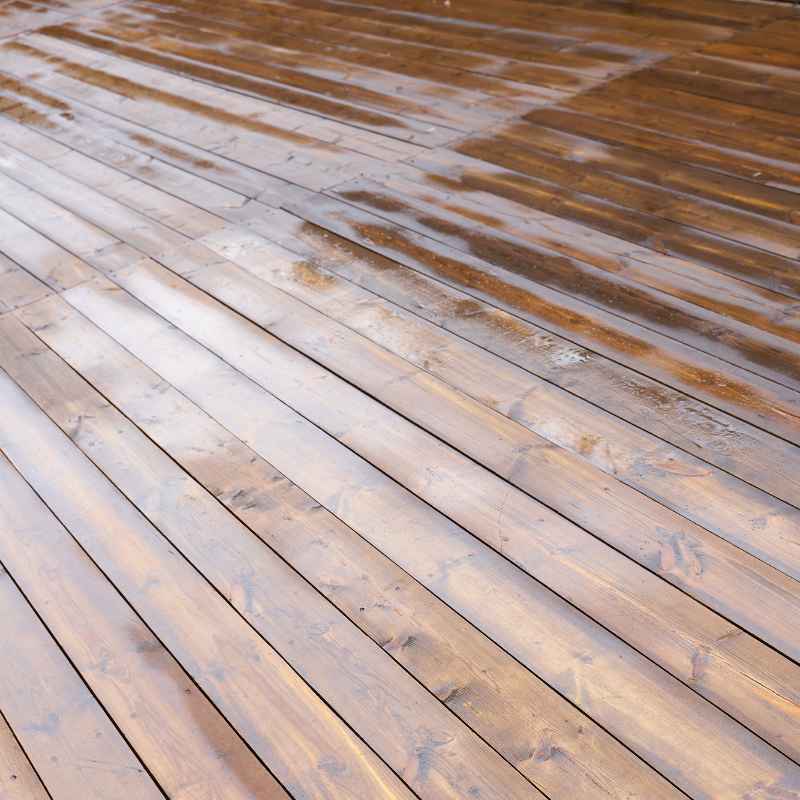
Wood is like a sponge. When it rains, the water soaks into the tiny little pores inside the wood. Think of a tree trunk.
It’s made of millions of these tiny tubes.
Rain fills up these tubes. The amount of water depends on how long it rained and how much the wood absorbed. Some woods soak up water faster than others.
Denser woods, like oak, soak up water more slowly than lighter woods, like pine.
Why Drying Matters
Dry wood is much better for most things. Wet wood is heavy. It’s hard to cut and work with.
If you try to burn wet wood, it won’t burn well. It makes a lot of smoke. It also doesn’t give off much heat.
For building, wet wood can cause problems later. As it dries, it shrinks. This can make walls sag or cause cracks in floors.
It’s why professionals often use dry lumber for building homes. They want the wood to be stable.
Factors Affecting Drying Time
Many things change how fast wood dries out. It’s not just one simple answer.
Key Drying Factors
Wood Type: Softwoods dry faster than hardwoods.
Thickness: Thicker pieces take much longer.
Weather: Sun, wind, and dry air speed things up.
Storage: How you stack wood makes a big difference.
Initial Wetness: How much rain it soaked up.
Let’s look at these more closely. It helps to know what you’re dealing with.
Wood Type
Different types of trees have different wood structures. Pine, fir, and spruce are softwoods. They have larger, more open pores.
Water can get in and out easily. So, they dry quicker.
Hardwoods like oak, maple, and cherry have tighter, denser grain. Their pores are smaller. Water takes longer to move through them.
This means hardwoods dry much slower than softwoods.
Thickness and Size
A thin piece of wood will dry faster than a thick one. Think about a thin twig versus a thick log. The twig dries out in hours.
The log can take weeks or months.
This is true for lumber too. A 1-inch thick board will dry much faster than a 4-inch thick beam. The water has less distance to travel to get out.
Weather Conditions
The best weather for drying wood is hot, sunny, and windy. This is because heat helps water turn into vapor. Wind blows that vapor away.
Dry air also pulls moisture from the wood.
Damp, humid, or cold weather slows drying down a lot. If it’s always raining or very humid, the wood just won’t lose moisture very fast. It’s like trying to dry clothes on a very wet day.
Storage and Airflow
How you stack your wood is super important. Wood needs air to flow around it. If you stack wood in a big, tight pile, the middle stays wet for a long time.
Good airflow lets the sun and wind do their job. It helps the moisture escape. Stacking wood off the ground is also key.
This prevents ground moisture from getting into the wood.
Drying Firewood After Rain
This is where many people get frustrated. You buy or cut firewood, and it’s wet from rain. You want to use it, but it just won’t burn right.
For firewood, you’re usually talking about air drying. This means letting nature do the work. It takes time.
How much time depends on the factors we talked about.
Firewood Drying Timeline (Approximate)
- Softwoods (e.g., Pine): 6-12 months
- Hardwoods (e.g., Oak): 12-24 months
- Thicker Logs: Add 6+ months
- Humid Climates: Add 6+ months
I remember one time, after a really wet spring, I had a stack of oak logs. They had sat out for a few months. I thought they would be dry enough for fall.
I was so wrong. They smoked like crazy and barely gave any heat.
That taught me a lesson. Good firewood needs time. It’s not just about letting it sit.
It’s about letting it get proper airflow and sunlight.
Best Way to Stack Firewood
The best way to stack firewood is in a rick or lean-to. This keeps it off the ground. It allows air to move freely on all sides.
The front should face the prevailing wind and sun if possible. This helps it dry faster.
Don’t stack it too high or too wide. Smaller, well-spaced stacks dry better. Covering the top with a tarp is good.
But make sure the sides are open. You don’t want to trap moisture.
Drying Lumber for Building Projects
When you buy lumber from a store, it’s usually one of two types: green lumber or kiln-dried lumber. Green lumber is wood that has not been dried. It has a high moisture content, often over 20%.
Kiln-dried lumber has been dried in a special oven called a kiln. This is a controlled process that dries wood much faster and more evenly. It brings the moisture content down to around 10-15%.
Kiln Drying vs. Air Drying Lumber
-
Kiln Drying:
- Fast (days to weeks)
- Controlled moisture
- Less prone to warping/cracking
- More expensive
-
Air Drying:
- Slow (months to years)
- Less controlled
- More risk of defects
- Cheaper
If you cut your own lumber, you’ll likely be air drying it. This means you need to stack it properly. Just like firewood, it needs airflow.
Boards are typically stacked flat, with thin spacers called stickers between each layer.
This creates air gaps. The stickers need to be uniform in thickness. This ensures even drying.
You also need to protect the stack from direct rain. A simple shed roof or a tarp can work, but again, keep the sides open.
How to Tell if Wood is Dry Enough
You can’t always tell just by looking. Wood can feel dry on the outside but still be wet inside. There are a few ways to check:
Using a Moisture Meter
This is the most reliable way. A wood moisture meter is a small electronic device. You push the pins into the wood.
It reads the moisture content.
For most indoor projects, you want the moisture content to be below 12%. For firewood, you’re aiming for under 20%. Anything over that will smoke and burn poorly.
The ‘Chalk’ Test (for firewood)
This is an old-timer trick. Take a piece of firewood and try to scratch it with your fingernail. If it’s dry, it will make a chalky dust.
If it’s wet, it will feel soft and make a mushy indentation.
Another trick is to look at the ends of the firewood. If it’s dry, you might see cracks or splits radiating from the center. This is called checking.
It shows the wood has shrunk as it dried.
Weight
Dry wood is significantly lighter than wet wood. If you can compare a piece of wood you know is wet to a similar piece that has been drying for a while, you can feel the difference. This is not a precise method, but it gives you a general idea.
Common Scenarios and Drying Times
Let’s break down some common situations.
Drying Time Scenarios
Scenario: Freshly cut hardwood logs for firewood after a week of rain.
Drying Time: Expect 18-24 months of good drying conditions.
Scenario: Pine boards (1-inch thick) left stacked outside with airflow after a light shower.
Drying Time: Could be dry enough for non-critical use in 4-8 weeks, if weather is favorable.
Scenario: Large oak beams for furniture after heavy rain.
Drying Time: Will likely need months, possibly over a year, even with good stacking. Kiln drying is often preferred for large beams.
I once had a friend who cut down a beautiful maple tree. He wanted to make a dining table. He stacked the lumber and let it sit for about six months.
When he started working with it, the wood was still too wet. It warped terribly.
He ended up having to buy kiln-dried lumber instead. It was a costly mistake. It showed me how crucial proper drying time and methods are for valuable projects.
It’s better to wait longer than to rush and ruin the wood.
What Happens If You Use Wood That Is Too Wet?
Using wet wood can lead to several problems, depending on its intended use. For firewood, it’s mostly about inefficiency and pollution.
Wet wood burns at a lower temperature. This means less heat is produced. It also creates a lot of steam.
This steam cools the fire. The wood doesn’t combust completely. This leads to a lot of smoke.
It’s also bad for your chimney. Creosote, a tar-like substance, builds up. This can cause chimney fires.
For building, the issues are more structural. As wet wood dries out, it shrinks. If you use wet lumber for framing, the house will settle and shrink as the wood dries.
This can cause drywall to crack, doors and windows to stick, and even structural damage over time.
In furniture making, wet wood can warp, twist, and cup. Joints can open up. Finishes might not adhere properly.
It’s a recipe for frustration and costly repairs or remakes.
When is Rain Not a Big Deal for Wood?
Sometimes, a little rain on wood isn’t a catastrophe. This is especially true if the wood is going to be exposed to the elements anyway.
For instance, if you have logs for rustic outdoor furniture or simple garden stakes, a bit of rain isn’t the end of the world. The wood will continue to dry and weather naturally.
However, even for outdoor use, letting wood dry somewhat can be beneficial. It makes it easier to cut and shape. It also helps prevent mold and decay from setting in too quickly.
Can You Speed Up Drying?
Yes, you can speed up drying, but it needs to be done carefully. The best way is through kiln drying, as mentioned. This is a professional process.
For DIY drying, you can help the process by ensuring maximum airflow and sunlight. Stack wood in a sunny, breezy spot. Use stickers to create ample air gaps.
Ensure the stack is off the ground.
Using fans to circulate air around the wood pile can also help. It encourages the moist air to move away. But be cautious.
Trying to dry wood too quickly, especially with intense heat, can cause it to crack and warp.
Real-World Examples and Experiences
I often visit local sawmills. It’s fascinating to see the stacks of lumber. They all have stickers between them.
Some are air-drying yards. Others have massive kilns.
The guys at the mill always stress patience. They’ll tell you a story about a batch of cherry that took three years to dry properly. They wanted it for high-end cabinets.
Rushing it would have ruined thousands of dollars of wood.
I also know a few folks who heat their homes with wood. They are meticulous about stacking firewood. They stack it a year or two in advance.
They have specific spots for it, away from the house, with plenty of sun. They know that wet wood is a headache they don’t want.
One neighbor showed me his wood shed. It’s basically a large, open-sided structure. The wood is stacked neatly inside.
There’s a gap at the top where rain can get in, but it’s covered by an overhang. Air moves through it like a tunnel. He said that stack is usually ready in about a year.
What This Means for You
Understanding wood drying is practical. It saves you time, money, and frustration.
When is it Normal for Wood to Be Wet?
It’s normal for freshly cut wood to be wet. It’s also normal for wood left out in the rain to absorb moisture. The key is what you plan to do with it.
For firewood, a bit of surface moisture from a recent shower isn’t the end of the world. But if it’s been rained on heavily for days, it needs to dry out significantly.
When Should You Worry About Wet Wood?
You should worry if you need dry wood for a project and it hasn’t had enough time to dry. For building, especially structural elements, wet wood is a serious concern.
For firewood, if it smokes excessively and produces little heat, it’s too wet. This is a sign it needs more drying time. For both, if mold starts to grow, it’s a sign of prolonged dampness.
Simple Checks You Can Do
Listen to the wood. When you hit two dry pieces together, they make a sharp, clear sound. Wet wood makes a dull thud.
Feel the weight. If you’ve handled dry wood before, you’ll notice a significant weight difference. Wet wood feels much heavier.
Look at the ends. As mentioned, dry wood often shows cracks or checks. This is a sign of drying.
Quick Tips for Better Drying
If you have wood that has gotten wet:
- Separate it: If possible, break up large piles.
- Expose it: Stack it so air can reach all sides.
- Elevate it: Keep it off the damp ground.
- Give it sun and wind: Position it where it gets these elements.
- Be patient: Drying takes time.

Frequently Asked Questions
How long does it take for firewood to dry after rain?
Firewood needs to dry for at least 6-12 months for softwoods and 12-24 months for hardwoods, even after rain. Proper stacking and airflow are key to this process.
Can I use wood that is still slightly damp for a project?
It depends on the project. For non-critical outdoor uses, it might be okay. For indoor furniture, cabinetry, or structural building, you need wood to be significantly dry, usually below 15% moisture content.
What happens if I burn wet firewood?
Burning wet firewood results in less heat, more smoke, and the potential buildup of creosote in your chimney. This creosote can be a fire hazard. It’s inefficient and pollutes more.
How can I protect my wood pile from rain?
Cover the top of the wood pile with a tarp or build a simple roof. Ensure the sides remain open to allow for good airflow. Do not wrap the entire pile, as this traps moisture.
Is kiln-dried wood better than air-dried wood?
Kiln-dried wood is generally considered more stable and drier. It dries faster and more uniformly, reducing the risk of warping or cracking. However, it is usually more expensive than air-dried wood.
Can I use a heater to dry wood faster?
While you can use fans to improve airflow, using direct heat like heaters can cause wood to dry too quickly. This can lead to cracking, warping, and other defects. Gradual drying is usually best for wood quality.
Final Thoughts
So, how long does wood take to dry after rain? It’s a question with many answers. It depends on the wood, the weather, and how you store it.
Patience and proper stacking are your best friends. Giving wood the time it needs will lead to better results, whether for a warm fire or a sturdy building.
Sponsored / affiliate links. As an Amazon Associate I earn from qualifying purchases. I may earn additional commission from eligible campaigns.