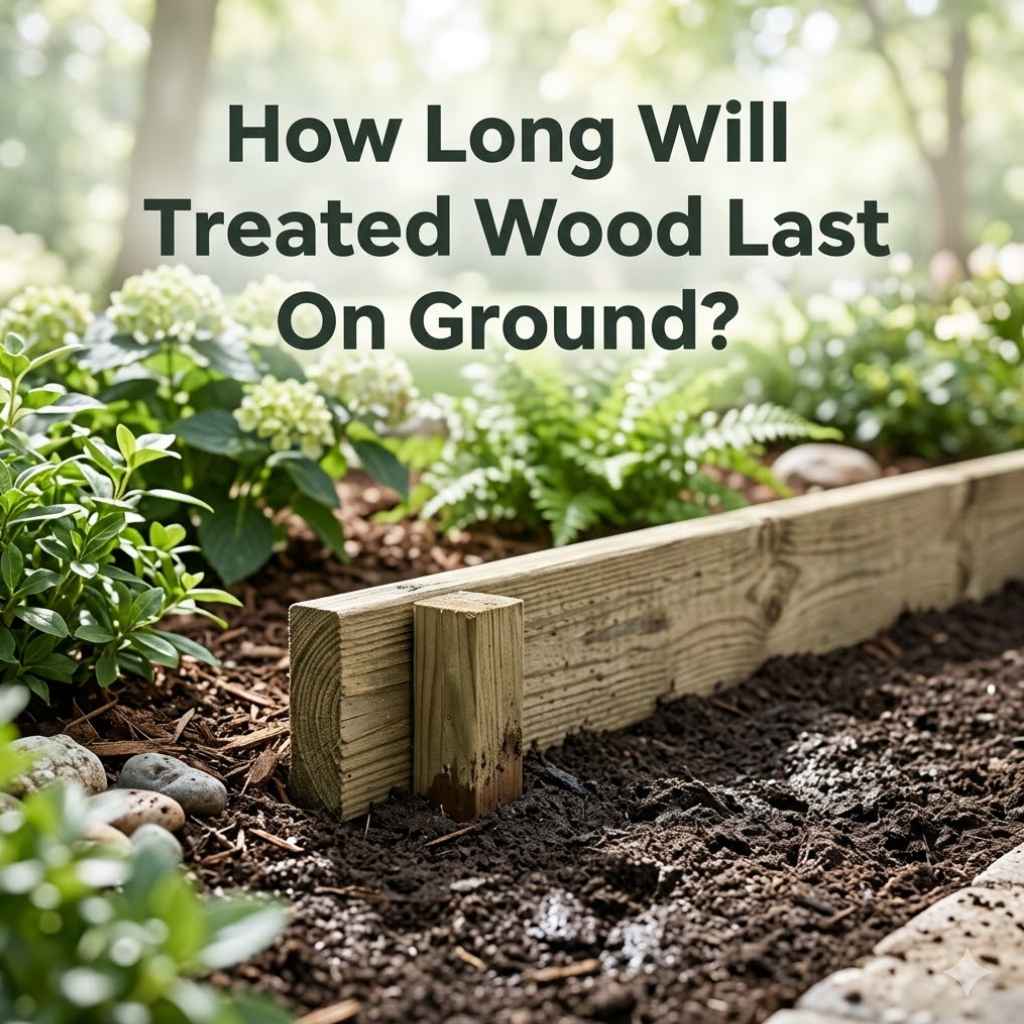
How Long Will Treated Wood Last On Ground?
Figuring out how long treated wood will last when it sits directly on the ground can be a tricky question, especially if you’re new to projects like building decks or fences. Many people wonder about this because the ground can be damp and full of things that can make wood rot faster. This is why knowing the answer to How Long Will Treated Wood Last on the Ground?
2026 Facts is so important for getting your projects right. Don’t worry if it seems confusing; we’ll walk through it simply, step-by-step. We’ll explore what affects wood’s lifespan and how to make it last as long as possible, giving you the facts you need.
Treated Wood Lifespan On Ground Factors
When we talk about how long treated wood lasts on the ground, it’s not just about the treatment itself. Several other things play a big role in how well the wood holds up over time. The type of wood, how it was treated, and the conditions it’s exposed to all contribute to its durability.
Understanding these elements helps us predict and ensure a longer life for our outdoor structures. We’ll look at each of these key influences to give you a clear picture.
Wood Type and Treatment Quality
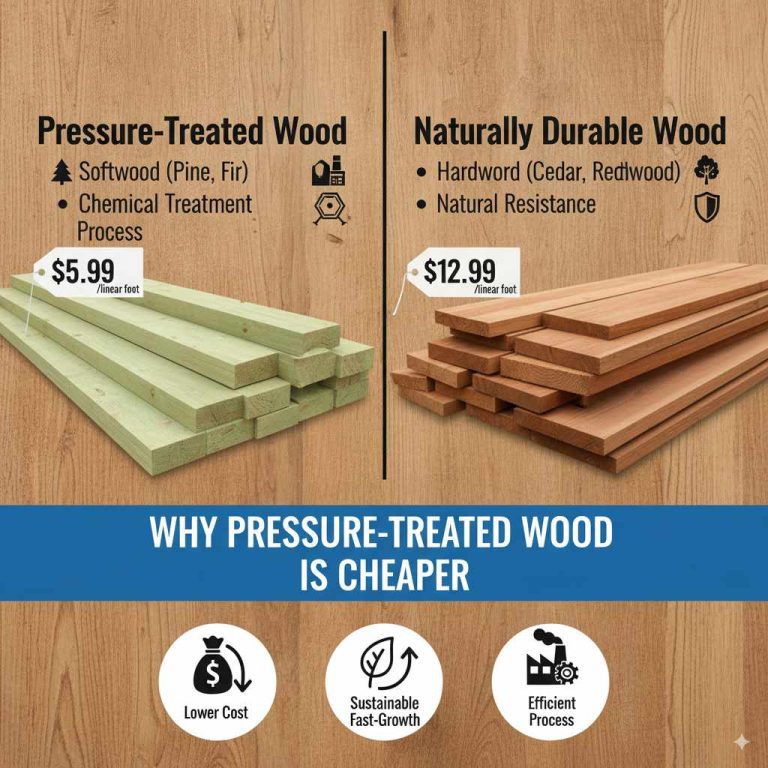
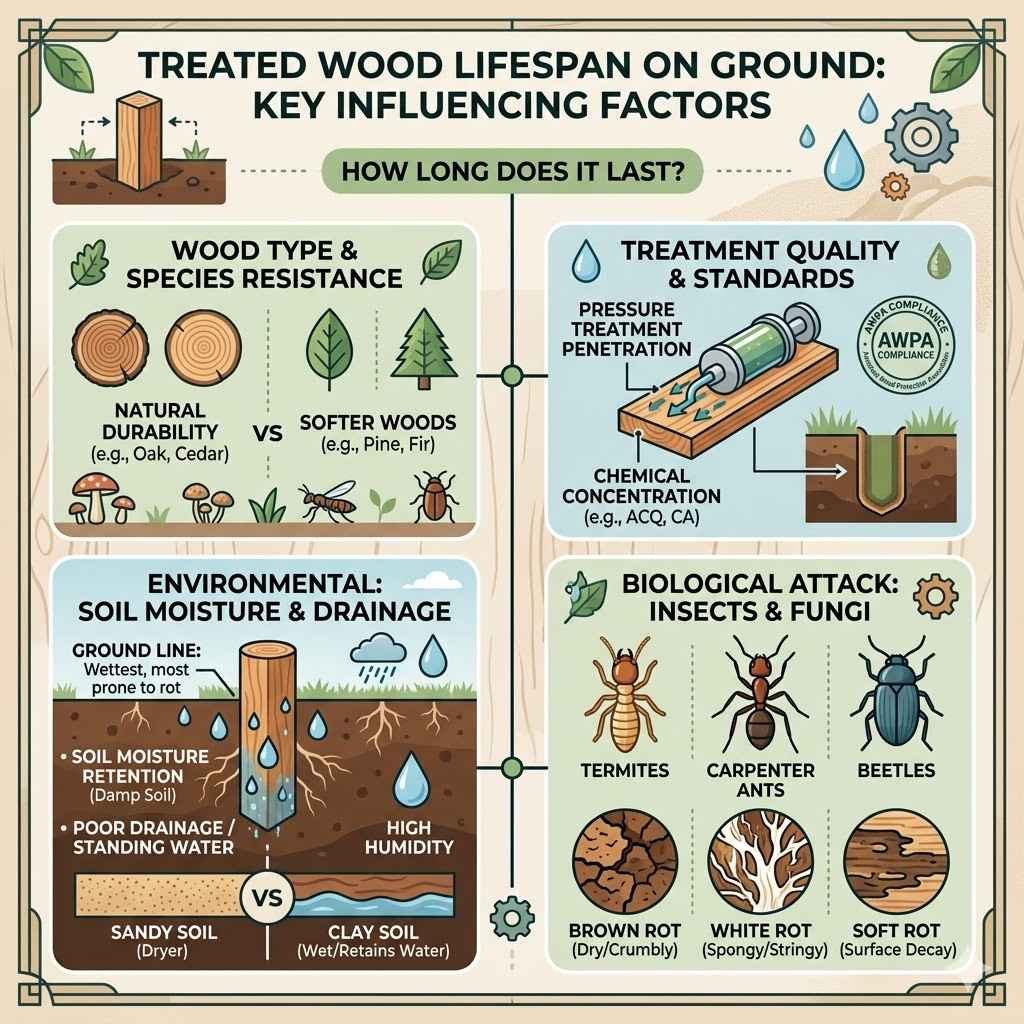
Not all wood is created equal when it comes to outdoor use. The natural properties of different wood species mean some are more resistant to decay and insects than others. For example, hardwoods like oak or cedar have natural oils and densities that help them resist rot better than softwoods like pine or fir.
When it comes to treated wood, the quality of the treatment is paramount. Pressure treatment forces chemicals deep into the wood, protecting it from fungi and insects. The effectiveness of this treatment depends on the type and concentration of chemicals used, as well as how thoroughly the wood was treated.
Wood that is properly treated with approved preservatives, such as alkaline copper quaternary (ACQ) or copper azole (CA), offers significant protection. These treatments are designed to resist biological degradation. However, even the best treatment can be compromised if the wood is not handled correctly after treatment or if the treatment is not applied evenly throughout the wood’s core.
The depth of penetration is critical; surface-level treatment offers far less protection than treatment that saturates the wood fibers.
The American Wood Protection Association (AWPA) sets standards for wood preservation. Products treated according to AWPA standards are generally reliable. However, individual products can vary in quality.
Some lower-cost options might use less effective chemical concentrations or less rigorous treatment processes. This can lead to a shorter lifespan, especially when the wood is in constant contact with the soil. Always check for stamps or labels indicating AWPA compliance to ensure you are getting a product designed for longevity.
Environmental Conditions Soil Moisture and Contact
The environment where the treated wood is placed has a huge impact on its lifespan, especially when it’s in direct contact with the ground. Soil is often damp, creating an ideal breeding ground for fungi and bacteria that cause wood to decay. Constant moisture is the biggest enemy of wood, treated or not.
This is why drainage is so important for any structure built with wood. When wood sits directly on wet soil, it can absorb moisture, which then promotes the growth of decay organisms.
Think about a wooden post sunk into the ground. The area where the wood meets the soil is called the ground line. This is typically the wettest part and most prone to rot.
Even if the wood is treated, this constant dampness can break down the wood fibers and the protective chemicals over time. If the soil is also rich in nutrients, it can further encourage the growth of organisms that feed on wood. Areas with poor drainage, standing water, or frequent rainfall will significantly shorten the lifespan of treated wood.
The type of soil also plays a role. Clay soils tend to hold more moisture than sandy soils. In climates with high humidity or frequent rain, the problem of moisture retention is amplified.
Even in drier climates, heavy dews or occasional heavy downpours can saturate the ground and affect the wood. The constant cycle of wetting and drying can also cause the wood to expand and contract, leading to cracks where moisture can penetrate deeper, accelerating decay.
Insects and Fungi
Beyond just moisture, the ground is home to many pests and organisms that can damage wood. Termites, carpenter ants, and various types of beetles are all attracted to wood, especially if it is damp and decaying. While treated wood offers protection against many of these insects, some can still find ways to attack it, particularly if the treatment is not fully effective or if the wood has been damaged.
Fungi, on the other hand, are a primary cause of rot. There are many types of fungi that thrive in moist environments and feed on the cellulose and lignin in wood, breaking it down into a mushy or crumbly material.
The preservatives used in treated wood are designed to be toxic to these fungi and insects. However, the effectiveness can diminish over time, especially with prolonged exposure to moisture and soil. Some fungi can develop resistance to certain chemicals, though this is less common with modern treatments.
The key is that the treatment needs to be present throughout the wood to offer protection. If the wood is cut after treatment, the exposed interior may not have the same level of protection, making it vulnerable.
Different types of rot exist, such as brown rot, white rot, and soft rot. Brown rot breaks down the cellulose, leaving behind a dry, crumbly material. White rot decomposes both cellulose and lignin, leading to a spongy or stringy texture.
Soft rot occurs in very wet conditions and causes a surface decay. The presence of these organisms in the soil, combined with moisture, creates a perfect storm for wood degradation. Choosing wood treated for “ground contact” is crucial because it has a higher level of preservative retention specifically designed for these harsh conditions.
Understanding Treated Wood Ratings
When you buy treated wood, you’ll often see ratings that tell you how it’s meant to be used. These ratings are based on the amount of preservative in the wood and are designed to ensure it will last in specific conditions. For wood that will be in contact with the ground, a higher rating is necessary to provide adequate protection against decay and insects.
Knowing these ratings helps you pick the right wood for your project, ensuring it will stand up to the challenges of being on the ground.
Ground Contact Ratings Explained
Treated lumber comes with different retention levels of preservatives. These levels are assigned based on where the wood will be used. For example, wood used for above-ground decks will have a different treatment level than wood used for fence posts that are buried in the soil.
The ratings for ground contact indicate that the wood has a higher concentration of preservatives to withstand constant moisture and direct exposure to soil-borne organisms.
Common ground contact ratings include AWPA UC4A (General Use Ground Contact) and AWPA UC4B (Heavy Ground Contact). UC4A is suitable for most applications where wood is in direct contact with the ground, like decks, patios, and retaining walls. UC4B is for more demanding situations, such as posts for permanent structures like bridges, docks, or utility poles, which experience extreme moisture and stress.
Using the correct rating is vital for the longevity and safety of your project.
The number associated with the treatment is usually indicated by “pcf,” which stands for pounds per cubic foot. This measures how much of the preservative chemical is in one cubic foot of wood. For example, a ground contact rating might specify a retention of 0.40 pcf or 0.60 pcf.
Higher pcf values mean more preservative has been forced into the wood, offering greater protection against rot and insect attack. Always check the end tag or stamp on the lumber to verify its rating and intended use.
Pressure Treatment Processes
Pressure treatment is the most common method for applying preservatives to wood. It involves placing lumber into a sealed cylinder and then using a vacuum and hydraulic pressure to force the preservative deep into the wood fibers. This process ensures that the protective chemicals are distributed throughout the piece of wood, not just on the surface.
There are different types of pressure treatment, but the fundamental goal is the same: to enhance the wood’s resistance to decay and insect damage.
The core of the pressure treatment process involves a vacuum cycle to remove air from the wood cells. Then, the preservative solution is introduced into the cylinder, and high pressure is applied. This pressure pushes the liquid deep into the wood’s structure.
After the desired amount of preservative has been absorbed, a final vacuum is applied to remove excess solution from the wood’s surface. This leaves the wood with a dry feel and a consistent level of protection throughout.
The effectiveness of pressure treatment depends on the type of wood, the species, and its moisture content. Wood that is too wet may not absorb the preservative as well. The type of preservative used is also critical.
Modern preservatives are generally considered safe for use and environmentally friendly when applied correctly. The AWPA standards ensure that the chemicals and processes used meet rigorous safety and performance criteria, giving consumers confidence in the product’s durability.
Above Ground vs. Ground Contact Wood
The distinction between above-ground and ground-contact treated wood is critical for project success. Above-ground wood is suitable for applications where the lumber is not in direct contact with soil or standing water. Examples include joists for a deck that are elevated, railings, or siding.
This type of wood has a lower retention of preservatives because it is not exposed to the same level of moisture and decay organisms.
Ground-contact wood, as discussed, has a higher retention rate. This is because wood in direct contact with soil is constantly exposed to moisture, fungi, and insects that are abundant in the ground. A fence post sunk into the soil, for instance, needs the superior protection offered by ground-contact treatment.
Using above-ground rated wood for a ground-contact application is a recipe for premature failure, as it will rot much faster.
A common mistake is to use the same type of treated wood for all parts of a project. For example, using above-ground rated lumber for deck posts that will be buried. Over time, the buried sections will degrade, compromising the structural integrity of the entire deck.
Always check the end tag of the lumber or consult with your supplier to ensure you are selecting the correct treatment level for each component of your project, especially those that will touch the ground.
Expected Lifespan of Treated Wood on the Ground
So, how long can you actually expect treated wood to last when it’s sitting on or in the ground? While it’s designed to be durable, it’s not immortal. The lifespan depends heavily on the factors we’ve discussed, like the treatment quality, the environment, and the specific use.
However, with proper selection and installation, treated wood can provide many years of service. We’ll break down what you can realistically expect and why.
General Durability Estimates
Treated wood, especially when rated for ground contact and properly installed, can last for a considerable amount of time. For many common residential applications like fence posts or deck footings that are in direct contact with the ground, you can reasonably expect 15 to 25 years of service life. Some sources and anecdotal evidence suggest it can last even longer, up to 30 years or more in ideal conditions with high-quality treatment.
However, these are estimates. Factors like consistent heavy rainfall, poor drainage leading to standing water, extremely humid climates, or heavy insect activity can shorten this lifespan. Conversely, in drier climates with good drainage and minimal pest issues, the wood might exceed these estimates.
The key is that the preservative treatment slows down decay and insect attack significantly, but it doesn’t make the wood immune.
It’s also important to remember that “lasting” doesn’t always mean looking pristine. The wood might show signs of wear, fading, or surface cracking over time. The structural integrity, however, is what truly matters.
When treated wood begins to fail structurally, it will become soft, crumbly, or easily broken, indicating that the decay process has overwhelmed the preservative treatment.
Comparing to Untreated Wood
The difference in lifespan between treated and untreated wood when placed on the ground is dramatic. Untreated wood, even the most rot-resistant natural species, will typically start to decay within a few years when in direct contact with soil. Softwoods like pine or fir, if untreated, might only last 1 to 3 years before significant rot sets in.
Even naturally durable woods like cedar or redwood will likely only last 5 to 10 years in ground contact without treatment.
Treated wood, on the other hand, is specifically engineered to resist these decay processes. The preservatives create a toxic environment for the fungi and insects that would normally consume the wood. This dramatically extends its usable life.
The extension can be several times longer than untreated wood. This is why treated wood is the standard for most outdoor construction projects where durability and longevity are important.
The cost savings over the long term are significant. While treated wood is more expensive upfront than untreated wood, its extended lifespan means you won’t have to replace it as often. This saves money on materials and labor for replacements over the years.
For projects like structural foundations or supports, the extended life provided by treated wood is essential for safety and stability.
Sample Lifespan Scenarios
Let’s look at a couple of realistic scenarios to illustrate how treated wood might perform on the ground.
Scenario 1: A residential fence built with standard ground-contact rated (UC4A) treated pine posts. The posts are set in soil in a region with moderate rainfall and good drainage around the fence line. The soil type is a well-draining loam.
The fence is generally well-maintained, with no standing water issues around the base of the posts. In this case, the posts would likely last between 20 and 25 years. The treatment provides excellent protection against common decay fungi and insects, and the good drainage minimizes constant saturation.
Scenario 2: Decking joists made from standard treated wood (which might not be rated for full ground contact, but is used incorrectly for ground contact). These joists are placed directly on compacted soil in a yard that frequently experiences standing water after rain, and has a high population of termites. The wood is not rated for ground contact and is constantly damp.
In this less-than-ideal situation, the joists might only last 7 to 10 years before showing significant signs of rot and insect damage. This highlights the importance of using the correct treatment rating and ensuring proper installation to avoid constant moisture exposure.
Maximizing Treated Wood Longevity on the Ground
Even with the best treated wood, there are steps you can take to make it last even longer when it’s on the ground. It’s not just about buying the right product; it’s also about how you install and maintain it. Thinking ahead and taking a few extra precautions can significantly extend the life of your wooden structures.
We’ll cover simple but effective strategies to ensure your treated wood performs at its best.
Proper Installation Techniques
The way you install treated wood that will be in contact with the ground is critical for its longevity. The goal is to minimize the wood’s exposure to moisture and soil as much as possible. This involves ensuring good drainage and creating a barrier between the wood and the damp ground.
Proper installation techniques can prevent premature failure and keep your projects looking good for years.
One key technique is to avoid direct soil contact whenever possible. For fence posts, instead of burying them directly, you can set them in gravel. Dig a hole, add a few inches of gravel at the bottom for drainage, place the post, and then fill the remainder of the hole with gravel, tamping it down firmly.
This allows water to drain away from the base of the post, reducing moisture absorption.
For deck framing or any structure that sits on the ground, using concrete footings or piers is a much better option. This elevates the wood entirely off the soil, preventing direct contact. If you must have wood in contact with the ground, using a waterproof barrier like a heavy-duty plastic sheeting or a specialized ground contact membrane between the wood and the soil can help.
Ensure any cuts made to treated wood after purchase are thoroughly sealed with a suitable wood preservative end-cut solution to protect the exposed interior.
Drainage and Ventilation
Good drainage is arguably the most important factor in extending the life of treated wood on the ground. Standing water around the base of posts or under decks creates a perpetual damp environment that encourages rot and attracts insects. Ensure that the ground slopes away from your structures, allowing water to run off freely.
Avoid planting dense ground cover directly against wooden elements, as this can trap moisture.
Ventilation is also key. For structures like decks or sheds, ensuring there is airflow around the wooden components helps them dry out faster after rain or dew. This prevents moisture from lingering and causing damage.
For buried posts, the gravel-setting method mentioned earlier significantly improves drainage. If you are building a retaining wall, consider using a drainage system behind the wall to channel water away.
Think about how water naturally behaves. If your structure is in a low-lying area or a place where water tends to collect, you might need to take extra steps. This could include installing French drains or amending the soil with sand to improve its permeability.
Proper site preparation before building can save you a lot of trouble and expense down the line by ensuring your treated wood stays dry.
Maintenance and Inspection
Regular inspection and maintenance can help you catch problems early before they become serious. Periodically check your treated wood structures for signs of decay, insect damage, or excessive moisture. Look for soft spots, crumbling material, or unusual holes.
If you notice any issues, address them promptly.
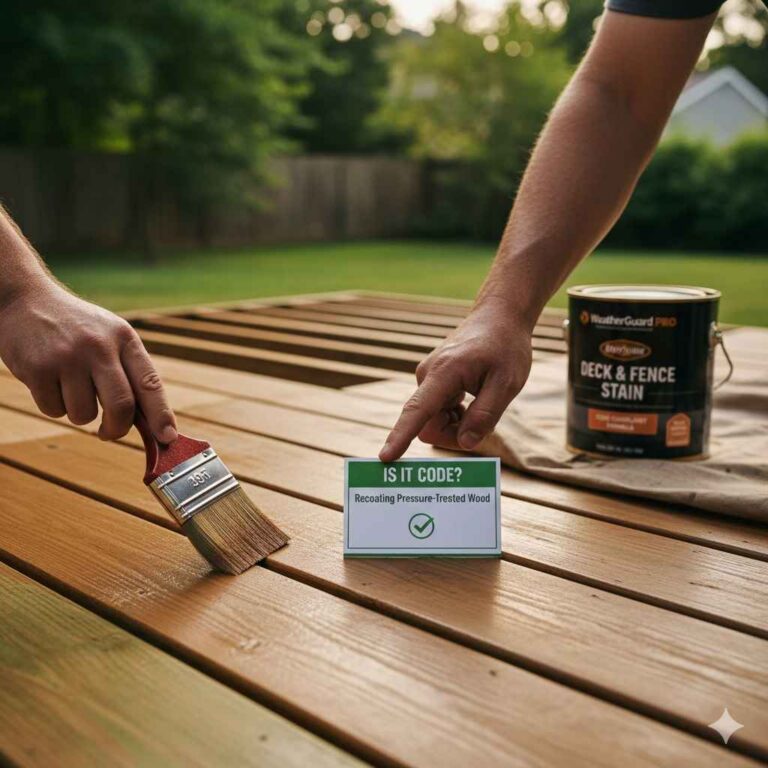
For elements in direct ground contact, ensure that any gravel beds around posts remain clear and that drainage pathways are unobstructed. If you see any surface cracking, you can seal these with appropriate wood fillers or sealants to prevent water from penetrating deeper. Reapplying a water-repellent finish periodically can also help, though this is more for above-ground elements to maintain appearance and some water resistance.
The most important maintenance for wood in ground contact is to ensure it remains as dry as possible. This means clearing away any debris that might trap moisture, like fallen leaves or mulch piled too high against the wood. If you have a fence with buried posts, and one starts to show signs of decay, it’s often better to replace it proactively rather than wait for it to fail, which could damage other parts of the fence.
The Future of Treated Wood Ground Contact
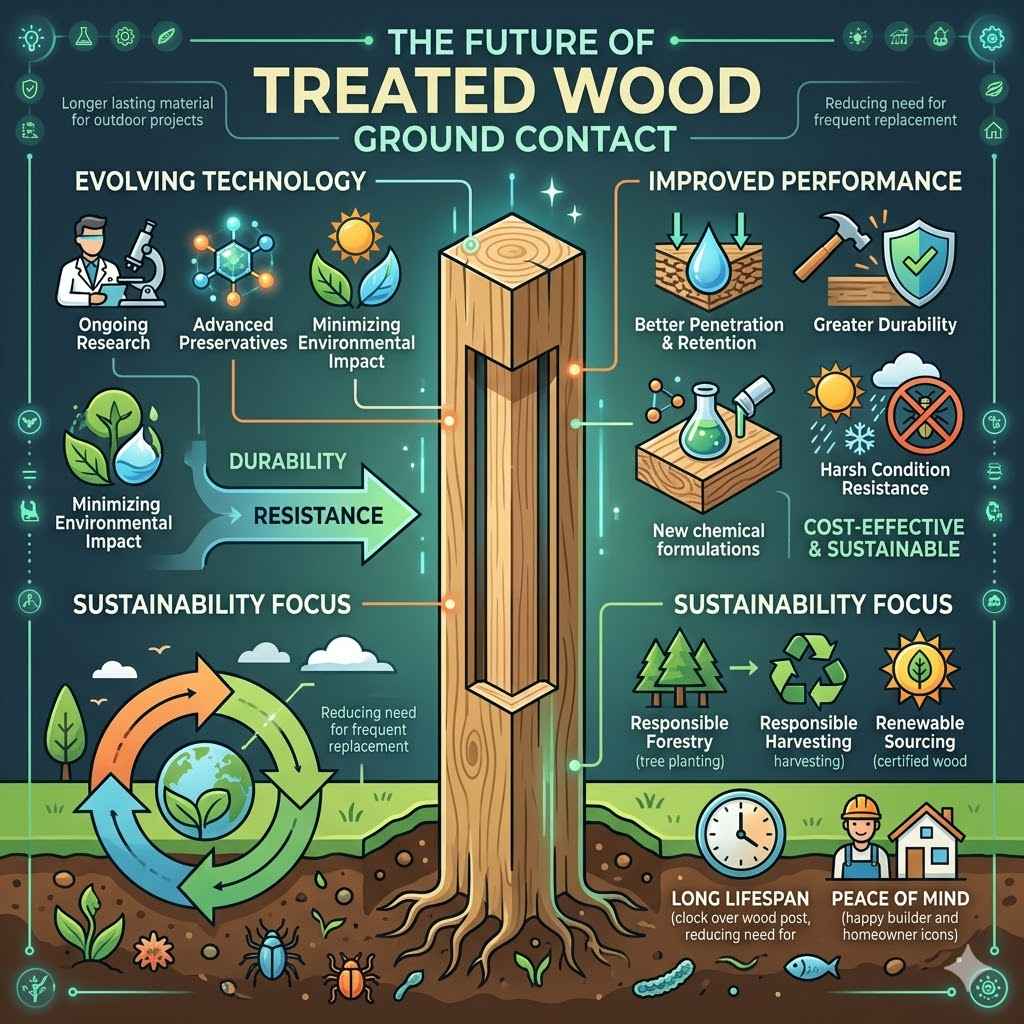
The world of wood treatment is always evolving, with ongoing research into more effective and environmentally friendly preservatives. As our understanding of wood decay and insect biology grows, so do the methods for protecting wood. The focus is on creating treatments that are not only highly effective but also minimize environmental impact.
This means we can expect treated wood to remain a reliable and long-lasting material for outdoor projects for years to come.
Companies are constantly working to improve the penetration and retention of preservatives. This leads to products that offer even greater durability and resistance to harsh conditions. The development of new chemical formulations and improved application techniques ensures that treated wood continues to be a cost-effective and sustainable choice for construction.
The aim is to provide homeowners and builders with materials that offer peace of mind regarding their longevity and performance.
Furthermore, there’s a growing emphasis on sustainable forestry and responsible wood sourcing. Treated wood, when sourced from responsibly managed forests, can be a renewable building material. The long lifespan of treated wood also contributes to sustainability by reducing the need for frequent
Frequently Asked Questions
Question: How long will standard treated pine fence posts last in the ground?
Answer: Standard ground-contact rated treated pine fence posts (like those treated to AWPA UC4A standards) can typically last between 15 to 25 years when properly installed in well-draining soil. However, this can vary based on local climate and maintenance.
Question: Do I need to treat cut ends of treated wood?
Answer: Yes, it is highly recommended to treat any cut ends of treated wood with a suitable end-cut preservative solution. This is because cutting exposes the untreated interior of the wood, which is vulnerable to decay and insects.
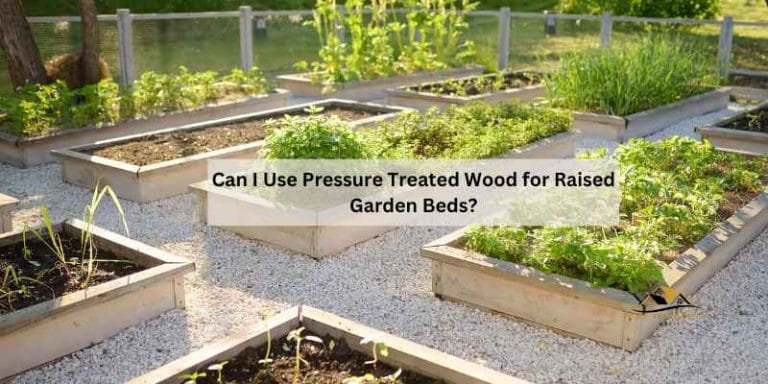
Question: Can I use treated wood for garden beds directly on the soil?
Answer: For garden beds where the wood will be in direct contact with soil, it is recommended to use wood treated for ground contact. While most treated wood is safe for this use, some older treatments had concerns. Modern treatments are generally considered safe for most uses, but check product labels for specific recommendations regarding food contact.
Question: What is the main difference between above ground and ground contact treated wood?
Answer: The main difference is the retention level of preservatives. Ground contact treated wood has a higher concentration of preservatives to withstand constant moisture, decay fungi, and insects present in soil, whereas above-ground wood has a lower retention rate.
Question: How can I extend the life of treated wood that is already in contact with the ground?
Answer: Ensure good drainage around the wood, clear away debris that traps moisture, and periodically inspect for early signs of rot or insect damage. If surface cracks appear, seal them to prevent water ingress. Maintaining dryness is key to longevity.
Summary
Treated wood rated for ground contact can last 15-25 years or more when installed correctly. Proper installation with good drainage and ventilation, along with periodic checks, maximizes its lifespan. Always choose the right treatment rating for your project’s needs to ensure durability.