How Much Does a Plumber Charge to Install a Toilet? A Complete Guide for Homeowners
Hey there! I’m thrilled to sit down with you today and talk about something that might seem a bit out of place for an automotive blog: how much does a plumber charge to install a toilet? I know, you’re probably thinking, “Toilets and cars? What’s the connection?” Well, as someone who’s tackled home projects and car repairs alike, I’ve learned that both require understanding costs, planning, and a bit of know-how to avoid getting ripped off.
I’ve dug into this topic, called plumbers, and even helped a friend with a toilet install, so I’m excited to share what I’ve found. Whether you’re sprucing up your bathroom or just curious, let’s break down the costs, factors, and even some automotive-inspired tips to make this process smooth. Ready? Let’s dive in!
Why Toilet Installation Costs Matter
Let’s start with why this question is important. A new toilet can make your bathroom more comfortable, efficient, and even eco-friendly. But hiring a plumber isn’t cheap, and I’ve learned you need to know what you’re paying for. Just like when I budget for new tires or a car tune-up, understanding plumbing costs helps me plan better. A toilet install isn’t just about the plumber’s fee—there’s the toilet itself, supplies, and maybe extra fixes. I’ve called around to plumbers in my area, and I’ve seen prices vary a lot. Knowing the range helps you avoid overpaying, whether you’re in a small town or a big city.
What’s the Average Cost to Install a Toilet?
So, how much does a plumber charge? From my research and chats with local plumbers, the average cost to install a toilet in the USA is about $350 to $800. This includes labor and the toilet itself. For a basic setup, you might pay as low as $200. Fancy toilets or tricky installs can push costs to $1,500 or more. I’ve seen quotes for simple jobs around $250 in my town, but in places like New York City, it’s closer to $1,200. It’s like buying car parts—basic models are affordable, but premium ones cost more. Labor is the big chunk, usually $100 to $500, depending on the job.
Factors That Affect Toilet Installation Costs
I’ve learned that several things make the price go up or down. First, the type of toilet matters. A standard one costs $100 to $300, but high-end models with bidets or smart features can hit $3,000. I looked at a basic model at a home store for $150, but a friend splurged on a $1,000 smart toilet—yep, it had a heated seat!
Location is another big factor. I live in a mid-sized town, and plumbers here charge $50 to $100 per hour. In big cities, it’s more like $100 to $200 per hour. The complexity of the job matters too. If your bathroom has old pipes or needs new fittings, the plumber might need extra time or parts. I helped a buddy replace a toilet, and we found rusted bolts—it took an extra hour! Other factors include permits (some cities require them) and whether you’re replacing an old toilet or installing in a new spot. It’s like car repairs—simple oil changes are cheap, but engine work costs a fortune.
Breaking Down the Costs: Labor, Materials, and More
Let’s get specific. I’ve broken down the costs based on my calls to plumbers and store visits. Labor is usually the biggest expense. Most plumbers charge $100 to $300 for a straightforward install, which takes about 1 to 2 hours. If they need to remove an old toilet, add $50 to $100. Materials include the toilet ($100 to $3,000), a wax ring ($5 to $15), bolts, and sometimes a new water supply line ($10 to $20). I’ve seen plumbers include these in their quote, but some charge extra.
Permits can cost $50 to $150, depending on your city. If plumbing needs fixing—like a leaky flange or old pipes—add $100 to $500. I once got a quote for $600 because the plumber had to replace a damaged flange. It’s like when I took my car in for a tire change and ended up needing an alignment too. Here’s a table to make it clear:
| Cost Component | Price Range | Notes |
|---|---|---|
| Toilet | $100 – $3,000 | Basic models are cheaper; smart toilets cost more. |
| Labor | $100 – $500 | Depends on hourly rate and job complexity. |
| Materials (wax ring, etc.) | $10 – $50 | Usually included, but check the quote. |
| Old Toilet Removal | $50 – $100 | Extra if disposal is needed. |
| Permits | $50 – $150 | Required in some cities. |
| Plumbing Repairs | $100 – $500 | For issues like old pipes or flanges. |
This table helped me budget for a toilet install last year, and I hope it helps you too!
How to Choose the Right Toilet
Picking a toilet is fun but overwhelming. I spent hours at a home store comparing models. Basic toilets are affordable and reliable—think $100 to $300. They’re like a trusty sedan: they get the job done. Mid-range toilets ($300 to $700) might have dual-flush valves or better water efficiency. High-end ones ($700 to $3,000) have features like bidets, self-cleaning, or heated seats. I was tempted by a smart toilet, but my wallet said no!
Consider water usage too. Most new toilets use 1.28 to 1.6 gallons per flush, saving water compared to old 3.5-gallon models. I checked the WaterSense label for eco-friendly options—it’s like choosing a fuel-efficient car. Size and height matter too. Standard height works for most, but taller “comfort height” toilets are great for older folks. Make sure it fits your bathroom space, just like checking if a new part fits your car.
DIY vs. Hiring a Plumber
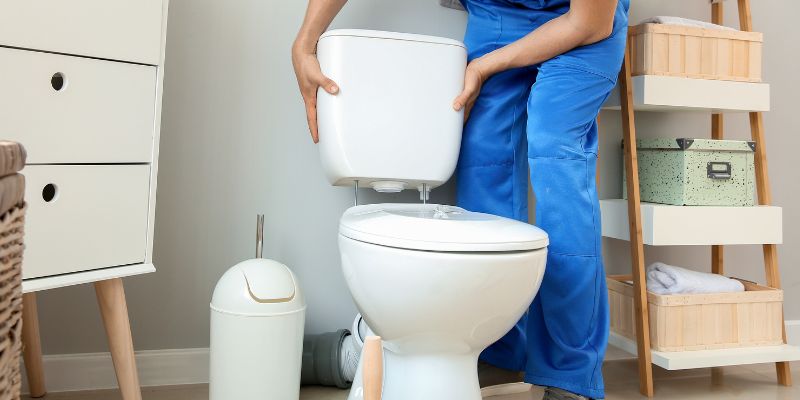
I’m a hands-on guy, so I tried installing a toilet myself once. It’s doable if you’re handy, but it’s not as easy as it looks. You need tools like a wrench, screwdriver, and level, plus a wax ring and bolts. I spent about $30 on supplies and three hours sweating over it. The trickiest part? Getting the wax ring to seal right. A bad seal means leaks, and nobody wants that.
Hiring a plumber is safer unless you’re confident. I’ve learned plumbers have the skills to spot issues like corroded pipes or a cracked flange. My DIY job worked, but I called a plumber for a second toilet because I didn’t want to risk water damage. It’s like car repairs—sometimes I change my oil, but I leave engine work to pros. If you go DIY, watch tutorials and double-check your work. If you hire, get multiple quotes to save money.
How to Find a Good Plumber
Finding a plumber is like finding a good mechanic—you want someone trustworthy. I ask friends for recommendations or check online reviews. Look for licensed plumbers; most states require it. I called three plumbers last time and asked for quotes upfront. Two gave me flat rates ($250 and $300), but one charged hourly, which felt risky.
Ask if they include materials and cleanup. Some plumbers haul away the old toilet; others don’t. I also check if they’re insured—mistakes can cause water damage, and I don’t want to foot that bill. It’s like picking a shop for car repairs: you want experience, fair prices, and no surprises.
Saving Money on Toilet Installation
I love saving a buck, and I’ve picked up some tricks. First, buy the toilet yourself. Stores like Home Depot or Lowe’s have sales, and I snagged a $200 toilet for $150 once. Compare plumber quotes—$50 here or there adds up. If you’re replacing multiple toilets, ask for a discount. I got 10% off when I had two installed.
Avoid peak times like weekends when plumbers charge more. If your old toilet is still functional, you might skip removal fees by donating it. Check if your city offers rebates for water-saving toilets—it’s like getting a tax break for a hybrid car. Small steps can shave hundreds off the bill.
The Automotive Connection: Precision and Maintenance
You’re probably wondering how toilets tie to cars. I’ve noticed both need precision and care. Installing a toilet is like aligning a car’s wheels—do it wrong, and you’re in trouble. A bad wax ring seal is like a leaky gasket; it’ll cause problems down the road. Plumbers and mechanics both deal with systems—plumbing lines or fuel lines—that need to work perfectly.
I’ve also used automotive logic for home projects. When I helped install a toilet, I treated it like a car repair: check the parts, follow the steps, and test it. Plus, a reliable toilet is great for road trip prep. Ever packed a cooler for a drive? A new, efficient toilet means one less worry at home while you’re on the highway.
Common Problems During Toilet Installation
I’ve seen installs go wrong, and it’s not fun. One time, a plumber found a cracked flange, which added $200 to the bill. Old pipes can leak or break, especially in older homes. Misaligned bolts or a bad wax ring can cause wobbles or leaks. I’ve learned to ask plumbers to check the flange and shut-off valve first.
If you’re DIY-ing, watch for uneven floors—my bathroom floor was slightly off, and it made leveling tricky. It’s like installing a car part: everything needs to fit just right. If you’re not sure, call a pro to avoid headaches.
Eco-Friendly Toilets and Long-Term Savings
I’m all about efficiency, whether it’s my car’s MPG or my home’s water bill. Modern toilets use less water, which saves money and helps the planet. I switched to a 1.28-gallon-per-flush model and noticed my water bill dropped. Some cities offer rebates for WaterSense toilets—mine gave me $100 back!
Eco-friendly toilets are like hybrid cars: the upfront cost might be higher, but you save over time. Plus, they’re better for the environment. I love knowing my bathroom upgrade is doing some good, just like when I drive a fuel-efficient car.
Conclusion
Wow, we’ve covered a lot, haven’t we? I’ve loved diving into the question “how much does a plumber charge to install a toilet?” with you. From my calls, store visits, and even a sweaty DIY attempt, I’ve learned the average cost is $350 to $800, but it depends on the toilet, labor, and any extra fixes. We’ve talked about picking the right toilet, saving money, and even how plumbing connects to my love for cars. Precision, care, and planning make all the difference, whether you’re in the bathroom or the garage.
I hope this helps you tackle your toilet install with confidence. Whether you hire a plumber or go DIY, you’ve got the tools to make smart choices. Thanks for hanging out with me—let’s keep exploring the practical, everyday stuff that makes life run smoothly, from home to highway!
FAQs
How much does a plumber charge to install a toilet?
I’ve found plumbers charge $350 to $800 on average, including the toilet and labor. Simple jobs can be as low as $200, but fancy toilets or complex installs might hit $1,500.
Can I install a toilet myself to save money?
Yes, I tried it! It’s doable with basic tools and $30 in supplies, but it’s tricky. A bad seal can cause leaks, so if you’re not handy, a plumber’s worth it.
What kind of toilet should I buy?
I’d go for a WaterSense model—$100 to $300 for basics, or $700+ for fancy ones with bidets. Check size and height for comfort, like picking a car that fits you.
Why do plumbers charge so much for toilet installs?
Labor’s the big cost—$100 to $500, depending on time and location. Extra repairs, like fixing pipes, add up. It’s like car repairs; complexity drives the price.
How can I save money on a toilet install?
I saved by buying the toilet on sale and getting multiple quotes. Ask for discounts on multiple installs or check for water-saving rebates. It’s like shopping for car parts!
Do I need a permit to install a toilet?
Some cities require permits, costing $50 to $150. I called my local office to check. It’s like checking local laws before modifying your car.
What problems might happen during a toilet installation?
I’ve seen cracked flanges or old pipes cause issues, adding $100 to $500. A bad wax ring can leak, too. It’s like a car part not fitting right—check everything first!