How Tall are Street Lights? Discover the Heights!
Ever found yourself looking up at a street light and wondering just how tall it is? You’re not alone.
Street lights are everywhere, illuminating our paths and making nighttime safer, yet most of us walk by without giving them a second thought. But here’s the thing: understanding the height of street lights isn’t just about satisfying your curiosity. It can change the way you think about urban design, safety, and even your own neighborhood.
Imagine knowing exactly why certain streets feel safer or why some areas seem brighter than others. This isn’t just trivia—it’s information that can empower you and enhance your daily life. Stick around to uncover the surprising details behind the height of street lights and see how this knowledge can add a new dimension to your world.
Street Light Purpose
Street lights help us see at night. They make roads and streets safer. Drivers can see obstacles easily. Pedestrians feel safe walking in the dark. A well-lit street can prevent accidents. It also reduces crime. People feel secure with lights around.
Street lights also guide us. They show the way. We can find our path in darkness. Cities look beautiful with street lights. They give a sense of order. Even late at night, streets feel alive.

Credit: www.mklights.com
Standard Heights
Street lights in urban areas are often taller. They stand between 25 to 30 feet tall. Tall lights help light up busy roads. They keep drivers and walkers safe. These lights are bright and strong. They can shine over long distances. Cities need tall lights for wide roads. It helps everyone see better at night.
Residential zones have shorter street lights. They are usually 15 to 20 feet tall. Short lights fit narrow streets. They give enough light for homes and sidewalks. People need less bright lights here. Short lights save energy. They also cost less to maintain. Neighbors like them for less glare.
Factors Influencing Height
Traffic volume affects street light height. Busy roads need taller lights. This helps drivers see better. Long lights spread light far. It keeps roads safe. Less traffic areas have shorter lights. They don’t need to be as tall.
Pedestrian activity matters too. Places with many people walking need bright lights. Tall lights help them see at night. Parks and busy streets use taller lights. It keeps people safe. Quiet areas might use shorter lights.
Architectural considerations play a role. Some areas have unique building styles. Street lights match this style. Tall, elegant lights fit old city designs. Short, modern lights suit new areas. It’s about blending with the surroundings.
Variation By Region
Street lights in Europe vary in height. In cities, lights often stand 8 to 10 meters tall. Rural areas may have shorter lights, around 6 meters. This helps in reducing light pollution. Some European countries prefer decorative lamps. These are shorter and add beauty to streets. The height also depends on the street’s purpose. Highways usually require taller lights. Safety is a key reason for this.
North American street lights are usually tall. They range from 9 to 14 meters. Tall lights help in wide road coverage. Highways need even taller lights. This ensures proper visibility for drivers. Cities often use standardized designs. Uniformity is important for aesthetic reasons. Safety is a priority in design choices. Some areas use smart lighting systems. These can adjust brightness based on traffic.
Asian countries are known for innovative street lights. Some are equipped with solar panels. Others have smart sensors. Heights vary greatly in Asia. Urban areas might have taller lights. This is to manage heavy traffic. Rural areas might have shorter poles. This saves energy and reduces costs. Some cities use colorful lights. They add a vibrant feel to the streets.
Technological Advances
Street lights vary in height, typically ranging from 25 to 50 feet tall. Taller lights illuminate larger areas, enhancing visibility and safety. Advances in technology allow the integration of smart features, adapting brightness based on the environment.
Smart Street Lights
Smart street lights are new. They use less energy. They can change brightness. This helps save power. Smart lights can also sense movement. They light up when people pass by. This makes streets safer. They can also report damage. This helps fix them fast. Smart lights help in many ways. They are better than old lights. Cities like them very much. They want to use more of them.
Adjustable Heights
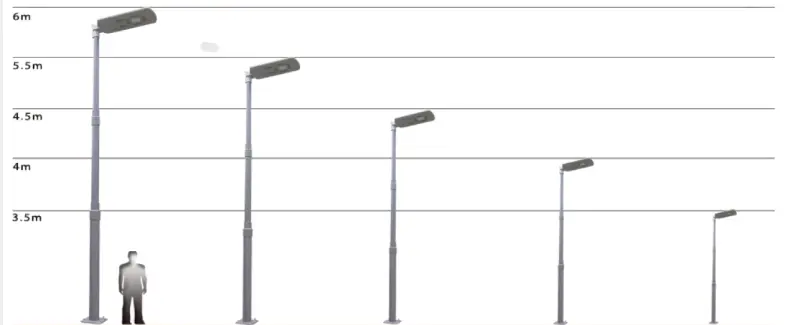
Some street lights have adjustable heights. This is very useful. In busy areas, lights can be taller. They light up more space. In smaller areas, they can be lower. This saves energy. Adjustable lights are smart. They fit different needs. Engineers love this feature. It helps in many places. It makes streets look nice. It also helps in bad weather. Lights can be adjusted quickly.
Credit: www.casyoo.com
Environmental Impact
Street lights can cause light pollution. This affects animals and plants. Many animals use stars to find their way. Too much light confuses them. Plants need darkness to grow well. Bright lights disrupt their growth.
Street lights can also affect humans. Bright lights make it hard to see stars. People miss out on beautiful night skies. It can also affect sleep. Too much light can keep people awake. Sleep is important for good health.
Light Pollution
Light pollution is a big problem. It hides stars. Animals get confused. Plants struggle to grow. People miss seeing the night sky. Too much light affects sleep. Sleep is very important.
Energy Efficiency
Energy efficiency is important. Old street lights use too much energy. New lights save energy. LED lights are better. They use less power. They last longer. Saving energy is good for the planet.
Using less energy helps the environment. It reduces pollution. Saving energy also saves money. Cities can use the money for other things. Energy-efficient lights are smart choices.
Future Trends
Street lights stand tall, ranging from 9 to 14 meters. These heights help illuminate roads effectively. Taller lights are often used on highways, while shorter ones are common in residential areas.
Sustainable Designs
Street lights are getting smarter. Solar-powered lights are popular now. They save energy and money. LED bulbs use less power. They last longer too. Cities want green options for lighting. Smart lights help reduce pollution. They adjust brightness based on need. This saves even more energy. Wind-powered lights are also tested. Technology helps in creating sustainable designs.
Integrated Urban Planning
Street lights are part of urban plans now. They improve safety. Traffic flow becomes smoother with smart lights. They help in guiding vehicles. Street lights connect with other systems. Smart cities use them for data collection. This helps in better planning. They are part of emergency systems too. They can alert during disasters. Integrated planning makes cities safer and efficient.

Credit: www.amazon.com
Frequently Asked Questions
What Is The Average Height Of A Street Light?
Street lights typically range from 9 to 14 meters in height. Residential areas often have shorter poles, around 9 meters. Taller poles, up to 14 meters, are common along highways and major roads. The height ensures effective illumination and traffic safety.
How Tall Are Street Traffic Lights?
Street traffic lights usually stand between 8 to 10 feet tall. This height ensures visibility for drivers and pedestrians. Traffic lights are strategically placed for optimal safety and efficiency. Local regulations might influence their exact height.
How Tall Is A Light Standard?
A light standard, commonly known as a street light pole, typically ranges from 20 to 40 feet tall. Height varies based on location and purpose, ensuring optimal illumination for roads or public spaces.
How Many Feet Is A Street Light?
Street lights typically range from 25 to 40 feet tall. Height varies based on location and lighting needs. Urban areas may use taller lights, while residential areas often have shorter ones. For specific requirements, check local regulations and standards.
Conclusion
Street lights vary in height to suit different needs. Typically, they range from 10 to 50 feet tall. Shorter lights are common in residential areas. Taller ones help illuminate highways and busy streets. Understanding this helps in planning urban spaces.
Proper lighting boosts safety and visibility. It also enhances the aesthetic of a neighborhood. Next time you walk under street lights, notice their height. It’s fascinating how they blend function with design. Bright streets create safer communities. They guide us through the night, ensuring clear paths.
Street lights are essential fixtures in our daily lives.