How to Check Ketones in Urine at Home
Hey there! If you’ve ever wondered how to check ketones in urine at home, you’re in the right place. I’ve been down this road myself, trying to understand my body better, especially when I started exploring low-carb diets and fasting. It’s a topic that sounds technical, but trust me, it’s simpler than you think. I’m excited to share everything I’ve learned from my own experience—mistakes, wins, and all! Whether you’re managing diabetes, following a keto diet, or just curious about your health, checking ketones at home can give you valuable insights. Let’s dive into this step-by-step guide, written from my heart to yours, to make the process clear and approachable.
What Are Ketones and Why Should You Care?
Let’s start with the basics. Ketones are chemicals your body makes when it breaks down fat for energy. This happens when your body doesn’t have enough carbs or sugar to use as fuel. For example, if you’re on a keto diet, fasting, or have diabetes, your body might switch to burning fat, producing ketones. I remember when I first heard about ketones—it sounded like something from a science lab! But it’s just your body doing its thing.
Why check ketones? For me, it was about understanding how my keto diet was working. High ketone levels can show you’re in ketosis, which is the goal for keto dieters. But for people with diabetes, especially type 1, checking ketones is critical to avoid a dangerous condition called diabetic ketoacidosis (DKA). Even if you’re just curious about your metabolism, knowing your ketone levels can help you make informed health choices. It’s like having a little window into what’s happening inside your body.
How Do Ketones Show Up in Urine?
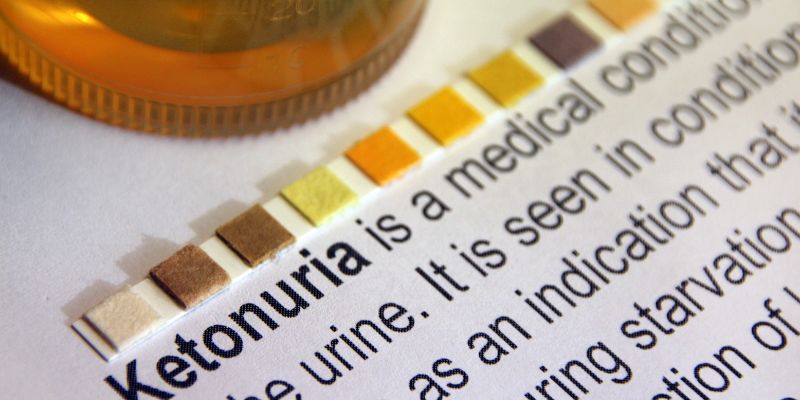
When your body produces ketones, they don’t just stay in your blood—they can spill over into your urine. That’s why urine tests are a popular way to check ketone levels at home. I found this method super convenient because it’s non-invasive and doesn’t require fancy equipment. Your liver makes three main ketones: acetoacetate, beta-hydroxybutyrate, and acetone. Urine tests mostly detect acetoacetate, which is perfect for home testing.
The first time I tested my urine, I was amazed at how my body was responding to my new diet. Seeing those results gave me a sense of control and curiosity about my health. Urine tests are affordable, easy to use, and give you a quick snapshot of your ketone levels. However, they’re not as precise as blood tests, but for most people (like me when I started), they’re a great way to get started.
What You’ll Need to Check Ketones at Home
Before you begin, you’ll need a few things. I learned this the hard way when I excitedly bought ketone strips but forgot to read the instructions properly! Here’s what you’ll need:
| Item | Purpose |
|---|---|
| Ketone urine test strips | These are small strips that change color based on ketone levels in your urine. |
| Clean container (optional) | To collect urine if you prefer not to dip the strip directly. |
| Timer or watch | To time the test accurately (usually 15-60 seconds). |
| Test strip instructions | To understand the color chart and timing. |
| Good lighting | To read the color change on the strip accurately. |
You can find ketone test strips at most pharmacies or online. I got mine from a local drugstore, and they were pretty affordable—about $10 for a pack of 50. Make sure the strips aren’t expired, as that can mess up your results. Trust me, I learned that one after a confusing test!
Step-by-Step Guide to Testing Ketones in Urine
Now, let’s get to the fun part—actually testing your ketones! I’ll walk you through the process I use, which is straightforward once you get the hang of it.
Step 1: Prepare Your Supplies
Gather your ketone strips, a clean container (if you’re using one), and a timer. I like to keep everything on my bathroom counter so it’s easy to grab. Check the expiration date on your strips. Expired strips can give false results, and I don’t want you to waste your time like I did once.
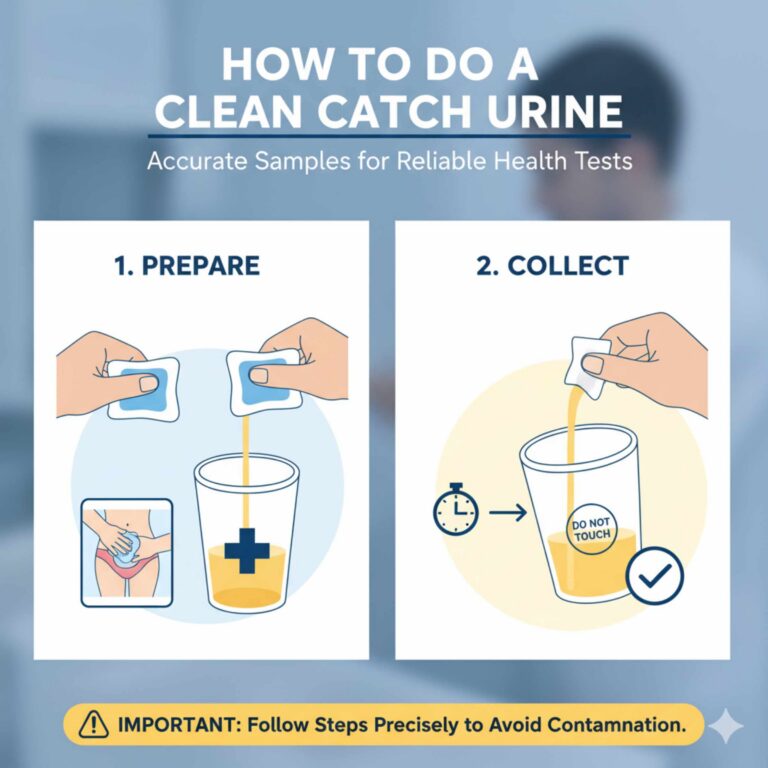
Step 2: Collect Your Urine Sample
You have two options here. You can either urinate directly onto the test strip or collect a small amount of urine in a clean container and dip the strip in. I prefer the container method because it feels less messy, but do what works for you. Morning urine is often the most concentrated, so it’s a good time to test if you want consistent results.
Step 3: Dip the Strip
Take one test strip and dip the reactive end (the part that changes color) into the urine for about 1-2 seconds. Don’t soak it too long, or it might affect the results. If you’re peeing directly on the strip, pass it through the stream briefly.
Step 4: Wait for the Reaction
Shake off any excess urine and lay the strip flat. Set your timer for the time specified on the test strip package—usually 15 to 60 seconds. I usually set a 30-second timer on my phone and wait. This is the part where I get a little excited, wondering what the strip will show!
Step 5: Compare the Color
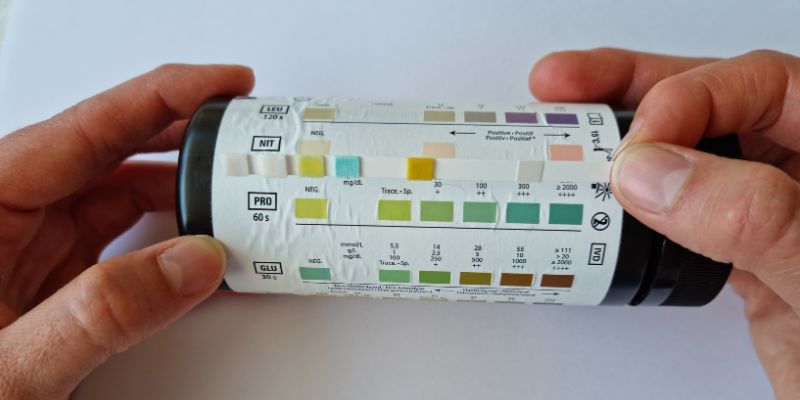
After the time is up, compare the strip’s color to the chart on the test strip package. The chart shows different shades, from light pink (low ketones) to dark purple (high ketones). I keep my chart in good lighting to make sure I’m reading it right. Write down your results if you’re tracking them, which I found really helpful when I was tweaking my diet.
Step 6: Clean Up
Throw away the used strip and wash your hands. If you used a container, clean it thoroughly. That’s it! You’ve just checked your ketones at home.
Understanding Your Results
Interpreting the results can feel like decoding a secret message at first, but it’s not that complicated. Here’s what I learned about what the colors mean:
- Negative (No color change): No detectable ketones. This might mean you’re not in ketosis, or your body isn’t producing enough ketones to show up in your urine.
- Trace or Small (Light pink): Low ketone levels. You might be starting ketosis or burning some fat.
- Moderate (Darker pink): You’re likely in ketosis, which is great for keto dieters like me when I was aiming for that sweet spot.
- Large (Dark purple): High ketone levels. This can be normal for deep ketosis or fasting, but if you have diabetes, it’s a red flag to check with your doctor.
When I first started testing, I was thrilled to see a light pink color after a week on keto. It felt like a small victory! But if you’re seeing dark purple and have diabetes, don’t wait—call your doctor to rule out DKA. I always keep my results in a notebook to spot patterns over time.
Tips for Accurate Testing
I’ve made plenty of mistakes while testing, so let me share some tips to make your experience smoother:
- Test at the same time each day. I test in the morning because my urine is more concentrated, and it gives consistent results.
- Stay hydrated, but not too much. Drinking tons of water before testing can dilute your urine and make ketone levels appear lower.
- Store strips properly. Keep them in a cool, dry place, and close the container tightly. I once left mine in a humid bathroom, and they didn’t work as well.
- Read the instructions. Every brand is slightly different, so check the timing and color chart for your specific strips.
- Don’t stress about small changes. Ketone levels can vary day to day based on diet, exercise, or even stress. I learned to focus on trends, not single tests.
When to Test Ketones
Timing matters when you’re checking ketones. I test based on my goals and health needs. If you’re on a keto diet, testing every few days or once a week can show how your body is responding. I used to test daily when I started keto, but now I check weekly to monitor my progress.
If you have diabetes, you might need to test more often, especially if you’re feeling unwell, have high blood sugar, or notice symptoms like nausea, fatigue, or fruity-smelling breath. I don’t have diabetes, but I’ve talked to friends who do, and they test during illness or when their blood sugar is over 250 mg/dL. Always follow your doctor’s advice on when to test.
Who Should Check Ketones?
Not everyone needs to check ketones, but it’s helpful for certain groups. Here’s who might benefit:
- Keto dieters: Like me, you might want to confirm you’re in ketosis and adjust your diet accordingly.
- People with diabetes: Especially type 1, to monitor for DKA risk.
- Fasters: If you’re doing intermittent or extended fasting, testing can show how your body is using fat for fuel.
- Health enthusiasts: If you’re curious about your metabolism, testing ketones can be a fun experiment.
I started testing because I was curious about keto, but it’s become a tool to understand my body better. It’s empowering to have that knowledge!
Comparing Urine Tests to Other Methods
Urine tests aren’t the only way to check ketones. I’ve explored other options, like blood and breath tests, to see how they compare. Here’s a quick rundown:
| Method | Pros | Cons |
|---|---|---|
| Urine Strips | Affordable, easy to use, widely available. | Less accurate over time as body adapts to ketosis; not ideal for diabetes. |
| Blood Ketone Meter | Very accurate, measures beta-hydroxybutyrate (main ketone in blood). | Expensive, requires finger pricks, test strips are costly. |
| Breath Analyzer | Non-invasive, reusable, no recurring costs. | Less precise, can be affected by external factors like alcohol. |
I stuck with urine strips because they’re budget-friendly and easy for my needs. But if you need precision (like for diabetes management), a blood meter might be worth the investment. Breath analyzers are cool, but I found them less reliable when I tried one.
Common Mistakes to Avoid
I’ve messed up plenty of times, so let me save you some trouble. Here are mistakes I made and how to avoid them:
- Using expired strips: Always check the expiration date. I wasted a few tests before I realized my strips were old.
- Not timing correctly: Waiting too long or too short can skew the color. Follow the instructions exactly.
- Testing after heavy meals: Eating a big carb-heavy meal can lower ketone levels temporarily. I test before meals for consistency.
- Ignoring symptoms: If you feel sick and have high ketones, don’t assume it’s fine. I learned to listen to my body and check with a doctor if something feels off.
When to Talk to a Doctor
Checking ketones at home is great, but it’s not a substitute for medical advice. I always remind myself to stay cautious, especially since I’m not a doctor. Call your healthcare provider if:
- You have diabetes and see moderate or large ketone levels.
- You’re experiencing symptoms like nausea, vomiting, or fruity breath.
- You’re unsure about your results or how to act on them.
When I was new to keto, I had a moment of panic when I saw dark purple on my strip. A quick chat with my doctor reassured me it was normal for my diet, but it was a good reminder to stay connected with a professional.
My Personal Journey with Ketone Testing
When I started checking ketones, it was like opening a new chapter in my health journey. I was nervous at first, thinking I’d mess it up or not understand the results. But after a few tests, I got the hang of it. Seeing those pink and purple colors felt like a little reward for sticking to my diet. It also helped me tweak my meals—like cutting back on sneaky carbs that were kicking me out of ketosis.
Testing ketones gave me confidence to experiment with my diet and lifestyle. It’s not just about the numbers; it’s about feeling in tune with your body. Whether you’re chasing ketosis or monitoring for health reasons, this simple test can be a game-changer.
Conclusion
Checking ketones in urine at home is easier than it sounds, and it’s been a valuable tool in my health toolbox. From picking up a pack of test strips to decoding those color changes, I’ve learned so much about my body along the way. It’s empowering to take charge of your health, whether you’re on a keto journey, managing diabetes, or just curious. With a little practice, you’ll be a pro at testing ketones in no time. So grab those strips, follow the steps, and start exploring what your body is telling you. You’ve got this!
FAQs
Why do my ketone levels vary so much day to day?
Your ketone levels can change based on what you eat, how much you exercise, or even stress. When I noticed fluctuations, I realized my carb intake wasn’t consistent. Try testing at the same time each day and keep a food journal to spot patterns.
Can I reuse ketone test strips?
No, you can’t reuse them. Each strip is designed for one use. I made this mistake early on, thinking I could save money, but it just gave me unreliable results.
How often should I test my ketones?
It depends on your goals. For keto, once or twice a week is usually enough. If you have diabetes, your doctor might recommend daily testing, especially if you’re unwell. I test weekly now to keep things simple.
Are urine ketone tests accurate?
They’re accurate for detecting ketosis, especially when you’re new to it. But over time, as your body gets used to ketosis, urine tests might show lower levels. I found them reliable for my keto journey but switched to a blood meter for more precision later.
What should I do if I have high ketones?
If you’re on keto or fasting, high ketones might be normal. But if you have diabetes or feel sick, contact your doctor right away. I always double-check with my doctor if something feels off, just to be safe.