How to Choose Door Weather Stripping That Fits and Seals
The right door weatherstripping depends on your gap size and how much movement and weather it needs to survive, not just what is cheapest at the hardware store. This guide breaks down the main types, how to match one to your actual gap, and how material choice affects how long it lasts in your climate.
The main types and what they are actually good at
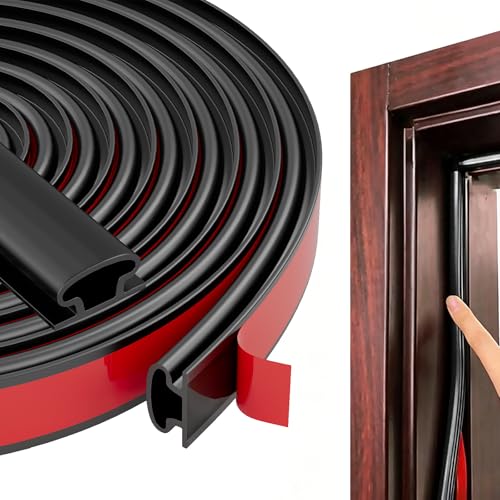
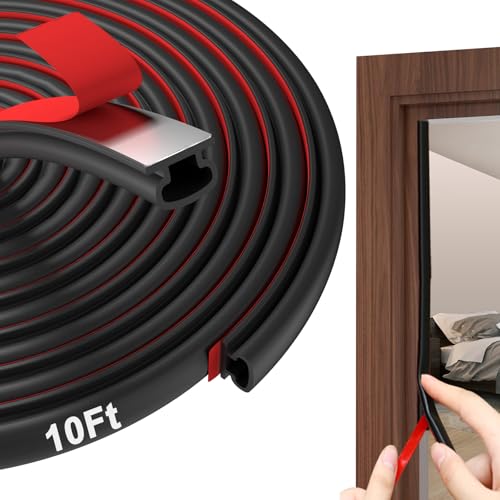
V-strip, also called tension seal, is a folded strip of vinyl or thin metal that springs open slightly to seal small, consistent gaps along the door jamb; it is durable and mostly invisible once installed. Tubular rubber or silicone gasket seals are a hollow bulb shape that compresses when the door closes, which lets them absorb more variation in gap size than a flat strip, and this is what you will find factory-installed on most steel and fiberglass entry doors, usually seated in a routed kerf slot. Adhesive foam tape is the cheapest option but compresses permanently within a season or two and works best as a short-term fix rather than a lasting seal. Magnetic strip weatherstripping, similar to a refrigerator gasket, only works against a steel jamb or steel door frame, since it needs something magnetic to pull against.
Matching material to your gap size
For gaps under about 1/8 inch, both V-strip and foam tape can seal adequately, though V-strip lasts considerably longer. For gaps between 1/8 and 1/4 inch, a tubular rubber gasket compresses enough to fill the space without leaving slack. Once a gap exceeds roughly 1/4 inch or varies noticeably along its length, no strip-style weatherstripping compresses evenly enough, and the better fix is an adjustable door bottom, a new interlocking threshold, or addressing why the door is not closing evenly in the first place, such as a door that hits the frame or has settled unevenly in its opening.
Material choice by climate
Vinyl is inexpensive but becomes brittle and cracks in prolonged cold, and softens and can distort in intense summer heat on south-facing doors. Silicone tolerates a much wider temperature range without hardening or losing its seal, making it a better choice for doors with strong sun exposure or in climates with harsh winters. EPDM rubber, the same material used in roofing membranes, holds up well to UV exposure and repeated compression over years, which is why it shows up on higher-end factory door systems.
Installing and testing the seal
Clean the jamb surface thoroughly before applying any adhesive-backed strip, since dust and old adhesive residue are the main reason new weatherstripping fails early. Apply one continuous piece per side of the frame where possible instead of piecing together short sections, which leaves gaps at the seams. To test the seal, close the door on a piece of paper or a dollar bill positioned at several points along the frame; you should feel slight resistance pulling it out everywhere, and a spot where it slides out freely marks a gap that still needs attention.
Frequently Asked Questions
How do I know what type of weatherstripping is currently on my door?
Run your finger along it with the door open. A hollow, compressible bulb shape is a tubular gasket, a thin folded metal or vinyl strip is V-strip, and a solid foam strip that has flattened permanently is adhesive foam tape nearing the end of its useful life.
Can I mix weatherstripping types on the same door?
Yes, and it is common: a tubular gasket around the sides and top paired with a separate door sweep or adjustable door bottom, since the bottom of the door deals with a different kind of gap and traffic than the sides.
How long should new weatherstripping last?
Quality tubular rubber or silicone gaskets typically last 8 to 10 years with normal use, while basic foam tape often needs replacing within 1 to 2 years as it compresses and loses its ability to spring back.
Sponsored / affiliate links. As an Amazon Associate I earn from qualifying purchases. I may earn additional commission from eligible campaigns.