How to Clean Up Black Urine Stains From Wood Floors Effectively
Dealing with pet accidents, especially when they involve urine, is a common issue for many. Black stains on wood floors are a clear sign of this, and figuring out How to Remove Black Urine Stains From Wood Floors can feel overwhelming, especially for first-timers. The good news is, you don’t need to panic. This guide will walk you through a simple, step-by-step process to get your floors looking their best again. We’ll explore the science behind the stains, the best cleaning agents, and how to protect your wood floors going forward.
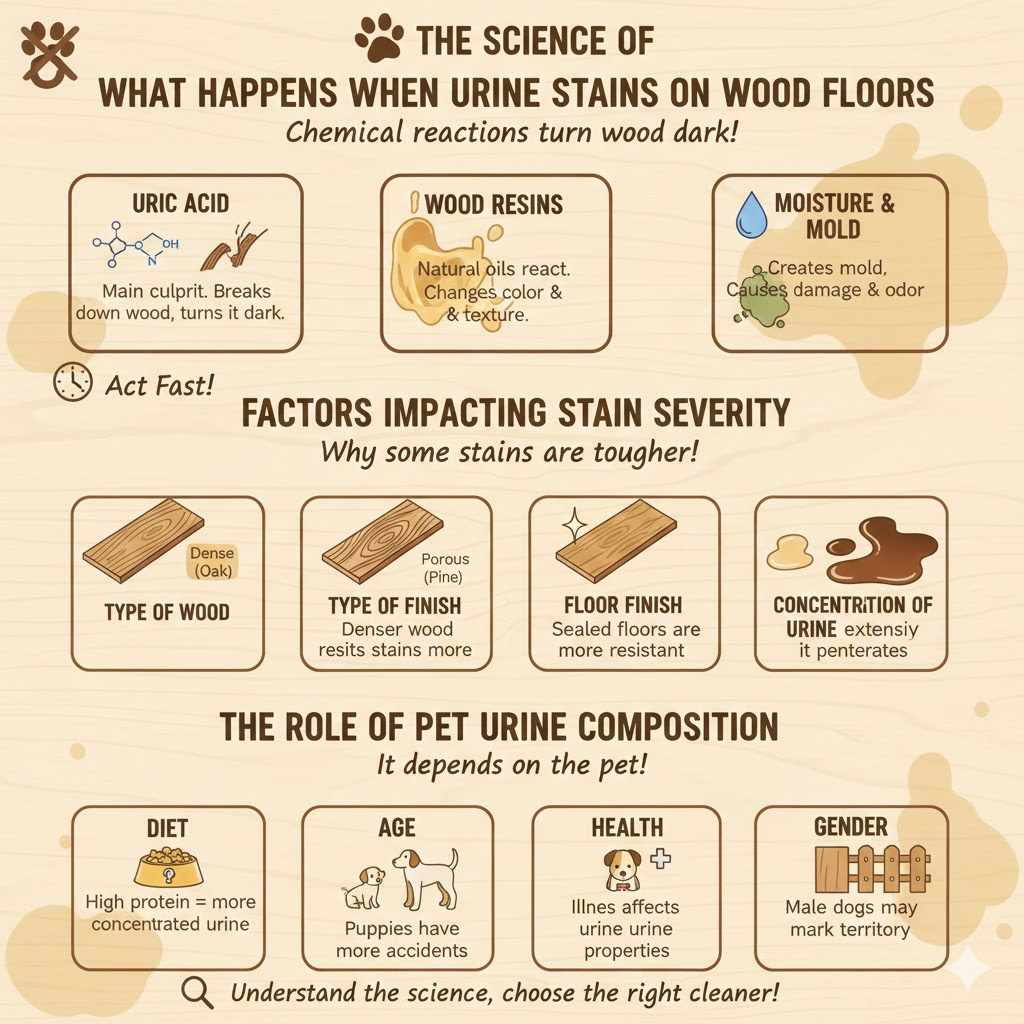
The Science of Black Urine Stains on Wood Floors
Before you start cleaning, it helps to know what you’re dealing with. Wood floors are porous, meaning they have tiny holes that can absorb liquids. When urine soaks into the wood, it leaves behind various compounds. These compounds react with the wood, causing discoloration. The black stain you see is often a result of these chemical changes. The longer the urine sits, the deeper it penetrates, and the more challenging the stain becomes to remove.
The type of wood and the finish applied will also affect how the wood reacts to the urine. Knowing this helps you choose the right cleaning method and be patient, as removing the stain can sometimes take more than one attempt.
What Happens When Urine Meets Wood
The dark discoloration on your wood floor is the consequence of a reaction that occurs when urine interacts with the wood. Urine contains uric acid, urea, and other organic compounds that are absorbed by the wood’s pores. Once inside, these substances react with the wood, which can cause the stain to darken.
The uric acid can also dissolve the wood’s natural resins, leading to further damage. Additionally, urine can attract bacteria and mold, which can accelerate the wood’s deterioration and contribute to the discoloration and unpleasant smells. Therefore, a quick response is vital, as early intervention can significantly lessen the lasting impact on the floor.
- Uric Acid: This is the main culprit behind the staining. Uric acid breaks down the wood’s fibers. Over time, it turns the wood dark.
- Wood Resins: The wood’s own natural oils and resins can react with the urine. This leads to changes in the wood’s color and texture.
- Moisture and Mold: Urine introduces moisture to the wood. This can create the perfect environment for mold growth, further damaging the wood and causing more discoloration.
Factors Impacting Stain Severity
Several factors can determine how severe a urine stain will be. These are important to consider when you’re deciding how to approach cleaning your floor. The type of wood, the age and finish of the floor, and how quickly you act all play a role. Older, unfinished wood is far more susceptible to deep staining than newer, sealed wood.
Likewise, how quickly you tackle the issue is important, as the longer the urine has to sit, the more deeply it absorbs into the wood. Taking these things into consideration will help you choose the best cleaning solution for the situation.
- Type of Wood: Some wood species are denser and less porous than others. Denser woods resist staining more. For example, hardwoods like oak and maple are more resistant than softer woods like pine.
- Floor Finish: Floors with a protective finish, such as polyurethane, are better at preventing urine from soaking into the wood. Unfinished or poorly sealed floors are more vulnerable.
- Time of Exposure: The longer the urine sits on the wood, the deeper it penetrates. Prompt action significantly improves the chances of successful stain removal.
- Concentration of Urine: The more urine present, the more extensive the staining is likely to be. Multiple accidents in the same spot will worsen the problem.
The Role of Pet Urine Composition
The composition of pet urine varies by animal. Dogs and cats have different diets, and this affects their urine. Factors like age, diet, and health also impact the urine’s contents. For instance, a pet with a urinary tract infection might have more concentrated urine. This concentration affects how quickly and deeply the urine penetrates the wood.
Understanding these variations helps you anticipate the difficulty of removing the stain. This knowledge guides your cleaning process. It helps you pick the right cleaners to address those unique challenges.
- Diet: A diet high in protein can lead to more concentrated urine. This can increase the likelihood of staining.
- Health: Pets with health issues, such as diabetes or kidney problems, might produce urine with different properties. This affects how the urine interacts with the wood.
- Age: Young puppies and kittens may not have full control of their bladders. This leads to more frequent accidents. Their urine composition can also vary.
- Gender: The gender of the pet plays a role too. Male dogs tend to mark their territory more, potentially leading to more frequent accidents and stains.
Effective Cleaning Solutions for Removing Urine Stains
The secret to eliminating urine stains is using the right cleaning solutions and techniques. Several options are available, from common household items to specific commercial cleaners. The choice depends on the severity of the stain and the type of floor you have. Some cleaners are mild and safe for everyday use.
Others are stronger and designed for stubborn stains. Always test any cleaner in a hidden area of your floor first. This confirms it doesn’t cause damage or further discoloration. Also, safety is key; always wear gloves and provide proper ventilation when using cleaning products.
DIY Cleaning Agents
Before you reach for expensive products, try some homemade solutions. You might have several effective options in your kitchen cabinet. Vinegar, baking soda, and hydrogen peroxide can tackle light to moderate stains. These ingredients are safe, effective, and less harsh on your floors than some commercial cleaners. Always start with the gentlest option first and assess the results.
This approach will protect your wood floors and help you avoid over-treating them with overly strong chemicals. When mixing cleaning agents, remember that proper mixing and application techniques are key. The goal is to lift the stain without damaging the wood.
- Vinegar and Water: Mix equal parts white vinegar and water in a spray bottle. Vinegar is a natural cleaner that helps neutralize odors and lift stains. Spray the mixture onto the stained area, let it sit for a few minutes, then wipe clean.
- Baking Soda Paste: Make a paste with baking soda and water. Baking soda is known for its absorbing properties and can draw out the stain. Apply the paste to the stain, let it dry completely, and then vacuum or sweep it away.
- Hydrogen Peroxide: Use a 3% hydrogen peroxide solution. Test it on a hidden area first. Apply it directly to the stain, let it sit for a few minutes, and blot it with a clean cloth.
Commercial Cleaning Products
If DIY methods don’t work, consider commercial cleaners. Many products are made specifically to remove pet urine from wood floors. Enzymatic cleaners are a great option. They use enzymes to break down the organic compounds in urine, effectively eliminating stains and odors. Always read and follow the product instructions carefully. Some commercial cleaners require a particular application method or dwell time for optimal results.
It is important to also consider any safety precautions. Make sure you use the product in a well-ventilated area, and wear gloves to protect your skin. These products offer stronger formulas for the most persistent stains. This may be especially important if the stain is deep-seated or has been there for a long time.
- Enzymatic Cleaners: These cleaners are designed to break down the uric acid crystals in urine. They’re very effective at removing both stains and odors. Follow the directions carefully, as they often require a longer dwell time.
- Pet Stain Removers: Look for products specifically formulated for pet stains on wood. These often contain a combination of cleaning agents designed to lift stains and neutralize odors.
- Wood Floor Cleaners: Some wood floor cleaners are safe for use on sealed wood floors. Use these to clean the affected area after stain removal. These cleaners are designed to restore the floor’s finish.
Tips for Applying Cleaning Solutions
The way you apply cleaning solutions is as important as the solutions themselves. Begin by blotting up as much liquid as possible with a clean cloth or paper towels. Avoid rubbing, which can spread the stain and push it deeper into the wood. When using any solution, test it in an inconspicuous area first to ensure it won’t damage the floor’s finish. Use the right tools, like spray bottles and clean cloths, to apply the cleaner evenly.
Take your time, and let the cleaner sit for the recommended time to ensure it works. This care and attention to the application process will increase your chances of successfully removing the stain without causing damage.
- Blot, Don’t Rub: Immediately blot up any excess liquid with a clean cloth or paper towels. Rubbing can spread the stain.
- Test in an Inconspicuous Area: Before applying any cleaner to the stained area, test it in a hidden spot to ensure it doesn’t damage the finish.
- Apply Evenly: Use a spray bottle or a clean cloth to apply the cleaner evenly over the stained area.
- Allow Dwell Time: Let the cleaner sit for the recommended time, usually 15-30 minutes, to allow it to work.
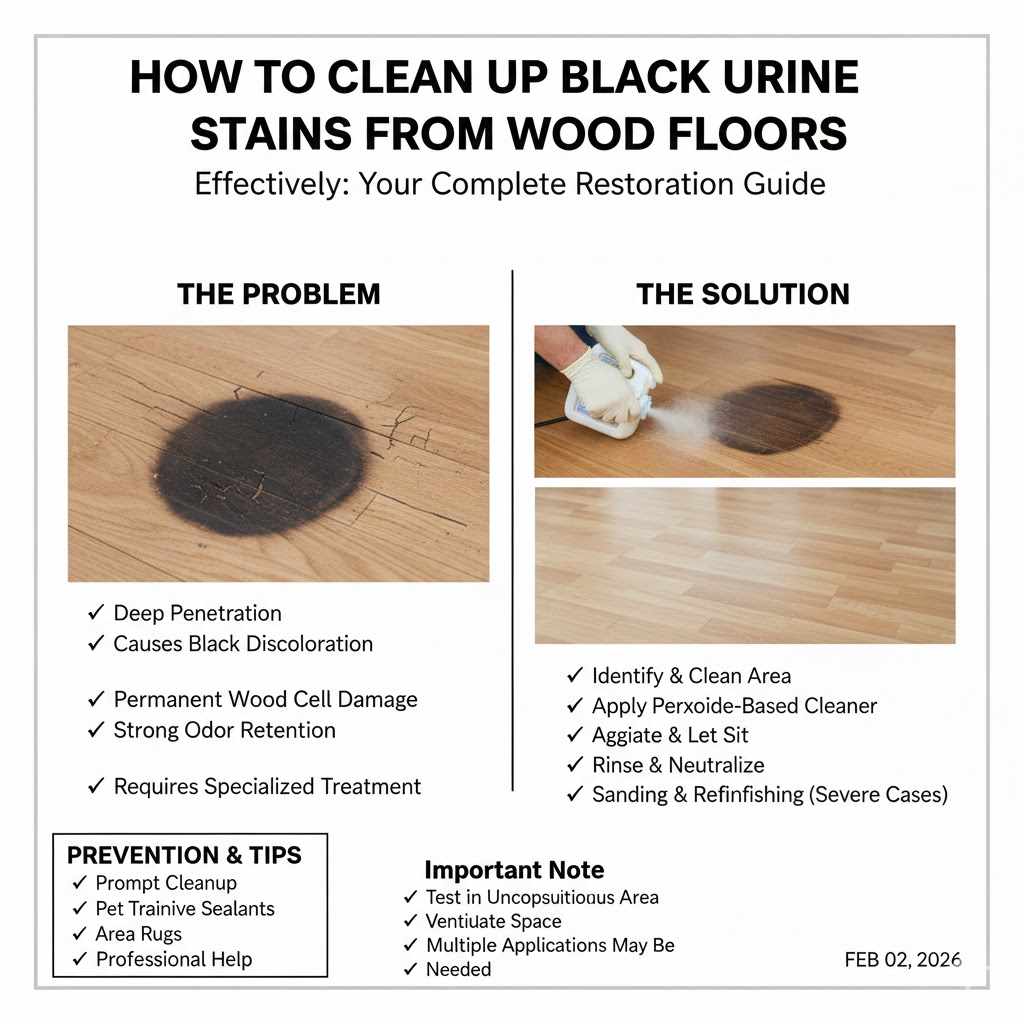
Step-by-Step Guide to Removing Black Urine Stains From Wood Floors
Cleaning up urine stains might seem like a complex task. But, with the right approach, it’s manageable. This guide provides a step-by-step cleaning process that helps you effectively address the problem. Each step is essential to ensure that you are fully removing the stain and not simply spreading it. Begin by blotting up any remaining liquid.
Then, choose the right cleaning agent. Once the cleaning process is complete, the final step involves restoring the wood floor’s finish if necessary. Following these steps carefully will greatly improve your ability to tackle these stains and keep your wood floors looking their best. Also, it’s wise to be patient and repeat the steps if the stain is stubborn.
Preparation Is Key
Before you begin cleaning, it’s important to prepare the area properly. Gather all the necessary supplies, like cleaning solutions, cloths, and gloves. Protect yourself and the surrounding area. Clearing the area around the stain makes your work easier and reduces the chance of accidental spills. Take the time to vacuum or sweep the floor. This eliminates loose dirt and debris, which will help your cleaning solutions work more effectively.
Proper preparation will simplify the cleaning process. This ensures that the floor is as clean as possible before you begin. This helps you achieve the best possible results when removing the stain.
- Gather Supplies: Have everything you need ready: cleaning solutions, clean cloths or paper towels, gloves, and a vacuum or broom.
- Clear the Area: Move furniture or rugs away from the stained area to make cleaning easier. This will prevent any stains from spreading to other areas.
- Vacuum or Sweep: Remove any loose dirt or debris from the floor before cleaning. This will prevent scratches and let the cleaning solution penetrate better.
- Ventilate the Room: Open windows or use a fan to improve air circulation. This helps with the odor and provides fresh air while cleaning.
Cleaning Process: Step by Step
Now, let’s go through the cleaning process. The steps here are designed to eliminate the stain and the associated odors. The first step is to absorb any remaining liquid. Next, apply a cleaning solution, allowing it to penetrate and lift the stain. After the appropriate dwell time, you will remove the cleaner and any loosened stain.
These steps will help you properly remove any stains and keep the wood floor in top condition. Note, however, that the severity of the stain will determine how many times you have to repeat the process. Don’t be discouraged if the stain remains after the first try. Patience and persistence are key.
- Blot Excess Liquid: Immediately blot up any excess urine with a clean cloth or paper towels.
- Choose a Cleaning Agent: Select your preferred cleaning solution. You can use DIY solutions or commercial cleaners depending on the stain severity.
- Apply the Cleaner: Apply the cleaner to the stain. Make sure you follow the manufacturer’s instructions.
- Allow Dwell Time: Let the cleaner sit for the recommended time.
- Blot and Wipe: Use a clean, damp cloth to blot and wipe the area.
- Rinse (if needed): Rinse the area with clean water if necessary, especially if using a strong cleaner.
- Dry the Area: Dry the area completely with a clean cloth.
Dealing with Stubborn Stains
Some stains are especially difficult to remove. This is often the case when the urine has deeply penetrated the wood. In these instances, you may need to try more aggressive methods. If the stain persists after several attempts, consider using a stronger commercial cleaner or an enzymatic cleaner designed for pet stains. In extreme cases, you might need to sand the affected area to remove the stained wood.
After sanding, you would need to refinish the wood to restore its appearance. Consider seeking professional help if you’re not comfortable with these methods. This will provide an expert opinion and help prevent further damage to your floors.
- Repeat Cleaning: If the stain persists, repeat the cleaning process. You may need to use a stronger cleaner.
- Try Enzymatic Cleaners: Enzymatic cleaners can be very effective against stubborn stains. They break down the organic compounds.
- Sanding and Refinishing: For deep stains, you might need to lightly sand the area to remove the stained wood. After sanding, you’ll need to refinish the floor.
- Professional Help: If you’re not confident in your ability to remove the stain, consult a flooring professional. They have experience and tools.
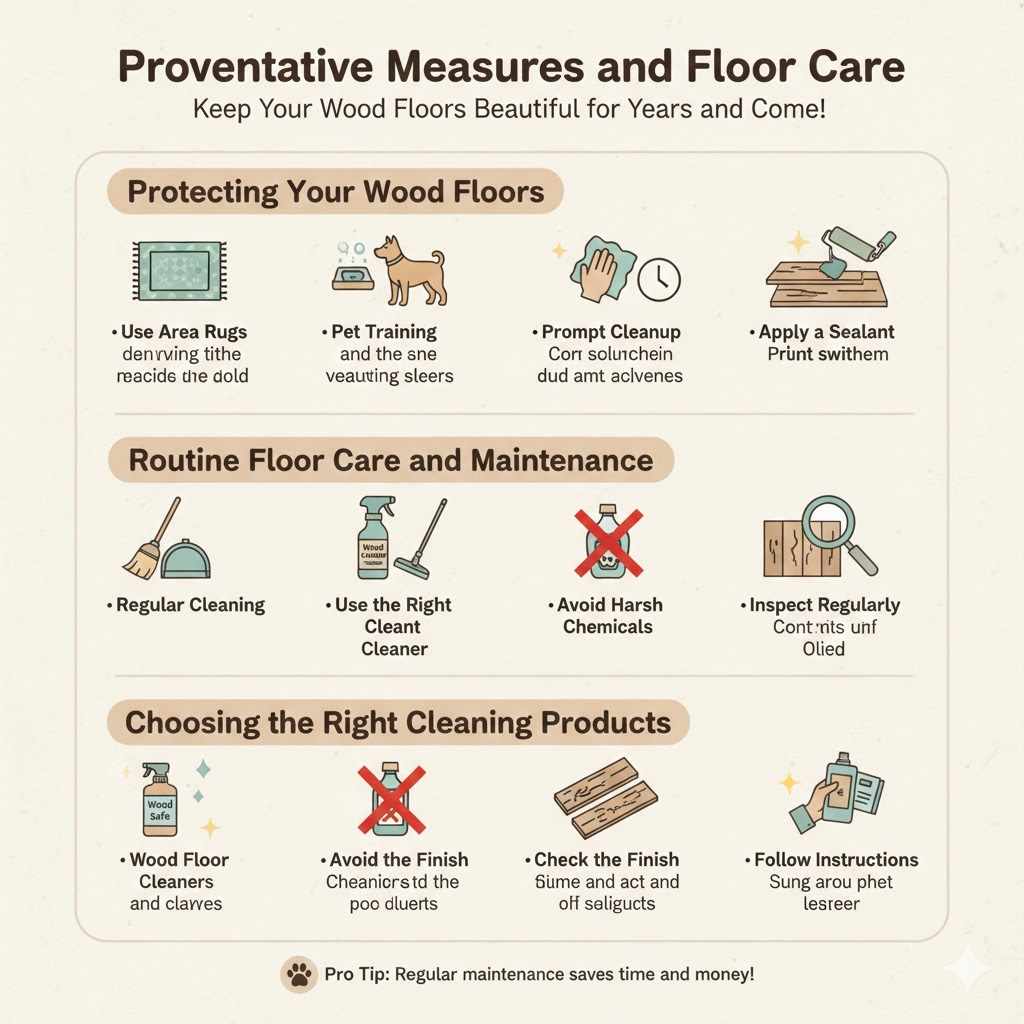
Preventative Measures and Floor Care
After successfully removing the stain, it’s essential to take steps to protect your wood floors from future accidents. Prevention is the best way to avoid further damage and maintain your floors. Regular care will help keep them in good condition. Use rugs or mats in high-traffic areas. This can protect your floors from everyday wear and tear. Promptly cleaning up any spills or accidents can reduce the chances of stains forming.
Also, use proper floor cleaning products and practices. This will help maintain the floor’s protective finish and prevent damage. With these preventative measures, you can protect your wood floors. They will stay beautiful for years to come.
Protecting Your Wood Floors
Preventative measures are essential to keep your floors in the best possible shape. Start by protecting your wood floors by using area rugs. Place these rugs in high-traffic areas or where your pets tend to spend their time. This will help prevent urine from reaching the wood. Another useful approach is to train your pets. Make sure your pets are well trained and have designated areas for eliminating waste. Clean up any accidents quickly to prevent stains.
This can make all the difference. Moreover, you should consider using a floor sealant. This sealant can help create a barrier that keeps stains from absorbing into the wood. Taking these steps will help you safeguard your floors. They can keep your home looking good.
- Use Area Rugs: Place rugs in high-traffic areas and where pets frequently go to help protect the floors.
- Pet Training: Train pets to eliminate waste in designated areas to minimize accidents.
- Prompt Cleanup: Clean up urine accidents immediately to prevent the stain from setting.
- Apply a Sealant: Consider applying a protective sealant to the floor to create a barrier against urine and other liquids.
Routine Floor Care and Maintenance
Taking care of your wood floors means more than just cleaning up accidents. Implementing a regular maintenance routine keeps them looking beautiful and durable. Clean your floors regularly using a suitable wood floor cleaner. Sweep or vacuum them regularly to remove dirt and debris. This can prevent scratches and scuffs. The more you protect your floors, the better they will look over time.
Furthermore, you should inspect your floors periodically for any signs of damage or wear. This will enable you to take swift action and prevent bigger problems. Regular maintenance keeps your wood floors in optimal condition. This will help preserve their appearance and lifespan.
- Regular Cleaning: Sweep or vacuum your floors frequently to remove dirt and debris.
- Use the Right Cleaner: Use a wood floor cleaner. Follow the product instructions.
- Avoid Harsh Chemicals: Avoid harsh cleaning chemicals that can damage the floor’s finish.
- Inspect Regularly: Check for any damage to your floors. Prompt attention can prevent further deterioration.
Choosing the Right Cleaning Products
Selecting the right cleaning products is key to maintaining your wood floors. Choose products designed specifically for wood floors. These will be gentle on the finish. Avoid products that contain harsh chemicals, as they can cause damage or discoloration. Read the product labels carefully to make sure the cleaner is safe for your type of wood. Also, consider the finish of your floor. The cleaning agent may need to be adjusted accordingly.
For instance, a cleaner for a sealed floor may differ from one for an oiled floor. By making good choices in terms of cleaning products, you can maintain your floor’s beauty and longevity. This also will protect the floor from potential problems caused by the wrong cleaning agents.
- Wood Floor Cleaners: Use products designed for wood floors. This will prevent damage.
- Avoid Harsh Chemicals: Steer clear of harsh cleaners that can harm the finish.
- Check the Finish: Select products suitable for your floor’s finish.
- Follow Instructions: Always follow the product instructions carefully to ensure the best results.
Frequently Asked Questions
Question: Can I use bleach to remove urine stains?
Answer: It’s generally not recommended to use bleach on wood floors, as it can damage the wood and remove the finish. It can also cause discoloration. Instead, use a cleaner designed for wood floors.
Question: How can I remove the urine smell from the wood floor?
Answer: Enzymatic cleaners are designed to eliminate urine odors by breaking down the uric acid crystals. Apply the cleaner as directed, and ensure it dries completely.
Question: What’s the best way to prevent urine stains in the future?
Answer: Train your pets, clean up accidents quickly, use area rugs in high-risk areas, and consider applying a protective sealant to your floors.
Question: Can I use a steam cleaner on my wood floors to remove stains?
Answer: Generally, steam cleaners are not recommended for wood floors. The steam can damage the finish and warp the wood. Stick to cleaning products recommended for wood floors.
Question: How often should I clean my wood floors?
Answer: It is important to clean your wood floors regularly, ideally once or twice a week, depending on the foot traffic and pet activity. Regular cleaning prevents dirt and stains from building up.
Final Thoughts
Dealing with black urine stains on wood floors can be stressful. But, with the right information and approach, you can restore your floors to their original beauty. By understanding the science behind the stains, choosing the right cleaning solutions, and following a step-by-step cleaning process, you can effectively tackle this common problem. Remember that prevention is key; protect your floors with area rugs and regular maintenance.
Don’t worry if the stain doesn’t disappear immediately. Persistence and patience are important. If you’re not getting the results you expect, be sure to keep trying. Your dedication will be rewarded with floors that are clean and attractive, bringing fresh life to your home.