How to Cut Door Hinge Slots: A Step-by-Step Guide for Beginners
Hey, friend! So, you’re curious about how to cut door hinge slots? I get it—there’s something incredibly satisfying about hanging a door that swings perfectly, and getting those hinge slots just right is the key. When I first tried this, I was nervous about messing up, but after a few projects, I’ve learned the tricks to make it smooth and stress-free.
Whether you’re installing a new door, replacing old hinges, or just diving into a DIY home improvement adventure, cutting hinge slots is a skill you can master with a little guidance. I’ve been there, chisel in hand, figuring out what works, and now I’m excited to share everything I’ve learned with you. Picture us chatting over a workbench, tools spread out, as I walk you through this process step by step. Let’s make your door project a success!
Why Do You Need to Cut Door Hinge Slots?
Let’s start with the basics. Hinge slots, or mortises, are those shallow recesses in the door and frame where hinges sit. They let the hinge sit flush, so the door closes tightly and swings smoothly. If you’re installing a new door that doesn’t have pre-cut slots or replacing hinges that don’t match the old ones, you’ll need to cut these slots yourself. I remember my first time working on a blank door—it felt daunting, but cutting the slots gave me control over the fit and finish. Doing it yourself saves money and gives you that proud DIY moment when the door hangs perfectly.
Most interior and exterior doors use three hinges, each needing a slot about 1/16 to 1/8 inch deep, depending on the hinge thickness. The goal is to make the hinge sit flush with the wood or metal, so the door doesn’t wobble or stick.
Tools and Materials You’ll Need
Before we start cutting, let’s gather the tools. I learned the hard way that having the right gear makes all the difference—trying to use a dull chisel once left me with a messy slot and a lot of frustration. Here’s what I keep ready:
- Chisel: A sharp 3/4-inch or 1-inch wood chisel is perfect for most hinges.
- Hammer or Mallet: To tap the chisel and make clean cuts.
- Utility Knife: For scoring the wood to prevent splintering.
- Tape Measure and Pencil: To mark the exact spot for the hinge.
- Hinge Template or Jig: A template makes marking and cutting easier, especially for beginners.
- Screwdriver: To secure the hinge with screws after cutting.
- Router with Straight Bit (Optional): For faster, precise cuts if you’re comfortable with power tools.
- Sandpaper: To smooth the slot edges.
- Safety Gear: Safety glasses and gloves to protect yourself from wood chips or sharp tools.
- Hinges and Screws: Make sure you have the hinges you’ll install.
I bought a basic chisel set for about $15, and it’s been a game-changer. If you’re working on a metal door, you’ll need a different approach, like a metal-specific router bit, but most home doors are wood, so we’ll focus on that.
Preparing Your Door for Cutting
Prep work is where the magic starts. I once skipped this step and ended up with a crooked slot that threw off the whole door. Here’s how I set up now to avoid mistakes:
First, decide where the hinges go. Standard placement for a door is three hinges: one about 5 inches from the top, one 10 inches from the bottom, and one in the middle. I measure from the top of the door and mark with a pencil. If you’re replacing hinges, use the old slots as a guide, but check that the new hinges match.
Lay the door flat on sawhorses or a sturdy table. This keeps it stable while you work. If the door is already hung, you can work on it in place, but I find it easier to remove it. Use a hinge template if you have one—it’s like a cheat sheet that shows exactly where to cut. Tape it to the door’s edge, aligning it with your marks.
Double-check your measurements. I always measure twice to avoid cutting in the wrong spot. If you’re working on the door frame too, mark the corresponding spots where the hinges will attach.
How to Cut Door Hinge Slots by Hand
Now, let’s get to cutting the slots. I’ll walk you through the hand-chisel method first because it’s beginner-friendly and doesn’t need fancy power tools. Here’s what I do:
Step 1: Mark the Hinge Outline
Place the hinge on the door’s edge where you want the slot. Trace around it with a pencil. Then, use a utility knife to score along the outline, cutting about 1/16 inch deep. This prevents the wood from splintering when you chisel. I press firmly but carefully to keep the line clean.
Step 2: Score the Depth
Check the thickness of your hinge leaf—usually 1/16 to 1/8 inch. Mark this depth on the door’s edge with your pencil. I use the hinge itself as a guide, holding it against the side and marking where it sits flush. Some folks use a combination square for precision, but I find eyeballing it works if you’re careful.
Step 3: Chisel the Slot
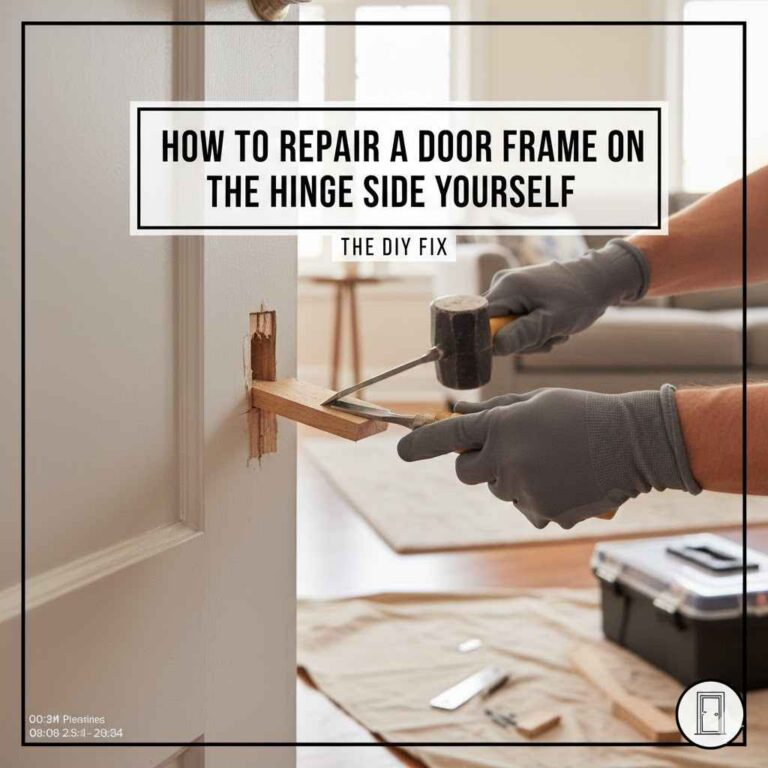
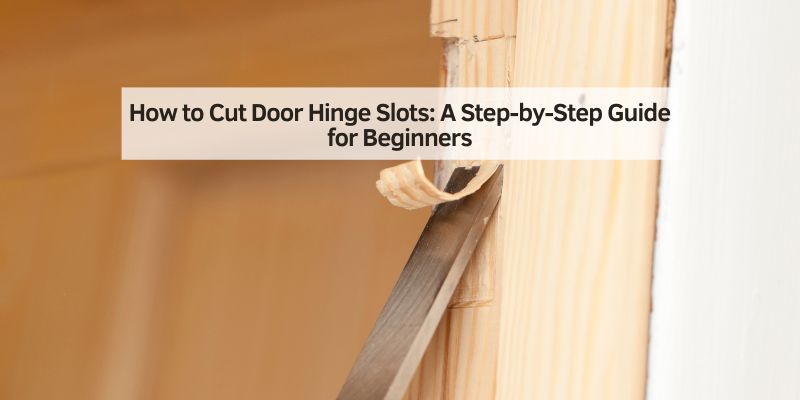
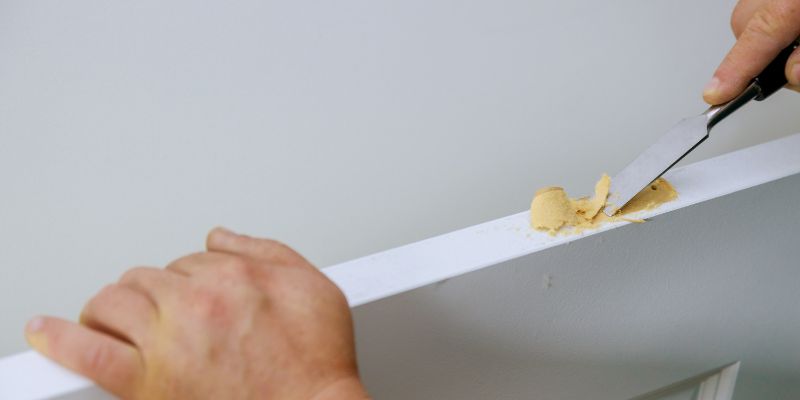
Grab your chisel and hammer. Start by making shallow cuts along the scored outline, tapping the chisel gently to remove thin layers of wood. Work around the perimeter first, then remove the wood inside the outline. I hold the chisel at a slight angle to dig out small chunks at a time. Keep the cuts shallow to avoid going too deep.
Once the outline is clear, chisel out the rest of the slot, working toward the depth you marked. I check the depth often by laying the hinge in the slot—it should sit flush with the door’s edge. If it’s too shallow, chisel a bit more; if too deep, you’ll need to shim the hinge later.
Step 4: Clean Up the Slot
Use the chisel to smooth out any rough spots. I run my finger along the slot (carefully!) to check for bumps. Sand the edges with fine sandpaper for a clean finish. Test-fit the hinge to make sure it sits perfectly flush.
Using a Router for Faster Results
If you’re comfortable with power tools, a router with a straight bit can make cutting hinge slots faster and more precisely. I tried this after getting the hang of chiseling, and it’s a game-changer for multiple doors. Here’s how I do it:
- Set Up the Router: Attach a 3/4-inch straight bit and set the depth to match your hinge thickness (usually 1/16 inch).
- Use a Jig: A hinge jig clamps to the door and guides the router for a perfect slot. I bought one for $30, and it’s saved me hours.
- Route the Slot: Move the router slowly along the jig, cutting the slot in one or two passes. Don’t rush—it can burn the wood.
- Clean Up: Use a chisel to square off the corners, as routers leave rounded edges. Sand lightly for a smooth finish.
The router method is faster, but it takes practice to control. I stick with chiseling for one-off projects and use the router for bigger jobs.
Installing the Hinges
With the slots cut, it’s time to install the hinges. This part feels like the reward for your hard work. Here’s what I do:
- Place the Hinge: Set the hinge in the slot, making sure it’s flush. Mark the screw holes with a pencil.
- Drill Pilot Holes: Use a small drill bit (1/16-inch works) to make pilot holes for the screws. This prevents the wood from splitting.
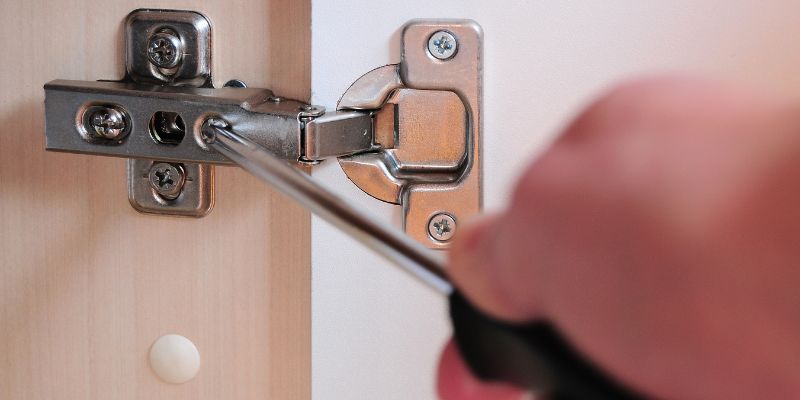
- Secure the Hinge: Screw the hinge into place with a screwdriver. I tighten just enough to keep it secure without stripping the screws.
- Test the Fit: If you’re working on the door frame too, attach the other half of the hinge to the frame’s slots, then hang the door. Open and close it to check for smooth movement.
My first door swung a bit stiffly because the slots weren’t deep enough. I had to chisel a little more, but it was an easy fix.
Cutting Hinge Slots in the Door Frame
Don’t forget the door frame—it needs matching hinge slots. I mark the frame by holding the door in place and transferring the hinge positions with a pencil. The process is the same: score the outline, chisel or route the slot, and install the hinge. Make sure the slots align perfectly with the door’s hinges, or the door won’t close properly. I once misaligned a frame slot by a fraction, and the door stuck until I adjusted it.
Tips to Avoid Common Mistakes
I’ve made my share of errors, so let me save you some trouble. Here are tips I wish I knew starting out:
- Keep Your Chisel Sharp: A dull chisel tears the wood instead of cutting cleanly. I sharpen mine before every project.
- Don’t Cut Too Deep: Going too deep makes the hinge sit below the surface, causing the door to sag. Check the depth often.
- Use a Template: A hinge jig or template ensures perfect placement. I skipped this once and ended up with uneven slots.
- Work Slowly: Rushing leads to mistakes. I take breaks if I’m feeling impatient to keep my cuts precise.
- Test the Door Early: Hang the door after cutting one slot to check alignment before doing the rest.
Safety First
Cutting hinge slots is safe if you’re careful, but accidents can happen. I always wear safety glasses to protect my eyes from flying wood chips. Gloves help with grip and keep your hands safe from sharp chisels. If you’re using a router, keep your hands clear of the bit and unplug it when changing bits. I once nicked my finger with a chisel—ouch—so now I’m extra cautious.
What to Do If Things Go Wrong
Mistakes happen, and I’ve had my share. If your slot is too deep, you can shim the hinge with thin cardboard to raise it. If it’s too shallow, chisel out a bit more. If the slot is off-center, you might need to fill it with wood filler, let it dry, and recut. I messed up a slot once and used a wood patch to fix it—it wasn’t perfect, but it worked. For major errors, like a damaged door, consider calling a pro or replacing the door.
Here’s a quick table to summarize the process:
| Step | Tool Needed | Tips |
|---|---|---|
| Mark Hinge Outline | Pencil, Utility Knife | Score deeply to prevent splintering |
| Set Depth | Hinge, Pencil | Match hinge thickness, usually 1/16 inch |
| Chisel Slot | Chisel, Hammer | Work in thin layers, check depth often |
| Route Slot (Optional) | Router, Jig | Use a jig for precision, square corners |
| Install Hinge | Screwdriver, Drill | Drill pilot holes to avoid splitting wood |
Maintaining Your Door and Hinges
Once your hinges are installed, a little care keeps them working smoothly. I check the screws every few months to ensure they’re tight. A drop of lubricant on the hinge pins prevents squeaking. If the door starts sticking, check the slots for debris or misalignment. I had a door that rubbed the frame until I sanded the slot slightly deeper.
For exterior doors, use weather-resistant hinges to prevent rust. I learned this after a cheap hinge corroded on my back door. Quality hinges cost a bit more but last longer.
Why DIY This Project?
Cutting hinge slots yourself is rewarding. I saved about $100 compared to hiring a carpenter, and the pride of hanging a door perfectly is unbeatable. It’s a skill you can use for future projects, like installing cabinets or gates. Every time I walk through a door I’ve worked on, I smile knowing I did it myself.
Wrapping It Up with Pride
Friend, you’re now ready to cut door hinge slots like a pro! From marking the perfect outline to chiseling a clean slot, you’ve got the know-how to make your door swing smoothly. I remember how nervous I was before my first try, but with patience and these steps, it’s totally doable. Grab your tools, take your time, and enjoy the process. There’s nothing like the feeling of hanging a door that fits just right, all thanks to your hard work. So, go tackle that project, and let me know how it feels to open that door for the first time. You’re going to nail this, and I’m cheering you on!
FAQ
What tools do I need to cut door hinge slots?
A sharp chisel, hammer, utility knife, and pencil are the basics. A router and jig are great for faster work.
How deep should hinge slots be?
Usually 1/16 to 1/8 inch, depending on the hinge thickness. Check by laying the hinge in the slot—it should be flush.
Can I cut hinge slots without a chisel?
It’s tough without a chisel. A router works, too, but chisels are best for beginners and small jobs.
What if I cut the slot too deep?
Use thin cardboard to shim the hinge up to the right level. It’s an easy fix.
Do I need to cut slots in the door frame, too?
Yes, the frame needs matching slots for the hinges to align. Mark them carefully to match the door.
How long does it take to cut a hinge slot?
About 10-15 minutes per slot with a chisel, less with a router. Take your time for clean cuts.
Can I do this on a metal door?
It’s trickier. Use a router with a metal-cutting bit or call a pro, as metal requires special tools.