How to Fit Lamp Shade Reducer Ring: Effortless Guide
Quick Summary:
Fitting a lamp shade reducer ring is simple! This small adapter converts a European-style shade holder to a North American harp, ensuring your new shade fits perfectly. Follow these easy steps to secure your lamp shade in minutes, saving time and hassle.
Ever bought a beautiful new lamp shade only to find it doesn’t quite fit your lamp? It’s a common frustration! Often, the issue is a mismatch between the lamp’s shade holder and the shade’s opening. If your lamp has a European-style fitter (a ring that sits directly on the bulb socket) and your shade has a standard North American opening designed for a harp, you’ll need a lamp shade reducer ring. These handy little gadgets are the bridge that makes them compatible. Don’t worry, it’s a quick fix that anyone can do with a few simple steps. Let’s get your favorite lamp looking just right!
Understanding Lamp Shade Fitter Types
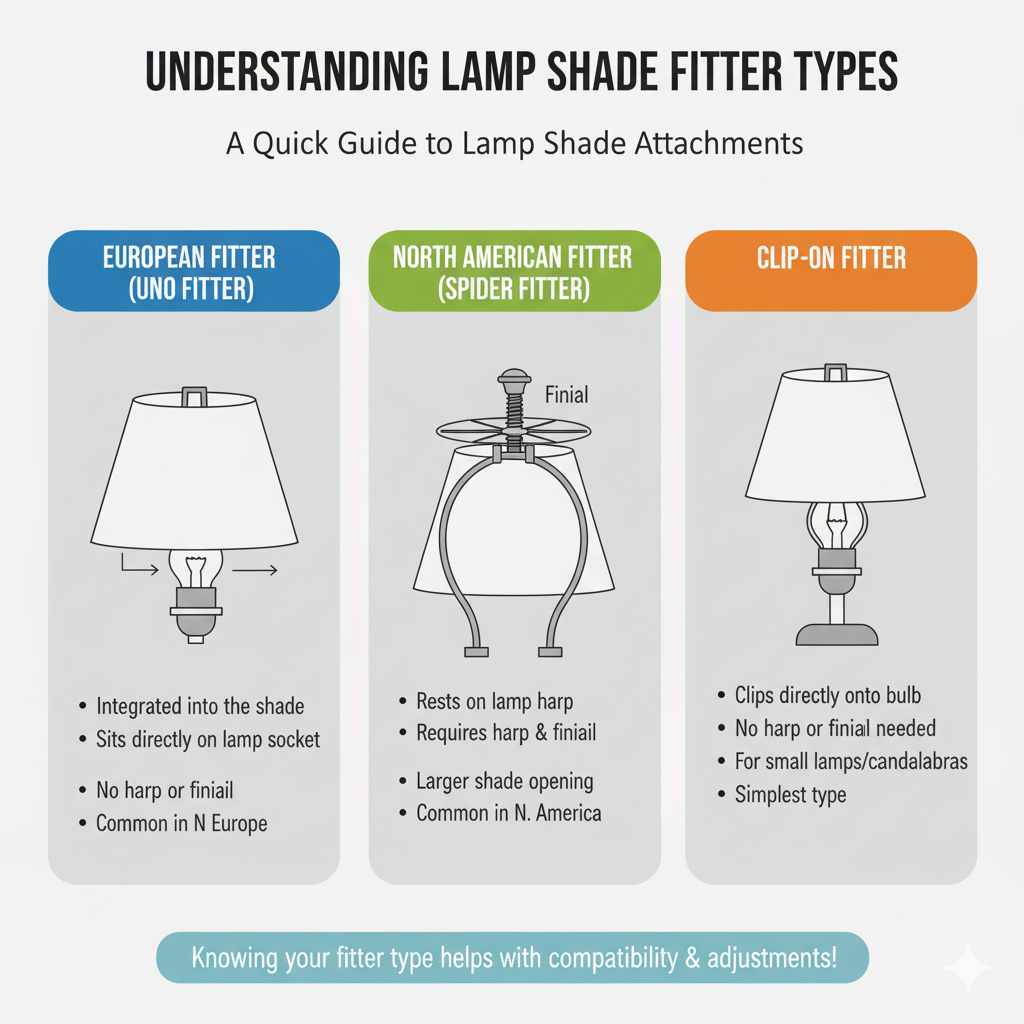
Before we get to fitting that reducer ring, let’s quickly chat about lamp shades and how they attach. This will make everything much clearer. Think of the “fitter” as the part of the lamp shade that connects to the lamp itself. There are a few common types, and knowing them helps you understand why a reducer ring is sometimes necessary.
The European Fitter (Uno Fitter)
This is probably the type you’ll encounter if you need a reducer ring. A European fitter is a ring that’s built directly into the lamp shade. It’s designed to sit right on top of the lamp’s socket, usually where the light bulb screws in. The shade then rests directly on this ring. While common in many parts of the world, it’s less common for the lamp base itself to have this fitting in North America; instead, it’s more often found on the shade that’s designed for this type of attachment.
Key characteristics of a European fitter:
- Integrated into the shade itself.
- Sits directly on the lamp socket.
- No separate harp or finial needed for attachment to the shade (though the lamp base might have a harp).
- Typically found on shades imported from Europe or those designed to fit European lamp bases.
The North American Fitter (Spider Fitter)
This is the more traditional style you’ll see in many North American homes. A spider fitter has a central ring with spokes (like a spider’s legs) that rests on top of a lamp’s harp. The harp is the U-shaped metal piece that extends from the lamp base. The shade sits on this spider ring, and a finial (a decorative cap) screws onto the top of the harp to hold everything in place. The opening in the shade is usually larger than a European fitter.
Key characteristics of a North American spider fitter:
- A ring with spokes that sits on the lamp harp.
- Requires a lamp harp and finial for secure attachment.
- Commonly found on lamp shades sold in the United States and Canada.
The Clip-On Fitter
These are the simplest! Clip-on shades have a small metal frame that directly clips onto the light bulb itself. They are usually found on smaller lamps, like candelabra or accent lamps. These don’t use reducer rings or harps.
What is a Lamp Shade Reducer Ring?
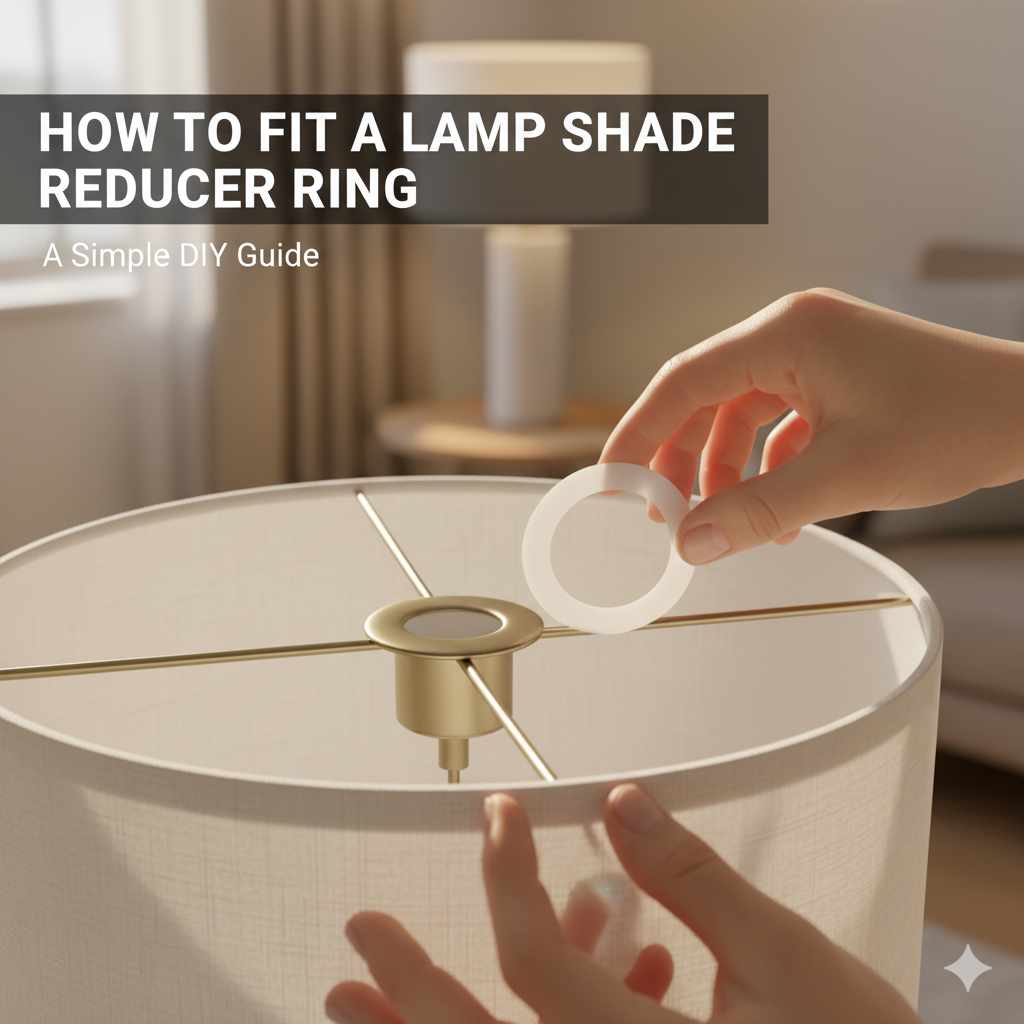
A lamp shade reducer ring, sometimes called a harp fitter adapter or uno fitter ring, is a small, circular piece of plastic or metal designed to bridge the gap between a European-style shade fitter and a North American harp. It’s essentially a ring with a larger inner diameter that fits around the lamp socket, and a smaller outer diameter that then fits onto the North American harp.
Think of it like this: Your lamp has a harp that holds the shade up. Your new shade has a hole meant to sit directly on the lamp’s socket (European style). The reducer ring acts as an adapter. It has a large hole that fits over the socket, and a smaller ring on the outside that can then sit on the harp. This allows the shade to be held securely by the harp, just like a standard North American shade.
These rings are incredibly useful because they dramatically increase the compatibility of lamp shades. You’re no longer limited to shades designed specifically for your lamp’s fitter type. This opens up a world of design choices!
Why Do You Need a Reducer Ring?
You’ll typically need a lamp shade reducer ring when you have a lamp with a North American harp system, but the lamp shade you want to use has a European (uno) fitter. Here’s a breakdown of common scenarios:
- Mismatched Fitter Sizes: Your lamp has a harp, but the shade’s opening is too large and designed to sit directly on the socket. The reducer ring allows the shade to rest on the harp.
- Imported Shades: You’ve found a beautiful lamp shade from overseas or online that has a European fitter, and your lamp uses a North American harp.
- Specific Shade Styles: Some unique or decorative lamp shades are manufactured with uno fittings for aesthetic or design reasons, regardless of the intended market.
- Convenience: It’s a simple and inexpensive solution to make a shade fit, rather than searching for a perfectly matched shade or altering the lamp.
Without a reducer ring in these situations, the shade would either not sit securely on the harp, or it would be too loose and potentially fall or be unstable. The reducer ring ensures a snug and safe fit.
Tools and Materials You’ll Need
The beauty of this project is that you likely won’t need many tools, if any! The lamp shade reducer ring itself is the main component. Here’s what you might have on hand or easily acquire:
- Lamp Shade Reducer Ring: Make sure you have the correct size. They are usually a standard size that fits most North American harps and European shade openings.
- Lamp: The lamp you intend to use with the new shade.
- Lamp Shade: The shade with the European (uno) fitter.
- Lamp Harp: The U-shaped metal piece on your lamp that holds the shade.
- Finial: The decorative knob that screws onto the top of the harp to secure the shade.
- Optional: A soft cloth (to protect surfaces if needed).
That’s it! The process is designed to be straightforward and requires no special skills or complicated tools. It’s a true DIY-friendly task.
Step-by-Step Guide: How to Fit Lamp Shade Reducer Ring
Ready to make that shade fit? It’s a straightforward process. Follow these steps carefully, and you’ll have your lamp looking perfect in no time. We’ll assume your lamp already has a harp attached. If not, you’ll need to attach the harp first. Most harps simply screw onto a threaded post on the lamp base.
Step 1: Prepare Your Lamp and Shade
First things first, ensure your lamp is unplugged for safety. This is crucial when working with any electrical item. Gently remove the existing lamp shade, if one is attached. Also, unscrew and remove the finial from the top of the harp. The harp should now be free-standing.
Take your new lamp shade and identify its fitter type. You’re looking for the shade with the opening that appears to be a single ring meant to sit directly on a socket, not a spoked ring. Place the shade on a stable surface nearby.
Step 2: Place the Reducer Ring onto the Harp
This is the core of the process. The lamp shade reducer ring is designed to fit onto the North American harp. Most reducer rings have a slightly larger opening on one side and a smaller, stepped-down opening on the other. The larger opening is what will sit on the harp.
Carefully slide the reducer ring down onto the lamp harp. It should fit snugly around the harp’s metal frame. The ring typically has a lip or edge that rests on the harp, allowing the shade to sit on top of it. You want the reducer ring to sit about halfway down the harp, or wherever the bottom of your lamp shade’s opening would naturally rest.
Tip: Some reducer rings are made of plastic and can be a bit flexible. Others are metal and might be more rigid. Don’t force it if it feels like it’s jamming; ensure it’s aligned correctly with the harp.
Step 3: Position the Lamp Shade
Now it’s time to put the shade onto the adapted harp. Take your lamp shade with the European fitter opening. Carefully lift the shade and place its opening over the lamp harp, ensuring the fitter ring of the shade rests on top of the reducer ring you just placed on the harp. The reducer ring acts as a platform, bringing the harp up to meet the shade’s uno fitter.
The shade should now sit level and centered on the lamp. The reducer ring is essentially filling the space that would normally be occupied by the lamp socket if the shade were being used without a harp.
Step 4: Secure the Shade with the Finial
With the lamp shade sitting correctly on the reducer ring, it’s time to secure it. Take the finial you removed earlier. Carefully screw the finial back onto the threaded post at the top of the lamp harp. Tighten it gently until the shade is held firmly in place. You don’t need to overtighten it; just make sure the shade doesn’t wobble.
The finial will press down on the lamp shade’s fitter ring, holding both the shade and the reducer ring snugly against the harp. This ensures a stable and secure fit.
Step 5: Final Check
Before plugging your lamp back in, give everything a final check. Gently try to move the lamp shade. Does it feel secure? Is it centered correctly? Is the reducer ring hidden from view by the shade? If everything looks good and feels stable, you’re done!
Now you can plug in your lamp and enjoy your perfectly fitted new shade. It’s a small change that makes a big difference in how your lamp looks and functions.
Troubleshooting Common Issues
Even with simple DIY projects, sometimes things don’t go perfectly the first time. Here are a few common issues you might encounter when fitting a lamp shade reducer ring and how to solve them:
- Shade is still wobbly: This could mean the reducer ring isn’t seated correctly on the harp, or the finial isn’t tight enough. Try repositioning the reducer ring and retightening the finial. Ensure the reducer ring is the correct type for your harp (most are standard, but variations exist).
- Reducer ring doesn’t fit the harp: While uncommon, there might be slight variations in harp sizes. If the ring is too tight, you might need a slightly larger one. If it’s too loose, you might need to add a small piece of tape (like electrical tape) to the harp for a snugger fit before sliding the ring on. However, this is a temporary fix; ideally, find a ring that fits properly.
- Shade sits too low or too high: The reducer ring should sit at a height on the harp that allows the shade to sit level. If it seems off, try adjusting the position of the reducer ring on the harp. Some reducer rings have multiple “steps” or grooves that allow for slight height adjustments.
- Reducer ring is visible below the shade: This is usually a cosmetic issue. If the reducer ring is sticking out below the bottom edge of your shade, it might mean the shade is too small for the lamp base, or the reducer ring is not the right size. You can sometimes hide this by using a decorative finial that’s slightly larger or by adjusting the shade’s position on the harp if possible.
If you continue to have trouble, it might be worth checking the specifications of your lamp and shade online or consulting with a lighting professional or a hardware store employee for advice.
Where to Buy Lamp Shade Reducer Rings
Finding a lamp shade reducer ring is usually quite easy! They are readily available at most places that sell lighting supplies, lamp accessories, or home decor items. Here are some common places to look:
- Hardware Stores: Many local hardware stores carry a selection of lamp repair parts, including reducer rings.
- Home Improvement Stores: Larger chains like Home Depot or Lowe’s often have a lighting accessories section.
- Online Retailers: Websites like Amazon, eBay, and dedicated lighting supply stores offer a wide variety of reducer rings, often with different materials (plastic, brass, etc.) and quantities.
- Specialty Lighting Stores: Shops that focus on lamps and lighting fixtures are a great resource.
- Craft Stores (sometimes): Some larger craft stores with extensive home decor sections might carry them.
When purchasing, ensure you are getting a “reducer ring” or “uno fitter adapter.” They are typically very inexpensive, often costing just a few dollars. This makes them an incredibly cost-effective solution.
Benefits of Using a Reducer Ring
Using a lamp shade reducer ring offers several advantages that make it a worthwhile solution for many homeowners:
Cost-Effective
Lamp shade reducer rings are one of the most affordable ways to adapt a lamp shade. Instead of buying a new shade that perfectly matches your lamp’s fitter type, you can use a reducer ring for just a few dollars.
Increased Shade Selection
This is a major benefit! Reducer rings significantly expand your options for lamp shades. You can choose from a much wider variety of styles, colors, and sizes, especially if you find yourself drawn to shades with European (uno) fittings.
Easy Installation
As you’ve seen, fitting a reducer ring requires no special tools or skills. It’s a simple, quick process that anyone can do in minutes.
Preserves Lamp Aesthetics
You can keep your existing lamp base and harp system while still achieving the look you want with a different shade. This is great if you love the design of your lamp base but want to update its appearance with a new shade.
Convenience
When you find the perfect shade but it has the wrong fitter, a reducer ring is the most convenient solution. It avoids the hassle of searching endlessly for a compatible shade or attempting more complex modifications.
For a quick comparison of common fitter types and their requirements, consider this table:
| Fitter Type | Description | Requires Harp? | Requires Reducer Ring? | Secured By |
|---|---|---|---|---|
| European (Uno) | Ring integrated into shade, sits directly on socket. | No (for shade attachment) | Yes (to fit North American harp) | Lamp socket or Reducer Ring/Harp |
| North American (Spider) | Ring with spokes that rests on harp. | Yes | No | Finial |
| Clip-On | Frame clips directly onto bulb. | No | No | Bulb itself |
Understanding these differences highlights why the reducer ring is such a valuable accessory for lamp shade compatibility.
Environmental Considerations and Lamp Care
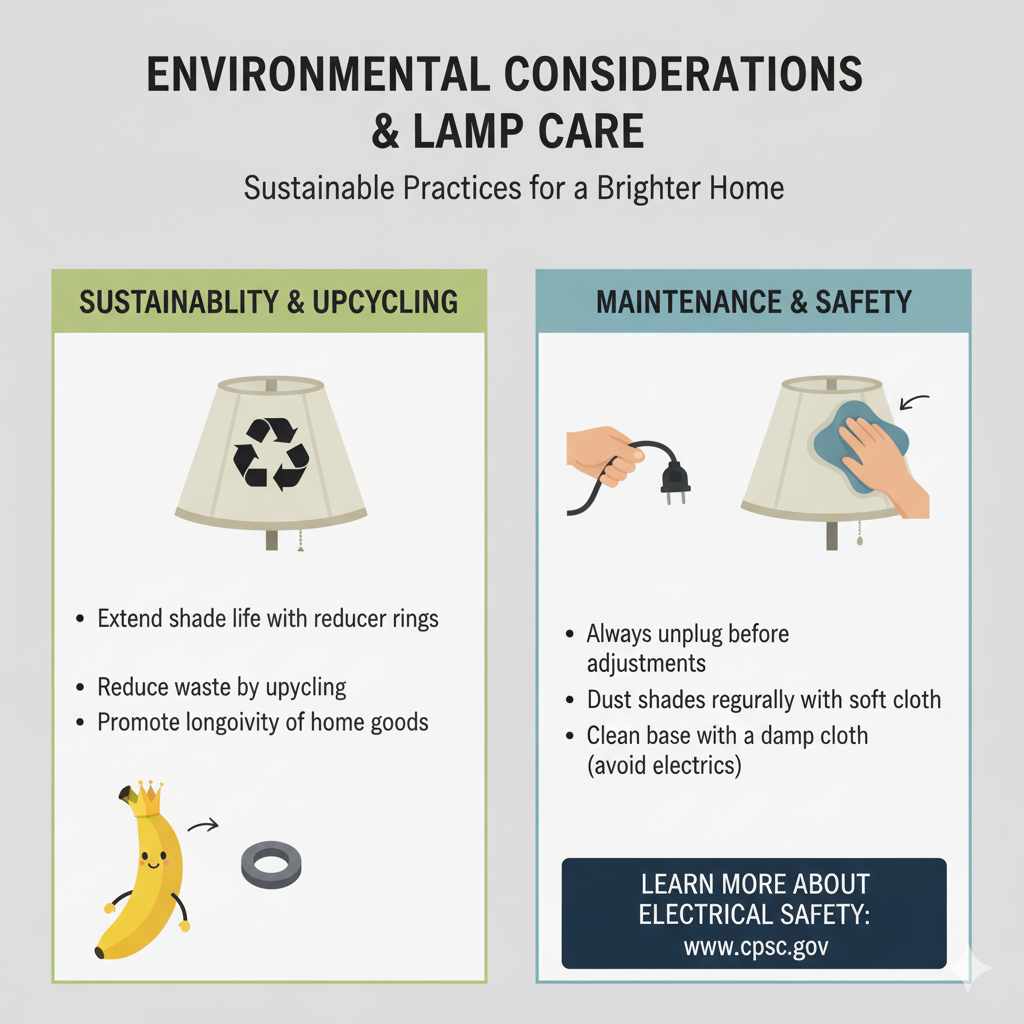
When working on home projects, it’s always good to think about the bigger picture. Lamp shade reducer rings are typically made from durable plastics or metals, which are generally long-lasting. By using a reducer ring, you’re extending the life of a lamp shade that might otherwise be unusable, promoting a form of upcycling. This can be seen as a small step towards reducing waste.
When it comes to lamp care, always ensure your lamp is unplugged before cleaning or making any adjustments. Dusting your lamp shade regularly with a soft brush or microfiber cloth will help maintain its appearance and prevent dust buildup. For the lamp base and harp, a slightly damp cloth can be used, but be careful not to get any moisture into the electrical components.
For more in-depth information on electrical safety and home wiring, resources like the U.S. Consumer Product Safety Commission (CPSC) offer valuable guidance. You can find safety tips and recall information on their website, which is a great reference for any home improvement enthusiast: www.cpsc.gov.
Ensuring your lamps are safe and well-maintained not only makes them last longer but also contributes to a safer home environment.
Frequently Asked Questions (FAQ)
Q1: What is a lamp shade reducer ring?
A lamp shade reducer ring is a small adapter, usually made of plastic or metal, that converts a European-style lamp shade fitter (a ring built into the shade) into a North American-style fitter that can be used with a lamp harp.
Q2: How do I know if I need a reducer ring?
You need a reducer ring if your lamp has a U-shaped metal piece called a harp, and the lamp shade you want to use has an opening designed to sit directly on the lamp’s socket (a European or uno fitter) rather than resting on the harp.
Q3: Where does the reducer ring go?
The reducer ring slides onto the lamp harp. The lamp shade then rests on top of the reducer ring, and the finial screws onto the harp to hold everything securely in place.
Q4: Can I use a reducer ring with any lamp shade?
You can use a reducer ring with any lamp shade that has a European (uno) fitter opening. It won’t work with shades that have a clip-on fitter or a North American spider fitter.
Q5: Are reducer rings universal?
Most reducer rings are designed to fit standard North American lamp harps and common European shade fitter sizes. While there can be slight variations, they are generally quite universal for typical home lamps.
Q6: What if the reducer ring is too loose on the harp?
If the reducer ring feels a bit loose on the harp, you can try wrapping a small amount of electrical tape around the harp before sliding the ring on. This will create a snugger fit. Ensure the finial is tightened properly to hold everything secure.
Q7: Do I need any tools to fit a reducer ring?
Typically, no tools are required. You might need to unscrew and screw back on the finial by hand, which is very simple. The reducer ring itself just slides into place.
Conclusion
Fitting a lamp shade reducer ring is a wonderfully simple solution to a common problem. It’s a testament to how small, clever accessories can make a big difference in our homes, allowing us to customize and personalize our spaces without breaking the bank or needing specialized skills. By understanding the different fitter types and following the straightforward steps, you can confidently adapt your lamp shades and achieve the perfect look for any room.
This small adapter not only saves you money by expanding your shade choices but also empowers you to refresh your decor with ease. So, the next time you fall in love with a lamp shade that seems incompatible, remember the magic of the reducer ring. With a few minutes and minimal effort, you can bring your lighting vision to life, creating a beautifully lit and stylish home that truly reflects your taste. Happy decorating!