How to Fix a Slow Draining Sink
Hey there! If you’ve ever stood by your sink, watching water pool up instead of swirling down the drain, you know how frustrating a slow-draining sink can be. It’s one of those household annoyances that creeps up on you, turning a quick dishwashing session into a test of patience. I’ve dealt with this issue in my own home more times than I’d like to admit, and over the years, I’ve learned a thing or two about fixing it. Whether it’s your kitchen sink clogged with grease or a bathroom sink slowed by hair and soap scum, I’m here to walk you through the steps to get that water flowing smoothly again.
Let’s dive into this guide on how to fix a slow-draining sink, with practical tips and tricks I’ve picked up from my own trial and error. By the end, you’ll feel confident tackling this problem yourself, saving time and maybe even a plumber’s bill!
Understanding Why Your Sink Drains Slowly
Before we grab our tools, let’s talk about why your sink is draining like it’s on a leisurely stroll. Knowing the cause helps you choose the right fix. In my experience, slow drains are usually caused by a buildup of gunk. In the kitchen, grease, food scraps, and soap residue love to stick to the pipes. I once found a chunk of potato peel lodged in my kitchen sink’s trap—yuck! In the bathroom, it’s usually hair, toothpaste, and soap scum forming a stubborn clog. Sometimes, it’s not just gunk.
Mineral deposits from hard water or even a poorly designed drain system can slow things down. I’ve also seen cases where tree roots invade outdoor pipes, but that’s rare for indoor sinks. The point is, identifying the culprit—whether it’s grease, hair, or something else—sets you up for success.
Tools and Supplies You’ll Need
Fixing a slow-draining sink doesn’t require a fancy toolkit, but having the right stuff on hand makes the job easier. Here’s what I keep in my home improvement arsenal for this task:
| Tool/Supply | Purpose |
|---|---|
| Plunger | Clears minor clogs by creating suction. |
| Drain Snake or Zip-It | Breaks up or pulls out stubborn clogs like hair or debris. |
| Bucket | Catches water or gunk when you remove the P-trap. |
| White Vinegar | Breaks down grease and mineral deposits naturally. |
| Baking Soda | Works with vinegar to fizz away organic buildup. |
| Boiling Water | Melts grease and flushes minor clogs. |
| Pipe Brush or Old Toothbrush | Cleans the P-trap or drain opening. |
| Gloves | Keeps your hands clean when dealing with gunk. |
| Adjustable Wrench | Helps remove the P-trap or other fittings. |
I always recommend keeping these items in a toolbox or under the sink. You never know when a clog will strike, and being prepared saves you a trip to the hardware store mid-project.
Step-by-Step Methods to Fix a Slow-Draining Sink
Let’s get to the good stuff—actually fixing that sink. I’ve tried all these methods in my own home, and I’ll walk you through them in the order I’d recommend trying. Start with the easiest fixes and work your way up to the more involved ones.
Try Boiling Water First
This is my go-to starting point because it’s so simple. If your sink is slowed by grease (common in kitchens), boiling water can work wonders. I heat a kettle of water until it’s just boiling, then carefully pour it down the drain in two or three stages, letting it sit for a few seconds between pours. The heat melts grease and flushes small bits of debris. Be careful, though—don’t use boiling water on PVC pipes or porcelain sinks, as it can damage them. I learned this the hard way when I warped a plastic pipe in my old apartment. If you’ve got metal pipes, this method is safe and often does the trick for minor clogs.
Use Baking Soda and Vinegar
If boiling water doesn’t work, I turn to my favorite DIY duo: baking soda and vinegar. It’s like a science fair volcano, but for your drain. Here’s how I do it: I pour about half a cup of baking soda down the drain, followed by a cup of white vinegar. The mixture fizzes like crazy, breaking up organic gunk like soap scum or food residue. I let it sit for 15 minutes, then flush it with a kettle of hot (not boiling) water. This combo has saved my bathroom sink more than once when hair and toothpaste buildup were the culprits. It’s cheap, eco-friendly, and oddly satisfying to watch.
Plunge the Sink
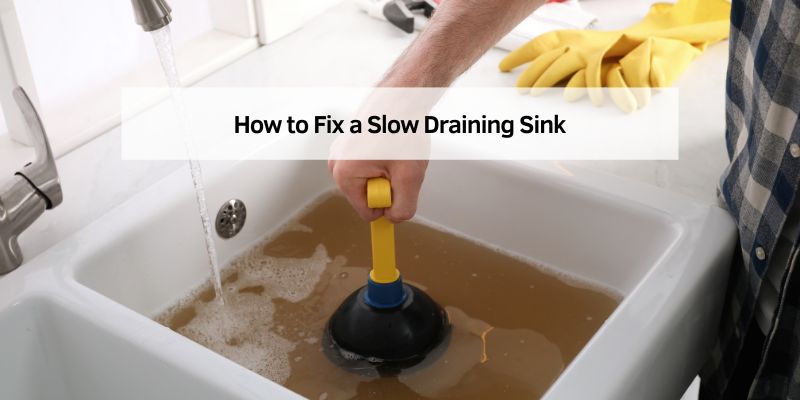
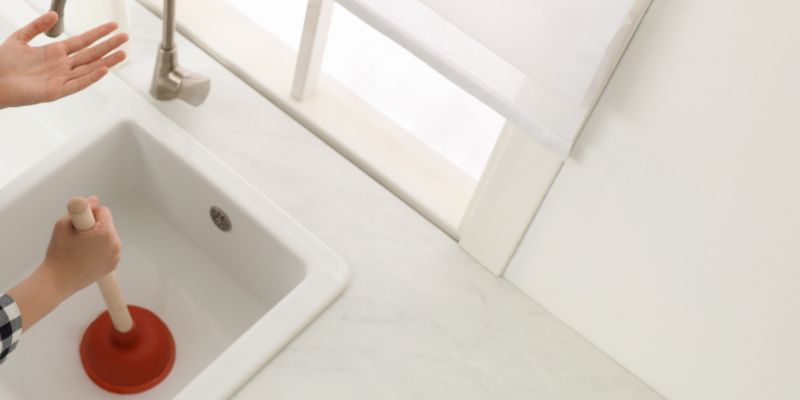
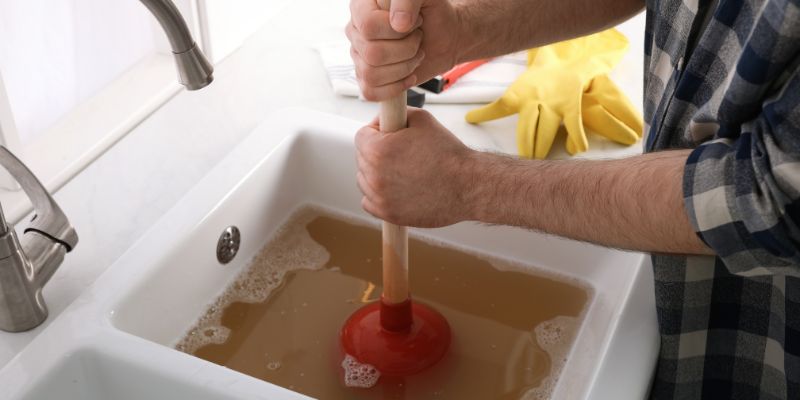
When the natural stuff doesn’t cut it, I grab my plunger. Not the toilet plunger—a small cup plunger works best for sinks. I fill the sink with a few inches of water to create a good seal, then place the plunger over the drain and pump vigorously for about 30 seconds. The suction can dislodge clogs close to the drain opening. I once spent 10 minutes plunging my kitchen sink only to hear a satisfying “glug” as a wad of grease and rice broke free. If you’ve got a double sink, plug the other drain with a rag or stopper to maximize pressure. It’s a bit of a workout, but it often works for stubborn clogs.
Use a Drain Snake or Zip-It Tool
If plunging fails, it’s time to get hands-on with a drain snake or a Zip-It tool. I love the Zip-It for bathroom sinks because it’s a cheap, plastic tool with barbs that grab hair. I just slide it into the drain, twist it around, and pull it out—usually with a gross clump of hair and gunk. For tougher clogs deeper in the pipes, a drain snake (a flexible metal cable) is my go-to. I feed it into the drain, crank the handle, and work it until I feel resistance break. It takes some elbow grease, but I’ve cleared some nasty kitchen clogs this way. Just be gentle to avoid scratching your sink or pipes.
Clean the P-Trap
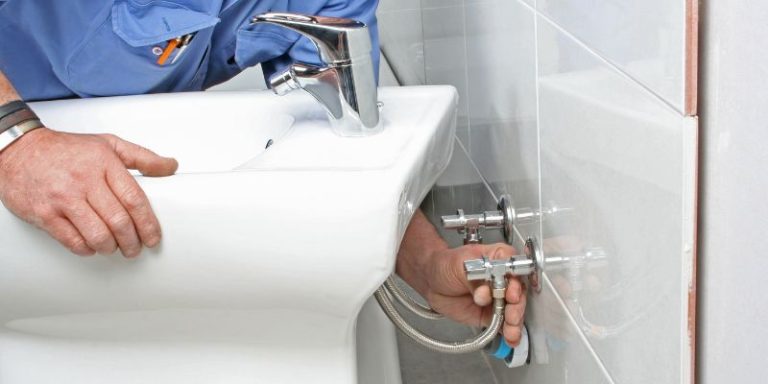
If none of the above work, it’s time to roll up your sleeves and check the P-trap—that U-shaped pipe under your sink. I always place a bucket underneath to catch any water or gunk. Using an adjustable wrench, I loosen the slip nuts and remove the trap. The first time I did this, I was shocked at the slimy mess inside—think grease, food bits, and even a stray earring! I clean it out with a pipe brush or old toothbrush, rinse it, and reattach it tightly. This step fixes most slow drains in my experience, especially when the clog is right in that bend.
Check for Deeper Pipe Issues
If your sink is still draining slowly, the problem might be deeper in your plumbing. This is where I start to feel like a detective. A clog in the main drain line or vent issues could be to blame. I once had a slow kitchen sink that turned out to be caused by a blocked vent pipe on my roof—yep, plumbing can get weird! For deeper clogs, a longer drain snake or an auger might help. If you’re not comfortable tackling this, it’s okay to call a plumber. I’ve learned that some jobs are worth the professional touch, especially if tree roots or old pipes are involved.
Preventing Future Slow Drains
Once your sink is flowing freely, you’ll want to keep it that way. I’ve picked up a few habits that help prevent clogs. First, I always use a drain strainer in my kitchen and bathroom sinks. These catch food scraps, hair, and other debris before they go down the drain. I also avoid pouring grease down the kitchen sink—instead, I collect it in a jar and toss it in the trash. Running hot water after each use helps flush out minor buildup. Every few months, I do a maintenance flush with baking soda and vinegar to keep things fresh. These small steps have saved me from countless clogs over the years.
When to Call a Professional
I’m all about DIY, but sometimes a slow-draining sink is a sign of a bigger issue. If you’ve tried everything and the drain is still sluggish, or if multiple drains in your home are slow, it might be time to call a plumber. I had to do this once when my entire house’s plumbing was acting up—turned out, a main line clog was the issue. A professional can use tools like a sewer camera to diagnose problems deep in the system. It’s not cheap, but it’s worth it for peace of mind and a properly functioning home.
Safety Tips While Fixing Your Sink
Fixing a slow drain is pretty straightforward, but I always take a few precautions. Wear gloves to avoid touching gross gunk or harsh chemicals if you use a commercial drain cleaner (though I prefer natural methods). Keep your workspace well-ventilated, especially if you’re using vinegar or other strong-smelling solutions. When working under the sink, make sure the water is turned off to avoid surprises. And never mix cleaning products—some combos, like bleach and ammonia, can create toxic fumes. I learned that one from a near-miss in my early DIY days!
Why Fixing a Slow Drain Matters
A slow-draining sink isn’t just annoying—it can lead to bigger problems. Standing water can breed bacteria or mold, especially in a bathroom. In the kitchen, it can make food prep a hassle and even attract pests. Plus, a clog that’s ignored can worsen, causing backups or pipe damage. By fixing it early, you save time, money, and stress. I’ve found that tackling these small issues right away keeps my home running smoothly and gives me a little boost of accomplishment.
Conclusion
Fixing a slow-draining sink might seem daunting at first, but trust me—it’s a project most of us can handle with a little patience and the right approach. From pouring boiling water to cleaning out the P-trap, I’ve shared the methods that have worked for me time and time again. There’s something satisfying about solving a household problem with your own two hands, isn’t there?
By following these steps, you can get your sink back to its speedy self and keep it that way with simple maintenance. So, grab your plunger or baking soda, roll up your sleeves, and give it a go. You’ve got this! And if you hit a snag, don’t hesitate to call a pro—sometimes, that’s the smartest move. Here’s to clear drains and a happier home!
FAQs
Why does my sink drain slowly even after cleaning?
Sometimes, the clog is deeper in the pipes, beyond what a plunger or snake can reach. I’ve had this happen when grease or debris builds up in the main drain line. It could also be a venting issue, where air isn’t flowing properly through the system. Try using a longer drain snake, but if that doesn’t work, a plumber might need to check for blockages or pipe damage.
Can I use chemical drain cleaners?
I’m not a big fan of chemical drain cleaners because they can be harsh on pipes and the environment. But if you use one, follow the instructions carefully and never mix products. I’ve found that natural methods like baking soda and vinegar work just as well for most clogs, and they’re safer for your home.
How often should I clean my sink’s drain?
I do a quick maintenance clean every three months or so, using baking soda and vinegar followed by hot water. If you notice the drain slowing down, act sooner. Using a drain strainer daily also helps keep gunk from building up in the first place.
What if my bathroom and kitchen sinks are both slow?
If multiple drains are slow, the issue might be in your main drain line or sewer system. I had this problem once, and it turned out to be a clog in the main pipe. You can try snaking the main line if you have the tools, but this is usually a job for a plumber with specialized equipment.
Can hard water cause a slow-draining sink?
Yes, hard water can leave mineral deposits that narrow your pipes over time. I’ve seen this in older homes especially. Regular cleaning with vinegar can help dissolve these deposits. If it’s a persistent problem, a water softener might be worth considering.