How to Get Broken Key Out of Door Lock: Effortless Fix
Quick Summary:
Don’t panic if a key breaks in your door lock! With a few common household items and a steady hand, you can often remove the broken piece yourself. This guide provides simple, step-by-step methods to get that broken key out effortlessly, saving you time and money on locksmith calls.
It’s a frustrating moment: you’re trying to unlock your door, and suddenly, the key snaps, leaving a piece stuck inside. This happens more often than you might think, and it can leave you feeling stranded and worried. But before you call for professional help, know that there are several easy, DIY methods you can try right at home. These techniques are designed for beginners, using tools you likely already have. We’ll walk you through each step, making the process clear and stress-free. Let’s get that door open!
Why Do Keys Break in Locks?
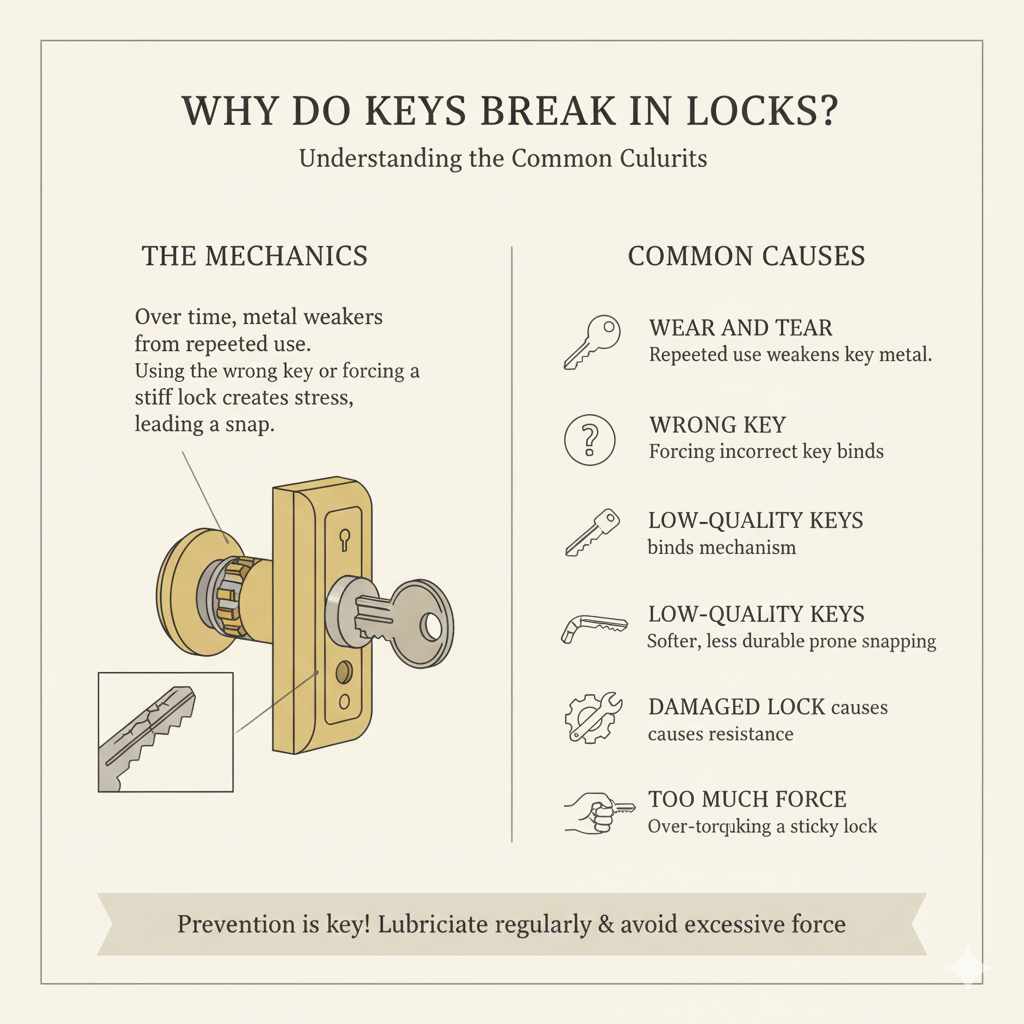
Keys can break for a variety of reasons, and understanding them can help prevent future incidents. The most common culprits include:
- Wear and Tear: Over time, the metal of a key can weaken from repeated use, especially if it’s a frequently used lock.
- Using the Wrong Key: Forcing a key that isn’t the correct one for the lock can put undue stress on the key and the lock mechanism.
- Low-Quality Keys: Some keys are made from less durable materials, making them more prone to snapping.
- Damaged Lock Mechanism: If the lock itself is stiff or damaged, it can cause resistance, leading to a key breaking when you try to turn it.
- Applying Too Much Force: Sometimes, we just try to turn the key too hard, especially if the lock is a bit sticky.
Knowing these common causes can help you be more mindful of how you use your keys and locks. For instance, always ensure you’re using the correct key and avoid excessive force. If a lock feels particularly stiff, it might be worth lubricating it with a graphite-based lubricant, which is recommended for lock mechanisms by sources like the Associated Locksmiths of America (ALOA).
Essential Tools You Might Need
The good news is you don’t need a fancy toolkit to tackle this problem. Most of these methods rely on common household items or simple tools that are easy to find. Here’s a list of what might come in handy:
- Pliers: Needle-nose pliers are ideal for gripping and pulling.
- Tweezers: Strong, pointed tweezers can sometimes grab a small piece of the key.
- Paperclip or Safety Pin: These can be bent and used to gently maneuver the key fragment.
- Jigsaw Blade or Thin Saw Blade: A very thin, serrated blade can sometimes grip the broken key.
- Super Glue: Used sparingly, it can help attach a tool to the broken key.
- Lubricant: A spray lubricant (like WD-40, though graphite is often preferred for locks) can help loosen things up.
- Hammer: A small hammer or the handle of a screwdriver can be used for gentle tapping.
- Another Key: Sometimes, a spare key can be used to push the broken piece out.
Having these items ready will make the process smoother. It’s always a good idea to have a few basic tools around the house for minor home repairs. If you’re looking to build a more comprehensive DIY toolkit, resources like those from This Old House offer great recommendations for beginners.
Step-by-Step: Getting That Broken Key Out
Let’s dive into the practical methods. Remember to stay calm and work gently. Forcing things can sometimes make the problem worse.
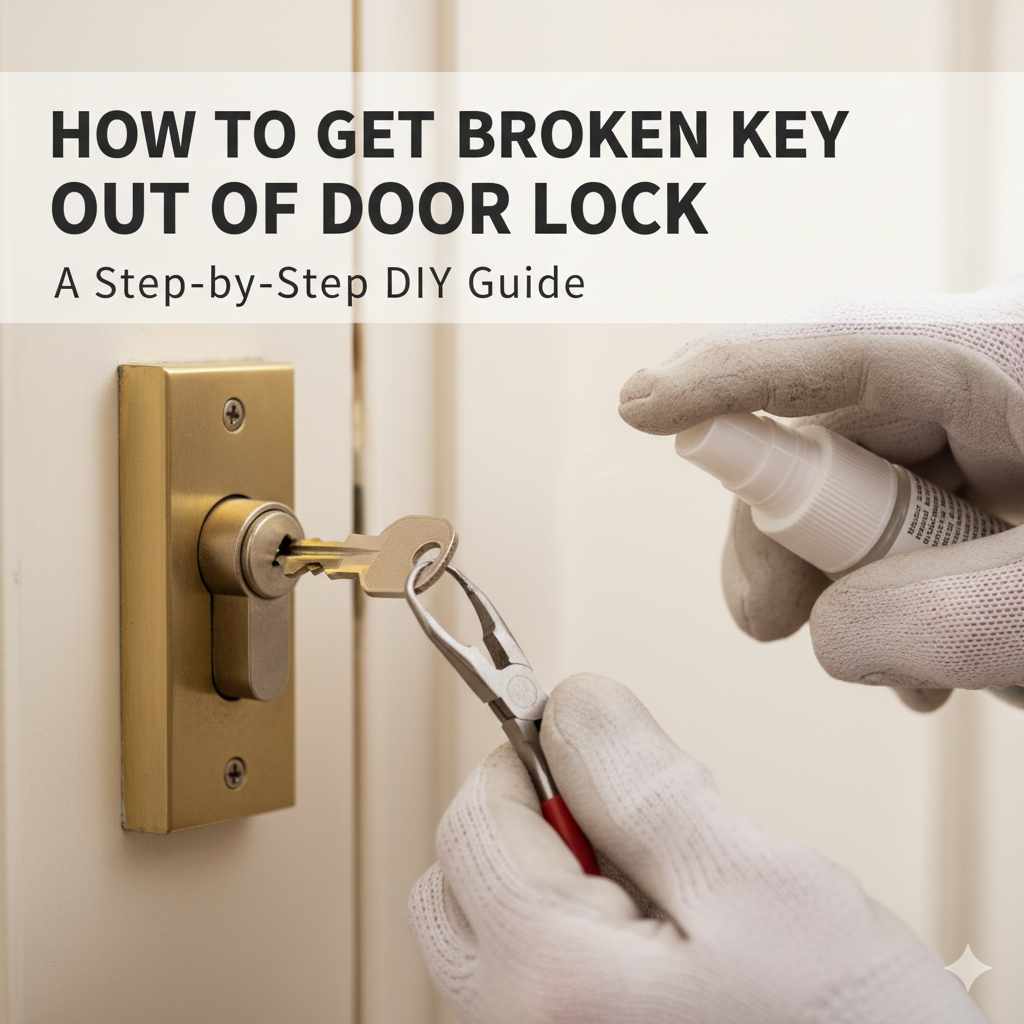
Method 1: The Pliers or Tweezers Pull
This is often the simplest and most effective method if a good portion of the key is still sticking out of the lock.
- Assess the Situation: Look closely at the lock. Is any part of the broken key visible and accessible? If there’s even a tiny bit sticking out, this method is your best bet.
- Apply Lubricant (Optional but Recommended): Spray a small amount of lubricant into the keyway. This can help the broken piece slide out more easily. Let it sit for a minute.
- Grip Firmly: Use needle-nose pliers or strong tweezers to get a firm grip on the exposed part of the key.
- Pull Straight Out: Gently but firmly, pull the key fragment straight out of the lock. Avoid wiggling side-to-side too much, as this could jam it further.
- If It Doesn’t Budge: If it’s stuck fast, try wiggling it very slightly while pulling. Sometimes a tiny bit of movement is all it needs.
This method is great because it requires minimal tools and is very straightforward. It’s the first thing to try if you have any grip on the broken key piece.
Method 2: The Jigsaw Blade or Thin Saw Trick
If the key is broken off flush with the lock face, or just slightly recessed, a thin saw blade can be a lifesaver.
- Choose Your Blade: Find a very thin jigsaw blade or a small, thin hacksaw blade. The finer the teeth, the better. You want it thin enough to slide into the keyway alongside the broken key.
- Insert the Blade: Carefully slide the blade into the lock, with the teeth facing outwards, alongside the broken key piece. Aim to get it as deep as possible.
- Create Grip: Gently try to hook the teeth of the blade onto the edges of the broken key. You’re essentially trying to create a small barb that will catch the metal.
- Pull and Extract: Once you feel the blade has a slight grip, carefully pull the blade (and hopefully the key fragment) straight out of the lock. You might need to try this a few times, adjusting the angle of the blade.
- Patience is Key: This method requires a bit of finesse. Don’t force the blade or the key. If it feels like you’re damaging the lock, stop and try another method.
This technique works by using the serrations on the blade to snag the broken key fragment. It’s a clever way to get a grip when there’s nothing to hold onto.
Method 3: The Super Glue Method (Use with Caution!)
This is a more advanced technique and carries a risk of gluing your lock shut if not done carefully. Only attempt this if other methods have failed and you’re comfortable with the risk.
- Prepare Your “Handle”: Find a small, sturdy object that you can easily hold, like the head of a paperclip, a small piece of wire, or even the end of another key (if it’s not the one that broke!).
- Apply a Tiny Amount of Glue: Put a very, very small drop of super glue onto the end of your chosen “handle” object. Less is more here! You don’t want glue oozing everywhere.
- Carefully Insert: Gently insert the glued end of the object into the lock, directly onto the broken key fragment. Make sure the glue only touches the key fragment and not the sides of the lock mechanism.
- Hold Steady: Press the object firmly against the key fragment and hold it in place. Do not move it! You need to let the glue cure completely. This usually takes a few minutes, but check the glue’s instructions.
- Gentle Extraction: Once the glue is fully dry, carefully try to pull the object (and hopefully the attached key fragment) straight out of the lock.
- What If It Fails or Glues the Lock? If it doesn’t work, or if you accidentally get glue in the lock, you might need to call a locksmith. Sometimes, a locksmith can use specialized tools to dissolve the glue.
This method is effective because it creates a strong bond between your tool and the broken key. However, the risk of accidentally gluing the lock mechanism means it’s a last resort for many.
Method 4: The Tapping and Pushing Technique
This method is useful if the key is broken, but you can still see a bit of it, and you have access to the back of the lock (like on some gate locks or interior doors).
- Lubricate: Spray some lubricant into the keyway.
- Find a “Pushing” Tool: Use something thin and sturdy, like a thin screwdriver or a straightened paperclip, to gently push on the broken key fragment from the back if possible.
- Gentle Tapping: If you can’t push from the back, you can try a different approach. Insert a thin tool (like a thin metal skewer or a stiff wire) alongside the broken key. Gently tap the end of the tool with a small hammer or the handle of a screwdriver. The idea is to vibrate the key fragment loose.
- Combine with Pulling: While tapping, you might be able to use pliers or tweezers to gently pull the fragment out as it loosens.
This method relies on vibration and a bit of leverage to dislodge the stubborn piece. It’s often used in conjunction with other methods.
Method 5: Using Another Key
This is a less common but sometimes effective method, especially if the key broke off at an angle and you can still see a significant portion of the break.
- Lubricate: Apply lubricant to the lock.
- Insert the Second Key: Take a spare key (ideally one that fits the lock well) and carefully insert it into the lock, trying to align it with the broken key fragment.
- Gently Push or Lever: The goal is to use the second key to either push the broken piece out from behind, or to lever it out if you can get a slight purchase on it.
- Careful Maneuvering: This requires a delicate touch. You don’t want to push the broken piece further in or damage the lock.
This method is about using one piece of metal to interact with another. It’s a bit like picking a lock, but with the intention of extraction rather than opening.
When to Call a Locksmith
While these DIY methods are often successful, there are times when it’s best to call a professional. You should consider calling a locksmith if:
- None of the DIY methods work: If you’ve tried several techniques without success, it’s time to admit defeat and get expert help.
- The lock is valuable or complex: For high-security locks, antique locks, or very expensive lock systems, it’s safer to let a professional handle it.
- You’re uncomfortable with the risk: If you’re worried about damaging the lock further, a locksmith has the tools and expertise to avoid this.
- The key is broken deep inside: If the fragment is completely out of reach, a locksmith will have specialized tools to retrieve it.
- The lock is damaged: If you suspect the lock mechanism itself is faulty, a locksmith can diagnose and repair or replace it.
Locksmiths have specialized tools and extensive knowledge of lock mechanisms. They can often extract broken keys quickly and efficiently, and they can also advise on whether the lock needs repair or replacement. For peace of mind and to avoid potentially costly mistakes, calling a locksmith is sometimes the smartest choice.
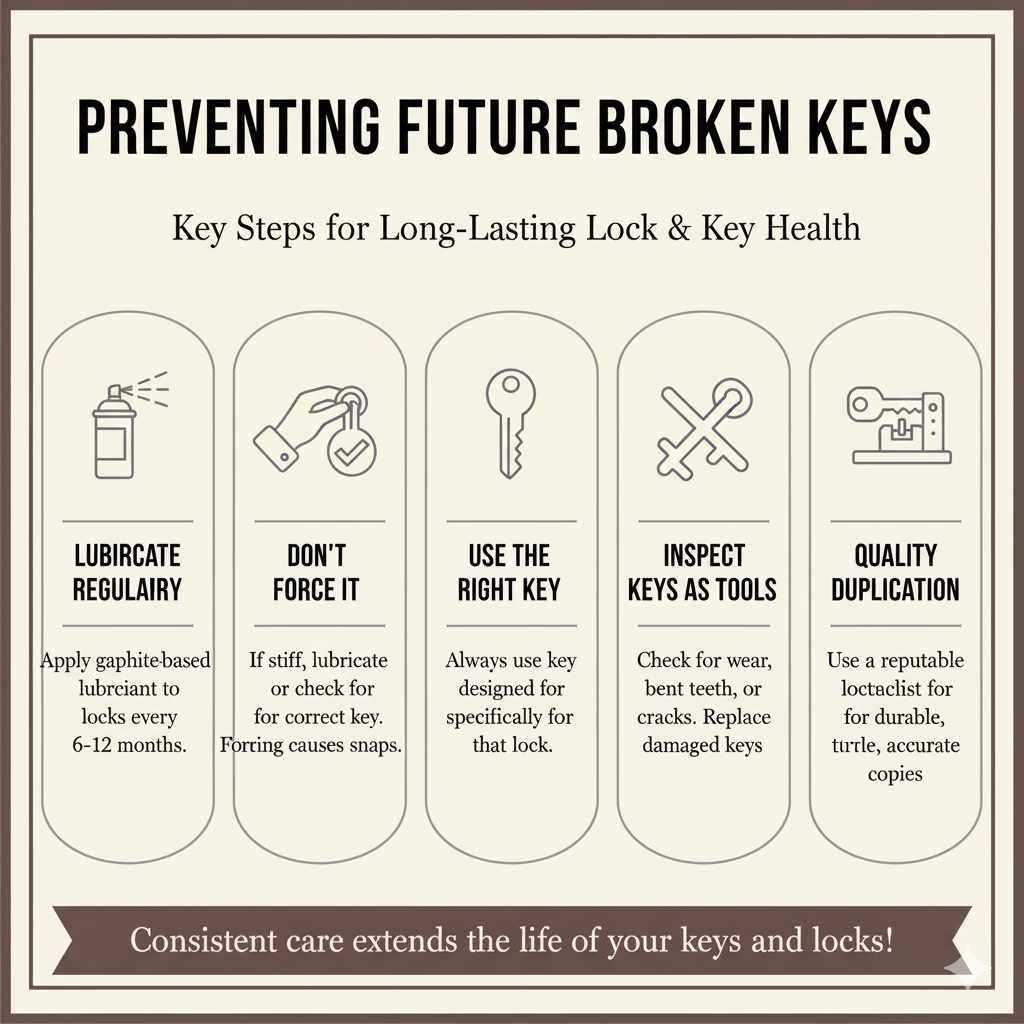
Preventing Future Broken Keys
Once you’ve successfully extracted the broken key, you’ll want to avoid this situation in the future. Here are some tips:
- Lubricate Regularly: Use a graphite-based lubricant designed for locks (available at most hardware stores) every 6-12 months. This keeps the tumblers moving smoothly and reduces strain on keys.
- Don’t Force It: If a key is difficult to turn, don’t force it. Try lubricating the lock or check if you’re using the correct key. Forcing a stiff lock is a common way to break a key.
- Use the Right Key: Always use the key specifically designed for that lock.
- Avoid Using Keys as Tools: Never use your key to pry things open, scrape paint, or perform other tasks it wasn’t designed for.
- Inspect Your Keys: Look for signs of wear, such as bent teeth or cracks. If a key looks damaged, get a replacement made before it breaks.
- Consider Key Duplication Quality: When getting keys duplicated, use a reputable locksmith or hardware store. Poorly cut duplicates can wear out faster or not work smoothly.
Taking these simple preventative measures can significantly extend the life of your keys and locks, saving you from future headaches.
FAQ: Broken Key in Lock
Q1: How do I know if I can fix a broken key myself?
A1: If a piece of the key is sticking out of the lock, or if the lock feels relatively smooth and not overly stiff, you have a good chance of fixing it yourself. If the key is broken deep inside and you can’t see or feel any part of it, it might be more challenging.
Q2: What’s the best lubricant to use for locks?
A2: Graphite-based lock lubricants are generally recommended by locksmiths as they don’t attract dust and debris like oil-based lubricants can. You can find them at most hardware stores.
Q3: Can I use WD-40 to get a broken key out?
A3: Yes, WD-40 can help loosen a stuck key fragment due to its penetrating properties. However, it’s not ideal for long-term lock lubrication, as it can attract dirt. It’s best to clean out any WD-40 residue once the key is out and then use a graphite lubricant.
Q4: How deep can a locksmith reach to get a broken key?
A4: Locksmiths have specialized tools, such as key extractors, that allow them to reach deep into the lock cylinder to retrieve broken key fragments that are otherwise inaccessible.
Q5: What if the broken key is for a car door?
A5: Extracting a broken key from a car door lock can be more complex, especially with modern car security systems. While some of these DIY methods might work, it’s often advisable to contact a qualified automotive locksmith or dealership, as damaging the ignition or door lock can be costly to repair.
Q6: Is it possible to break the lock itself trying to remove the key?
A6: Yes, it is possible. If you apply too much force, use the wrong tools, or try to pry the key out aggressively, you could damage the internal mechanisms of the lock. This is why gentle, precise movements are crucial.
Q7: How much does a locksmith typically charge to remove a broken key?
A7: The cost can vary depending on your location, the time of day (emergency calls are usually more expensive), and the complexity of the lock. However, for a simple broken key extraction, you might expect to pay anywhere from $50 to $150, plus any potential charges for lock repair or replacement if needed.
Conclusion
Dealing with a broken key in your door lock can be a real nuisance, but as we’ve seen, it’s often a problem you can solve yourself with a little patience and the right approach. From the simple pliers pull to the more intricate jigsaw blade method, there are several accessible techniques that can save you a call to the locksmith. Remember to work gently, use lubricant if needed, and never force anything. By following these steps, you can regain access to your home and feel confident in your ability to handle minor DIY challenges. And for those times when the DIY route just isn’t working or feels too risky, knowing when to call a professional locksmith is just as important. With these tips, you’re well-equipped to tackle a broken key situation like a pro!