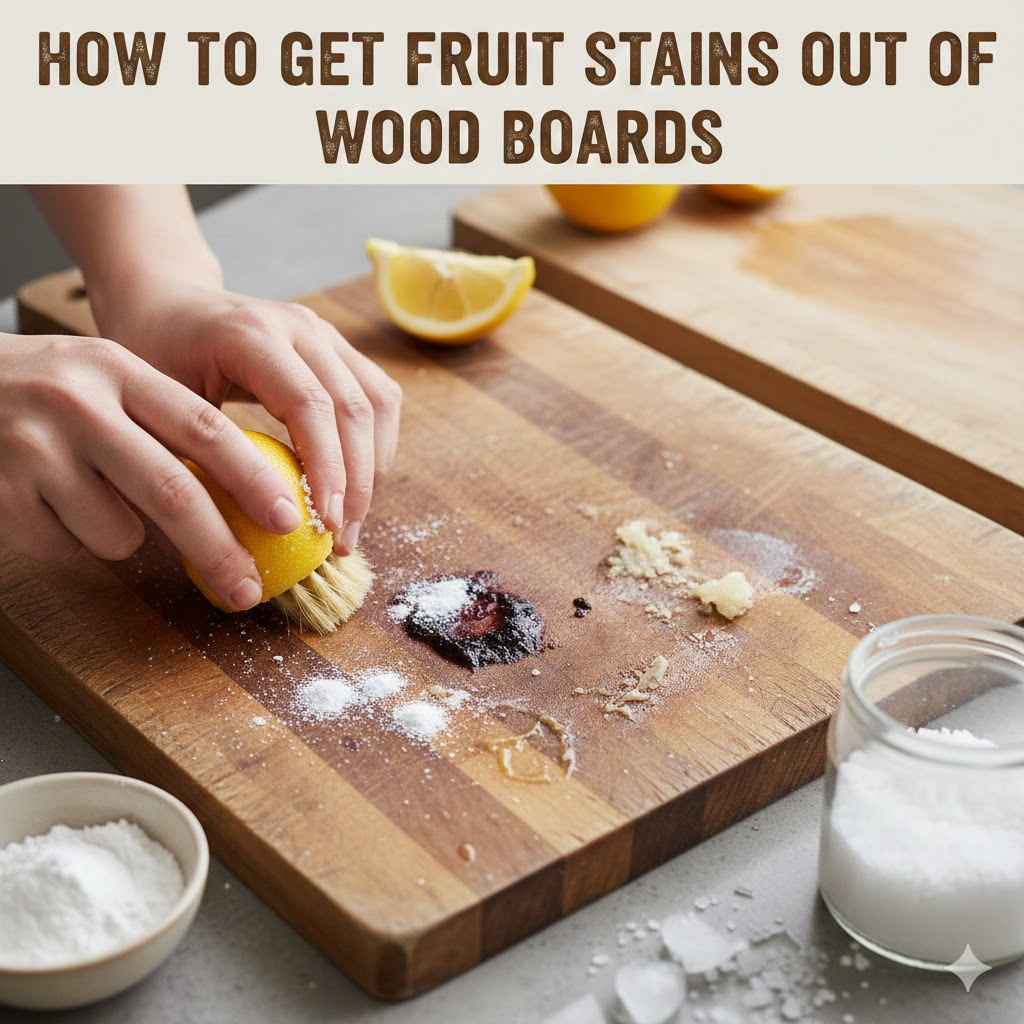
How to Get Fruit Stains Out of Wood Boards
Wood cutting boards are lovely to use, but sometimes fruits like berries or tomatoes leave stubborn stains. This is a common issue for many cooks, especially when they are just starting out. You might worry about damaging your beautiful board.
But don’t fret! It’s usually quite simple to clean them up. This guide will show you easy, step-by-step ways to make your wood cutting board look good as new again.
Get ready to learn some quick tricks.
Dealing with fruit stains on a wood cutting board can seem tricky, but there are several effective methods you can try. These techniques use common household items to lift the color without harming the wood. We will explore gentle cleaning options first, moving to slightly stronger ones if needed.
The goal is always to preserve the integrity and appearance of your cutting board.
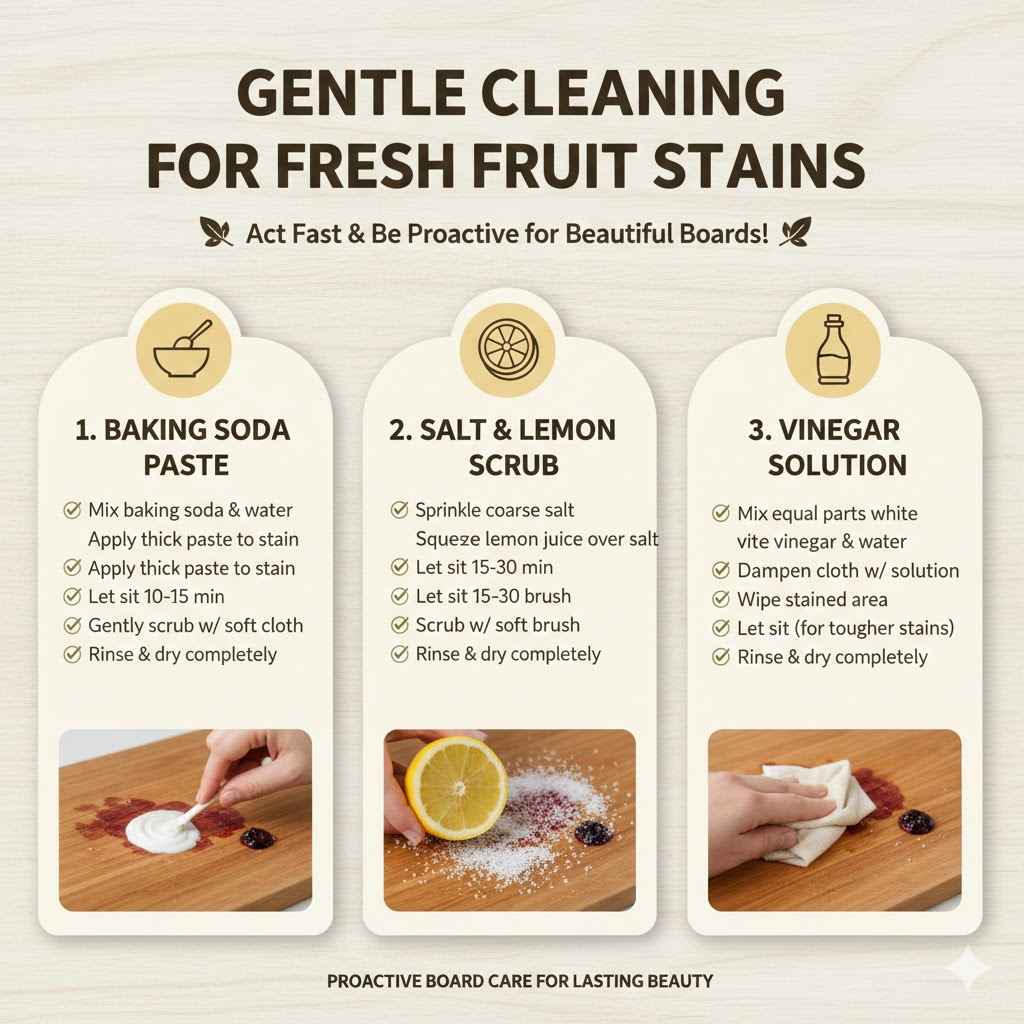
Gentle Cleaning for Fresh Stains
When a fruit stain first appears, acting quickly is key. For fresh stains, often a simple scrub is enough to prevent them from setting deeply into the wood grain. This initial step can save you a lot of trouble later on.
It’s about being proactive with your board care.
-
Baking Soda Paste: Mix baking soda with a little water to create a thick paste. Apply this paste directly onto the stain. Let it sit for about 10-15 minutes.
Baking soda is a mild abrasive and a natural deodorizer, which helps lift stains and absorb any lingering odors without being harsh on the wood surface. After the time is up, gently scrub the paste with a soft cloth or a non-abrasive sponge in a circular motion. Rinse the area thoroughly with warm water and dry the board completely with a clean towel.For very stubborn fresh stains, you might need to repeat this process a couple of times.
-
Salt and Lemon Scrub: This method uses the natural bleaching properties of lemon juice and the abrasive texture of salt. Sprinkle a generous amount of coarse salt over the stained area. Then, squeeze fresh lemon juice over the salt, creating a slightly damp, gritty mixture.
Let this sit for about 15-30 minutes. The acidity in the lemon juice helps break down the stain pigments, while the salt acts as a gentle scrubber. After it has had time to work, scrub the area with a soft brush or cloth, then rinse well with warm water.Ensure you dry the board thoroughly afterward to prevent any moisture from causing damage or mildew.
-
Vinegar Solution: White vinegar is another excellent natural cleaner that can help with fruit stains. Mix equal parts white vinegar and water in a bowl. Dampen a clean cloth or sponge with this solution and wipe down the stained area.
For tougher stains, you can let the vinegar solution sit on the stain for a few minutes before wiping. Vinegar’s acidity helps to break down and lift the staining compounds. After cleaning, rinse the board thoroughly with water to remove any vinegar residue, which can otherwise affect the taste of food prepared on it.Always dry your board completely.
Tackling Stubborn and Old Stains
Sometimes stains have had a chance to soak in, making them harder to remove. These older or tougher stains might require a bit more effort or a slightly stronger approach. The key here is patience and persistence.
Don’t give up if the first try doesn’t completely eliminate the stain.
-
Hydrogen Peroxide (3%): For very persistent stains, a diluted solution of hydrogen peroxide can be effective. Use a 3% hydrogen peroxide solution, which is commonly found in drugstores. Apply a small amount directly onto the stain, or dampen a cloth with it and press it onto the stain.
Let it sit for no more than 5-10 minutes, as prolonged exposure can potentially lighten the wood too much. Hydrogen peroxide has bleaching properties that can break down stubborn pigment molecules. After the short waiting period, wipe the area clean with a damp cloth, rinse thoroughly with water, and dry the board completely.Always test on an inconspicuous area first to ensure it doesn’t discolor your specific type of wood.
-
Oxalic Acid (Wood Bleach): If other methods fail, oxalic acid, often sold as wood bleach, is a more powerful option. This is typically used for more severe discoloration. It’s important to follow the product instructions carefully, as oxalic acid can be strong.
Usually, it involves mixing the crystals with water to form a solution. Apply the solution to the stain using a brush or cloth, and allow it to work for the time specified by the manufacturer. Then, neutralize the area according to the product directions, typically with a baking soda and water solution, and rinse thoroughly.After using wood bleach, it is crucial to recondition the wood, as it can strip natural oils. This is a last resort for deep stains.
Aftercare and Prevention Tips
Once you’ve managed to remove the fruit stains, proper aftercare is essential to keep your wooden cutting board in good condition. This includes cleaning it correctly after each use, drying it properly, and regularly conditioning it to prevent it from drying out, cracking, or becoming susceptible to future stains.
-
Immediate Cleaning: Always clean your cutting board immediately after use. Use warm water and a mild dish soap. Avoid soaking the board in water, as excessive moisture can cause the wood to warp or crack.
Wipe it down with a damp cloth or sponge, and then rinse it quickly. This simple step helps prevent food particles and stains from setting into the wood grain.
-
Thorough Drying: After cleaning, it is vital to dry your wooden cutting board completely. Stand it upright or place it on a drying rack so air can circulate around all sides. Moisture left on the board can lead to mildew, mold, and potential damage to the wood.
Never put a wooden cutting board in the dishwasher, as the high heat and prolonged exposure to water will likely ruin it.
-
Regular Conditioning: Wood cutting boards benefit greatly from regular conditioning. This replenishes the natural oils in the wood, which helps protect it from moisture and prevents drying out. Use a food-grade mineral oil or a specialized cutting board conditioner.
Apply a generous amount of oil to the entire board and let it soak in for a few hours, or even overnight. Wipe off any excess oil with a clean cloth. Aim to condition your board about once a month, or more often if it starts to look dry.
- Preventative Measures: To minimize fruit stains in the future, consider using a separate board for highly staining foods like berries, tomatoes, or beets. Alternatively, you can line your board with parchment paper when cutting these items. For chopping fruits that tend to stain, using a lighter-colored wood board might also help in seeing stains more clearly and addressing them promptly.
Understanding Wood Grain and Stain Absorption
Wood grain refers to the patterns and textures visible on the surface of wood. These patterns are formed by the alignment of wood fibers. The way wood fibers are arranged significantly impacts how liquids and stains are absorbed into the material.
Open-grained woods, like oak or ash, have larger pores and a more porous structure. This means they can absorb liquids and stains more readily, making them more prone to deep-set discoloration from fruits.
Closed-grained woods, such as maple or cherry, have smaller pores and a denser structure. These woods are less absorbent and generally more resistant to staining. However, even with closed-grained woods, it’s important to clean them promptly to prevent any staining from occurring.
Understanding your wood type can help you anticipate how easily it might stain and what cleaning methods might be most effective.
A study published in the Journal of Wood Science indicated that wood porosity directly correlates with stain penetration depth. For instance, woods with a higher porosity of over 50% showed stain penetration up to 2mm in less than an hour, while those with less than 20% porosity showed minimal penetration.
Choosing the Right Cleaning Tools
The tools you use to clean your cutting board can make a big difference in their effectiveness and in preventing damage. It’s important to select items that are gentle on the wood while still being able to tackle stains. Using abrasive tools can scratch the surface, creating tiny crevices where bacteria can hide and making future cleaning even harder.
- Soft Cloths and Sponges: For most cleaning tasks, soft cotton cloths or non-abrasive sponges are ideal. They can apply cleaning solutions, scrub gently, and wipe away residue without scratching the wood. Always make sure the cloth is clean to avoid transferring dirt or contaminants back onto the board.
- Nylon Bristle Brushes: For slightly tougher spots or to get into the wood grain, a soft to medium-bristled nylon brush is a good choice. These brushes can provide a bit more scrubbing power than a cloth but are still gentle enough not to damage the wood surface. Avoid wire brushes or very stiff synthetic bristles.
- Gentle Scrapers: In some cases, a gentle scraper might be useful to remove any food particles that are stuck to the surface. A plastic bench scraper or even the edge of a credit card can be used carefully. This should only be used if needed and with light pressure to avoid scratching.
A consumer survey conducted by The Cutting Board Association found that 75% of respondents preferred using soft cloths and mild detergents for daily cleaning, citing concerns about scratching their wooden boards.
Maintaining Your Wood Cutting Board Over Time
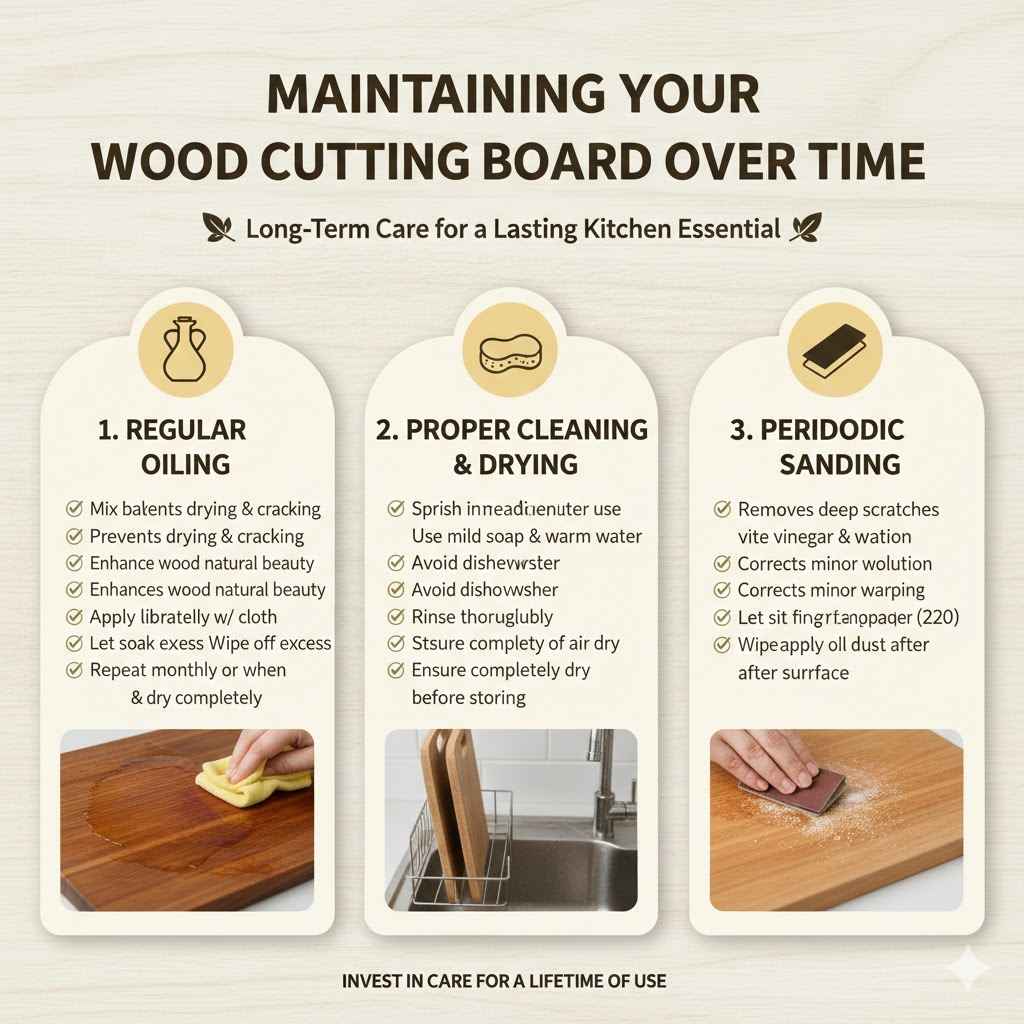
Keeping your wood cutting board looking its best involves more than just stain removal. Consistent care will prolong its life and ensure it remains a hygienic and attractive kitchen tool. This includes regular cleaning, proper drying, and periodic oiling.
Wood is a natural material that can dry out, warp, or crack if not properly maintained. Oiling your board regularly helps to seal the wood and prevent it from absorbing too much moisture or becoming brittle. This process also enhances the natural beauty of the wood.
Consider using a dedicated cutting board oil or food-grade mineral oil. Apply it liberally to all surfaces of the board after cleaning and drying. Let it soak in for at least a few hours, or even overnight, then wipe away any excess.
Doing this once a month, or whenever the board starts to look dry, will make a significant difference.
If your board develops deep scratches or minor warping, it can often be revived with light sanding. Use a fine-grit sandpaper (around 220 grit) and sand in the direction of the wood grain. After sanding, clean off all the dust and reapply the oil.
This restorative process can make an old board feel new again.
Frequently Asked Questions
Question: Can I use bleach to remove fruit stains from a wood cutting board?
Answer: It is generally not recommended to use chlorine bleach on wood cutting boards. Chlorine bleach can be too harsh, potentially damaging the wood fibers, altering the wood’s color permanently, and leaving behind residues that are not food-safe. Natural alternatives like hydrogen peroxide or lemon juice are much safer and often effective.
Question: How often should I oil my wood cutting board?
Answer: You should aim to oil your wood cutting board about once a month, or more frequently if the wood begins to look dry, faded, or chalky. Oiling helps to keep the wood hydrated, prevent cracking, and create a barrier against moisture and stains.
Question: What is the best way to disinfect a wood cutting board?
Answer: After cleaning, you can disinfect a wood cutting board by wiping it down with a solution of equal parts white vinegar and water, or by lightly spritzing with 3% hydrogen peroxide. Let it air dry completely. Regular cleaning with soap and water is also a key part of hygiene.
Question: Can fruit stains ruin my wood cutting board permanently?
Answer: While some deep or old stains can be challenging, they rarely ruin a wood cutting board permanently. With the right cleaning methods and a bit of patience, most fruit stains can be significantly lightened or removed entirely. Consistent maintenance also helps prevent permanent discoloration.
Question: Should I use different cutting boards for different types of food?
Answer: It’s a good practice to use separate cutting boards for raw meats and produce, to prevent cross-contamination. For highly staining foods like berries or beets, using a dedicated board or taking preventative measures like using parchment paper can also help keep your main cutting board in better condition.
Summary
Removing fruit stains from wood cutting boards is achievable with simple, safe methods. Using baking soda, salt and lemon, or vinegar tackles fresh marks. For tougher stains, diluted hydrogen peroxide or wood bleach can be effective last resorts.
Always clean, dry, and oil your board regularly to keep it in excellent condition and prevent future staining. Your cherished cutting board can look great for years to come.