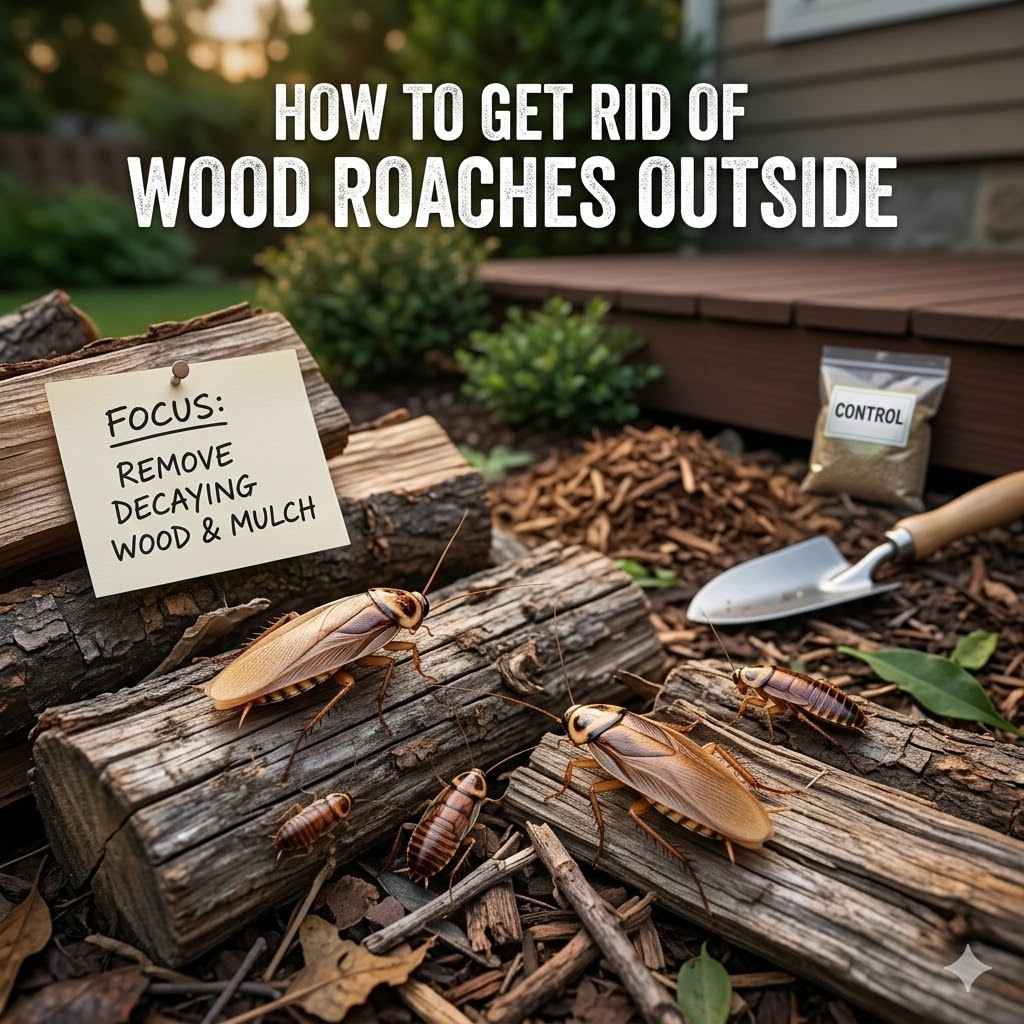
How to Get Rid of Wood Roaches Outside
Dealing with wood roaches outside your home can seem like a big job, especially if you’re new to pest control. These critters often show up around woodpiles or damp areas, and figuring out how to send them packing can be tricky. But don’t worry!
We’re going to break down exactly how to get rid of wood roaches outside in a simple, step-by-step way. You’ll learn easy methods to keep them from coming back, making your outdoor spaces more enjoyable. Let’s get started on making those pests a thing of the past.
Why Wood Roaches Are Found Outside
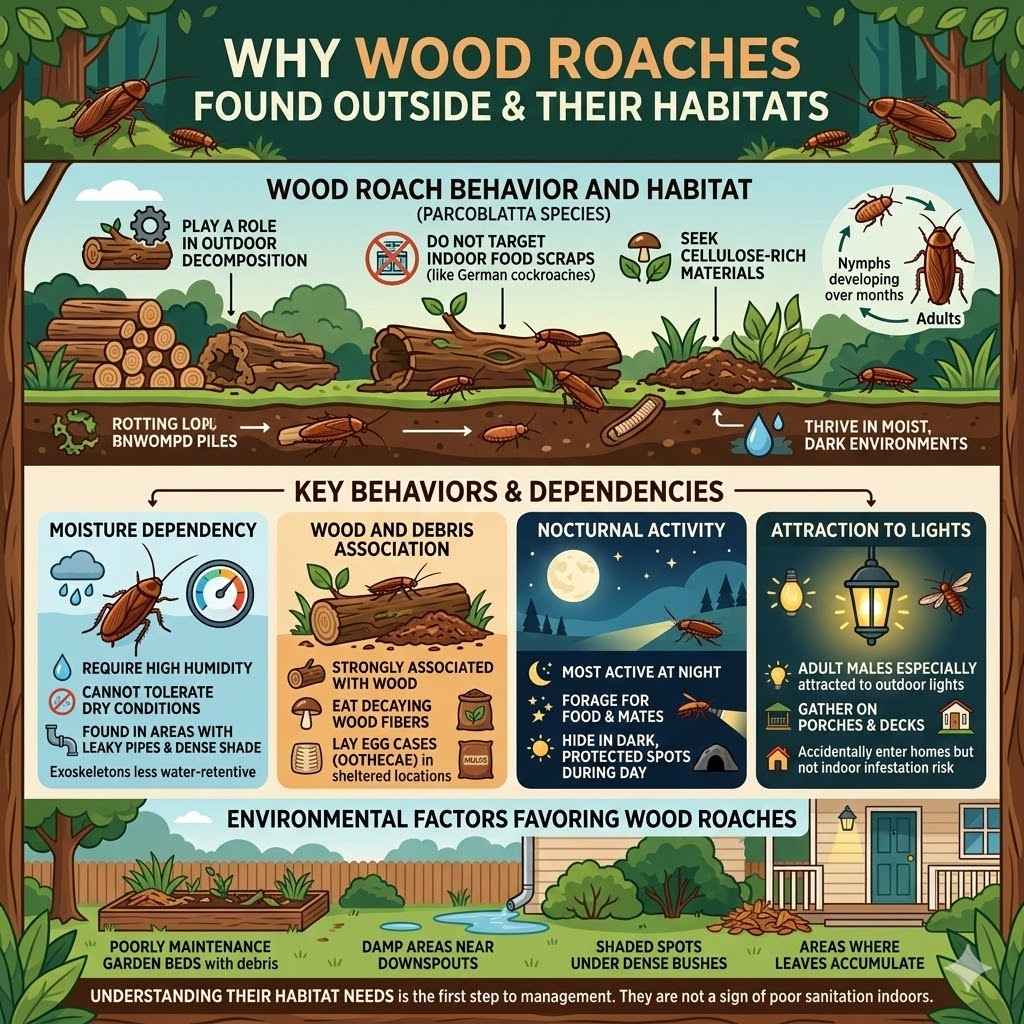
Wood roaches prefer to live in environments rich in moisture and decaying organic matter, making outdoor spaces prime real estate for them. Unlike their indoor cousins, wood roaches are typically not a sign of poor sanitation inside the home. They thrive in moist, dark places, often found under loose bark, in rotting logs, and within damp soil.
Their presence outside is usually a natural part of the ecosystem, but when they venture too close to human dwellings, they can become a nuisance. Understanding their habitat needs is the first step to effectively managing them and learning how to get rid of wood roaches outside.
Wood Roach Behavior and Habitat
Wood roaches, scientifically known as Parcoblatta species, are fascinating insects that play a role in decomposition outdoors. They are not drawn to food scraps in kitchens like German cockroaches. Instead, they seek out cellulose-rich materials and damp conditions.
You’ll most commonly find them in areas with abundant dead wood, such as forests, wooded lots, or even your backyard if you have a substantial woodpile or old, decaying stumps. Their lifecycle is tied to these moist environments, with nymphs developing over several months before becoming adults.
Moisture Dependency: Wood roaches require high humidity and consistent moisture to survive. They cannot tolerate dry conditions for extended periods. This is why they are often found in areas with leaky pipes, standing water, or dense, shaded vegetation that retains moisture. Their exoskeletons are not as adept at conserving water as some other insect species.
Wood and Debris Association: The name “wood roach” isn’t just for show. They are strongly associated with wood, particularly decaying wood. This includes fallen logs, stumps, loose bark on trees, and even mulch. They feed on the decaying wood fibers and often lay their egg cases, called oothecae, in these sheltered, moist locations.
Nocturnal Activity: Like many roach species, wood roaches are primarily nocturnal. This means they are most active during the night, foraging for food and mates. During the day, they hide in their preferred sheltered, dark environments. This nocturnal habit makes them less visible to homeowners, but their numbers can still grow significantly.
Attraction to Lights: While they hide during the day, adult wood roaches, especially males, can be attracted to outdoor lights at night. This can lead them to gather on porches, decks, and near windows, where they might accidentally enter the home, though they are not typically considered an infestation risk indoors.
Environmental Factors Favoring Wood Roaches
Certain environmental conditions make outdoor areas more hospitable to wood roaches. Think about areas in your yard that stay damp for long periods. This could be near downspouts that don’t drain well, shaded spots under dense bushes, or areas where leaves accumulate and hold moisture.
Even poorly maintained garden beds with lots of organic debris can become a breeding ground. These spots provide the perfect combination of food, shelter, and moisture that wood roaches need to thrive and reproduce.
Effective Methods for Wood Roach Control
Successfully managing wood roaches outside involves a combination of habitat modification and targeted treatments. The goal is to make your outdoor environment less appealing to them and to eliminate existing populations. By understanding their habits and preferences, you can implement strategies that are both effective and safe for your family and pets.
This section will guide you through the most practical approaches to address your wood roach problem and prevent future encounters.
Habitat Modification and Prevention
The most crucial step in how to get rid of wood roaches outside is to eliminate the conditions that attract them. This means addressing moisture issues and removing potential hiding places. By making your yard less hospitable, you naturally discourage these pests from setting up shop.
Manage Moisture Sources:
Roaches need water. Fix leaky outdoor faucets and hoses. Ensure your gutters and downspouts are directing water away from your home’s foundation. Avoid overwatering plants, especially near the house. Standing water in saucers or neglected containers can also be a breeding ground. Aim to keep the areas around your home as dry as possible. This simple change can significantly reduce their numbers.
Eliminate Debris and Woodpiles:
Wood roaches love to hide in and feed on decaying wood. Store firewood off the ground and away from your house. Consider bringing firewood inside only when you intend to use it, and dispose of any old, rotting wood or debris piles promptly. Keep your yard clean of fallen leaves, grass clippings, and other organic matter that can retain moisture and provide shelter. A tidy yard is a less inviting yard for pests.
Seal Entry Points:
While wood roaches are primarily an outdoor pest, they can sometimes find their way inside, especially if their outdoor habitat is disrupted. Inspect the exterior of your home for cracks and crevices. Seal any openings around pipes, vents, and utility lines with caulk. Ensure window screens are intact and weather stripping is in good condition. Preventing entry is a key part of overall pest management.
Trim Vegetation:
Overgrown bushes and trees can create shaded, damp areas close to your home. Trim back branches and foliage that touch your house or create dense shade. This allows for better air circulation and sunlight, which can help dry out potential hiding spots. Keeping your landscaping tidy reduces microhabitats where roaches can thrive.
Natural and DIY Treatment Options
For those who prefer less chemical-intensive solutions, several natural and DIY methods can help manage wood roach populations. These often involve using common household items or natural repellents. They are generally safer for the environment and can be very effective when used consistently.
Diatomaceous Earth (Food Grade):
Diatomaceous earth is a powder made from fossilized aquatic organisms. It works by scratching the roach’s exoskeleton, causing them to dehydrate and die. Sprinkle a thin layer in areas where you see roaches, such as around woodpiles, in cracks, and near the foundation of your home. It’s most effective when dry. Ensure you use food-grade DE, which is safe for pets and children when applied correctly.
Boric Acid:
Boric acid is a natural mineral that acts as a stomach poison when ingested by roaches. It can also damage their outer shell. Apply it as a fine powder in areas roaches frequent, such as under decks, in crawl spaces, or in cracks and crevices. Avoid applying it where pets or children can directly access it. Use it sparingly, as a little goes a long way.
Essential Oils as Repellents:
Certain essential oils, like peppermint oil, tea tree oil, and eucalyptus oil, can act as natural repellents. Mix a few drops of these oils with water in a spray bottle and apply it to areas where you suspect roaches are hiding or traveling. The strong scent can deter them from entering certain spots. Reapply regularly, especially after rain.
Vinegar Spray:
A mixture of vinegar and water can help deter roaches. The acidity can disrupt their scent trails and kill some on contact. Spray it directly on visible roaches or in areas where you’ve seen activity. While it doesn’t typically kill them outright, it can make those areas less attractive for them to inhabit.
Commercial Insecticides and Baits
When DIY methods aren’t enough, or you need to tackle a larger population, commercial products can be very effective. It’s important to choose products specifically labeled for outdoor use and for roaches. Always follow the label instructions carefully to ensure safety and efficacy.
Outdoor Insecticides
Insecticides can be applied as granules, sprays, or dusts. Granular insecticides are often spread around the perimeter of your home and garden, providing residual control. Sprays can be used to treat specific areas, like under decks or in woodpiles.
Dusts are effective for application into cracks, crevices, and voids where roaches hide. When using any insecticide, consider products that are labeled as effective against wood roaches or general crawling insects.
Residual Sprays:
These insecticides leave a residue that continues to kill insects for some time after application. They are often applied to the exterior foundation of the home, around entry points, and in common harborage areas like under decks or in sheds. Look for active ingredients like pyrethroids (e.g., cypermethrin, bifenthrin) or neonicotinoids. Always ensure the product is safe for outdoor use and will not harm beneficial insects or pets when used as directed.
Insecticide Granules:
Granules are scattered on the lawn, around the foundation, or in garden beds. They are activated by moisture (rain or watering) and release the insecticide into the soil. This provides a barrier against pests. They are often a good choice for larger areas and offer longer-lasting control.
Dusts for Cracks and Crevices:
Insecticidal dusts, such as those containing boric acid or silica gel, are excellent for targeting roaches hiding in tight spaces. They are applied using a puffer or duster into voids, wall penetrations, and other hidden areas. The dust adheres to the roaches’ bodies and is ingested during grooming, leading to their demise.
Baits for Wood Roach Control
Baits are a targeted approach, often more effective than broadcast sprays. They contain an attractive food source mixed with a slow-acting insecticide. Roaches consume the bait, return to their harborage areas, and die, often being consumed by other roaches, which also ingest the poison.
Gel Baits:
Gel baits are applied in small dots in areas where roaches are seen or suspected to travel. The roaches eat the gel and carry it back to their nests. These are highly effective for targeted treatment in specific locations. They are convenient to use and can be applied in areas where other forms of treatment might not be suitable.
Bait Stations:
Pre-filled bait stations offer a contained way to apply bait. They are placed along walls, under appliances, or in other harborage areas. These are a good option for protecting children and pets from direct contact with the insecticide while still providing effective control.
Professional Pest Control Services
Sometimes, the most effective way to deal with a persistent wood roach problem is to call in the experts. Professional pest control technicians have access to a wider range of treatments and the knowledge to identify the source of the infestation and apply solutions safely and effectively.
Inspection and Identification:
Professionals can accurately identify the species of roach and determine the extent of the problem. They can assess the environmental factors contributing to the infestation and provide tailored solutions. This expert assessment is crucial for long-term success.
Advanced Treatment Options:
Pest control companies use professional-grade insecticides and baiting systems that are often more potent and longer-lasting than over-the-counter products. They also have specialized equipment for application in hard-to-reach areas.
Integrated Pest Management (IPM) Strategies:
Many professional services employ Integrated Pest Management (IPM) techniques. This approach combines various methods, including habitat modification, biological controls, and targeted chemical applications, to manage pests sustainably. IPM aims to minimize pesticide use while maximizing effectiveness.
Understanding Wood Roach Life Cycles and Habits
To truly master how to get rid of wood roaches outside, you need to understand how they live and reproduce. Knowing their life cycle helps you time your treatments for maximum impact and prevent them from becoming a recurring issue. Their habits are quite specific and different from household roaches.
The Wood Roach Life Cycle
The life cycle of a wood roach is generally longer than that of common household roaches. It consists of three stages: egg, nymph, and adult. The duration of each stage can vary depending on environmental conditions like temperature and humidity.
Egg Stage:
Adult female wood roaches lay their egg cases, called oothecae, in damp, secluded environments like under bark, in rotting wood, or in leaf litter. Each ootheca can contain 15 to 30 eggs. The eggs develop within the ootheca for several weeks to months. This stage is heavily dependent on moisture and warmth.
Nymph Stage:
Once the eggs hatch, tiny nymphs emerge. Nymphs resemble smaller versions of adult roaches but are usually lighter in color. They molt their exoskeletons several times as they grow. This nymph stage is the longest part of their life cycle, often lasting six months to over a year. During this time, they feed and grow, seeking out moist, sheltered locations.
Adult Stage:
After the final molt, the nymphs become adult wood roaches. Adult males are capable of flight and are often attracted to lights, which is how they might end up near your home. Adult females are typically wingless or have very short wings and are less mobile than males. Their primary purpose as adults is to mate and reproduce, continuing the cycle.
Distinctive Habits of Wood Roaches
Wood roaches have specific behaviors that set them apart from other cockroach species, making them unique in how we approach pest control.
Not Household Pests:
Unlike German or American cockroaches, wood roaches are not typically found infesting kitchens or bathrooms inside homes. They are primarily an outdoor species that may occasionally wander indoors. Their presence outside is a natural occurrence, but they can become a nuisance when they gather in large numbers near living spaces.
Preference for Damp Wood:
Their name truly reflects their habitat. They are strongly associated with moist, decaying wood. This includes bark on living trees, dead logs, stumps, and woodpiles. They will often inhabit these areas and lay their eggs there, creating localized populations.
Male Flight Attraction:
Male wood roaches are attracted to lights at night. This behavior can lead them to fly towards porch lights, outdoor lamps, or even illuminated windows. This is a common reason why people notice them congregating around their homes after dark.
Seasonal Activity:
Wood roaches tend to be most active during warmer months, typically from late spring through fall. Their activity levels can decrease significantly during colder weather, as they seek shelter in protected areas.
Impact of Weather and Seasons
Weather plays a significant role in wood roach activity. Prolonged periods of rain and high humidity create ideal conditions for them, leading to increased populations. Conversely, dry, hot spells can reduce their activity as they seek out more moisture.
Understanding these seasonal patterns can help you time your pest control efforts for maximum effectiveness. For instance, treatments applied before or during periods of high activity are often more successful.
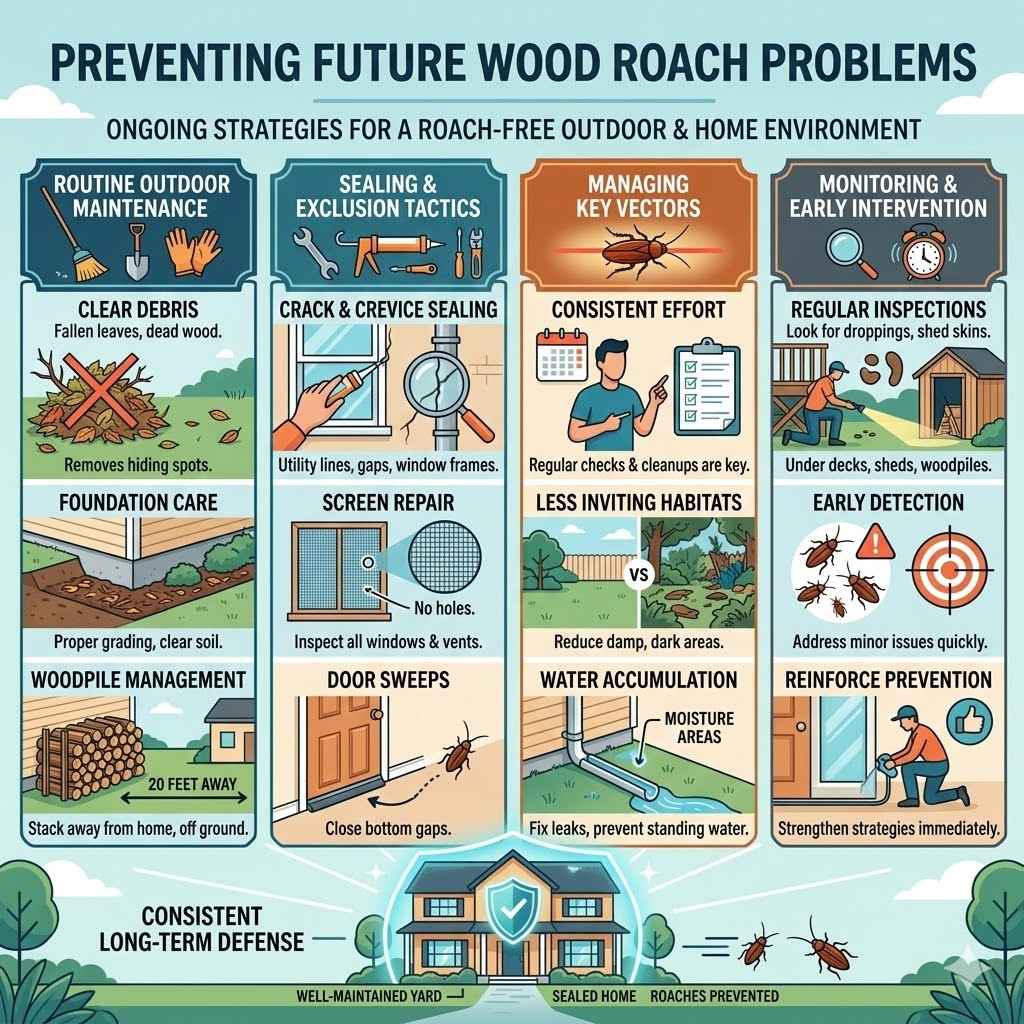
Preventing Future Wood Roach Problems
Once you’ve successfully managed an existing wood roach population, the focus shifts to prevention. Implementing ongoing strategies ensures that these pests don’t become a recurring headache. Consistent effort in maintaining your outdoor environment is key to long-term success.
Regular Outdoor Maintenance
A well-maintained outdoor space is the best defense against wood roaches. This means making regular checks and cleanups part of your routine.
Consistent Debris Removal:
Regularly clear away fallen leaves, dead branches, and other organic debris from your yard, especially around the foundation of your home. This removes potential hiding spots and food sources. Pay close attention to areas that tend to collect moisture.
Woodpile Management:
If you store firewood, ensure it is stacked neatly, off the ground, and at least 20 feet away from your house. This creates a less inviting environment and makes it harder for roaches to move from the woodpile to your home. Consider using only what you need and disposing of old wood.
Foundation Care:
Keep the area around your home’s foundation clear of excessive mulch, vegetation, and clutter. Ensure that soil levels do not come into contact with siding or wood structures. Proper grading can also help prevent water from accumulating near the foundation.
Sealing and Exclusion Tactics
Preventing entry into your home is a vital part of any pest management plan. Even outdoor pests can find their way inside.
Crack and Crevice Sealing:
Periodically inspect the exterior of your home for any gaps or cracks. Seal these openings with appropriate caulk or sealant. This includes areas where utility lines enter the house, gaps around window frames, and any damage to the foundation.
Screen Repair:
Ensure all window screens and vent screens are intact and free of holes. Damaged screens are an easy entry point for many insects, including roaches. Repair or replace them as needed.
Door Sweeps:
Install door sweeps on the bottom of exterior doors to close any gaps between the door and the threshold. This prevents insects from crawling underneath.
Monitoring and Early Intervention
The sooner you spot a potential problem, the easier it is to deal with. Regular monitoring can catch early signs of wood roach activity.
Regular Inspections:
Make it a habit to inspect common harborage areas, such as under decks, in garages, sheds, and around woodpiles, for signs of roach activity. Look for droppings, shed exoskeletons, or the roaches themselves.
Addressing Minor Issues Quickly:
If you notice a few wood roaches, don’t wait for them to multiply. Address the situation immediately with targeted treatments or by reinforcing your prevention strategies. Early intervention is always easier than dealing with a full-blown infestation.
Frequently Asked Questions
Question: Are wood roaches dangerous to humans or pets
Answer: Wood roaches are generally not considered dangerous. They do not bite or sting humans, and they are not known to transmit diseases like some other cockroach species. While they can be unsightly and a nuisance, they pose little direct health risk.
Question: How do I know if I have wood roaches or another type of roach
Answer: Wood roaches are typically larger than common household roaches and often have a reddish-brown color with a lighter band on their thorax. They are found primarily outdoors and are associated with wood and moisture, not food sources inside your home.
Question: Can I use bug spray for indoor roaches outside
Answer: It is generally not recommended to use indoor roach sprays for outdoor applications. Outdoor-specific products are formulated differently to withstand environmental conditions and may be more effective for outdoor pests. Always use products according to their label instructions.
Question: How long does it take to get rid of wood roaches
Answer: The time it takes to get rid of wood roaches can vary. It depends on the severity of the infestation, the methods used, and consistent application of preventative measures. It may take several weeks to see a significant reduction, with ongoing efforts needed for long-term control.
Question: What is the best time of year to treat for wood roaches
Answer: The best time to treat for wood roaches is typically in the spring and early summer, before their populations significantly increase. However, treatments can be effective throughout the warmer months. Addressing moisture issues and habitat modifications should be done year-round.
Summary
Effectively managing outdoor wood roaches involves understanding their need for moisture and decaying wood. By modifying their habitat, eliminating debris, and sealing entry points, you make your yard less attractive. Natural remedies and targeted commercial treatments can further reduce populations.
Consistent prevention through outdoor maintenance and early intervention ensures long-term success against these common pests.