How to Ground a Light Fixture: Step-by-Step Guide
Grounding a light fixture ensures safety. It prevents electrical shocks and fires.
Proper grounding connects the fixture to the earth. This directs stray electrical currents safely into the ground. Understanding this process is crucial for any DIY enthusiast or homeowner. Installing a light fixture might seem simple, but grounding is a must.
It keeps you and your home safe from electrical mishaps. Grounding involves attaching a copper wire from the fixture to a grounded metal box or grounding screw. This process might sound technical, but with guidance, anyone can do it. It’s not just about connecting wires; it’s about ensuring a secure electrical system. With a few tools and a careful approach, you can ground your light fixture effectively. This guide will walk you through each step, ensuring your safety and peace of mind.
Best Electrical Test Kit Pick
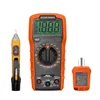
Klein Tools Electrical Test Kit – $39.99
Pairs a non-contact tester with a digital multimeter in one kit – exactly the two-step verification this guide recommends before you touch any wire.
- Best for: confirming power is off before grounding work
- Why we picked it: covers both the non-contact check and the contact-meter follow-up
- Main drawback: pricier than a single non-contact pen alone
Compare more grounding-safety essentials
 Option 1 Fluke VoltAlert Pen Tester – $24.98
|
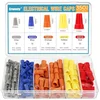 Option 2 Wire Connectors Assortment – $9.99
|
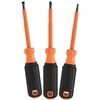 Option 3 1000V Insulated Screwdriver Set – $22.98
|
As an Amazon Associate we earn from qualifying purchases.
Safety Precautions
Safety starts with turning off the power. Locate the circuit breaker. Flip the switch to off. Verify the power is off. Check the fixture with a tester. Ensure no current flows. Avoid risks. Prevent shocks. Be safe. Stay cautious.
Tools matter for safety. Gather screwdrivers, pliers, and a voltage tester. Choose insulated tools. Protect yourself. Use wire strippers for clean cuts. Avoid damage. Ensure safe connections. Handle tools carefully. Work with precision. Safety first.
Tools And Materials Needed
A screwdriver is very important. It helps loosen screws. A wire stripper is also necessary. This tool removes the plastic from wires. Safety gloves keep your hands safe. A voltage tester checks for electricity. A ladder might be needed if the fixture is high up.
Grounding wire is crucial for safety. Use wire connectors to join wires together. A grounding screw is needed to secure the wire. Electrical tape covers any exposed wire parts. Light fixtures often come with instructions. It’s good to read them. Always have a light bulb ready. Make sure it’s the right size.
Understanding Grounding
Grounding keeps everyone safe. It stops electric shocks. It sends extra electricity to the ground. This helps protect people and things. Ground wires act like a safety net. If there is a problem, they step in. They carry the electricity away. This way, the lights stay safe and sound.
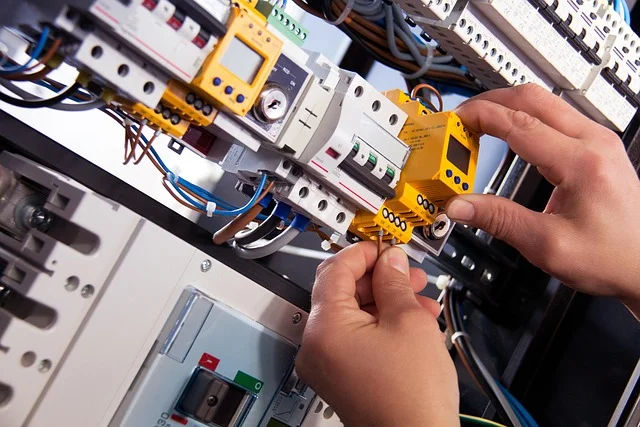
An electrical circuit needs a path. The path allows electricity to flow. Light fixtures are part of this path. Wires connect to make a complete circle. Electricity travels through these wires. The current must return to its source. If the path is broken, the light won’t work. Grounding is part of this system. It helps maintain a safe circuit.
Preparing For Installation
Check the light fixture for any damages. Look for broken parts or loose wires.
Make sure all pieces are present. Ensure there are no missing screws or bolts.
A complete fixture makes installation easier. A damaged fixture can cause safety issues.
Ensure the fixture’s wires match your home wiring. Most homes have black, white, and green wires.
Black is usually the hot wire. White is neutral. Green or bare copper is the ground wire.
Check that the wires connect properly. If unsure, ask an adult for help. Safe wiring prevents electric shocks.
Locating The Ground Wire
Finding the right wire is important. Ground wires keep you safe from electric shocks. They are usually green or bare. These wires are easy to spot. Always check the color before touching. Many wires look the same. Knowing the color helps you avoid mistakes.
Common Wire Colors
| Wire Type | Color |
|---|---|
| Ground Wire | Green or Bare |
| Live Wire | Black or Red |
| Neutral Wire | White |
Live wires carry power. They are usually black or red. Neutral wires are white. Knowing these colors helps with safety. Always double-check your work.
Connecting The Ground Wire
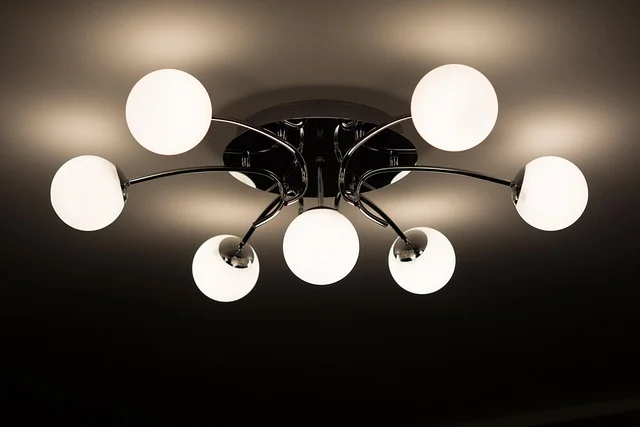
First, find the ground wire in your light fixture. It is usually green or bare. Look for a similar wire in your electrical box. Twist these two wires together. Use a wire connector to keep them tight. Twist the connector on the wires until it feels snug. Make sure no wire is showing outside the connector. This prevents short circuits or electrical shocks.
Wire connectors are small but important. They help keep connections safe and secure. Choose the right size for your wires. Bigger wires need bigger connectors. Always check if the connector is tight. Loose connections can cause problems. If unsure, ask someone for help. Safety first!
Testing The Installation
Testing the installation ensures a properly grounded light fixture. Begin by switching off the power supply. Safely connect the grounding wire to the fixture and the electrical box. Verify the connections are secure to prevent electrical hazards.
Use A Voltage Tester
A voltage tester checks if your fixture is safe. First, turn off the power at the circuit breaker. Then hold a non-contact tester near the wires – if it lights up, power is still on. But don’t stop there: a non-contact tester can give a false “safe” reading from a dead battery or a faulty unit. Test it on a known live outlet first to confirm it works, then test your wires, then test the live outlet again afterward to confirm the tester didn’t fail mid-check. For real certainty, follow up with a contact-type multimeter before touching any wire. Next, check the grounding wire with the same method – it should show no voltage. Always test grounding effectiveness to avoid shocks.
Verify Grounding Effectiveness
Grounding keeps electricity safe. Check the ground wire connection – it should be tight and secure, since loose wires can be dangerous. Ensure the ground wire touches the metal box. Verify with the voltage tester using the live-dead-live method above. No voltage on the ground wire means it’s effective. Testing ensures the fixture works well and keeps you and your home safe.
Troubleshooting Common Issues
Loose connections can cause lights to flicker. This is not safe. Always check the wires. Make sure they are tight. Use a screwdriver for this task. Turn off the power first. Safety is important. If wires are loose, tighten them. This might fix the problem.
Incorrect wiring causes many issues. Lights may not work. Double-check the wiring diagram. Ensure each wire is in the right place. Follow the colors. Black to black. White to white. Ground wire to the green screw. Mistakes can cause problems. Fix them quickly.
Frequently Asked Questions
Does A Light Fixture Need To Be Grounded?
Yes, grounding a light fixture is crucial for safety. It prevents electrical shocks and reduces fire risks. Always follow local electrical codes when installing. Proper grounding ensures safe operation and protects you from potential hazards. Consult a professional electrician for guidance if needed.
What If A Light Fixture Has No Ground Wire?
Install the light fixture by connecting the hot and neutral wires. Ensure the electrical box is metal and grounded. Use a grounding clip or screw if possible. Consult a professional electrician for safety and compliance with local electrical codes.
Can You Ground A Light Fixture To The Mounting Bracket?
Yes, you can ground a light fixture to the mounting bracket. Ensure the bracket is properly connected to the electrical grounding system. Use a grounding wire to secure the connection, following local electrical codes for safety. Always prioritize professional guidance if unsure.
How Do You Ground When There Is No Ground Wire?
Use a grounding adapter for a three-prong plug in a two-prong outlet. Connect it to the metal outlet box with a screw. This provides a safe grounding path. Always consult an electrician for safety.
Conclusion
Grounding a light fixture is crucial for safety. It prevents electrical shocks. Follow the steps carefully. Use tools like pliers and screwdrivers. Check wires and connections. Ensure the green wire is secured. Double-check everything before turning on power. Don’t rush the process.
Safety should be your top priority. With the light fixture grounded, enjoy peace of mind. Remember, proper grounding protects your home. It also extends the life of your fixtures. Take these steps seriously. A safe home starts with safe electrical work.
Stay informed, stay safe, and illuminate your space confidently.
Sponsored / affiliate links. As an Amazon Associate I earn from qualifying purchases. I may earn additional commission from eligible campaigns.