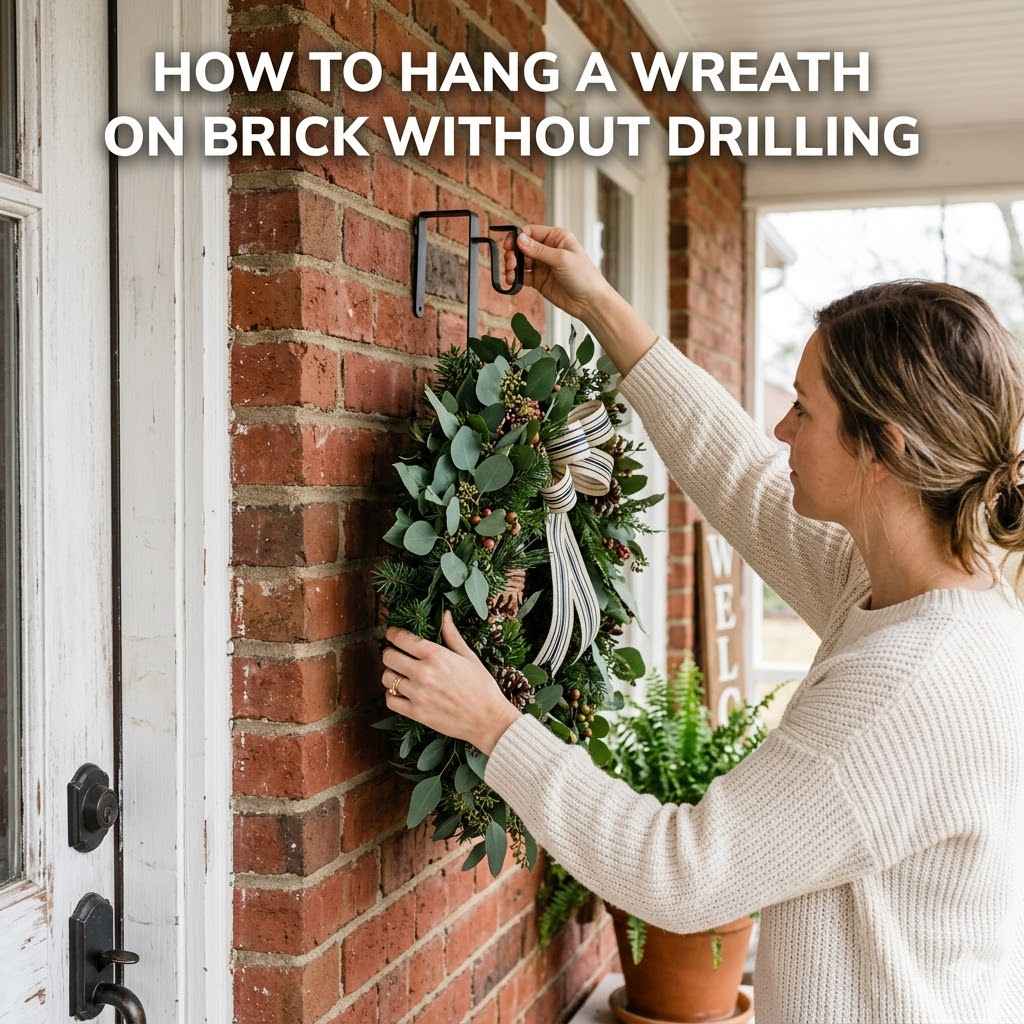
How to Hang a Wreath on Brick Without Drilling
Hanging decorations can sometimes feel tricky, especially when you have a tough surface like brick. Many people wonder How to Hang a Wreath on Brick Without Drilling because they don’t want to damage their home’s exterior or interior walls. It might seem like drilling is the only way to get a secure hold.
But don’t worry, there are easy and clever ways to get your beautiful wreath up without any holes. This guide will show you exactly what to do, step by step, so you can enjoy your festive display in no time.
Easy Ways How to Hang a Wreath on Brick Without Drilling
This section explores the most common and effective methods for displaying a wreath on a brick surface without resorting to drilling holes. We will look at various tools and techniques that offer a strong grip and won’t damage your brickwork. The goal is to provide a clear understanding of how to achieve a secure and attractive wreath display for any season or occasion.
Using Adhesive Wreath Hooks
Adhesive wreath hooks are a fantastic option for those who want a quick and damage-free solution. These hooks come with a strong sticky backing that adheres directly to the brick surface. They are designed to hold a surprising amount of weight, making them suitable for most wreaths.
When choosing an adhesive hook, look for ones specifically rated for outdoor use if your wreath will be on the exterior. It’s also important to clean the brick surface thoroughly before applying the hook to ensure the best adhesion.
- Adhesive hooks offer a temporary but strong hold. They use a powerful sticky pad to attach to the brick, meaning no permanent marks are left behind. This is ideal for renters or anyone who likes to change their decor frequently.
- Proper surface preparation is key to success. Before sticking the hook on, wipe down the brick area with a damp cloth and let it dry completely. This removes dust and debris that could prevent the adhesive from sticking firmly.
- Consider the weight of your wreath. Most adhesive hooks are designed for lighter to medium-weight wreaths. If you have a very heavy wreath, you might need to use multiple hooks or opt for a different hanging method to ensure it stays put safely.
One common mistake people make is not waiting long enough after applying the hook. Manufacturers often recommend waiting 24 hours before hanging anything. This allows the adhesive to cure fully and reach its maximum strength, preventing the wreath from falling.
Imagine carefully placing your beautiful wreath, only to have it fall hours later because the adhesive wasn’t given enough time to bond. Following the instructions ensures your wreath stays exactly where you want it.
Command Hooks for Brick Surfaces
Command hooks are widely popular for their ease of use and the damage-free removal they offer. While many are designed for smooth surfaces, Command does offer specific products that can work on textured or brick-like materials. These often involve a stronger adhesive strip.
It is crucial to select the correct type of Command hook for brick. Check the packaging to ensure it is suitable for outdoor or rough surfaces.
- Command hooks work using a unique adhesive technology. When you want to remove them, you simply pull down on a tab, and the adhesive stretches and releases cleanly. This leaves no sticky residue or damage to the brick.
- There are different types of Command hooks. For brick, look for their outdoor or heavy-duty varieties, as these are formulated with a stronger adhesive. Always read the product description to confirm it is suitable for brick.
- Applying a Command hook correctly is vital for its strength. First, clean the brick with rubbing alcohol and let it dry. Then, press the hook firmly into place for about 30 seconds. Finally, let it set for at least an hour before hanging your wreath.
A real-life scenario involved Sarah, who wanted to hang a fall wreath on her brick porch. She used standard Command hooks, and while they held initially, the outdoor elements eventually weakened the adhesive, causing the wreath to fall. She learned from this and the next year purchased Command Outdoor Hooks specifically designed for rougher surfaces.
She cleaned the brick thoroughly with rubbing alcohol and followed the application instructions precisely. The wreath stayed securely in place throughout the entire autumn season, even through wind and rain, and removed perfectly when she took it down.
Using Zip Ties and Mesh
For a more DIY approach, you can use zip ties and a piece of mesh or screening to hang a wreath. This method is particularly useful if you have existing elements on your brick wall, like decorative grates or light fixtures, that you can loop zip ties around. It also works well if you want to create a more concealed hanging system.
The mesh provides a flexible surface to attach the wreath to, and the zip ties secure the entire setup to an anchor point on the brick.
- This method requires a bit more creativity. You’ll need a sturdy mesh or netting, some strong zip ties, and a way to attach the mesh to the brick. This could be a strong adhesive hook placed strategically or a pre-existing fixture.
- The mesh acts as a support system for the wreath. You can weave the wreath into the mesh or attach it to the mesh using additional ties or wire. This distributes the weight and provides a secure mounting point.
- Zip ties are used to connect the mesh to the brick. If you can’t loop them around anything, you might need to use a heavy-duty outdoor adhesive hook to anchor the zip ties. Always ensure the zip ties are strong enough for the wreath’s weight.
Consider a scenario where you have a garden gate with brick posts. You can attach a piece of sturdy mesh netting to the brick posts using strong outdoor adhesive strips or by carefully threading zip ties through small gaps in the brickwork if available. Then, you can position your wreath in the center of the mesh and use more zip ties or wire to secure the wreath to the mesh itself.
This creates a visually appealing arrangement where the wreath appears to be suspended from the mesh, which is securely fastened to the brick.
The Best Methods How to Hang a Wreath on Brick Without Drilling
This section highlights the most reliable and aesthetically pleasing methods for hanging wreaths on brick surfaces without causing any damage. We will go into more detail about the pros and cons of each, helping you choose the perfect solution for your specific needs and the type of wreath you want to display.
Suction Cup Wreath Hangers
Suction cup hangers are a common solution for smooth surfaces like glass windows. However, some heavy-duty versions designed for more textured materials can work on certain types of brick. The success of this method heavily depends on the porosity of the brick and the quality of the suction cup.
It’s generally best suited for lighter wreaths and for temporary displays, as brick can be uneven and porous, making it harder for a suction cup to maintain a strong seal.
- Suction cups rely on creating a vacuum seal. For this to work on brick, the brick surface needs to be exceptionally smooth and non-porous. Even then, it’s a less reliable method for brick compared to other options.
- If you decide to try suction cups, look for extra-strong, industrial-grade versions. Clean the brick surface and the suction cup thoroughly with water and a little bit of dish soap to help create a better seal. You might also need to reapply them periodically.
- Suction cup hangers are generally best for very lightweight decorations. A large or heavy wreath could easily pull them off. They are more suited for small, light ornaments or fabric wreaths.
A common issue with suction cups on brick is that the natural variations in the brick’s surface can create tiny gaps. Air seeps into these gaps, breaking the vacuum seal. This is why they often fail on brick, especially in fluctuating temperatures or humidity.
It’s like trying to stick a sticker onto a bumpy wall; it doesn’t lay flat, and parts of it lift off.
Wire and Wire Mesh Hangers
Using wire and wire mesh offers a customizable and secure way to hang a wreath. You can create a frame from wire mesh and attach it to the brick using strong adhesive hooks or ties. The wreath is then attached to this mesh frame.
This method allows you to spread the weight of the wreath over a larger area of the mesh, providing good stability.
- This is a more involved process but offers excellent security. You’ll need a piece of sturdy wire mesh, wire cutters, zip ties, and strong adhesive hooks.
- First, cut the wire mesh to a size that will support your wreath. Then, attach it to the brick surface using heavy-duty outdoor adhesive hooks. Place these hooks strategically where they will hold the most weight.
- Once the mesh is secured to the brick, you can weave your wreath into the mesh or attach it to the mesh using floral wire or zip ties. This ensures the wreath is held firmly and evenly.
Consider a scenario where you have a very large and heavy wreath. Using a single adhesive hook might not be enough. By creating a wire mesh frame, you can attach it to multiple strong adhesive hooks spread out on the brick.
The wreath then attaches to this larger frame. This distribution of weight significantly increases the holding power and reduces the stress on any single anchor point.
Heavy-Duty Outdoor Adhesive Hooks
These are often the go-to for many DIY decorators. Heavy-duty outdoor adhesive hooks are specifically designed to withstand weather conditions and hold more weight than standard indoor hooks. They use strong, weather-resistant adhesives that stick well to various outdoor surfaces, including brick.
When selecting these hooks, always check the weight limit and ensure it is sufficient for your wreath.
- These hooks are built for outdoor durability. They resist moisture, temperature changes, and UV rays, which can degrade standard adhesives.
- Always follow the application instructions carefully. Clean the brick with rubbing alcohol, press the hook firmly for 30 seconds, and allow it to cure for at least 24 hours before hanging the wreath.
- The weight capacity is crucial. If your wreath is heavier than the hook’s rating, it will likely fail. Some heavy-duty hooks can hold up to 5 or even 10 pounds, which is usually enough for most wreaths.
A common statistic to consider is that outdoor adhesives can lose up to 50% of their holding power in extreme temperatures. This is why choosing hooks specifically rated for outdoor use and checking their temperature resistance is important. If you live in an area with very hot summers or freezing winters, the adhesive performance can be significantly impacted.
Considerations for Different Brick Types
The type of brick you have can affect how well certain hanging methods work. Porous bricks, like old, handmade bricks, may not hold adhesives as well as denser, modern bricks. The rougher the texture of the brick, the harder it can be for smooth adhesive surfaces to create a strong bond.
- Smooth, uniform bricks are generally easier to work with. Adhesives tend to stick better to surfaces that are free from large pores and deep grout lines.
- Rough or uneven bricks present a challenge. For these surfaces, you might need to use more adhesive, or consider methods that involve physically securing the hanger rather than just sticking it on.
- When in doubt, test a small area with a sample adhesive strip first. This can give you an idea of how well it will adhere to your specific brick type before you commit to hanging your wreath.
For example, a weathered, porous red brick might not be ideal for a simple adhesive hook. The surface is uneven and absorbs moisture easily. In such cases, a method involving zip ties looped around existing architectural features or a system anchored by multiple heavy-duty hooks might be a safer bet.
Always inspect your brickwork closely before choosing your hanging solution.
How to Hang a Wreath on Brick Using Temporary Fasteners
Temporary fasteners offer a non-permanent way to hang items on brick. This category includes various types of hooks, clips, and wraps that are designed for ease of use and removal. They are ideal for seasonal decorations when you don’t want to make any changes to your brick surfaces.
Picture Hanging Strips (Modified for Outdoors)
While primarily for indoor use, some users adapt heavy-duty picture hanging strips for outdoor applications on brick. These strips use a strong adhesive on both sides and interlock for a secure hold. For outdoor brick, it’s essential to use the strongest versions available, preferably those that mention outdoor or heavy-duty use.
Proper surface cleaning is paramount for these strips to adhere effectively.
- These strips offer a low-profile solution, meaning they are less visible than traditional hooks. They rely on strong interlocking adhesive.
- For brick, you must ensure the surface is clean and dry. Use a strong adhesive remover or rubbing alcohol to prep the area. Applying the strips on a warm, dry day can also improve adhesion.
- The weight limit is critical. Always check the packaging to ensure the strips can support your wreath. For heavier wreaths, you may need to use multiple sets of strips.
A testimonial from a user named Mark highlighted his success using heavy-duty picture hanging strips on his brick entryway for a holiday wreath. He cleaned the brick meticulously with rubbing alcohol, allowed it to dry completely, and then applied the strips as directed, waiting the recommended curing time before hanging. The wreath remained secure throughout the festive season, and when removed, it left no residue.
He did mention that he chose a lighter artificial wreath to ensure the strips held up.
Brick Clips or Bricks Hooks
These are specially designed clips that hook onto the mortar lines or the edge of the bricks themselves. They require no drilling and are easily removable. Brick clips come in various sizes and strengths, making them a versatile option for hanging wreaths, signs, or other decorations.
It’s important to choose clips that fit your specific brick and mortar size securely.
- Brick clips are designed to grip the brick or mortar. They don’t rely on adhesive, which makes them a very secure, non-damaging option.
- Ensure the clip fits snugly. If it’s too loose, it might slip. Measure the thickness of your bricks and the mortar lines to select the correct size clip.
- These are excellent for temporary decorations like seasonal wreaths. They can be repositioned or removed easily without leaving any trace on the brickwork.
A practical example involves using brick clips to hang a Halloween wreath on a brick chimney. The homeowner identified the mortar lines as the ideal point of attachment. They purchased brick clips specifically designed to grip mortar.
By placing several clips along a horizontal mortar line and then attaching the wreath’s hanging wire to these clips, they achieved a secure and visually appealing display that was easy to remove after the holiday.
Wire and S-Hooks for Existing Fixtures
If your brick exterior has existing features like downspouts, railings, or light fixtures, you can often use wire and S-hooks to hang your wreath. This is a very simple and effective method that requires no modification to the brick itself. The wreath is hung from the S-hook, which is then looped around the existing fixture.
- This method is incredibly simple and requires minimal supplies. You’ll need an S-hook and some strong wire or rope if the S-hook’s reach isn’t enough.
- Assess your surroundings. Look for any sturdy horizontal or vertical elements attached to or near your brick wall that can support the weight of your wreath.
- Loop the S-hook over the fixture, and then attach your wreath’s hanging mechanism to the other end of the S-hook. Ensure the fixture itself is strong enough to hold the weight.
Imagine a scenario where you have a porch with brick pillars. If there’s a decorative railing attached to the brick pillars, you can easily hang an S-hook from the railing and then attach your wreath to the S-hook. This method is fantastic because it utilizes existing structures and causes absolutely no damage to the brickwork.
It’s a quick fix that can look quite elegant.
Protecting Your Brickwork and Wreath
When hanging anything on brick, especially without drilling, it’s important to consider the longevity of both your hanging solution and your wreath. Protecting the brick from damage and ensuring your wreath remains in good condition are key concerns.
Weight Distribution and Wreath Type
The weight of your wreath is one of the most critical factors in choosing a hanging method. Heavy, dense wreaths require more robust solutions than light, airy ones. Understanding how to distribute the weight evenly can also make a significant difference in the security of the hanging.
- Heavy wreaths can be challenging. For these, you might need multiple hanging points or stronger, load-bearing hooks. Consider the material of the wreath; pinecones and dense foliage add significant weight.
- Lightweight wreaths, such as those made from fabric, ribbon, or thin artificial greenery, are much easier to hang. They can often be supported by smaller adhesive hooks or even strong tape.
- Distributing weight means not relying on a single point of contact for heavy items. For instance, a large wreath might benefit from two hooks placed equidistant from the center, sharing the load.
A study by a home improvement research group found that improper weight distribution on adhesive fasteners can lead to premature failure by as much as 70%. This means a wreath that could have held for months might only last a few weeks if its weight is not evenly supported. For example, a wreath with a heavy embellishment on one side will put more stress on that side of the hanger.
Weather Resistance and Longevity
If your wreath is to be hung outdoors, its hanging solution must be weather-resistant. Exposure to rain, sun, and wind can degrade adhesives and fasteners over time. Choosing products designed for outdoor use is essential for the longevity of your display and to prevent damage to your brick.
- Outdoor-rated adhesives are formulated to withstand moisture and temperature fluctuations. They are less likely to peel or lose their stickiness when exposed to the elements.
- UV resistance is important for items exposed to direct sunlight. Prolonged sun exposure can break down certain adhesives and materials, making them brittle and less effective.
- Consider how your chosen method will fare in different seasons. A hook that works well in mild weather might fail in freezing temperatures or high humidity.
Statistics show that outdoor adhesive products specifically designed for brick or masonry can last anywhere from 6 months to over a year, depending on the quality and environmental conditions. However, standard indoor adhesives, when used outdoors, might only last a few weeks before they start to fail due to moisture and heat. This highlights the importance of selecting the right product for the job.
Testing Your Hanging Solution
Before committing your wreath to its final position, it’s wise to test the hanging solution. This involves applying the hook or fastener and giving it a gentle tug or hanging a weighted object of similar mass to ensure it holds securely. This simple step can save you from a fallen wreath and potential damage.
- Apply your chosen hanger according to the manufacturer’s instructions. Allow it to cure for the recommended time – this is often 24 hours for adhesive types.
- Once cured, gently pull on the hook or fastener to see if it budges. You can also hang a small, weighted object (like a bag of sand or a few heavy books tied together) for a few hours to simulate the wreath’s weight.
- If it feels loose or weak, it’s better to adjust your method or choose a different one now rather than risk your wreath falling.
A practical scenario involved a homeowner who was eager to hang a large, ornate wreath. They used an outdoor adhesive hook and hung the wreath immediately. Within a day, the wreath fell, damaging the wreath and leaving a sticky residue on the brick.
If they had waited the recommended 24 hours and performed a simple tug test, they would have realized the adhesive hadn’t fully bonded and could have taken corrective action or chosen a stronger hanging method.
Frequently Asked Questions
Question: Can I hang a wreath on brick without damaging it?
Answer: Yes, you absolutely can hang a wreath on brick without causing any damage by using methods like adhesive hooks, brick clips, or wire and S-hooks that don’t require drilling.
Question: What is the strongest way to hang a wreath on brick without drilling?
Answer: Heavy-duty outdoor adhesive hooks designed for masonry or brick clips that grip the mortar are generally the strongest non-drilling options.
Question: How long do adhesive hooks typically last on brick?
Answer: Weather-resistant outdoor adhesive hooks, when applied correctly, can last from several months to over a year, depending on the product quality and environmental conditions.
Question: Can I use regular Command hooks on brick?
Answer: Standard indoor Command hooks are not recommended for brick. You should look for Command’s outdoor or heavy-duty versions specifically designed for textured or rougher surfaces.
Question: What should I do if my brick is very porous?
Answer: For very porous brick, adhesive methods might be less reliable. Consider using brick clips that grip the mortar or methods that utilize existing fixtures with wire and S-hooks for a more secure, non-damaging hold.
Summary
You’ve learned several effective ways How to Hang a Wreath on Brick Without Drilling. From strong adhesive hooks to clever brick clips and temporary fasteners, you have options that avoid damage. Always prepare your brick surface, check weight limits, and consider the weather.
With the right method, your beautiful wreath will stay securely in place.