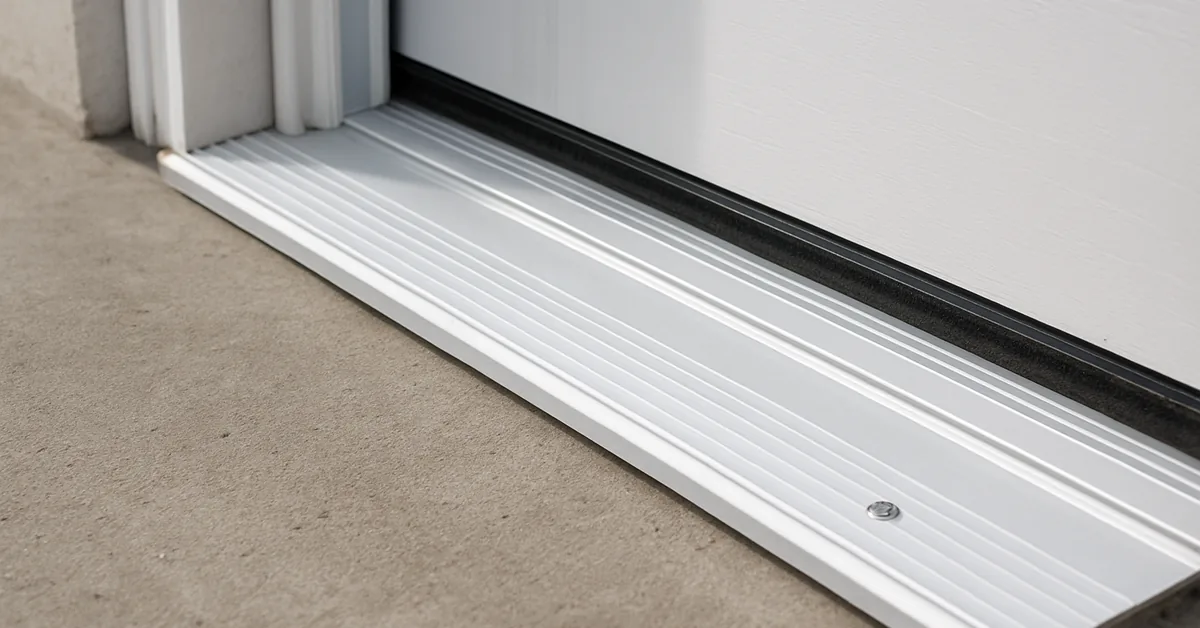
How to Install a Door Threshold on Concrete (No Slab Cutting)
A door threshold on concrete is installed with construction adhesive and 3/16″ concrete screws driven into pilot holes — no cutting into the slab required. Skipping a proper cleaning of the concrete first is the most common reason installers end up with a threshold that rocks or leaks within a year. This guide covers surface prep, cutting the threshold to width, anchoring it into concrete, and sealing the edges against water.
Preparing Tools And Materials
This is a standard door hardware project: hammer, screwdriver, masonry drill with a carbide bit, tape measure, level, pencil, utility knife, chisel, and safety glasses.
| Material | Purpose |
|---|---|
| Door threshold | Creates the sealed transition at the door opening. |
| Concrete screws (3/16″) | Anchors the threshold to the slab. |
| Construction adhesive or sealant | Bonds the threshold and blocks water at the edges. |
| Wood filler | Repairs minor cracks in a wood threshold before sealing. |
Best Adjustable Threshold Pick For Concrete Installs
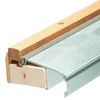
Frost King Adjustable Aluminum & Oak Sill Threshold – $39.99
The screw-adjustable riser raises or lowers to close the gap over an uneven concrete slab — exactly the leveling problem this guide’s positioning step covers.
- Best for: Exterior doors over an uneven or slightly sloped concrete slab
- Why we picked it: Adjustable height closes gaps other fixed thresholds can’t
- Main drawback: Oak center strip needs periodic resealing to resist moisture
Compare more threshold and anchoring options
 Option 1 MD Building Adjustable Threshold – $39.86
|
 Option 2 Aluminum Threshold w/ Vinyl Seal – $43.99
|
 Option 3 Tapcon 3/16″ Concrete Screws (75 pc) – $19.50
|
As an Amazon Associate we earn from qualifying purchases.
Assessing The Concrete Surface
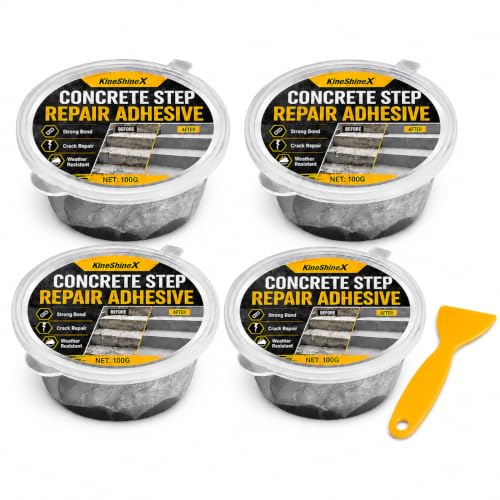
Check the concrete for cracks or holes first — a repair kit handles small cracks, but larger damage needs patching before you start. A smooth, sound surface is what the adhesive actually bonds to.
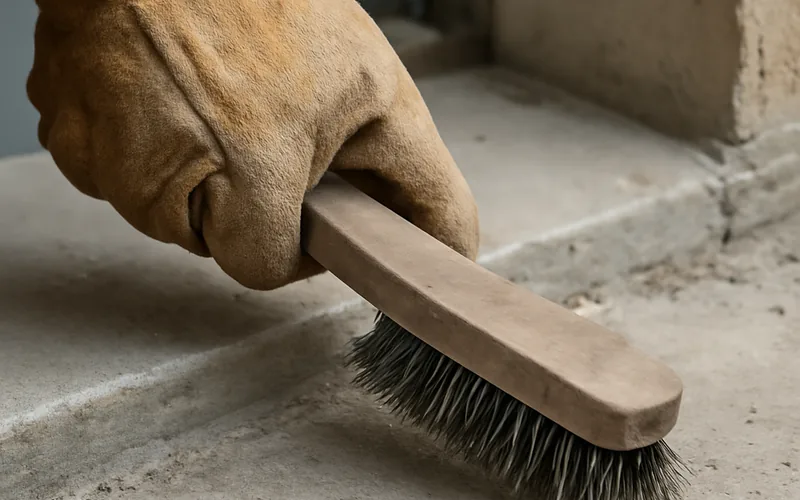
Sweep or vacuum all dust and debris from the area. Dirt and dust are the top reason adhesive fails to grip; if there’s oil or grease residue, clean it with a degreaser and let the surface dry completely before moving on.
Measuring And Cutting The Threshold
Measure the doorway’s width and the height from the floor to the door’s underside, and use the actual opening — not an assumed standard size. Note both numbers before you cut.
Mark the threshold and cut it with a hacksaw (aluminum) or a fine-tooth saw (wood), keeping the cut square so the ends sit flush against the door jambs. Wear safety glasses and keep fingers clear of the blade.

Applying Adhesive Or Sealant
Apply adhesive or sealant evenly to the concrete, press the threshold down firmly, and let it cure fully before foot traffic.
Choosing The Right Adhesive
Concrete needs a construction adhesive or sealant rated for masonry, not a general-purpose caulk. Check the label for water resistance — this is what keeps the threshold from lifting after repeated wetting. A polyurethane-based adhesive holds up longer under a door than silicone, which tends to need yearly reapplication.
Proper Application Techniques
Clean the concrete again immediately before bonding — dust settles quickly. Run a bead of adhesive along the full length of the threshold’s underside with a caulking gun, press it down firmly, and let it seal completely per the label’s cure time before walking on it.
Positioning The Threshold
Set the threshold at the door’s base and check it against the door frame; adjust until it’s straight before the adhesive sets. Use a level across its length — an unlevel threshold rocks underfoot and wears unevenly over time.
Outline the correct position with a marker before you commit, then re-check for tightness and levelness one more time before securing it permanently.
“The adjustable riser allows for precise sealing of unique and uneven gaps, from 1-1/8 to 1-3/8 inches in height.”
Securing The Threshold
Mark the screw locations on the concrete, then drill with a masonry bit sized to match your concrete screws — drill straight and deep enough that the screw threads fully engage the slab.
If you’re using anchors instead of self-tapping concrete screws, tap the anchor into the hole with a hammer until it’s flush, then drive the screw into the anchor with a screwdriver until the threshold sits snug — not so tight that it cracks the concrete edge.
📊 Tapcon-brand concrete screws (the most common type used to anchor a door threshold) are ICC-ES code-recognized under ESR-2202 for structural fastening into uncracked concrete. Confirm your local building department accepts the same evaluation report before relying on screws alone at a structural exterior threshold. — Source: ICC-ES, Evaluation Report ESR-2202
Finishing Touches
Seal the edges with a quality sealant to keep out water and dust, covering every gap along the threshold’s perimeter so no seam is left exposed.
Wipe away excess sealant or debris with a damp cloth while it’s still workable — cured squeeze-out is much harder to remove cleanly later.
Troubleshooting Common Issues
Misalignment: check both ends of the threshold against the door frame with a straight edge. Tighten or loosen screws to correct minor gaps; for a bigger gap, add a shim underneath before re-securing.
Looseness: a loose threshold is a tripping hazard. Tighten the existing screws first; if a screw is stripped, replace it with a longer one rather than reusing a worn hole. If the concrete itself is damaged around a hole, patch it with a concrete filler and let it cure fully before re-securing the threshold.
Frequently Asked Questions
How To Install A Door Threshold On Concrete Slab?
Clean the concrete slab thoroughly. Measure and cut the threshold to fit. Apply construction adhesive evenly. Position the threshold carefully and press firmly. Allow the adhesive to dry completely before use.
Can You Glue Down A Threshold On Concrete?
Yes, you can glue down a threshold on concrete. Use a strong construction adhesive for best results. Clean the surface thoroughly before applying the adhesive. Ensure the threshold is positioned correctly and press firmly. Allow adequate time for the adhesive to cure for a secure bond.
Can You Screw A Threshold Into Concrete?
Yes, you can screw a threshold into concrete. Use concrete screws and a masonry drill bit. Drill pilot holes first. Secure the threshold with screws for a stable installation. Ensure proper alignment and spacing for a secure fit.
How To Secure Transition Strip To Concrete?
To secure a transition strip to concrete, use a masonry drill bit to create holes. Insert concrete anchors, align the strip, and screw it in place. Ensure all screws are tightly fastened for stability. This method ensures a secure attachment of the transition strip to the concrete surface.
Conclusion
Installing a door threshold on concrete comes down to a clean, dust-free slab, an actual (not assumed) measurement, a masonry-rated adhesive, and 3/16″ concrete screws driven into pilot holes. Check level before the adhesive sets, and re-check the fit once it’s cured.
Sponsored / affiliate links. As an Amazon Associate I earn from qualifying purchases. I may earn additional commission from eligible campaigns.