How To Install Outdoor Garage Lights: A Simple Guide
I remember my first attempt at installing outdoor garage lights—my driveway was so dark, I nearly tripped over my own feet! After that, I decided to light things up, and it was easier than I thought. This guide will walk you through installing outdoor garage lights step-by-step, perfect for beginners or pros in the USA. You’ll learn what you need, how to do it safely, and some handy tips to make your garage shine. Let’s make your home safer and brighter, no sweat!
What Are Outdoor Garage Lights?
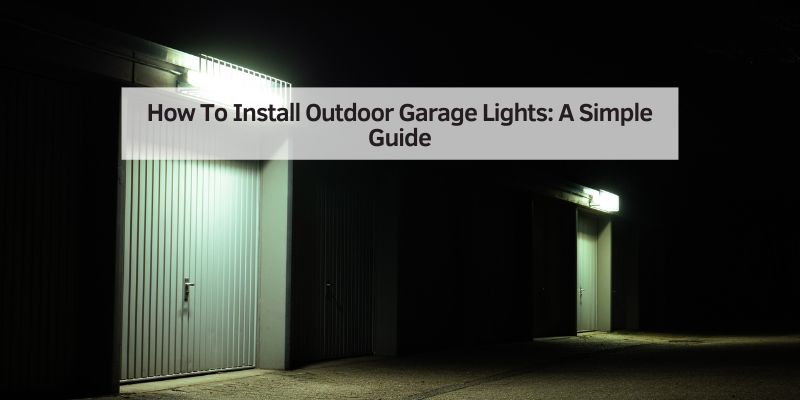
Outdoor garage lights are fixtures that light up your garage, driveway, or pathways. They make your home safer, easier to navigate at night, and even boost its look. Think of them as your home’s nighttime superheroes! You can pick wall-mounted lights, motion-sensor lights, or floodlights. Each type helps in its own way, like keeping intruders away or helping you find your keys in the dark.
Why They Matter
Good lighting isn’t just pretty—it’s practical. A well-lit garage stops trips, deters unwanted visitors, and makes parking a breeze. Plus, it can make your home feel welcoming. I once installed motion-sensor lights, and now they pop on when I pull in—total game-changer!
Tools and Materials You’ll Need
Before you start, grab these tools and materials. Most are cheap and easy to find at hardware stores like Home Depot or Lowe’s.
- Tools: Screwdriver, drill, level, wire stripper, voltage tester, ladder.
- Materials: Outdoor light fixture (LED or motion-sensor recommended), light bulbs, electrical conduit, mounting screws, wire nuts, electrical tape.
- Safety Gear: Gloves, safety glasses.
Here’s a quick table to help you choose:
| Item | Recommendation | Cost (Approx.) |
|---|---|---|
| LED Floodlight | 100W, motion-sensor, weatherproof | $20–$50 |
| Screwdriver Set | Basic Phillips and flathead | $10–$15 |
| Electrical Conduit | ½-inch PVC, 10 feet | $5–$10 |
Table 1: Basic Tools and Materials for Installing Outdoor Garage Lights

Step-by-Step Guide to Install Outdoor Garage Lights
Here’s how to install your lights, explained like I’m chatting with a friend. Follow these steps, and you’ll have a bright garage in no time!
- Turn Off the Power: Head to your main electrical panel and switch off the garage’s circuit breaker. Use a voltage tester to make sure no power is flowing. Safety first!
- Pick the Perfect Spot: Choose a spot 8–10 feet high to cover your driveway or walkway. Make sure it’s near a power source to avoid extra wiring. I learned this the hard way—my first light was too low and barely lit anything!
- Mark the Mounting Holes: Use a level to mark where you’ll drill. This keeps your light straight and professional-looking.
- Drill Pilot Holes: Drill small holes for the mounting screws. If you’re on siding, use a siding block for a flat surface.
- Run the Wiring: Thread wires through a conduit to protect them. Connect the wires to your home’s electrical system (black to black, white to white, green to ground). Use wire nuts and tape for a secure connection.
- Mount the Fixture: Screw the light fixture to the wall. I like motion-sensor lights because they save energy and light up only when needed.
- Install Bulbs and Cover: Pop in the bulbs and attach the lamp-holder cover. Tighten everything with your fingers—no need to overdo it.
- Test It Out: Turn the power back on and test your light. Adjust the motion sensor or angle if needed.
Visual Idea
Imagine a simple diagram showing a garage with a light fixture at 8 feet, arrows pointing to the driveway, and a label for the conduit path. Another sketch could show wire connections (black, white, green) for clarity.
Benefits of Outdoor Garage Lights
Outdoor garage lights are a win for safety and style. Here’s why they’re awesome:
- Safety: Lights stop trips and falls. No more stumbling in the dark!
- Security: Motion-sensor lights scare off intruders. My neighbor swears her lights stopped a raccoon invasion!
- Convenience: Automatic lights mean no fumbling for switches.
- Curb Appeal: A well-lit garage makes your home look sharp.
Drawbacks to Consider
No project is perfect. Lights can raise your electric bill a bit, especially non-LEDs. Also, motion sensors might trigger too often if not adjusted. I once had mine go off every time a cat ran by—annoying but fixable!
Alternative Approaches
Not ready for a hardwired light? Try these options:
- Plug-In Lights: These plug into an outlet, so no wiring is needed. Great for renters.
- Solar Lights: They run on sunlight, saving energy. Perfect if your garage gets lots of sun.
- Battery-Powered Lights: Easy to install, but you’ll need to swap batteries often.
Here’s a comparison table:
| Type | Pros | Cons | Best For |
|---|---|---|---|
| Hardwired | Reliable, long-lasting | Needs wiring skills | Permanent setups |
| Plug-In | Easy to install | Needs nearby outlet | Renters |
| Solar | No electric bill | Depends on sunlight | Sunny areas |
Table 2: Comparing Outdoor Garage Light Types
My Top Tips for Success
After installing a few lights, here are my best tips:
- Choose LED Bulbs: They last longer and save money. I’ve had mine for years with no replacements.
- Adjust Motion Sensors: Set the sensitivity low to avoid pets or leaves triggering it.
- Check Local Codes: Some areas have rules on light placement. A quick call to your city hall can save headaches.
- Test at Night: Adjust the light’s angle after dark to see exactly where it shines.
Common Mistakes to Avoid
- Skipping the Voltage Tester: Always check the power is off. I once got a tiny shock—yikes!
- Mounting Too High or Low: Aim for 8–10 feet for the best coverage.
- Ignoring Weatherproofing: Pick fixtures rated for outdoor use to avoid rust or damage.

Frequently Asked Questions
How Do I Choose the Right Outdoor Garage Light?
Look for weatherproof, LED, or motion-sensor lights. Pick a style that matches your home and covers your driveway. Check the wattage for brightness—100W is usually enough.
Can I Install Outdoor Garage Lights Myself?
Yes, if you’re comfortable with basic wiring. Follow safety steps like turning off power and using a voltage tester. If unsure, hire a pro.
How Much Does It Cost to Install Outdoor Garage Lights?
Expect $30–$100 for a fixture and bulbs. Tools add $20–$50 if you don’t own them. Professional installation might cost $100–$200 extra.
What’s the Best Height for Outdoor Garage Lights?
Aim for 8–10 feet high. This lights up your driveway without glare. Use a level to keep it straight.
Do Motion-Sensor Lights Save Energy?
Yes, they only turn on when needed. LEDs with motion sensors cut my electric bill compared to always-on lights.
How Do I Maintain Outdoor Garage Lights?
Clean the fixture yearly and check bulbs. Tighten screws and adjust sensors if they act up. Replace LEDs every 5–10 years.
Can I Use Solar Lights for My Garage?
Yes, if your garage gets enough sun. They’re easy to install but may dim in cloudy weather.
Conclusion
Installing outdoor garage lights is a fun, doable project that makes your home safer and prettier. With a few tools, some planning, and my tips, you can light up your driveway like a pro. Whether you go for motion-sensor LEDs or simple plug-ins, you’ll love the results. Try it out this weekend, and share your success with friends! Got a cool lighting idea? Let me know!