Squeaky Doors? Here’s How to Lubricate Door Hinge Like a Pro
My old bedroom door used to squeak so loud it sounded like a haunted house! One night, I grabbed a can of lubricant, and in five minutes, silence. If your doors creak, stick, or grind, this guide will show you how to lubricate door hinge the easy way. I’ll walk you through simple steps, share my favorite tips, and help you avoid my rookie mistakes. Whether you’re a beginner or a DIY pro, you’ll find clear advice to make your doors swing smoothly. Let’s fix those squeaks together!
What Is Lubricating a Door Hinge?
Lubricating a door hinge means adding a slippery substance to reduce friction. Squeaky hinges happen when metal parts rub together, often due to dirt or rust.
Hinges have a pin that holds two plates together. When you lubricate, you coat the pin and plates to make them glide. This stops annoying noises and makes doors easier to open. I learned this when my front door started waking the dog every time I came home!
Why It Matters
A quiet door keeps your home peaceful. Lubrication also prevents rust and extends hinge life. Plus, it’s a quick, cheap fix—way better than replacing hinges!
Tools and Materials You’ll Need
You don’t need much to lubricate a hinge. Here’s what I use:
- Lubricant: Silicone spray or white lithium grease works best.
- Screwdriver and hammer: For removing hinge pins.
- Rag or paper towel: To clean up messes.
- Optional: Penetrating oil for rusty hinges.
I keep a small toolbox with these items. You can find them at hardware stores like Home Depot for under $20 total.
Choosing the Right Lubricant
Not all lubricants are equal. Here’s a quick comparison:
| Lubricant | Pros | Cons | Cost |
|---|---|---|---|
| Silicone Spray | Easy to apply, clean, long-lasting | May collect dust over time | $5-10 |
| White Lithium Grease | Durable, great for heavy doors | Can be messy if overused | $6-12 |
| Olive Oil | Household item, quick fix | Attracts dirt, short-term | $0 (kitchen) |
| WD-40 | Penetrates rust, easy to find | Not a long-term lubricant | $4-8 |
Table 1: Comparing Common Door Hinge Lubricants
Silicone spray is my go-to for indoor doors. For outdoor or heavy doors, white lithium grease lasts longer. Avoid WD-40 as a main lubricant—it’s better for loosening rust than lasting lubrication.
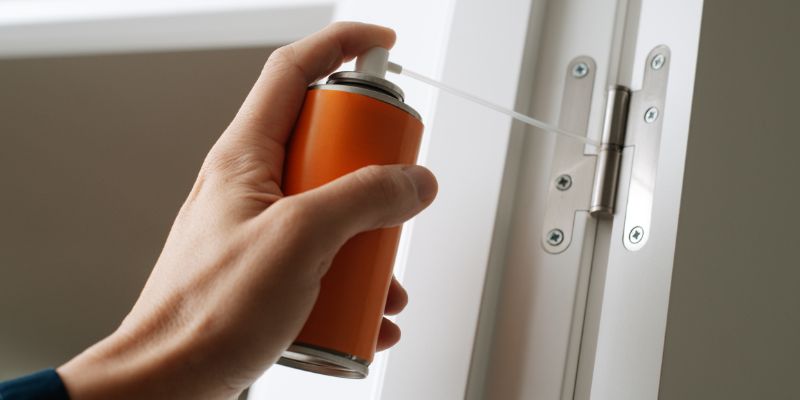
Step-by-Step Guide to Lubricate Door Hinge
Here’s how I lubricate hinges. It’s a piece of cake!
Step 1: Find the Squeaky Hinge
Open and close the door slowly. Listen for creaks to spot the noisy hinge. I once thought my whole door was squeaky, but it was just the top hinge!
Step 2: Clean the Hinge
Wipe the hinge with a rag to remove dust or grime. For tough dirt, use a damp cloth with a drop of soap, then dry it.
Step 3: Remove the Hinge Pin (If Possible)
If the pin is removable, tap it up with a screwdriver and hammer. Pull it out gently. Some hinges, like security hinges, have fixed pins—skip to the next section for those.
Step 4: Apply Lubricant
For removable pins:
- Wipe the pin clean with a rag.
- Coat the pin lightly with silicone spray or grease.
- Add a few drops inside the hinge barrel.
For fixed pins:
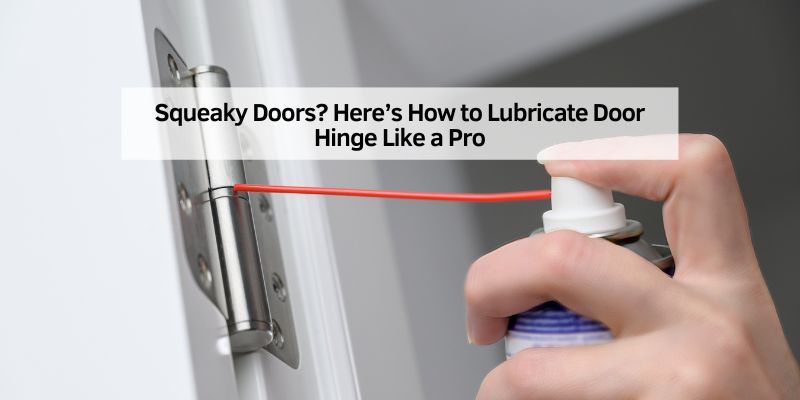
- Spray silicone or apply oil at the top of the hinge.
- Let it drip into the gaps.
I use a straw nozzle with silicone spray for precision. Too much lubricant makes a mess, so go easy!
Step 5: Reinstall the Pin
Slide the pin back into the hinge. Tap it gently with a hammer if needed. I once bent a pin by rushing—take your time!
Step 6: Test the Door
Swing the door back and forth. The squeak should be gone. If not, add a bit more lubricant and test again.
Step 7: Clean Up
Wipe excess lubricant with a rag. This keeps dust from sticking. I learned this the hard way when my carpet got oily spots!
Visual Idea: A diagram showing a hinge with labeled parts (pin, barrel, plates) would help beginners. Another could show where to spray lubricant on fixed pins.
Lubricating Non-Removable Hinge Pins
Some hinges, like those on older doors, have fixed pins. No problem! Spray silicone or apply oil at the top of the hinge. Open and close the door to work it in. I did this on my garage door, and it stopped squeaking in seconds. Use a rag to catch drips—trust me, it saves your floor.
Benefits of Lubricating Door Hinges
- Quiet Doors: No more creaks waking the house.
- Smooth Movement: Doors open with less effort.
- Longer Hinge Life: Less friction means less wear.
- Rust Protection: Lubricants shield against moisture.
The downside? Some lubricants, like olive oil, attract dirt. Stick to silicone or grease for lasting results.
Common Mistakes to Avoid
I’ve made plenty of blunders! Here’s what to watch out for:
- Using Too Much Lubricant: It drips and attracts dirt.
- Skipping Cleaning: Dirt traps make squeaks worse.
- Forcing Pins: This can bend them or damage hinges.
Once, I sprayed WD-40 like it was perfume. The squeak stopped for a week, then came back. Use the right stuff!
My Top Tips for Hinge Maintenance
After years of fixing squeaky doors, here are my best tricks:
- Check Alignment: If squeaks return fast, hinges might be misaligned. Tighten screws or call a pro.
- Lubricate Every 6-12 Months: High-use doors need it more often.
- Use a Doorstop: For heavy doors, take weight off hinges while lubricating.
I keep a can of silicone spray in my toolbox. It’s saved me from countless squeaky nightmares!
Comparing Maintenance Schedules
Here’s how often to lubricate based on door use:
| Door Type | Use Level | Lubrication Frequency |
|---|---|---|
| Front Door | High | Every 6 months |
| Bedroom Door | Medium | Every 12 months |
| Closet Door | Low | Every 18-24 months |
Table 2: Hinge Maintenance Schedule by Door Type
Visual Idea: A chart showing lubrication frequency for different doors would make planning easy.
Alternative Approaches
If lubrication doesn’t work, check for loose screws or bent hinges. Tightening screws fixed my pantry door once. For rusty hinges, soak with penetrating oil first, then lubricate. If all else fails, replace the hinge. Sites like Bob Vila have great guides on hinge replacement.
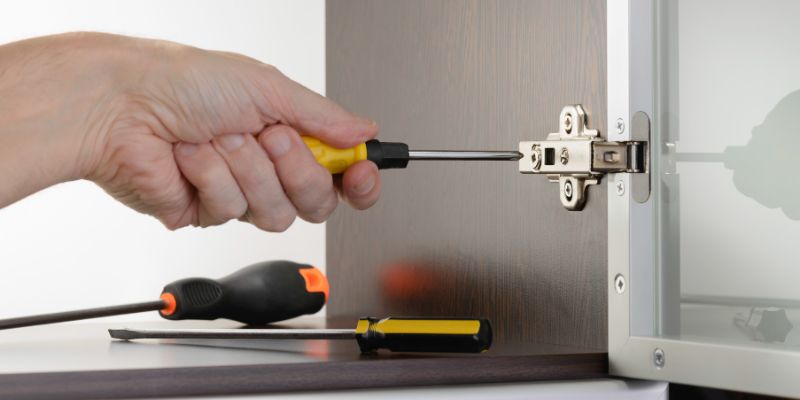
My First Squeaky Door Fiasco
My first attempt at lubricating a hinge was a total flop! I used cooking oil, and it worked for a day. Then, dust stuck to the hinge, and the squeak returned louder. Now, I stick to silicone spray or grease. Lesson learned: cheap fixes can cost you time!
Frequently Asked Questions
Why Does My Door Squeak?
Squeaks come from friction in the hinge, often due to dirt, rust, or lack of lubrication. Cleaning and adding a proper lubricant like silicone spray usually fixes it.
What’s the Best Lubricant for Door Hinges?
Silicone spray or white lithium grease are top choices. They last long and reduce friction well. Avoid WD-40 for long-term use—it’s better for rust.
Can I Use Household Items to Lubricate Hinges?
Yes, olive oil or petroleum jelly can work temporarily. They’re not ideal since they attract dirt. Use silicone spray for better results.
How Often Should I Lubricate Door Hinges?
Lubricate high-use doors every 6 months, medium-use doors yearly, and low-use doors every 18-24 months. Check more often if squeaks return.
What If My Hinge Pin Won’t Come Out?
For fixed pins, spray silicone or apply oil at the top of the hinge. Work the door to spread it. Don’t force pins out—it can damage the hinge.
Can Lubrication Fix a Stiff Door?
Lubrication helps, but check for loose screws or misalignment. Tighten screws or adjust the hinge if the door still sticks after lubricating.
Is WD-40 Bad for Door Hinges?
WD-40 isn’t great for long-term lubrication. It’s good for loosening rust but evaporates quickly. Use silicone or grease for lasting results.
Conclusion
Lubricating door hinges is a quick, easy fix for squeaky doors. With a can of silicone spray, a rag, and five minutes, you can make your home peaceful again. I’ve shared my steps, tips, and even my early mistakes to help you get it right. Try it on your noisiest door this weekend! Share your results or ask questions in the comments—I’d love to hear how it goes. For more DIY tips, check out Family Handyman. Let’s keep those doors quiet!