How to Open a Door Lock If Key Lost
Getting locked out is a common problem that can be stressful, especially if you’ve misplaced your key. Many people feel helpless when faced with a locked door and no key in sight. It can seem like a big challenge, but don’t worry.
This guide breaks down How to Open a Door Lock If the Key Is Lost into simple, easy steps. You’ll learn straightforward methods to get back inside without causing damage. Let’s get started on how to solve this frustrating situation.
Simple Ways to Open a Locked Door Without a Key
This section will cover the most common and accessible methods for opening a locked door when your key is missing. These techniques are designed for situations where you need a quick solution and may not have specialized tools. We’ll explore how to handle different types of locks using everyday items.
Using a Credit Card or Thin Plastic Card
One of the easiest ways to open a simple spring latch lock is by using a credit card or any sturdy, thin plastic card. This method works best on doors that open inwards. The goal is to slide the card between the door and the frame, near the latch.
You’ll need to angle the card and push it towards the door jamb, wiggling it gently. The card should slip past the latch bolt and push it back into the door.
Understanding Spring Latch Locks. A spring latch lock is the most common type found on interior doors. It has a beveled edge that automatically engages when the door is closed.
This bevel is what the credit card pushes against. The latch is held in place by a spring mechanism inside the lock. When enough force is applied at the right angle, the spring compresses, allowing the latch to retract.
This is why a thin, flexible but strong card can be so effective.
- Card Selection. Choose a card that is not too stiff but also not too flimsy. Old gift cards, library cards, or loyalty cards work well. Avoid using your primary credit or debit cards as they can bend or break.
- the latch is located. Aim for a point slightly above or below the doorknob.
- Wiggling and Pushing. Once the card is in, tilt it towards the door jamb. Apply gentle pressure and wiggle the card back and forth. You might need to push the door in slightly as you work the card. The aim is to get the card to slide past the angled part of the latch and push it back.
- Patience is Key. This method might take a few tries. Don’t get discouraged if it doesn’t work immediately. Keep experimenting with the angle and pressure.
Many people have successfully used this method to get back into their homes or offices without needing a locksmith. It’s a skill that can be surprisingly useful.
Bypassing a Door Lock with a Paperclip or Bobby Pin
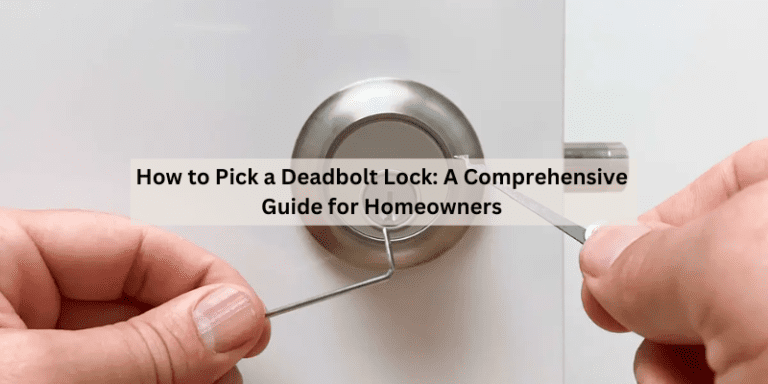
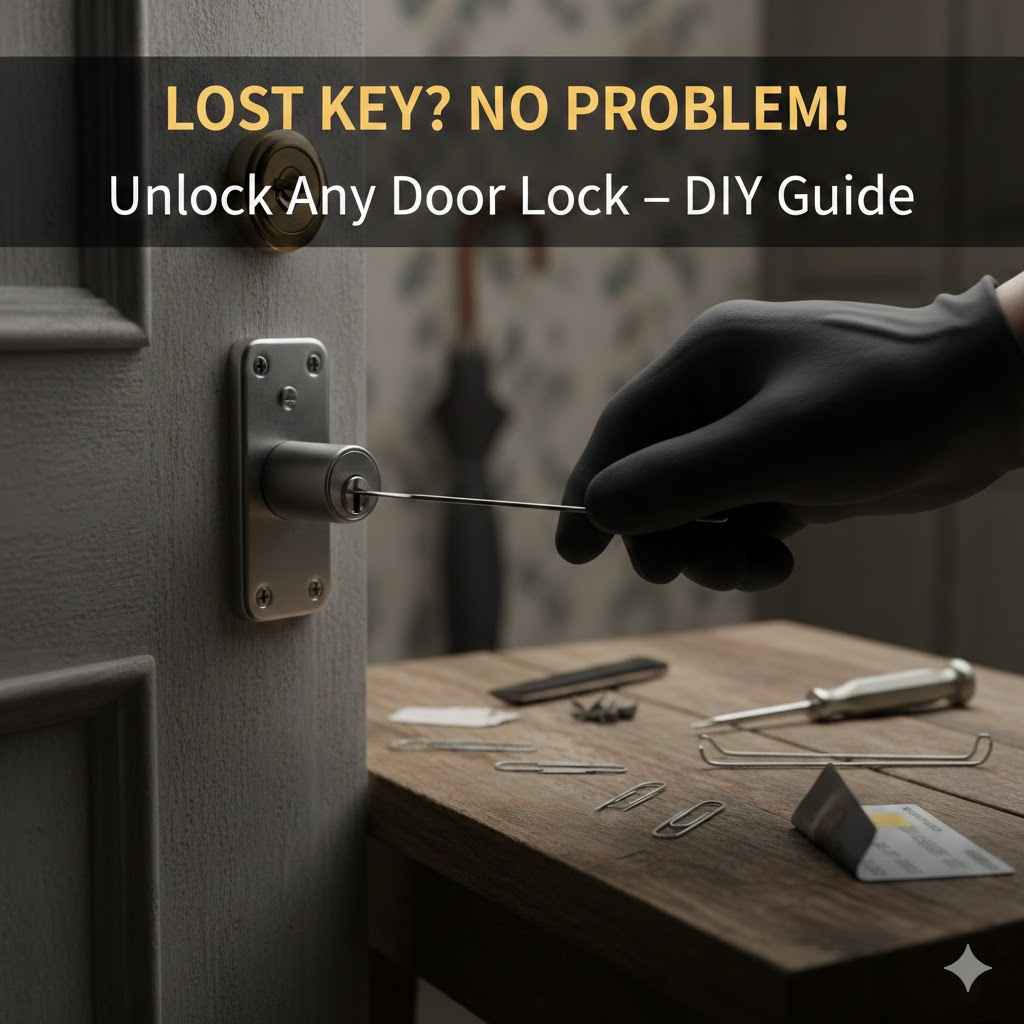
For doors with pin tumbler locks, a less invasive approach involves using tools that mimic a key. This is often referred to as lock picking, but for simpler locks, it can be done with common items like a paperclip or a bobby pin. This technique requires a bit more finesse and patience than the card method.
How Pin Tumbler Locks Work. Pin tumbler locks are secured by a series of pins that must be aligned to a specific height to allow the cylinder to turn. Each lock has an outer cylinder (the housing) and an inner cylinder (the plug).
Inside, there are usually two sets of pins: key pins (which extend from the plug into the housing) and driver pins (which are in the housing and push down on the key pins). When the correct key is inserted, its unique cuts lift the key pins and driver pins to the “shear line” between the plug and the housing, allowing the plug to rotate.
When you don’t have the key, you’re essentially trying to recreate the action of the key by lifting these pins to the shear line manually.
- Creating Your Tools. Straighten a paperclip or bobby pin, leaving a slight bend at the very tip. This bent tip will act as a “pick” to lift the pins. You will also need a second tool, like another straightened paperclip, bent into an L-shape. This will be your “tension wrench.”
- Applying Tension. Insert the tension wrench into the bottom of the keyhole. Apply very light, constant turning pressure in the direction you would normally turn the key to unlock it. This tension is crucial as it helps hold the pins in place once they are lifted to the correct height.
- Picking the Pins. Insert the pick tool into the top of the keyhole. Gently feel for the pins. Start from the back of the lock and try to lift each pin one by one. As you lift a pin, you might feel or hear a slight “click.” This means the driver pin has cleared the shear line. If you’ve applied the correct tension, the plug will rotate slightly, and the pin will stay in place.
- Finding the Shear Line. The goal is to get all the pins to the shear line. You’ll know you’re close when the tension wrench starts to turn more freely. If you over-tension, the pins will bind, and you’ll have to start over. Too little tension, and the pins will fall back down.
This method requires practice and a delicate touch. It is more effective on simpler locks and may not work on high-security or complex mechanisms.
When to Call a Professional Locksmith
While DIY methods can be effective for simple locks, some situations require the expertise of a professional locksmith. These include high-security locks, deadbolts that are jammed, or when you’ve tried other methods without success and don’t want to risk damaging the lock or door. Locksmiths have specialized tools and knowledge to open locks quickly and efficiently, often without any damage.
Understanding Locksmith Services. A professional locksmith is trained to handle a wide range of lock issues. They can often pick locks, bypass damaged mechanisms, or even re-key locks if you’ve lost your keys permanently and need new ones made for your existing locks.
They also carry a variety of tools, from specialized lock picks and bypass tools to drills and cutting equipment, used only when necessary.
When to Seek Professional Help.
- Complex Locks. If you have a deadbolt, a smart lock, or a high-security lock, attempting to pick it yourself can be difficult and potentially damaging. These locks are designed to resist tampering.
- Damaged Locks. If the lock is already showing signs of damage, or if you’ve tried to force it, a locksmith can assess the situation and determine the best course of action, which might involve repair or replacement.
- Urgency and Safety. If you are in a situation where you need immediate access due to a safety concern or emergency, calling a locksmith is the fastest and most reliable solution.
- Avoiding Property Damage. Incorrectly attempting to force a lock open can lead to expensive repairs to the door, frame, or the lock itself. A locksmith’s goal is to open the lock with minimal or no damage.
According to the Associated Locksmiths of America (ALOA), a reputable locksmith can typically resolve lockout situations within an hour. This speed and professionalism make them a valuable resource when DIY methods fail or are not suitable.
How to Open a Door Lock If the Key Is Lost Methods Summary Table
Here’s a quick comparison of the methods discussed to help you choose the best approach for your situation.
| Method | Type of Lock | Tools Needed | Difficulty Level | Potential for Damage |
|---|---|---|---|---|
| Credit Card | Simple Spring Latch | Sturdy plastic card | Easy | Low |
| Paperclip/Bobby Pin | Standard Pin Tumbler | Paperclips, bobby pins | Medium | Medium (if done incorrectly) |
| Professional Locksmith | All types, including complex/high-security | Specialized locksmith tools | Professional expertise | Very Low (when done by a pro) |
Preventing Future Lockouts
Once you’ve managed to open your door, it’s a good idea to think about how to avoid getting locked out again. Simple preventative measures can save you a lot of stress and potential expense down the line.
Smart Habits to Avoid Losing Keys
Losing keys is often a result of everyday habits. By making a few small changes, you can significantly reduce the chances of finding yourself locked out.
- Designated Key Spot. Always put your keys in the same place when you come home. This could be a hook by the door, a specific bowl on a table, or a drawer. Train yourself to do this automatically.
- Keychains with a Purpose. Attach a large, brightly colored keychain or a bulky fob to your keys. This makes them harder to misplace and easier to spot if they fall under furniture.
- Spare Key Solutions. Keep a spare key with a trusted neighbor, friend, or family member who lives nearby. For added security, consider a securely hidden lockbox outside your home for emergency access.
- Key Finders. Consider using a Bluetooth key finder or a tile. These small devices attach to your keychain and can be located via a smartphone app, often with an audible alert.
Statistics show that lost keys are a very common reason for locksmith calls. For example, a survey by KeyMe found that Americans collectively spend over $3 billion each year replacing lost keys and dealing with lockouts.
When to Rekey or Replace Locks
If you’ve lost your keys and are unsure if they’ve fallen into the wrong hands, it’s wise to consider rekeying or replacing your locks. This ensures that your home remains secure.
Rekeying vs. Replacing. Rekeying involves changing the internal pins of the lock cylinder so that a new key operates it, while the existing lock hardware stays in place.
This is generally less expensive than replacing the entire lock. Replacing the lock means installing a brand-new lock mechanism.
- Security Concerns. If you suspect your key was stolen or if it’s a master key that could grant access to multiple areas, rekeying or replacing all affected locks is the safest option.
- Worn-Out Locks. If your locks are old, rusty, or difficult to operate, losing a key can be a good opportunity to upgrade to newer, more secure locks.
- Cost-Effectiveness. For a few lost keys, rekeying is often more cost-effective than buying new locks for every door. However, if the locks are very old or damaged, replacement might be a better long-term solution.
A study by the National Association of Insurance Commissioners found that approximately 1 in 10 households reported experiencing a break-in, highlighting the importance of maintaining good lock security.
Frequently Asked Questions
Question: What is the easiest way to open a door if I lost my key?
Answer: For simple interior doors with spring latches, sliding a sturdy plastic card between the door and the frame can often retract the latch. This is generally the easiest and most accessible method for beginners.
Question: Can I pick my own lock with household items?
Answer: Yes, with some patience and practice, you can try picking basic pin tumbler locks using straightened paperclips or bobby pins. One acts as a pick, and another as a tension wrench.
Question: How long does it take for a locksmith to open a door?
Answer: A professional locksmith can typically open a locked door quickly, often within 30 minutes to an hour, depending on the lock type and accessibility.
Question: What should I do if my door lock is broken?
Answer: If the lock is broken or jammed, it’s best to call a professional locksmith. Attempting to force a broken lock can cause more damage and lead to more expensive repairs.
Question: Is it better to rekey or replace my locks after losing a key?
Answer: If you suspect your lost key might have been found by someone else, rekeying or replacing the lock is recommended for security. Rekeying is usually cheaper if the lock hardware is still good.
Summary
Knowing How to Open a Door Lock If the Key Is Lost can save you time and stress. We’ve covered simple methods like using a credit card for spring latches and paperclips for pin tumbler locks. Remember, when in doubt or dealing with complex locks, calling a professional locksmith is the safest and most efficient option to avoid damage.