How to Open a Door That Is Locked from Inside
Hey there, friend! Let’s tackle a situation we’ve all run into at some point: figuring out how to open a door that’s locked from the inside. I’ve been there myself—standing outside my bedroom door, key in hand, wondering how to get in without making a mess. It’s frustrating, but I’ve spent time exploring this topic, from trying DIY tricks to chatting with locksmiths about the best solutions.
Whether it’s your car, your house, or even a bathroom door your kid accidentally locked, I’m here to guide you through it with practical tips and a friendly vibe. This isn’t just about getting through a door—it’s about doing it calmly and smartly. So, pull up a chair, and let’s dive into the world of locked doors and how to open them!
I’ve broken this down into easy steps and insights, so you’ll know what to do next time you’re stuck. From understanding lock types to knowing when to call a pro, I’ve got you covered with advice that works for homes across the USA. Let’s get started!
Why Doors Get Locked from the Inside
First, let’s talk about why this happens. I’ve locked myself out of rooms more times than I’d like to admit, and each time, it’s a different story. Maybe someone turned the lock from the inside and left through another door. Or perhaps a kid was playing and flipped the lock. In cars, it’s often a faulty key fob or a door that locks automatically. Understanding the “why” helps you stay calm and figure out the best approach.
Inside locks are common in bedrooms, bathrooms, or even car doors with manual locks. They’re designed for privacy or safety, but they can catch you out if you’re not careful. I once had a bathroom door lock me out when my toddler thought it was a fun game to twist the knob. Knowing the lock type—whether it’s a push-button, twist knob, or deadbolt—makes a big difference. Let’s look at the types of locks you might face.
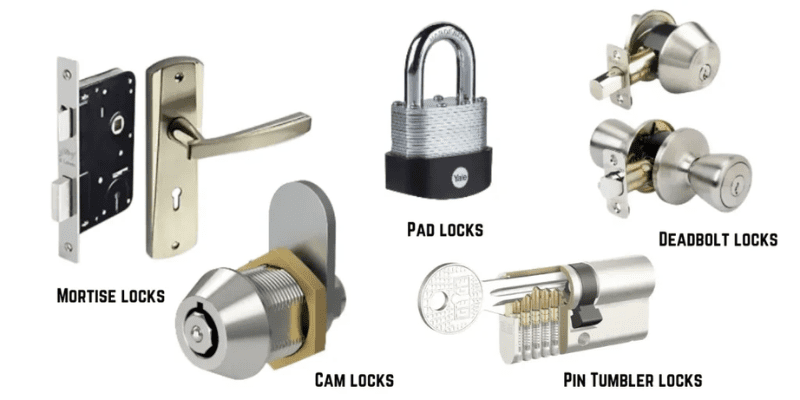
Types of Locks You Might Encounter
Not all locks are the same, and I learned this the hard way. When I first tried to open a locked bedroom door, I assumed every lock could be picked with a paperclip. Nope! Here’s what I’ve found about common locks:
- Push-Button Locks: These are often on bathroom or bedroom doors. You push a button on the inside knob to lock it. They’re simple and usually have a small hole on the outside for emergency access.
- Twist Knob Locks: Similar to push-button, but you twist the knob to lock it. These are common in older homes and also have an emergency release hole.
- Deadbolts: Found on exterior doors or car trunks, these are sturdier. They need a key or a thumb-turn from the inside. Some have double-sided deadbolts, which lock from both sides.
- Car Door Locks: These can be manual (a pin or knob) or electronic (controlled by a fob). If locked from inside, it’s often due to a fob glitch or child safety locks.
Each lock needs a different approach. I’ve tried opening a push-button lock with a paperclip and a deadbolt with a credit card—spoiler: the paperclip worked better. Let’s explore some tools you’ll need before you start.
Tools You Might Need
Before you try opening a locked door, gather a few tools. I keep a small “emergency kit” in my garage now, thanks to my lockout adventures. Here’s what I recommend having on hand:
- Paperclip or Small Screwdriver: Great for push-button or twist knob locks with a release hole.
- Credit Card or Plastic Card: Useful for spring-latch doors, like some interior doors.
- Butter Knife: A substitute for a credit card if the lock is simple.
- Bobby Pin: Handy for basic lock-picking, though it takes practice.
- Lock-Picking Kit: If you’re serious about learning, a beginner’s kit can help with deadbolts.
- Lubricant (like WD-40): Helps if the lock is sticky or jammed.
- Flashlight: For seeing small holes or lock mechanisms in dim light.
I once used a straightened paperclip to unlock my bathroom door when my kid was stuck inside. It was a lifesaver! But always check what you’re working with—car locks might need different tools than house doors. Now, let’s get to the methods for opening that door.
Method 1: Using the Emergency Release Hole
Many interior doors, like bathroom or bedroom ones, have a small hole on the outside knob. I discovered this when I was locked out of my guest room. These holes are for emergency access, and they’re super easy to use if you know how.
Take a paperclip, straighten it, or grab a small screwdriver. Insert it into the hole and push gently. You might feel a little resistance, but keep going until you hear a click. That’s the lock releasing. I tried this on my bathroom door, and it took less than a minute. If it doesn’t work, the hole might be decorative, or the lock is a different type. Don’t force it—move on to another method to avoid damaging the knob.
This method doesn’t work for deadbolts or car doors, but it’s a go-to for privacy locks. Always keep a paperclip handy for these situations—it’s saved me more than once!
Method 2: The Credit Card Trick
You’ve seen this in movies, and I was skeptical until I tried it. The credit card trick works on spring-latch doors, where the latch slides into the door frame. I used it on an old bedroom door in my house, and it was surprisingly simple.
Take a flexible card, like an expired credit card or a loyalty card. Slide it between the door and the frame, right where the latch is. Angle the card toward the knob and wiggle it while pushing the door. The goal is to push the latch back into the door. I had to jiggle it a bit, but the door popped open after a few tries.
This won’t work on deadbolts or high-security locks, and it’s tricky on exterior doors. Also, don’t use your actual credit card—you might snap it! I keep a spare gift card in my toolkit for this. If it fails, let’s try something else.
Method 3: Picking the Lock
Lock-picking sounds intimidating, but I gave it a shot with a bobby pin on a simple bedroom lock. It’s not as easy as it looks, but with practice, it can work on basic pin-and-tumbler locks. Here’s how I did it:
Straighten a bobby pin, leaving a small bend at the end. Use another pin or a small screwdriver as a tension wrench. Insert the tension wrench into the bottom of the keyhole and apply gentle pressure, like you’re turning a key. Then, slide the bobby pin in above it and feel for the pins inside. Push each pin up until it clicks. It took me 15 minutes the first time, and I felt like a spy!
This method is best for deadbolts or older locks. Car locks are tougher, especially electronic ones, so don’t try this on your vehicle. If you’re not patient, skip calling a pro. But if you’re curious, practice on a cheap lock first—I did, and it helped.
Method 4: Removing the Doorknob
Sometimes, the lock won’t budge, and you need to get serious. I had to remove a doorknob once when my office door locked itself from the inside. It sounds daunting, but it’s doable with a screwdriver.
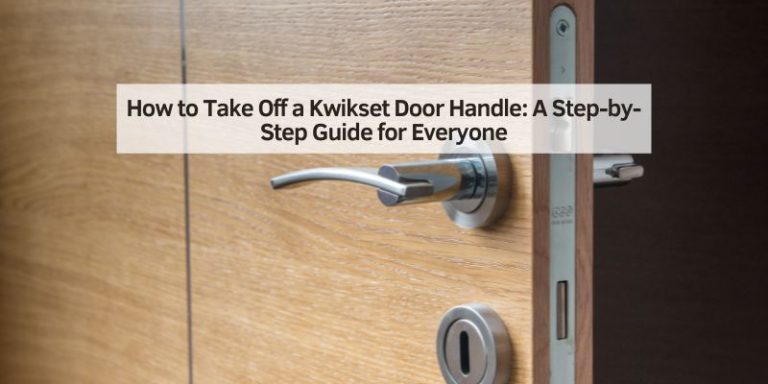
Look for screws on the outside of the knob. Most interior knobs have two screws holding them in place. Unscrew them, and the knob should come off, letting you access the lock mechanism. If there are no visible screws, check for a small slot or pin—push it with a paperclip to release the knob. Once the knob is off, you can usually pop the latch open with your fingers or a screwdriver.
This worked for me, but it’s messy and can damage the knob if you’re not careful. Don’t try this on car doors or high-security locks—it’s for interior doors only. If you’re unsure, let’s talk about when to call a locksmith.
When to Call a Locksmith
I’m all for DIY, but sometimes you need a pro. I called a locksmith when my car door locked with the keys inside, and it was worth every penny. Here’s when I’d recommend calling one:
- Car Locks: Modern cars have complex electronic locks. Picking them can damage the system.
- Deadbolts: High-security deadbolts are tough to pick without pro tools.
- No Progress: If you’ve tried everything and the door won’t budge, don’t force it.
- Valuable Property: If the door leads to something important, like a safe or your home’s main entrance, a locksmith ensures no damage.
Locksmiths cost $50-$150, depending on the job and time of day. I keep a local locksmith’s number saved after my car incident. They’re fast and know tricks I’d never master. If it’s an emergency, don’t hesitate—call right away.
Special Case: Car Doors Locked from Inside
Cars are a different beast. I’ve locked my keys in my car twice—once because the fob died, and once because my kid hit the lock button. If your car door is locked from the inside, try these steps:
- Check All Doors: Sometimes, only one door is locked. I found my back door open once, saving me a hassle.
- Use a Spare Key: If you have a spare, now’s the time. I keep one in my wallet now.
- Try the Fob: If the fob isn’t working, replace the battery. A dead fob locked me out once.
- Call Roadside Assistance: AAA or your insurance might cover lockouts. They got me into my car in 20 minutes.
- Slim Jim (with Caution): A slim jim can work on manual locks, but it’s risky for electronic systems. I left this to a pro to avoid wiring damage.
Child safety locks can also cause issues. If the rear doors won’t open from inside, check the driver’s side controls to disable them. I learned this after my kid couldn’t get out!
Preventing Future Lockouts
After my lockout sagas, I got proactive. Here’s what I do to avoid getting locked out again:
- Spare Keys: I hide a spare house key outside (in a lockbox) and keep a car spare in my bag.
- Regular Maintenance: Lubricate locks with WD-40 every few months to prevent sticking.
- Smart Locks: I installed a smart lock on my front door. It uses a code, so no key needed.
- Teach Kids: I showed my kids how locks work to avoid accidental lockouts.
- Check Before Closing: I always double-check for keys before shutting a car or house door.
These steps have saved me so much stress. A little prep goes a long way!
Table: Comparing Methods to Open a Locked Door
Here’s a quick comparison of the methods I’ve tried:
| Method | Best For | Tools Needed | Difficulty | Risk of Damage |
|---|---|---|---|---|
| Emergency Release Hole | Push-button/twist knob locks | Paperclip, screwdriver | Easy | Low |
| Credit Card Trick | Spring-latch doors | Credit card, butter knife | Medium | Low |
| Lock-Picking | Basic deadbolts, older locks | Bobby pin, tension wrench | Hard | Medium |
| Removing Doorknob | Interior doors | Screwdriver, paperclip | Medium | High |
| Call a Locksmith | Cars, high-security locks | Phone | Easy | None |
Safety and Legal Tips
Before you start, a quick word on safety and legality. I’ve learned to be careful after a neighbor thought I was breaking in while trying to open my own door! Always confirm you have permission to open the door—don’t try this on someone else’s property. If you’re renting, check with your landlord before removing knobs or picking locks.
Also, be gentle with tools. Forcing a lock can break it, costing more to fix. If you’re working on a car, avoid messing with electronic systems unless you’re trained. And if you’re locked out at night, stay safe—call a locksmith if you’re in a sketchy area.
Conclusion
So, how do you open a door that’s locked from the inside? It’s all about knowing your lock and picking the right method. I’ve been through the panic of being locked out, from my bathroom to my car, and each time, I learned a new trick. Whether it’s a paperclip in the emergency hole, a credit card for a quick latch, or calling a locksmith for peace of mind, there’s a solution for every situation. The key is staying calm, gathering tools, and knowing when to DIY or go pro.
I hope this guide helps you tackle any locked door with confidence. Next time you’re stuck, try these tips, and you’ll be back inside in no time. And don’t forget to set up spares and smart locks to prevent future headaches. Thanks for hanging out with me on this journey through locks—here’s to never being locked out again!
FAQs
What’s the fastest way to open a bathroom door locked from the inside?
Use a paperclip or small screwdriver in the emergency release hole on the outside knob. It usually takes less than a minute.
Can I use a credit card on any locked door?
No, it only works on spring-latch doors, like some interior ones. Deadbolts or car locks need different methods.
Is lock-picking legal for my own door?
Yes, if it’s your property or you have permission. But don’t try it on someone else’s door—it could be illegal.
What if my car is locked with keys inside?
Check all doors, try a spare key, or call roadside assistance. Avoid picking modern car locks, as it can damage electronics.
How can I stop getting locked out?
Keep spare keys in a lockbox or bag, use smart locks, and always check for keys before closing doors.