How to Protect Outdoor Ceiling Fan from Wind: Expert Tips
Imagine this: you’re enjoying a pleasant evening on your patio, the gentle breeze perfectly complemented by your trusty outdoor ceiling fan. Suddenly, a strong gust of wind threatens to disrupt this peaceful scene.
You might be wondering, “How can I protect my outdoor ceiling fan from wind damage? ” You’re not alone. Many homeowners face this issue, but the good news is that there are simple solutions to safeguard your fan against the elements.
You’ll discover practical tips and tricks that will not only protect your fan but also extend its lifespan, ensuring that your outdoor space remains a serene retreat. Keep reading to learn how you can keep your fan spinning safely and smoothly, even when the wind picks up.
Choosing The Right Outdoor Fan
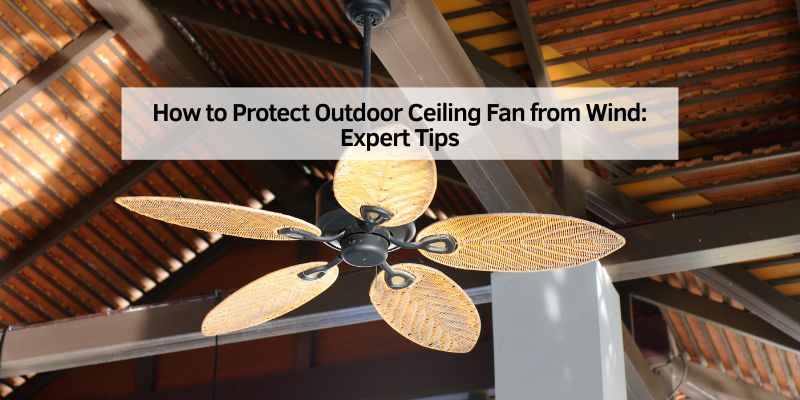
Outdoor fans need strong weather-resistant features. These features help the fan last longer outside. Look for fans with sealed motors. Sealed motors keep water out. This protects the fan from rain and snow. Fans with UV-resistant bladesare also good. These blades do not fade in sunlight. Some fans have corrosion-resistant coatings. These coatings stop rust from forming. Rust can damage the fan. A fan with strong features stays safe in wind and rain.
Durable materialsmake a fan last longer. Metal fans are strong. They resist wear and tear. Look for fans made of stainless steel. Stainless steel does not rust. Plastic fans with strong blades are good too. These blades bend but do not break easily. Fans with all-weather finishesare best. These finishes protect against wind and sun. A fan with good materials works well outside. It stays safe and strong for many years.
Credit: www.houzz.com
Installation Techniques For Stability
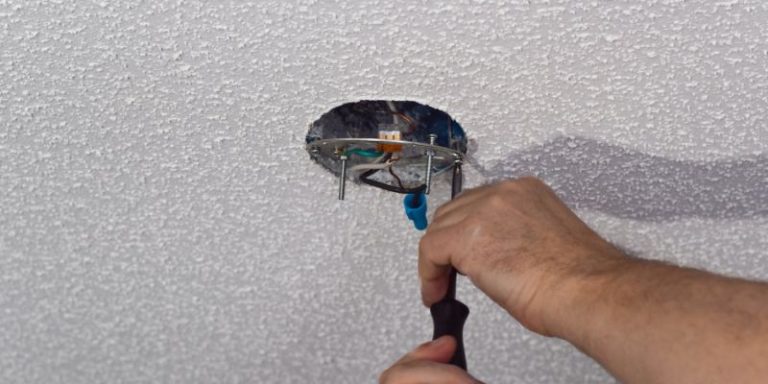
A sturdy mount keeps your ceiling fan safe. Use strong brackets for support. Choose materials that can withstand strong winds. Steel or heavy-duty metal works best. Make sure screws fit tightly. Loose screws can cause trouble. Double-check everything once installed. Safety first!
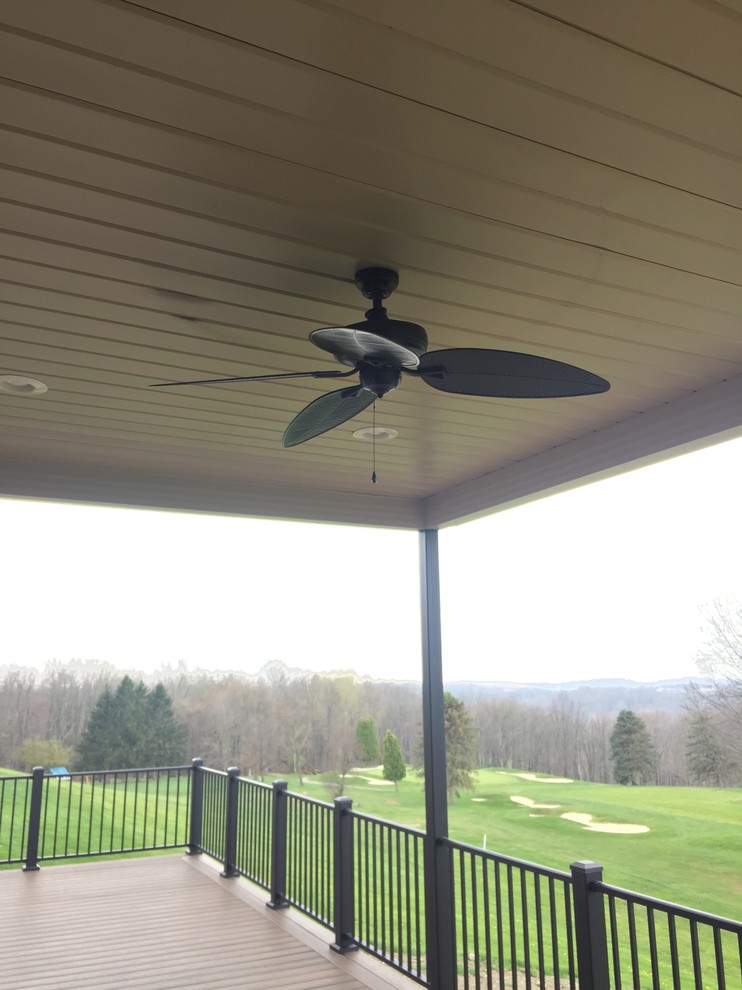
Install the fan at the right height. Too low and it may hit people. Too high and the wind can affect it. A balanced height is key. Also, pick a good spot. Avoid areas with direct wind. Find a sheltered location if possible. Trees and buildings can help block the wind. This keeps your fan safe and stable.
Maintenance Tips For Longevity
Fans need clean blades to work well. Use a soft cloth to wipe away dust. Make sure the cloth is dry. Dirt can make the fan slow. A clean fan lasts longer. Don’t forget the motor. It needs cleaning too. Use a brush for tricky spots. Clean parts weekly for best results. Avoid water on electrical parts. Safety is important.
Check the fan often for loose screws. Tighten them if needed. Look for rust. Rust can damage parts. Oil the motor if it feels stiff. Inspect wires for wear and tear. Replace worn wires quickly. Ensure blades are balanced. Unbalanced blades can wobble. Wobbling causes damage. Regular checks keep the fan safe.

Credit: uaikieaofficial.com
Wind Protection Strategies
Using windbreaks can be very helpful. Tall plants or fences block strong winds. This makes your fan safer. Trees and shrubs act as shields. They are natural and effective. Fence panels offer sturdy protection. These panels can be made of wood or metal. Both work well. Screens are another option. They block wind but let air pass. Choose what suits your space best.
Covers keep your fan safe. Waterproof covers are best for rainy days. They stop water damage. Use durable covers for wind protection. They last longer. Custom-fit covers work well. They fit the fan perfectly. These covers protect against dust too. Velcro straps keep covers in place. They stop wind from blowing covers away. Always cover your fan when not in use.
Safety Precautions In High Wind Areas
Check the weather forecast daily. Know when strong winds are coming. Use a reliable weather app. Wind alerts can help you stay ready. Keep an eye on wind speed changes. If wind speed rises, take action. Protect your ceiling fan from damage. Wind gusts can be dangerous.
Have a plan for emergencies. Turn off the fan during storms. Fast winds can cause accidents. Secure the fan tightly. Remove loose objects near the fan. They can fly and hit the fan. Keep safety tools nearby. Use ropes or straps to secure items. Keep a list of emergency contacts. Know who to call for help.
Expert Advice And Recommendations
Experts know how to handle outdoor fans. They can give good advice. Professionals understand what works best. They have seen many problems before. Trust their experience and skills. They can suggest the best solutions. This helps your fan last longer. It’s always smart to ask for help. They can check your fan too. This ensures everything is in order.
Reliable brands make strong fans. These fans can stand strong winds. Choose brands with good reviews. This means many people trust them. Quality products will save you money. They break less often. Invest in the best you can afford. This is a good decision. Look for brands known for outdoor products. They will know what is needed.
Frequently Asked Questions
How To Secure An Outdoor Ceiling Fan?
To secure an outdoor ceiling fan, use sturdy mounting brackets and screws. Ensure it’s installed on a flat, stable surface. Regularly check and tighten all screws and bolts. Use a fan cover when not in use to protect it from wind and debris.
Can Wind Damage Outdoor Ceiling Fans?
Yes, strong winds can damage outdoor ceiling fans. They may loosen screws or bend blades. Regular maintenance and using protective covers can prevent damage. Installing the fan in a sheltered area can also help. Consider using fans designed for high-wind conditions.
What Materials Are Best For Outdoor Fans?
Outdoor fans should be made of durable, weather-resistant materials. Stainless steel, aluminum, and high-quality plastics are recommended. These materials resist rust and corrosion. Ensure the fan is rated for outdoor use to withstand various weather conditions.
Should I Remove The Fan During Storms?
It’s advisable to remove or secure the fan during severe storms. High winds can cause damage to the fan and surrounding structures. If removal is not possible, use a weatherproof cover and ensure all parts are tightly secured.
Conclusion
Protecting your outdoor ceiling fan from wind is essential. Regular maintenance ensures longevity and performance. Install a wind-resistant fan model for added security. Secure connections and use weatherproof materials. This prevents damage and costly repairs. Simple precautions make a big difference.
Your fan stays safe and efficient. Enjoy cool breezes without worry. Implement these tips to extend your fan’s life. Keep it running smoothly all season. A small effort today saves headaches tomorrow. Ensure your outdoor space remains comfortable. Your fan will thank you.
Stay proactive and enjoy peace of mind.