How to Put on a Door Handle: A Step-by-Step Guide
Hey there! If you’ve ever walked into a room and noticed a wobbly or missing door handle, you know how frustrating it can be. A door handle isn’t just about function—it’s about making your home feel polished and welcoming. I’ve tackled this task plenty of times in my own home, and trust me, installing a door handle is easier than it looks. Whether you’re upgrading your home’s style or fixing a broken knob, I’m here to walk you through the process of putting on a door handle like a pro. This guide is packed with practical tips, clear steps, and a few lessons I’ve learned along the way. Let’s dive in and get that door handle installed!
Why Installing a Door Handle Matters
A door handle does more than just open a door. It’s a small detail that can elevate the look of your home. I remember the first time I swapped out an old, tarnished knob for a sleek, modern one—it was like giving my front door a mini makeover. Beyond aesthetics, a sturdy handle ensures your doors work smoothly and securely. Whether it’s for safety, style, or simply fixing a loose handle, knowing how to install one is a handy skill for any homeowner. Plus, doing it yourself saves money and gives you a sense of accomplishment. Let’s explore what you’ll need to get started.
Tools and Materials You’ll Need
Before you begin, gather your tools and materials. I learned the hard way that having everything ready makes the job much smoother. Here’s what I typically use:
| Tool/Material | Purpose |
|---|---|
| New door handle set | The main component you’ll install. |
| Screwdriver (Phillips/flat) | For removing and tightening screws. |
| Measuring tape | To check alignment and spacing. |
| Drill (optional) | For creating new holes if needed. |
| Chisel (optional) | For adjusting the strike plate or latch area. |
| Pencil | To mark spots for drilling or alignment. |
| Level | To ensure the handle is straight. |
| Screws (usually included) | For securing the handle and latch. |
Most door handle kits come with everything you need, including screws and a latch. Double-check that your kit matches your door’s thickness (standard is 1-3/8 to 1-3/4 inches). If you’re replacing an old handle, make sure the new one fits the existing holes. I once bought a fancy handle only to realize it didn’t match my door’s setup—lesson learned!
Choosing the Right Door Handle
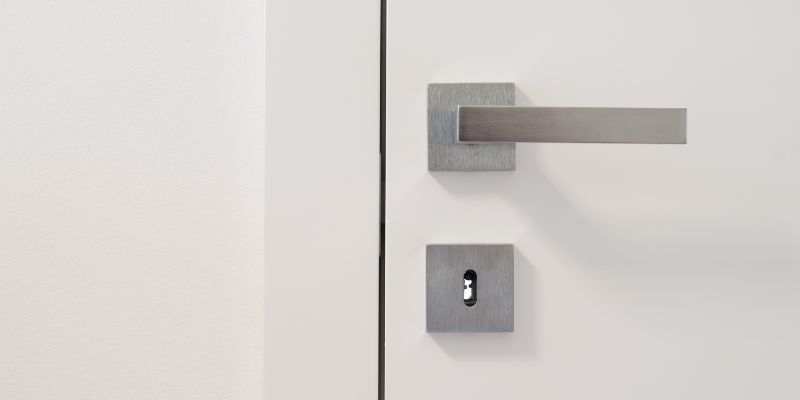
Picking the right door handle can feel overwhelming with so many options out there. I’ve spent hours browsing hardware stores, and here’s what I’ve figured out. First, decide on the type: knob or lever. Knobs are classic and budget-friendly, while levers are easier to grip, especially for kids or elderly folks. Next, consider the finish—brushed nickel, matte black, or brass can completely change the vibe of a room.
You’ll also want to think about function. For interior doors, a simple passage handle (no lock) usually works. For bathrooms or bedrooms, a privacy handle with a lock is ideal. For exterior doors, go for a keyed entry handle for security. I made the mistake of installing a passage knob on my bathroom door once—let’s just say it led to some awkward moments! Check the packaging for terms like “passage,” “privacy,” or “entry” to know what you’re getting.
Preparing Your Door for Installation
Before you start, take a moment to prep your door. I always clear the area around the door to give myself space to work. If you’re replacing an old handle, remove it first. Use a screwdriver to take out the screws holding the old handle in place. Most handles have two screws on the interior side. Once those are out, the handle and latch should pop off easily.
If your door is new or doesn’t have pre-drilled holes, you’ll need to measure and mark where the handle and latch will go. Standard handle height is about 36 inches from the floor, but I always double-check with a measuring tape. Use a pencil to mark the spots for the handle and latch. If your kit includes a template, use it—it’s a lifesaver for getting the measurements right.
Step-by-Step Guide to Installing a Door Handle
Now, let’s get to the fun part—installing the handle! I’ve broken this down into simple steps based on my own experience. Follow along, and you’ll have that handle on in no time.
Step 1: Install the Latch
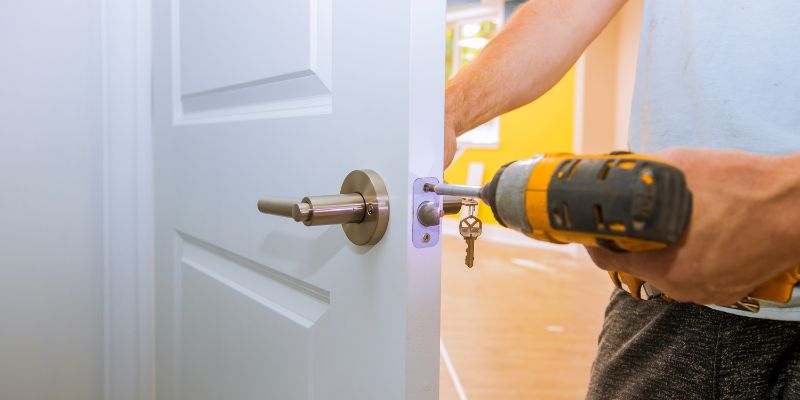
The latch is the part that goes into the edge of the door and catches the strike plate. Slide the latch into the hole on the door’s edge. Make sure the curved side of the latch faces the direction the door closes. For example, if your door swings inward, the curve should face the inside of the room. Secure the latch with the two screws provided. I always tighten them gently at first, then go back to make sure they’re snug.
Step 2: Attach the Exterior Handle
Take the exterior half of the handle (the part that goes on the outside of the door). Line it up with the pre-drilled hole on the door. The spindle (the rod that connects the two handles) should slide through the latch mechanism. I’ve found it helps to wiggle it a bit to make sure it’s seated properly. Hold the exterior handle in place while you move to the next step.
Step 3: Secure the Interior Handle
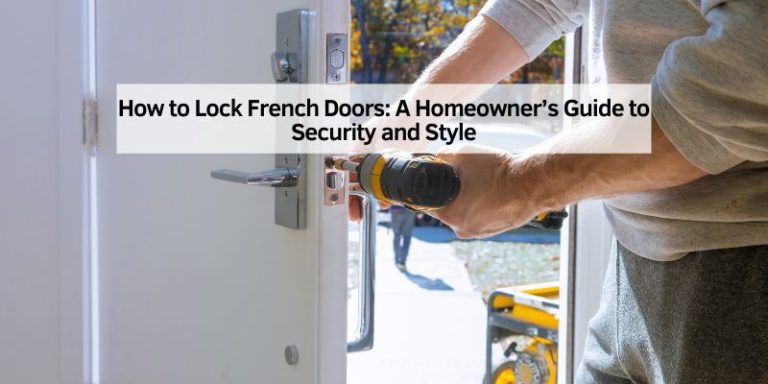
Now, grab the interior handle and line it up with the spindle. Most handles have screw holes that align with posts on the exterior handle. Insert the screws and tighten them with a screwdriver. Don’t overtighten—I did that once and ended up stripping the screw, which was a headache to fix. Use a level to make sure the handle is straight before fully tightening.
Step 4: Install the Strike Plate
The strike plate is the metal piece that goes on the door frame, where the latch catches. Line it up with the latch and mark the screw holes with a pencil. If the frame doesn’t have pre-drilled holes, you may need to drill pilot holes or use a chisel to create a recess for the plate. Secure it with screws. I always test the door at this point to make sure the latch catches smoothly.
Step 5: Test the Handle
Close the door and test the handle a few times. Turn it to make sure the latch retracts and extends properly. Open and close the door to check that it latches securely. If it feels loose or sticky, double-check the screws and alignment. I once had a handle that wouldn’t catch because the latch was slightly misaligned—a quick adjustment fixed it.
Troubleshooting Common Issues
Even with careful installation, things can go wrong. Here are some issues I’ve run into and how to fix them:
- Handle feels loose: Tighten the screws on the interior and exterior handles. If they’re stripped, you may need longer screws or a repair kit.
- Latch doesn’t catch: Check if the strike plate is aligned with the latch. You may need to adjust or reposition it.
- Handle is stiff: Make sure the spindle is properly seated in the latch. Lubricate the latch with a bit of graphite powder if needed.
- Wrong handle type: If you accidentally bought a passage handle for a locking door, you’ll need to exchange it for the right one.
I once installed a handle upside down (yep, it happens!). If the handle looks odd or doesn’t turn smoothly, double-check the orientation.
Tips for a Professional Finish
To make your door handle look like it was installed by a pro, here are a few tricks I’ve picked up:
- Clean the area: Wipe down the door and handle to remove fingerprints or dust. A clean handle shines brighter.
- Match the hardware: If you’re replacing multiple handles, use the same finish for a cohesive look. I learned this after mixing brass and nickel in one room—not a good look!
- Check door alignment: If your door sags or sticks, the handle won’t work smoothly. Adjust the hinges or sand down sticky spots.
- Keep spares: Save any extra screws or parts from the kit. They come in handy for future repairs.
Maintaining Your Door Handle
Once your handle is installed, a little maintenance goes a long way. I check my handles every few months to make sure they’re tight and working smoothly. Dust and grime can build up, so I wipe them down with a damp cloth and mild soap. Avoid harsh chemicals—they can damage the finish. If the handle starts to squeak, a tiny bit of lubricant on the latch or spindle usually does the trick. For exterior handles, I check for rust or wear, especially after harsh weather.
Why DIY Door Handle Installation Is Worth It
Doing this project yourself is rewarding. Not only do you save on labor costs (which can run $50-$100 per door), but you also gain confidence in your home improvement skills. I felt so proud the first time I installed a handle without calling a handyman. Plus, you can customize your home’s look without breaking the bank. Whether it’s a sleek lever for your modern living room or a vintage knob for your cozy bedroom, the right handle makes a big difference.
Conclusion
Installing a door handle might seem like a small task, but it’s one of those projects that can transform your home’s feel and function. I’ve walked you through every step, from picking the right handle to troubleshooting issues, based on my own trial-and-error experiences. With a few tools, a bit of patience, and this guide, you’re ready to tackle this project like a seasoned DIYer. So grab that screwdriver, choose a handle that matches your style, and give your door the upgrade it deserves. You’ll be amazed at how such a simple change can make your home feel more like you. Happy installing!
Frequently Asked Questions
What type of door handle should I choose for my home?
It depends on the door’s purpose. For interior doors like hallways, a passage handle without a lock works great. For bathrooms or bedrooms, a privacy handle with a lock is better. For exterior doors, choose a keyed entry handle for security. I always consider the style too—levers are modern and easy to use, while knobs are classic and budget-friendly.
Can I install a door handle without drilling new holes?
If you’re replacing an existing handle, you usually won’t need to drill new holes, as long as the new handle fits the same hole pattern. Check the backset (the distance from the door edge to the center of the handle hole) before buying. If it’s a new door, you’ll likely need to drill using the template provided in the kit.
How long does it take to install a door handle?
For a straightforward replacement, it takes about 15-30 minutes. If you’re drilling new holes or adjusting the door frame, it might take closer to an hour. My first time took longer because I was nervous about getting it right, but with practice, it’s a quick job.
What do I do if my door handle is loose?
First, tighten all the screws on the handle and latch. If they’re stripped, try longer screws or a repair kit from a hardware store. I’ve also found that checking the spindle alignment can help—sometimes it’s not seated properly.
Do I need special tools to install a door handle?
A screwdriver is usually enough for most installations. If you’re working with a new door, a drill, chisel, and measuring tape might be needed. Most handle kits include a template to make measurements easier. I always keep a level handy to ensure everything’s straight.