Why Haven Door Lock Shark Tank Caught My Eye for Home Security
Haven Door Lock is a retrofit security lock that braces the door to the floor or wall, and it appears to have gotten attention for promising stronger door resistance without replacing the whole door. If a weak entry point is ignored, a kicked-in or pried door can mean theft, damage, and a false sense of safety. This guide explains what Haven is, why it stood out on Shark Tank, and how it compares with deadbolts, smart locks, and reinforcement kits.
What is Haven Door Lock on Shark Tank?
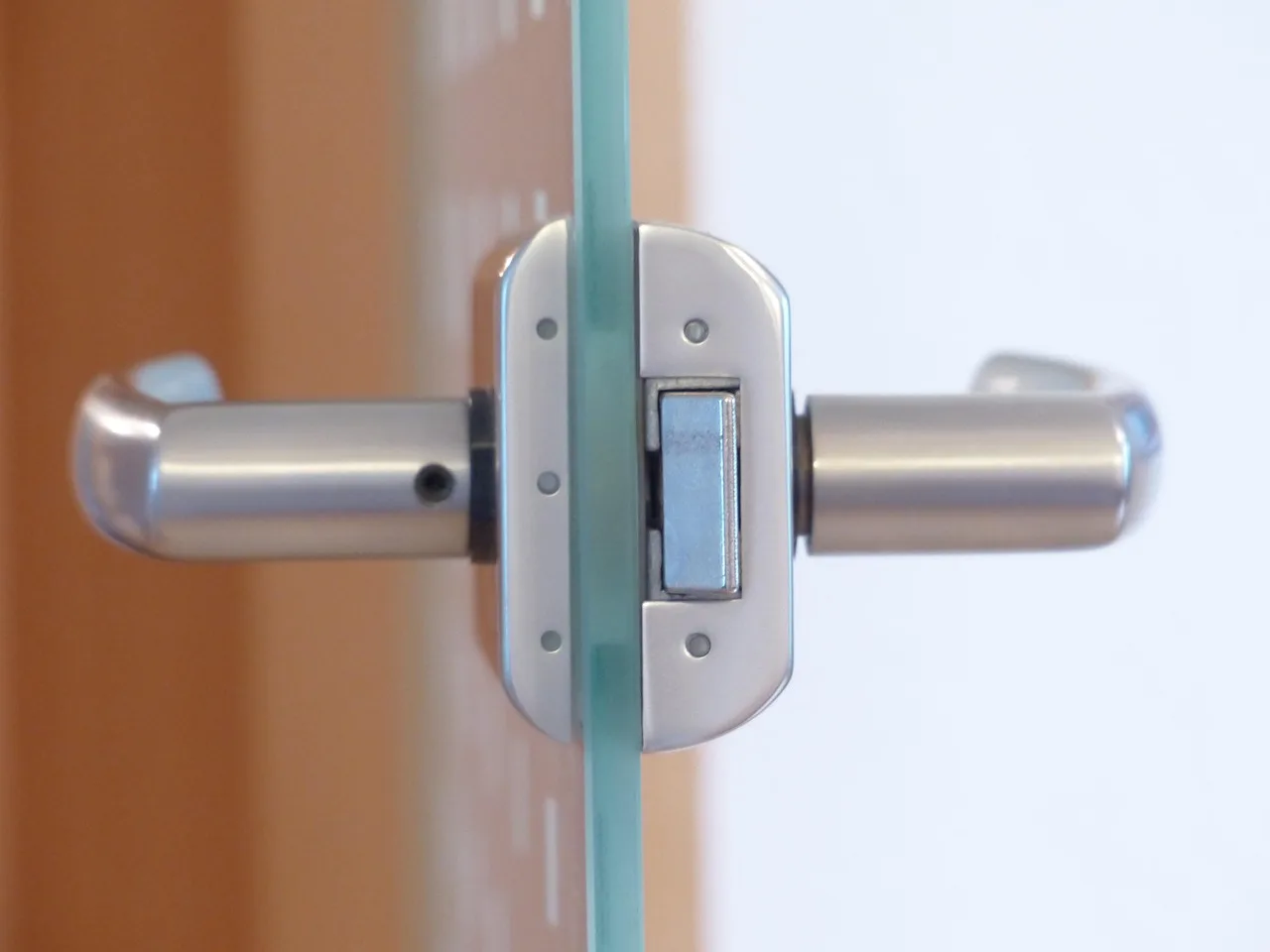


Haven Door Lock is an add-on entryway security product meant to help a closed door resist forced opening. It is not a standard deadbolt replacement. The main idea is simple: add a mechanical brace at the bottom of the door so force is redirected into the floor or another fixed surface instead of relying only on the frame and strike plate.
The problem it tries to solve
Most residential door protection starts and ends with a deadbolt and a strike plate. That can work well for daily use, but a weak frame, shallow screws, or a hollow-core door may still fail under a hard kick. Haven exists for buyers who want more resistance at the entry point without replacing the whole door or moving to a full security door.
Who notices it first
Shark Tank viewers tend to notice products like this because they solve a very visual problem. You can quickly see what it is built to stop. Renters, apartment dwellers, and homeowners with older doors are the people most likely to ask whether a retrofit lock like this fills a gap their current hardware leaves open.
Why Haven Door Lock caught my eye on Shark Tank
Haven caught attention because it sits in a narrow but real category: retrofit security for the front door. That is a hard product space. If it installs too easily, buyers worry about strength. If it installs too rigidly, it stops fitting real-world doors and frames. Shark Tank tends to spotlight that tension fast.
Why retrofit security is hard to get right
Door security is a system, not one part. A strong deadbolt can still underperform if the strike plate screws are short, the frame is brittle, or the door slab flexes too much. A retrofit product has to work around that mess without requiring a full remodel. That is where many products become awkward add-ons instead of useful upgrades.
What to look for before trusting a door lock
A solid entryway product should answer three questions clearly: what force it resists, what it mounts to, and what happens when the door, frame, or floor condition is not ideal. If those answers are fuzzy, the buyer is often paying for confidence more than protection. That is the main filter Haven has to pass.
How the Haven Door Lock works
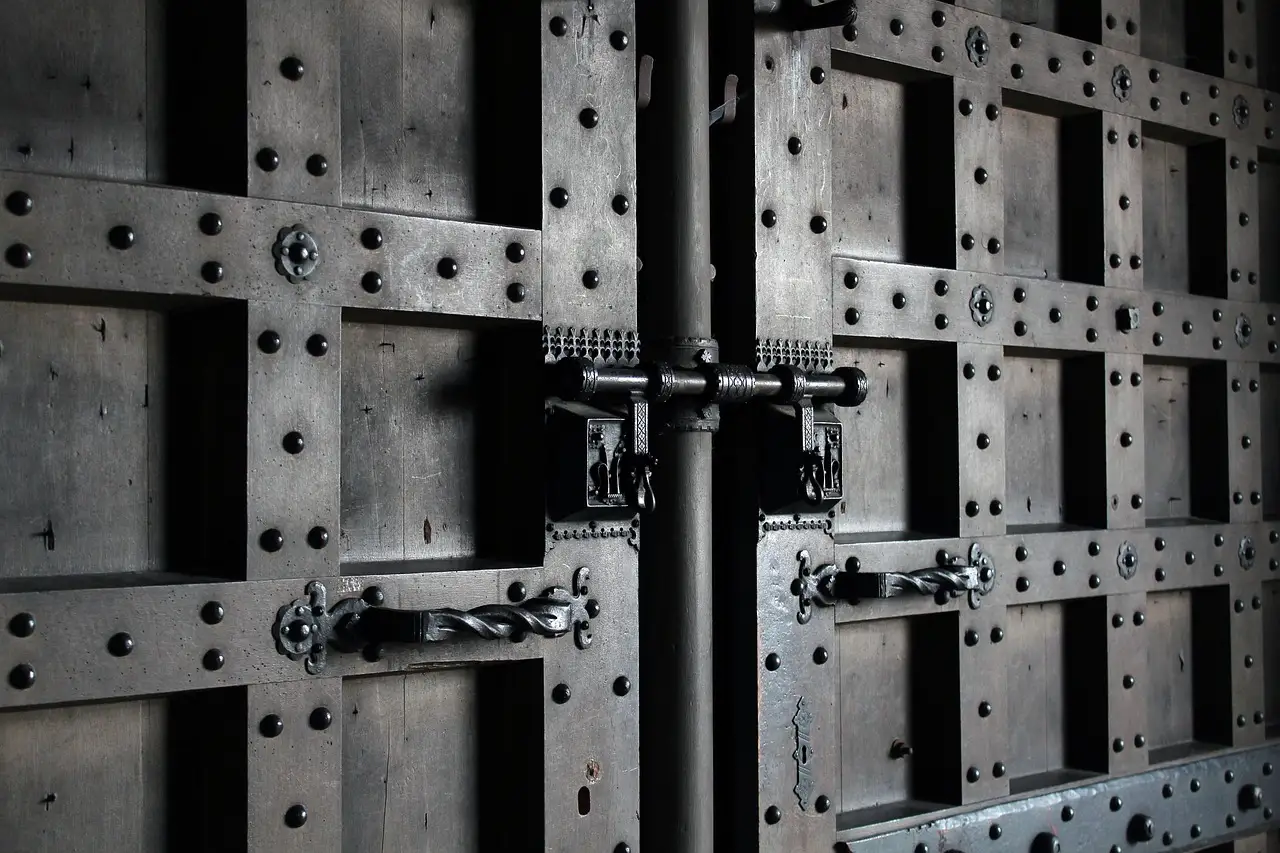
Haven Door Lock is a mechanical security device that installs at the entryway and anchors the door in a way that supplements the existing lock. The concept is not remote access or app control. It is physical resistance. The lock is designed to brace the door so it is harder to kick, pry, or shove open from the outside.
Installation type
Haven is a retrofit product, meaning it is added to an existing door setup rather than replacing the whole door assembly. That matters. Retrofit products have to work with the conditions already there: door swing, threshold clearance, floor material, frame condition, and the available mounting points. A perfect fit on paper can become awkward in a real hallway.
Compatibility limits
This is where many buyers get tripped up. A door lock that braces to the floor or wall needs enough clearance for the hardware to move and land where it is supposed to. Doors with unusual thresholds, tight clearances, warped slabs, uneven flooring, or metal frames may need extra attention. Apartments can also present rule issues if drilling or floor anchoring is not allowed.
Mechanical parts, power needs, and connectivity
Haven is not best understood as a smart lock. It is a mechanical security add-on, so the core function does not depend on batteries, Wi-Fi, or an app. That is a plus for reliability, but it also means no remote locking, no access logs, and no phone-based convenience. Buyers should treat it as a physical barrier, not a connected device.
- Check the door swing and floor or wall anchor space first.
- Confirm the frame is sound and the door closes without rubbing.
- Verify whether drilling or permanent mounting is allowed.
- Use it as a supplement to existing entry hardware, not a substitute for every lock.
- Test the full open-and-close cycle before relying on daily use.
Did Haven Door Lock get a deal on Shark Tank?
The Shark Tank appearance is what put Haven in front of a wider audience, but the buyer-facing value depends on the confirmed outcome, not the drama of the pitch. If a deal happened, it would matter most for validation and exposure. If it did not, the product can still be useful, but buyers should judge the hardware on fit and function.
Episode or season context
Shark Tank products often live or die on whether the pitch solves a problem quickly enough for investors to understand. For Haven, the key question was never whether door security matters. It was whether this specific brace-style approach was cleaner, safer, and easier to live with than existing hardware. That context is what viewers remember.
What the deal status means for buyers now
Deal or no deal, buyers should not treat the TV appearance as proof of broad compatibility. It only proves the product was compelling enough for airtime. The real decision still comes down to door type, rental restrictions, installation tolerance, and whether the buyer needs stronger physical resistance or more convenience.
How is Haven Door Lock different from a deadbolt or smart lock?

Haven is a supplemental physical barrier, while a deadbolt is the baseline mechanical lock on most exterior doors and a smart lock adds connected access features. They solve related problems, but not in the same way. Haven is about resisting force at the entry point; deadbolts and smart locks are about controlled locking and access.
Deadbolt as the baseline
A deadbolt is still the first thing most doors need. It locks the door slab to the frame through a bolt and strike plate. If the frame, screws, or door material are weak, the deadbolt can be the first weak point under abuse. That makes a deadbolt necessary, but not always sufficient.
Smart lock tradeoffs
Smart locks add keyless entry, remote control, and app features, and they are often battery powered. That is useful for convenience and access sharing. It is not the same thing as stronger resistance. In some homes, a smart lock improves usability while leaving the underlying mechanical security almost unchanged.
Door reinforcement systems
Door reinforcement kits usually focus on the frame, strike plate, hinge side, or longer screws. Those upgrades are often cheap and effective. Haven fits in a different spot: it aims to add a separate brace path so force transfers away from the weakest point. That can be smart, but it can also be redundant if the frame is already reinforced well.
| Option | Best fit | Install constraints | User type | Main tradeoff |
|---|---|---|---|---|
| Haven Door Lock | Extra physical resistance on an existing door | Needs clearance, compatible swing, and usually stable mounting surfaces | Renters or homeowners who want more door resistance without replacing the door | Less convenient than a smart lock; may not fit every door or lease |
| Deadbolt | Baseline exterior door security | Requires a sound frame and proper strike plate installation | Most homes and apartments | Good default, but not always enough on weak frames or doors |
| Smart lock | Keyless entry, app control, access sharing | Needs battery power and compatible door prep | Users who want convenience and remote access | Convenience-first, not a force-resistance upgrade |
| Door reinforcement system | Strengthening frame, strike zone, or hinge side | May require screws into framing, plates, or more permanent work | Homeowners or landlords willing to modify hardware | Often improves the weakest point, but can be more invasive |
Comparison checklist: when Haven Door Lock makes sense
Haven makes sense when the buyer wants added physical resistance and can install a device that depends on door geometry and mounting space. It is most useful when the existing deadbolt feels too basic, but the buyer does not want a full smart lock or a deeper frame rebuild. It is a fit question as much as a security question.
Best fit for renters versus homeowners
Renters may like the concept if the device can be installed without violating the lease. Homeowners have more flexibility, but they also have more options, including reinforcing the strike side or replacing weak hardware altogether. If the door and frame are already poor, a bigger fix may beat an add-on every time.
When to pass and buy something else
If the door has a warped slab, if the threshold leaves no clearance, or if drilling into the floor or frame is off-limits, Haven may become frustrating fast. In those cases, a reinforced strike plate, a better deadbolt, or a smart lock with a stronger overall hardware package may be the better move.
- Choose Haven if you want a retrofit barrier and the door geometry supports it.
- Choose a deadbolt if you need the basic lock that every entry door should already have.
- Choose a smart lock if access control and convenience matter more than added force resistance.
- Choose reinforcement hardware if the frame or strike area is the weak link.
What are the pros and cons of the Haven Door Lock?
Haven’s biggest strength is physical resistance without a full door replacement. Its biggest weakness is that entryway security is picky about fit. That means the product can be a strong solution in the right doorway and a poor one in the wrong doorway. Buyers should think in terms of door conditions, not product hype.
Pros
- Adds a separate layer of resistance at the entry point.
- Does not depend on Wi-Fi or batteries for the core function.
- Can appeal to renters or owners who want a retrofit option.
- Addresses a real weak point in many older doors and frames.
Cons
- May not fit every door, frame, or threshold.
- Can be awkward in apartments with strict installation rules.
- Does not replace a deadbolt or solve poor frame construction by itself.
- Offers less convenience than a smart lock.
Can Haven Door Lock be installed on my existing door?
Maybe, but only if the door, frame, and surrounding space match the product’s mounting needs. Retrofit security devices live or die on clearance and alignment. A door that closes cleanly and has room for the brace is a candidate. A warped, tight, or rule-restricted setup often is not.
What to check before buying
Start with the door swing and the floor or wall area where the lock would brace. Then inspect the strike side, frame condition, and any trim that could interfere. If the door already drags, sticks, or scrapes, a brace-style lock may create more problems than it solves.
Apartment and lease issues
Renters should look hard at lease terms before installing anything that drills into flooring, subfloor, or the frame. Some entryways can accept temporary hardware; others cannot. If the landlord will not allow permanent changes, a simpler deadbolt upgrade or portable reinforcement device may be the safer choice.
Frequently asked questions
What is Haven Door Lock on Shark Tank?
Haven Door Lock is a retrofit entry security product designed to add physical resistance to a door without replacing the entire door assembly. On Shark Tank, it stood out because it aimed to address forced-entry risk in a way that was easy to understand in one sentence.
How does the Haven Door Lock work?
It works by bracing the door to a fixed surface so force is transferred away from the usual weak points. That makes it different from a standard deadbolt, which mainly keeps the latch engaged. The exact fit depends on door clearance, frame condition, and mounting space.
Is Haven Door Lock worth buying?
It can be worth buying if the buyer wants more physical resistance and the door setup supports it. It is less appealing if the goal is app control, keyless entry, or a universal fit. For weak or awkward doors, compatibility matters more than the product story.
How is Haven Door Lock different from a deadbolt or smart lock?
A deadbolt is the baseline mechanical lock, while a smart lock adds convenience and connected access features. Haven is closer to a supplemental brace. It is meant to help the door resist force, not to replace all the functions of a deadbolt or smart lock.
Can Haven Door Lock be installed on my existing door?
Sometimes, yes. But the door must have the right clearance, a compatible swing, and a mounting situation that fits the hardware. If the door is warped, the threshold is cramped, or the lease forbids drilling, installation can become impractical fast.
What are the pros and cons of the Haven Door Lock?
The main pro is added physical resistance without replacing the whole door. The main con is fit: it can be excellent on one entryway and awkward on another. It also does not replace proper deadbolt hardware or fix a weak frame on its own.
Sponsored / affiliate links. As an Amazon Associate I earn from qualifying purchases. I may earn additional commission from eligible campaigns.