What Is a Door Sweep? Types, Uses, and How It Seals a Door
A door sweep is a strip of rubber, vinyl, brush, or silicone fastened along the bottom edge of a door to close the gap between the door and the threshold. That gap is one of the biggest sources of drafts, dust, insects, and even light in a house, often larger than every window crack in a room combined. This guide covers the common sweep types, how each one seals differently, and how to pick and install the right one for your door and floor.
The main types of door sweeps
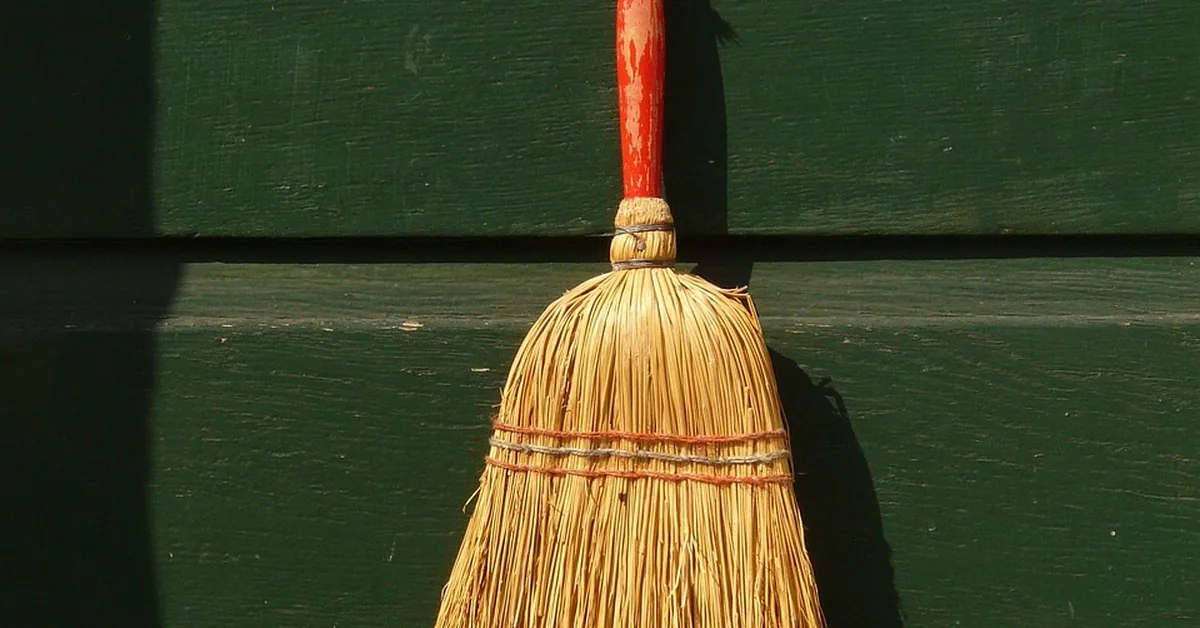
Brush sweeps use a dense row of nylon or polypropylene bristles and flex over uneven thresholds, carpet, or slightly warped flooring, which makes them common on exterior doors with worn sills. Vinyl or rubber fin sweeps have a single flexible blade that drags lightly against the floor for a tighter air seal on flat surfaces like tile or a metal threshold, but they wear faster and can chatter on rough concrete. Drip-cap or bulb sweeps use a rounded rubber bulb rather than a flat fin, which compresses into small gaps and holds up well against wind-driven rain on exterior doors. Automatic (drop-down) door bottoms lift when the door opens and drop into contact with the threshold when it closes, which avoids the constant floor drag of a fixed sweep and works well on doors that get used dozens of times a day.
How a sweep actually seals against the threshold
The seal only works if the sweep’s flexible edge stays in continuous contact with the threshold or floor across the full width of the door, including at the corners where hinges and strike plates create small dips. Most sweeps mount to the interior or exterior face of the door bottom with screws through a metal or aluminum mounting rail, and many are adjustable up or down in that rail so you can compress the seal without the door dragging when it swings. Exterior doors typically need a threshold with its own raised weatherstrip bead in addition to the sweep, since the sweep alone cannot bridge a large gap without excessive drag.
Choosing the right sweep for your door
Measure the actual gap between the closed door’s bottom edge and the threshold or finished floor; most standard sweeps accommodate a gap of about 1/4 to 3/4 inch, and anything wider usually needs a threshold shim or an automatic door bottom instead. For exterior doors facing weather, a bulb or fin sweep paired with proper weather stripping around the jamb gives a more complete seal than the sweep alone. For interior doors, the goal is usually sound and light control rather than weatherproofing, so a basic brush sweep is often enough and is easier to trim to width with scissors or a utility knife.
Common installation mistakes
Installing a sweep too tight against the floor is the most frequent error; it creates enough friction to prematurely wear both the sweep and the flooring finish, and it can make the door hard to open on carpet. Cutting the sweep to length before test-fitting it on the door, rather than after, often leaves it slightly short once the mounting rail is centered. Skipping corner sealant where the sweep meets the door casing leaves two small triangular gaps that a sweep by itself cannot close.
Frequently Asked Questions
Do I need a sweep on interior doors?
Interior sweeps are optional but useful on bedroom, bathroom, and laundry doors to cut sound transfer and stop conditioned air from escaping into unheated spaces like a garage entry. A basic brush sweep is usually sufficient since there is no weather to block.
How long does a door sweep last?
A vinyl or rubber sweep on a frequently used exterior door typically lasts two to five years before the seal edge cracks or flattens from repeated compression. Brush sweeps last longer, often five to ten years, since bristles flex rather than compress.
Can a door sweep fix a drafty door by itself?
It addresses only the bottom gap. A door that still feels drafty after a new sweep usually has worn weatherstripping on the sides and top of the jamb, or the door itself is rubbing or misaligned in a way that keeps it from closing flush.
Sponsored / affiliate links. As an Amazon Associate I earn from qualifying purchases. I may earn additional commission from eligible campaigns.