How To Remove A Stain On A Granite Countertop Safely
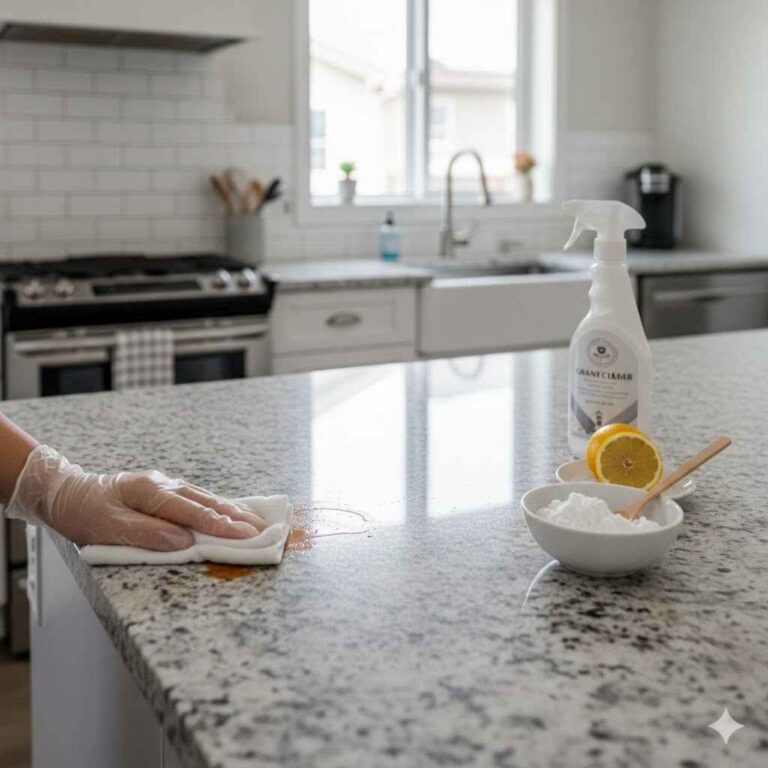
It happens to the best of us. You’re busy in the kitchen, maybe making a hearty stew or enjoying a glass of red wine. Then, a little spill happens.
Before you know it, there’s a mark on your beautiful granite countertop. It can feel like a small disaster. You worry about ruining the stone.
You want it gone, fast. But you also don’t want to make it worse. That’s where this guide comes in.
We’ll walk through how to tackle those tricky stains safely and effectively.
Understanding Granite Stains
Granite is a natural stone. It’s tough and looks amazing. But it’s also porous.
This means it can soak things up. If something sits on it too long, it can leave a mark. Different things leave different kinds of stains.
Some are dark. Some are light. Some are oily.
Some are just plain weird. Knowing what kind of stain you have helps a lot. It points you to the best way to clean it up.
Think of your granite like a sponge. If you spill water on a sponge, it gets wet. If you leave that wet spot, it might smell or get moldy.
Granite is similar. Liquids can seep in. This is why sealing your granite is so important.
A good sealant acts like a shield. It helps keep liquids from soaking in right away. But even sealed granite can get stained sometimes.
It’s all part of living with natural stone.
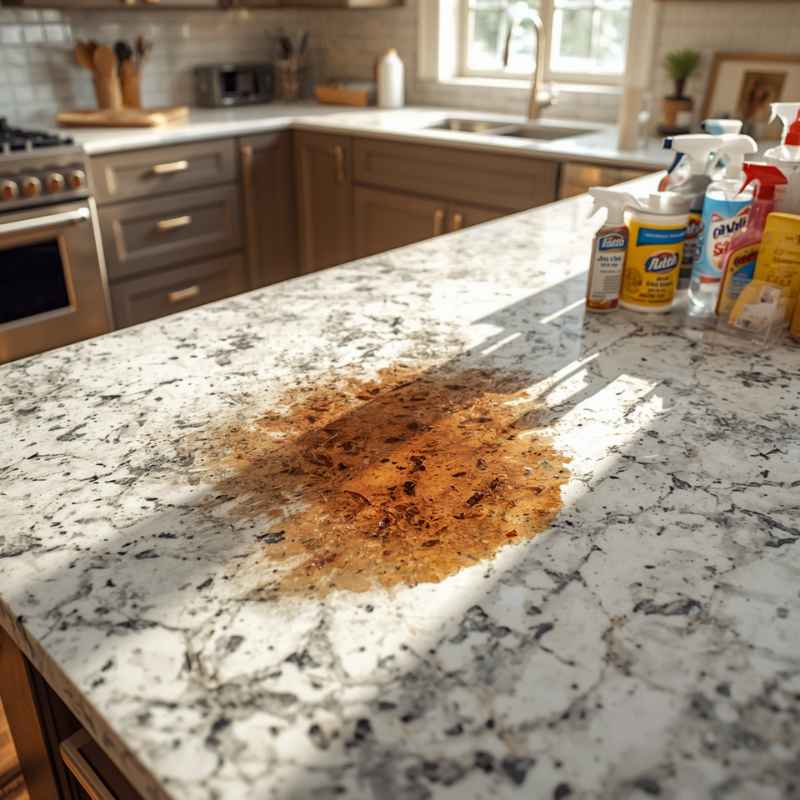
Types of Granite Stains
Let’s break down the most common troublemakers. This helps you spot what you’re dealing with.
Organic Stains
These come from things like coffee, tea, fruit juice, or food bits. They often look brown or pinkish. Sunlight can sometimes fade these.
But if they sit, they can leave a lasting mark.
Oil-Based Stains
Grease, cooking oil, or even some cosmetics can cause these. They make the granite look darker than the surrounding area. It’s like a shadow.
These are common around the cooktop or where you prep food.
Metal Stains
Rust is a big one here. If you leave a metal can or pot on your granite, especially if it’s wet, rust can form. It looks bright orange or brown.
Water spots can also fall into this category, leaving a chalky or dull mark.
Water Stains and Rings
Hard water can leave mineral deposits. These might look like white rings or dull spots. They are common where you place glasses or bottles.
Ink or Dye Stains
Pens, markers, or even colored liquids like wine can leave bright marks. These are usually very visible.
The Importance of a Poultice
For tough stains, a poultice is your best friend. What is a poultice? It’s a paste.
You make it from an absorbent material and a cleaning agent. The paste sits on the stain. It slowly draws the stain out of the stone.
It’s like a mini-spa treatment for your granite. This method is gentle but very effective. It works for many stain types.
The absorbent material is key. It needs to be something that can suck up liquid. Common choices include baking soda, white flour, diatomaceous earth, or even paper towels.
These materials are cheap and easy to find. They don’t scratch the stone. They just help lift the stain.
DIY Poultice Recipes
You don’t need fancy products for most stains. Let’s look at how to make your own effective poultices.
For Organic Stains (Coffee, Tea, Food)
Mix baking soda with a little bit of hydrogen peroxide. You want a paste that is thick. It should not be watery.
Think of peanut butter consistency.
The hydrogen peroxide helps lift the organic color. Baking soda is the absorbent. It grabs the lifted color.
This is a very common and safe mix for many granite types. Always test in a hidden spot first.
For Oil-Based Stains (Grease, Cooking Oil)
For these, mix baking soda with water. Again, aim for a thick paste. Some people use a tiny bit of mild dish soap too.
Dish soap cuts grease well.
The baking soda is the key here. It absorbs the oil. Water helps to dilute it.
This paste works over time to pull the oily dark spot out. Patience is important with oil stains.
For Rust Stains
Rust stains are a bit trickier. You need a special product for this. You can buy commercial rust removers for stone.
Make sure it’s specifically for granite.
Some people try a poultice with a commercial rust remover mixed with an absorbent. Follow the product directions closely. Always wear gloves.
For Ink or Dye Stains
For dark ink or dye, a poultice with rubbing alcohol (isopropyl alcohol) can work. Mix baking soda with rubbing alcohol.
For lighter dyes, sometimes hydrogen peroxide is enough. Test a small spot first. Rubbing alcohol can be strong.
How to Apply a Poultice
This is where the magic happens. It’s a simple process.
Step-by-Step Poultice Application
1. Clean the Area: Gently wash the stained spot with mild soap and water. Dry it well.
This removes surface dirt.
2. Make the Paste: Mix your chosen ingredients to a thick paste. It should stick to a spoon without dripping.
3. Apply the Paste: Spread about a 1/4 to 1/2 inch layer of the poultice over the stain. Make sure it covers the stain by about an inch around its edges.
4. Cover It Up: Cover the poultice with plastic wrap. Tape down the edges of the plastic wrap.
This keeps the poultice moist. It needs to stay wet to work.
5. Let It Work: Leave the poultice on for 24 to 48 hours. The longer it sits, the more it can draw out.
This is the patient part.
6. Remove the Poultice: Take off the plastic wrap. Let the poultice dry completely.
It will likely turn powdery or crusty.
7. Clean Again: Gently scrape off the dried poultice. Use a plastic scraper or a soft cloth.
Then, wash the area with mild soap and water. Rinse and dry thoroughly.
8. Check the Stain: See if the stain is gone or lighter. Sometimes, you might need to repeat the process.
For very stubborn stains, 2-3 applications might be needed.
I remember a time I spilled red wine. It was a dark red Cab Sauv. It hit my light gray granite island.
My heart sank. I grabbed paper towels, but it was too late. A pinkish stain started to appear.
I panicked for a moment. Then I remembered the poultice trick. I mixed up some baking soda and hydrogen peroxide.
I spread it on. I covered it with plastic wrap. I went to bed with my fingers crossed.
The next morning, the stain was almost gone! It took two more applications, but it worked. It was a huge relief.
Safe Cleaning for Specific Stains
Let’s get into more detail for common problems.
Coffee and Tea Stains
These are common morning mishaps. They are organic. A baking soda and hydrogen peroxide poultice is usually perfect here.
Apply it as described. Let it work its magic. For lighter stains, you might just need to blot with a damp cloth and mild soap.
If the stain is very dark or old, it might need more time. Don’t be afraid to repeat the poultice application. The key is to keep the paste moist under the plastic.
This helps the drawing action.
Grease and Oil Stains
These are greasy shadows. They darken the stone. For these, a baking soda and water paste is best.
You can add a tiny drop of Dawn dish soap. Let it sit for 24-48 hours.
The paste needs to absorb the oil. When it dries, it takes the oil with it. This can take a couple of tries.
Sometimes, I find that gently rubbing with a soft brush after removing the poultice helps lift any residue.
Water Spots and Rings
These are mineral deposits. If they are fresh, a good scrub with a damp cloth might be enough. For older or tougher spots, you can try a poultice with water and baking soda.
Sometimes, a very mild acid can help break down minerals. But be extremely careful. A tiny bit of vinegar mixed with water, applied briefly and rinsed fast, might work.
Test this in a hidden area first. Acid can etch some stones. For granite, it’s usually okay if diluted and used briefly.
Rust Stains
These are tricky and often need a specific product. Look for a “stone rust remover” at your local hardware store. These products are designed to break down rust safely.
Always follow the product’s instructions. Wear gloves and work in a well-ventilated area. Apply the product according to directions, often as a paste.
Let it sit, then clean it off. It might take a few applications.
Things to AVOID When Cleaning Granite
This is just as important as knowing what to do. Some cleaning products can actually harm your granite.
Don’t Use These on Your Granite!
- Harsh Acids: Like straight vinegar, lemon juice, or toilet bowl cleaners. These can etch the stone. They dull the shine.
- Abrasive Cleaners: Scouring powders or steel wool. These will scratch your granite. You’ll see fine lines everywhere.
- Bleach: In high concentrations, bleach can sometimes dull the surface of some granites. It’s often too harsh for regular use.
- Ammonia: Similar to bleach, it can dull the finish over time. It’s not ideal for natural stone.
- Waxy or Oily Cleaners: These can leave a residue. They make the granite look dull. They can also make it more prone to staining.
I learned this the hard way when I first got my granite. I used a kitchen spray cleaner. It had ammonia in it.
I didn’t know better. My beautiful polished granite started to look dull. I thought I had ruined it.
A stone restoration expert told me I had etched the surface. It took a special polish to bring back the shine. Lesson learned.
Always check the label.
Sealing Your Granite
Prevention is truly the best cure. Sealing your granite is vital. A good sealant makes the stone water-repellent.
It gives you more time to wipe up spills. This stops them from soaking in and causing stains.
How often do you need to seal? It depends on the sealant and how much you use your countertops. A good rule of thumb is to test your granite once a year.
Spill a little water on it. If the water beads up, your seal is good. If it soaks in and darkens the stone, it’s time to reseal.
Quick Sealing Check
The Water Test: Pour about 1/4 cup of water onto a section of your granite. Let it sit for 15 minutes. If the water is still beaded up, your seal is good.
If it has soaked in and made the granite look darker, it’s time to reseal.
When to Call a Professional
Most common stains can be handled with DIY methods. But sometimes, you might need an expert.
If you have a very deep stain that won’t budge after several attempts. If you have a stain from something unusual like paint or industrial chemicals. If you’re worried about damaging your granite further.
These are times to call a stone restoration company. They have special tools and chemicals. They know how to work with different types of granite.
It’s better to pay for an expert than to ruin an expensive countertop.
Real-World Granite Scenarios
Let’s imagine some common situations.
Scenario: The Tomato Sauce Spill
Situation: You’re making spaghetti. A blob of tomato sauce lands on your granite island. It sits there for an hour before you notice.
The Stain: Likely an organic stain, possibly with some oil. It will look reddish-brown.
Your Action:
- Wipe up the bulk of the sauce gently.
- Apply a poultice of baking soda and hydrogen peroxide.
- Cover with plastic wrap and let it sit 24-48 hours.
- Remove, let dry, scrape, wash, and dry. Repeat if needed.
Scenario: The “Mysterious Dark Spot”
Situation: You notice a dark, almost shadowy spot near your stove. It wasn’t there yesterday.
The Stain: Likely an oil-based stain from cooking. It might be cooking oil or grease.
Your Action:
- Clean the area with mild soap and water.
- Apply a poultice of baking soda and water (maybe a tiny drop of dish soap).
- Cover and let it dry for 24-48 hours.
- Remove, clean, and check. This might take several applications.
What This Means For You
Having granite countertops is wonderful. They add beauty and value. But they do need a little care.
When is a stain normal? Small spills that you wipe up quickly are normal. Occasional minor marks that come out with simple cleaning are normal. Forgetting to seal it for a year and seeing water soak in a little is normal.
When should you worry? If a stain looks deep and dark and doesn’t improve after a couple of poultice attempts. If you see dull spots or fine scratches on the surface. If you’re unsure what caused the stain.
These are signals to pause and perhaps seek advice.
Simple checks: Regularly feel your countertops. Do they feel smooth and shiny? Or do they feel a little rough or dull?
Check your sealant with the water test about once a year. Keep an eye out for any new marks.
Quick Tips for Granite Stain Removal
Here are some handy reminders.
Top Stain Removal Tips
- Act Fast: The sooner you wipe up a spill, the less likely it is to stain.
- Know Your Stain: Identify what caused it. This helps choose the right cleaner.
- Use Poultices: They are gentle and effective for many stains.
- Be Patient: Stains, especially oil ones, can take time and repeat applications.
- Always Test: Try any cleaning solution or poultice on an inconspicuous spot first.
- Seal Regularly: A good sealant is your first line of defense.
Frequent Questions About Granite Stains
How do I remove a dark stain from my granite countertop?
For dark stains, try to identify the cause. If it’s oil-based, use a poultice of baking soda and water. Let it sit for 24-48 hours.
If it’s organic (like coffee), use baking soda and hydrogen peroxide. For rust, you’ll need a specific rust remover for stone. Always test first.
Can I use Windex on granite countertops?
It’s best to avoid Windex on granite. Many glass cleaners contain ammonia or other harsh chemicals. These can dull the finish of your granite over time.
Stick to mild soap and water or cleaners specifically designed for natural stone.
What is the best way to clean granite without damaging it?
The safest way to clean granite daily is with a soft cloth and warm water. You can use a little bit of mild dish soap. Rinse well with clean water and dry thoroughly with a soft towel.
Avoid abrasive pads and harsh chemical cleaners.
How long do granite stains take to remove?
It varies greatly. Simple stains might lift with one gentle cleaning. Tougher stains, especially oil or rust, can take 2-3 applications of a poultice, each lasting 24-48 hours.
Patience is key. Some very old or deep stains might be permanent.
Can I use baking soda on all types of granite?
Baking soda is generally safe for most granite types. It’s a mild abrasive and absorbent. However, it’s always wise to test it in an unseen area first, especially on very dark or exotic granites, to ensure it doesn’t cause any dulling or adverse reaction.
My granite has a white ring. How do I get rid of it?
White rings are often from hard water mineral deposits. Try cleaning the area with a soft cloth and a paste of baking soda and water. Let it sit for a few minutes, then gently scrub and rinse.
If that doesn’t work, a poultice with water might help. For tough spots, consult a stone professional.
Conclusion
Dealing with a stain on your granite can be stressful. But with the right knowledge, you can handle most common issues. Remember to act fast, identify the stain, use gentle methods like poultices, and always test first.
A little regular care and the right cleaning approach will keep your granite countertops looking beautiful for years to come.
Sponsored / affiliate links. As an Amazon Associate I earn from qualifying purchases. I may earn additional commission from eligible campaigns.