How to Remove a Door Latch: A Step-by-Step Guide
Hey there! So, you’re looking to remove a door latch, huh? I totally get it—sometimes those latches get sticky, worn out, or you just want to swap them for something fresh and new. I’ve tackled this task a few times myself, and let me tell you, it’s not as tricky as it seems! Whether you’re upgrading your home’s hardware, fixing a faulty latch, or just curious about how it all works, I’m here to walk you through the process. I’ve broken it down into clear, manageable steps that anyone can follow, even if you’re not a DIY pro. By the end of this guide, you’ll feel confident enough to handle this like a seasoned handyman. Let’s dive in!
Why You Might Need to Remove a Door Latch
First things first, let’s talk about why you’d want to remove a door latch in the first place. I’ve been in situations where the latch just wouldn’t catch properly, leaving the door swinging open at the worst times. Maybe your latch is old and rusted, or perhaps you’re giving your home a facelift with new, modern hardware. Sometimes, it’s about replacing a broken mechanism that’s making it hard to open or close the door. Other times, you might be prepping for a paint job and need the latch out of the way. Whatever your reason, knowing how to remove a door latch is a handy skill that saves time and money. No need to call a locksmith when you can do it yourself!
Tools You’ll Need
Before we get started, let’s gather the tools. I learned the hard way that having the right tools makes all the difference. You don’t need a fancy toolbox, just a few basics. Here’s what I recommend:
| Tool | Purpose |
|---|---|
| Flathead screwdriver | For prying and removing cover plates |
| Phillips screwdriver | For removing screws |
| Allen wrench (optional) | For some modern latch designs |
| Needle-nose pliers | For stubborn screws or small parts |
| Lubricant (like WD-40) | To loosen stuck screws (if needed) |
| Rag or cloth | To clean up or wipe down parts |
I keep these tools in a small toolbox in my garage. If you don’t have them, you can find them at any hardware store for cheap. Trust me, they’re worth having for all sorts of home projects.
Understanding Your Door Latch
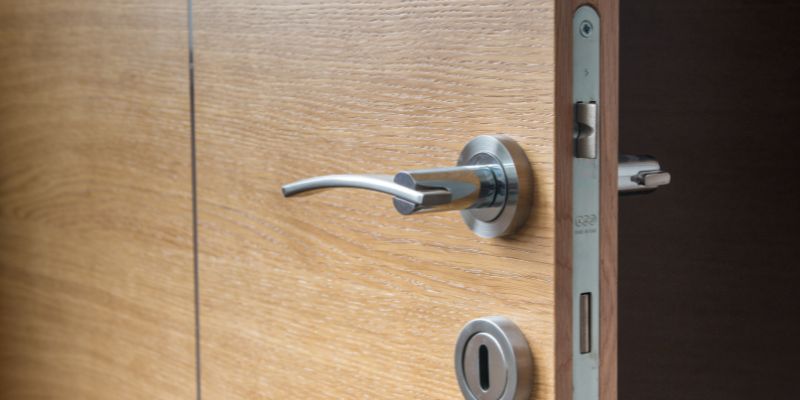
Okay, let’s talk about the latch itself. When I first started messing with door latches, I didn’t realize there are different types. Most homes in the USA have either a mortise latch, a tubular latch, or a cylindrical latch. The good news? The removal process is pretty similar for all of them. A mortise latch sits inside a pocket in the door, while tubular and cylindrical latches are more common in modern homes and fit into a drilled hole. Knowing your latch type helps, but don’t stress if you’re unsure—I’ll guide you through it. The key parts you’ll deal with are the latch bolt (the part that sticks out and catches the strike plate), the faceplate (the metal piece on the door’s edge), and the screws holding it all together.
Preparing for the Job
Before you start unscrewing anything, take a moment to prep. I’ve made the mistake of diving in too fast and ending up with a scratched door or a lost screw. First, close the door and check how the latch moves. Does it stick? Is it loose? This gives you a sense of what you’re dealing with. Next, clear the area around the door so you have room to work. If you’re worried about scratching the door, lay down a towel or some painter’s tape around the latch area. I also like to keep a small bowl nearby to hold screws—trust me, those little guys love to roll away!
Step-by-Step Guide to Removing a Door Latch
Now, let’s get to the fun part—actually removing that latch! I’ve done this enough times to know the process by heart, and I’ll break it down so you can follow along easily.
Step 1: Remove the Door Knob or Handle
The first thing you need to do is take off the door knob or handle. Most latches are connected to the knob, so this is where we start. Look at the base of the knob on the interior side of the door. You’ll usually see a small slot or hole. If there’s a cover plate, use your flathead screwdriver to gently pry it off. I’ve found that wiggling it a bit helps without scratching the finish. Once the plate is off, you’ll see screws—usually two or three. Grab your Phillips screwdriver and remove them. Keep those screws in your bowl! After that, the knob or handle should pull off easily. If it’s stuck, give it a gentle twist or tug. Sometimes, a little WD-40 helps loosen things up.
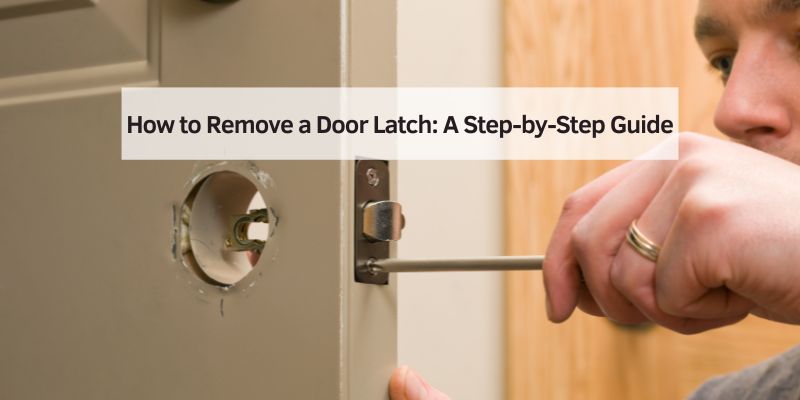
Step 2: Detach the Latch Faceplate
With the knob off, you can now see the latch mechanism inside the door. On the edge of the door, you’ll notice the faceplate—the metal piece that surrounds the latch bolt. This is usually held in place by two screws. Use your Phillips screwdriver to remove them. I’ve had times where these screws were painted over or rusted, so if they’re tough to turn, spray a bit of lubricant and let it sit for a minute. Once the screws are out, the faceplate should come off. If it’s stuck, gently pry it with your flathead screwdriver. Be careful not to damage the door’s edge.
Step 3: Pull Out the Latch Mechanism
Here’s where the magic happens. With the faceplate removed, you can now pull out the latch mechanism. It’s usually a small metal piece that sits inside the door. I like to wiggle it gently to see if it slides out easily. If it’s a tubular or cylindrical latch, it should come out with a little pull. For mortise latches, you might need to tug a bit harder since they’re set deeper into the door. If it’s really stuck, check for any hidden screws or clips. I once spent 20 minutes pulling on a latch before realizing there was a tiny set screw holding it in place—don’t make my mistake! An Allen wrench or needle-nose pliers can help with those tricky bits.
Step 4: Inspect and Clean
Once the latch is out, take a moment to inspect it. Is it damaged? Rusty? This is a good time to decide if you’re replacing it or just cleaning it up. I like to wipe down the latch and the hole in the door with a rag to remove dust or grime. If you’re reusing the latch, a bit of lubricant can make it work like new. If you’re replacing it, keep the old latch as a reference when you head to the hardware store. Trust me, having the old one in hand makes picking the right size and type way easier.
Troubleshooting Common Issues
Sometimes, things don’t go as smoothly as planned. I’ve hit a few snags along the way, so let me share some tips to save you headaches. If the screws are stripped, use a larger screwdriver or pliers to get a better grip. If the latch won’t budge, double —
check for hidden screws or clips. Some modern latches have a small release button or set screw that’s easy to miss. If the door is painted, you might need to score around the faceplate with a utility knife to break the paint seal. And if the latch is part of a complex lockset, like a deadbolt combo, you might need to remove additional parts. Take it slow and keep track of what you’re unscrewing.
Tips for Replacing or Reinstalling a Latch
If you’re swapping out the old latch for a new one, make sure the replacement matches the size and type of the original. I’ve learned that not all latches are universal, so measure the backset (the distance from the door’s edge to the center of the knob hole). Most are either 2-3/8 inches or 2-3/4 inches. When installing the new latch, reverse the removal steps: slide the latch into the hole, screw on the faceplate, and reattach the knob. Test the door a few times to make sure everything clicks smoothly. I always give the screws an extra turn to make sure they’re snug but not overtightened.
Safety First
I can’t stress this enough—safety matters. When I first started DIY projects, I was so eager that I skipped gloves and ended up with a splinter. Wear gloves if you’re dealing with rusty parts. If you’re using lubricant, keep it away from your eyes and work in a well-ventilated area. And if you’re removing a latch on an exterior door, make sure the door is secure while you work so it doesn’t swing open. A simple doorstop can save you a lot of hassle.
Why DIY Is Worth It
Taking on a project like this might seem small, but it’s so satisfying. I remember the first time I removed a door latch—it took me maybe 20 minutes, and I saved a good chunk of change by not calling a pro. Plus, it gave me the confidence to tackle other home projects. You’re not just fixing a door; you’re learning a skill that you can use again and again. Whether you’re in a cozy suburban home or a city apartment, knowing how to handle basic repairs like this makes you feel like you’ve got your space under control.
Conclusion
There you go—you’re now ready to remove a door latch like a pro! I’ve walked you through every step, from gathering tools to troubleshooting those pesky stuck screws. It’s a simple project that anyone can do with a little patience and the right tools. I love how these small fixes can make such a big difference in how your home feels and functions. So, grab that screwdriver, pop off that latch, and give yourself a pat on the back when you’re done. You’ve got this! If you run into any questions or want to share how it went, I’d love to hear about it. Keep tinkering, and happy home improving!
Frequently Asked Questions
What if my door latch is stuck and won’t come out?
If the latch is stuck, check for hidden screws or clips. Sometimes, a small set screw holds it in place—look for a tiny hole near the latch. A bit of lubricant like WD-40 can help loosen things up. Gently wiggle the latch with pliers if needed, but don’t force it.
Can I remove a door latch without removing the knob?
Usually, no. The knob is connected to the latch mechanism, so you need to remove it to access the latch. Start by taking off the knob or handle, then work on the latch faceplate and mechanism.
How do I know what type of latch I have?
Look at the door’s edge. If the latch is set deep into a pocket, it’s likely a mortise latch. If it’s a simpler setup with a faceplate and a bolt, it’s probably tubular or cylindrical. The removal process is similar either way.
Do I need special tools to remove a door latch?
Not really! A Phillips screwdriver and a flathead screwdriver will handle most latches. An Allen wrench or needle-nose pliers might help with specific designs, but they’re not always necessary.
How long does it take to remove a door latch?
For most people, it takes about 15-30 minutes, depending on experience and the latch type. If screws are stuck or the latch is tricky, it might take a bit longer. Take your time to avoid damaging the door.