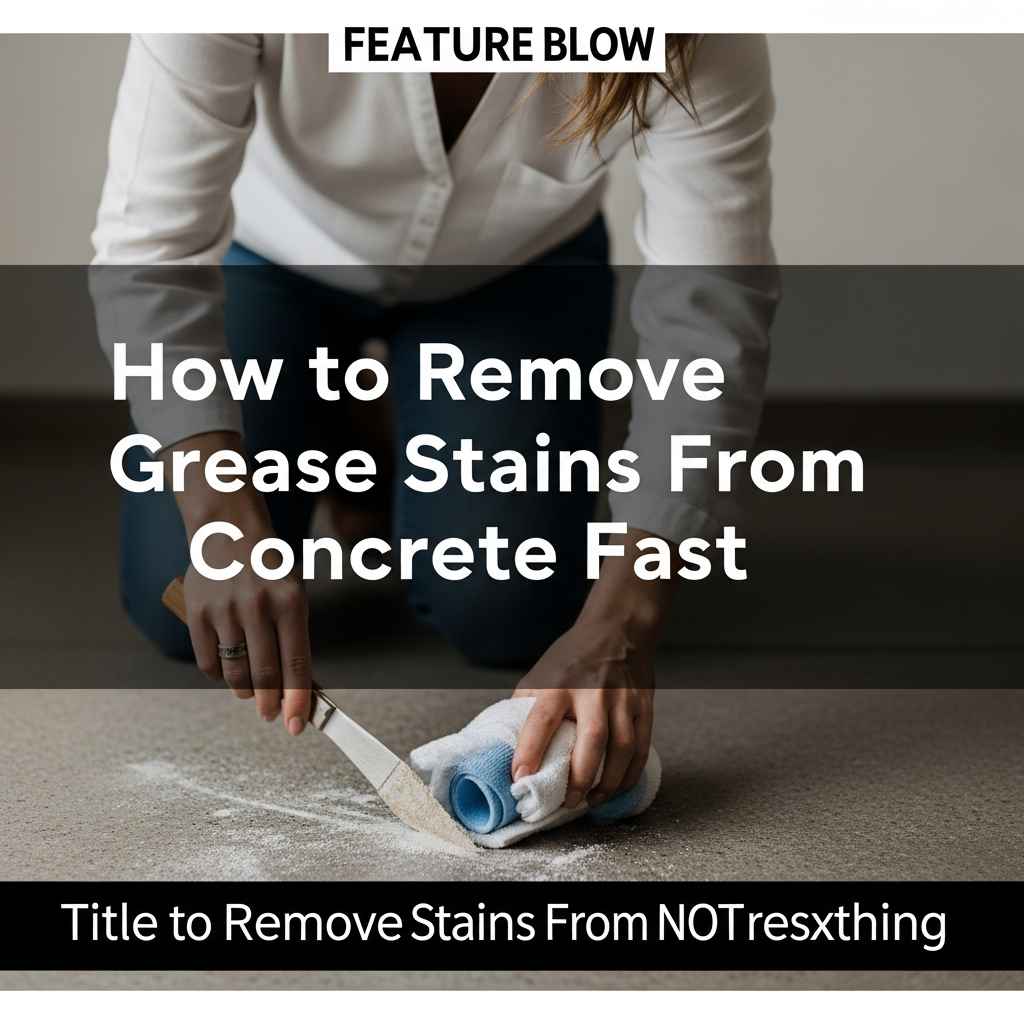
How to Remove Grease Stains From Concrete Fast
Grease stains on concrete can be a real pain, especially when they’re fresh and seem impossible to get rid of. For many people, figuring out How to Remove Grease Stains From Concrete Fast feels like a puzzle they can’t solve. Don’t worry if you’ve tried a few things that didn’t work; you’re not alone.
This guide will walk you through simple, effective steps to tackle those stubborn spots and get your concrete looking clean again. We’ll break it down so you can easily follow along and see great results.
Tackling Fresh Grease Stains
When grease first hits your concrete, acting quickly is your best friend. The longer it sits, the deeper it soaks in, making it harder to lift out. This section is all about those immediate actions you can take to prevent a permanent mark.
We’ll cover the best absorbents and how to use them properly to pull the grease out before it sets.
The Power of Absorbents
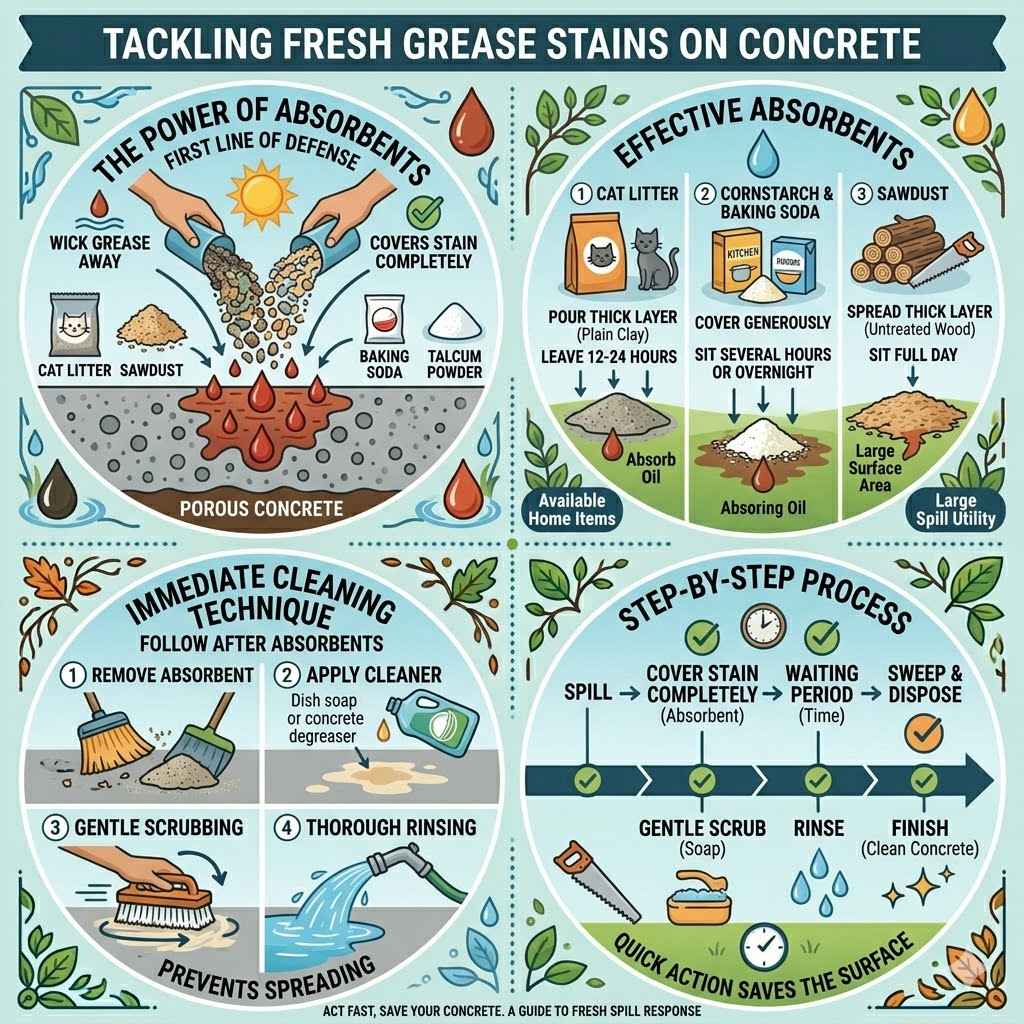
Absorbents are materials that soak up liquids. For fresh grease spills on concrete, they are your first line of defense. The goal is to cover the stain completely with an absorbent material.
This material will draw the liquid grease out of the porous concrete surface. Common and effective absorbents include cat litter, sawdust, cornstarch, baking soda, and even talcum powder. Each of these has excellent absorbent qualities.
They work by wicking the grease away from the concrete into their own structure.
Cat Litter
Clay-based cat litter is a fantastic choice for absorbing fresh grease. Its granular structure is designed to soak up liquids quickly and efficiently. Simply pour a thick layer of plain clay cat litter directly onto the fresh grease stain.
Make sure the entire stain is covered, with a little extra around the edges. Leave the litter on the stain for at least 12 to 24 hours. This gives it ample time to absorb as much grease as possible.
After the waiting period, sweep up the used litter and dispose of it properly. You might need to repeat this process if the stain is very heavy or large.
Cornstarch or Baking Soda
Cornstarch and baking soda are common kitchen staples that work surprisingly well as grease absorbents. They have a fine powder texture that can get into the small pores of the concrete. Cover the fresh grease stain generously with either cornstarch or baking soda.
Pat it down gently to ensure it makes good contact with the spilled grease. Let it sit for several hours, or even overnight, allowing it to draw out the oil. Once it’s had time to work, sweep or vacuum up the powder.
You’ll often see that the powder has clumped up or changed color as it absorbed the grease. This method is great because these items are readily available in most homes.
Sawdust
If you have access to sawdust, especially from untreated wood, it can be a very effective absorbent. Sawdust has a large surface area, which allows it to soak up a lot of liquid. Spread a thick layer of sawdust over the fresh grease stain, ensuring it’s completely covered.
Let it sit for a significant amount of time, perhaps a full day, to give it the best chance to absorb the grease. Sweep up the sawdust and dispose of it. Sawdust is particularly useful for larger spills.
It’s a natural material that breaks down easily.
Immediate Cleaning Technique
After using an absorbent, there’s a crucial cleaning technique to follow. It involves gentle scrubbing and rinsing. This step helps to lift any remaining surface grease that the absorbent might not have fully captured.
It prepares the area for any deeper cleaning methods if needed. This initial cleaning also prevents the grease from spreading further onto dry concrete. It’s a simple, effective way to deal with spills right away.
This technique builds on the absorbent’s work.
Once you’ve removed the absorbent material, you’ll likely see that the stain has lightened considerably. You might still have a faint mark, or some grease might be clinging to the surface. This is where a mild degreaser or even dish soap comes in handy.
Apply a small amount of dish soap or a concrete degreaser directly to the stained area. Use a stiff-bristled brush to gently scrub the spot. Work the cleaner into the concrete in a circular motion.
After scrubbing, rinse the area thoroughly with water. A hose with a strong spray works well. You should see the stain lifting away as you rinse.
Repeat if necessary until the spot is gone.
Removing Set-In Grease Stains
Older grease stains that have had time to really sink into the concrete can be a bit tougher. They’ve bonded with the concrete over time. This section focuses on methods that penetrate deeper to lift these stubborn, ingrained marks.
We will explore several cleaning agents and techniques that are effective for these challenging situations. You’ll learn how to choose the right cleaner for the job and how to apply it for maximum impact.
Using a Concrete Degreaser
Concrete degreasers are specially formulated to break down oil and grease. They are often more potent than household cleaners. When dealing with tough, set-in stains, a good concrete degreaser is your best bet.
These products come in various forms, including liquids and powders. Always follow the manufacturer’s instructions for the specific product you choose. Safety precautions, like wearing gloves and eye protection, are important.
To use a concrete degreaser, first, sweep the area to remove any loose dirt or debris. Apply the degreaser directly to the stain according to the product’s directions. Some degreasers need to be diluted with water, while others are used straight from the bottle.
Let the degreaser sit on the stain for the recommended time. This allows it to work its magic and break down the hardened grease. After the waiting period, scrub the area with a stiff-bristled brush.
This helps to loosen the dissolved grease. Finally, rinse the area thoroughly with water. A pressure washer can be very effective for rinsing, but be careful not to damage the concrete surface.
One key factor in using degreasers is patience. For very old or deep stains, you might need to apply the degreaser and scrub multiple times. Don’t get discouraged if the stain isn’t completely gone after the first attempt.
Repeat the process until you achieve the desired results. Some degreasers also require hot water to activate their cleaning power, so check the label.
Poultice Method for Deep Stains
A poultice is a paste that draws out stains from porous materials like concrete. It’s made by mixing an absorbent material with a strong cleaning agent. This creates a thick paste that is applied to the stain.
The absorbent material in the poultice helps to lift the grease, while the cleaning agent breaks it down. This method is particularly effective for very old or deep-set stains because it allows the cleaning agents to work on the stain for an extended period.
To make a poultice, you can use absorbent materials like diatomaceous earth, talcum powder, or even paper towels torn into small pieces. The cleaning agent can be a strong degreaser, a solvent like mineral spirits, or even a solution of trisodium phosphate (TSP). Mix your chosen absorbent with the cleaning agent until you have a thick, peanut-butter-like consistency.
Apply this paste generously over the grease stain, making sure it’s completely covered and extends slightly beyond the edges of the stain. Cover the poultice with plastic wrap and tape down the edges. This keeps the poultice moist and allows it to work longer.
Let it sit for 24 to 48 hours. Once it’s dry, scrape off the hardened poultice and rinse the area with water.
Sample Scenario: The Grilling Grease Spill
Imagine you had a big barbecue last weekend, and a significant amount of grease dripped onto your driveway. You tried to wipe it up, but it’s now a dark, ugly stain. This is a perfect case for the poultice method.
- First, ensure the area is dry.
- Mix a thick paste using diatomaceous earth and a strong concrete degreaser.
- Apply this paste about a quarter-inch thick over the entire grease stain.
- Cover with plastic wrap and tape the edges securely.
- Leave it undisturbed for 48 hours.
- Scrape off the dried paste, and you should find the stain has lifted dramatically.
- Rinse the area thoroughly with a hose.
Other Cleaning Agents to Consider
Beyond specialized degreasers, several common household products can help tackle grease stains. These are often more accessible and can be effective, especially for less severe stains. Experimenting with different cleaning agents might be necessary to find what works best for your specific stain.
Trisodium Phosphate (TSP)
TSP is a powerful cleaning agent that is excellent for cutting through grease and grime. It’s available at most hardware stores. However, TSP is a strong chemical, so it’s crucial to wear protective gear like gloves and eye protection when using it.
You should also ensure good ventilation. Mix TSP with water according to the product’s instructions to create a cleaning solution. Apply the solution to the stain and let it sit for about 15-30 minutes.
Scrub with a stiff brush and then rinse thoroughly with clean water. Be mindful of environmental regulations regarding TSP disposal in your area.
Mineral Spirits or Paint Thinner
These solvents are very effective at breaking down oily substances. They can be used carefully on concrete to lift grease. Apply a small amount of mineral spirits or paint thinner to a rag or brush and dab at the stain.
You don’t want to saturate the concrete. Let it sit for a few minutes to work on the grease. Then, scrub gently with a brush.
Follow up by washing the area with soap and water to remove any residual solvent and loosened grease. Ensure excellent ventilation when using these products, as they are flammable and have strong fumes.
Surprisingly, powdered Laundry Detergent can be a good option for grease stains. The enzymes in laundry detergent are designed to break down oils and stains. Sprinkle a generous amount of powdered laundry detergent directly onto the grease stain.
Add a little water to make a paste. Let this paste sit on the stain for several hours or overnight. Scrub with a brush and then rinse with water.
This method is gentler than some stronger chemicals but can be effective for less stubborn marks.
Preventing Future Grease Stains
Once you’ve successfully cleaned your concrete, you’ll want to keep it looking that way. Prevention is always easier than cleaning. This section will offer practical tips and strategies to minimize the chances of future grease stains.
Simple actions can make a big difference in maintaining the appearance of your concrete surfaces. Let’s look at ways to keep your concrete clean and stain-free.
Sealing Your Concrete
Applying a good quality concrete sealer is one of the most effective ways to prevent grease stains. A sealer creates a protective barrier on the surface of the concrete. This barrier prevents liquids, including oils and grease, from penetrating the concrete.
When the concrete is sealed, spills will tend to bead up on the surface. This makes them much easier to wipe away before they have a chance to soak in and cause a stain.
There are different types of concrete sealers available, including acrylic, epoxy, and polyurethane sealers. For driveways and areas prone to grease, a durable, oil-resistant sealer is recommended. The application process typically involves cleaning the concrete thoroughly.
Ensure it’s completely dry before applying the sealer. Sealers are usually applied with a roller, sprayer, or brush. Follow the manufacturer’s instructions carefully for the best results.
Reapplication of the sealer might be necessary every few years, depending on the type of sealer and the wear and tear the concrete experiences.
Benefits of Sealing Concrete
Increased Durability
Sealers protect concrete not only from stains but also from the damaging effects of weather, salt, and everyday wear. This protection extends the lifespan of your concrete surfaces.
Easier Maintenance
Cleaning becomes significantly easier. Spills bead up, making them simple to wipe away. This means less scrubbing and fewer harsh cleaners needed over time.
Enhanced Appearance
Many sealers can enhance the color and finish of concrete, giving it a more attractive look. Some sealers provide a matte finish, while others offer a glossy appearance.
Protection Against Freeze-Thaw Damage
In colder climates, sealers help prevent water from penetrating the concrete and freezing, which can cause cracks and spalling.
Using Drip Pans and Mats
For areas where grease is likely to drip, such as under cars, grills, or outdoor cooking equipment, using drip pans or mats is a simple yet highly effective preventative measure. These physical barriers catch any spills before they reach the concrete surface.
Under Vehicles
If your car tends to leak oil or transmission fluid, placing a large drip pan under the engine area when parked can catch these leaks. This is especially useful if your car is parked in the same spot regularly. The pan can be emptied and cleaned, preventing stains from forming on your driveway.
Under Grills and Smokers
Outdoor cooking often involves grease drippings. Place a heavy-duty grill mat or a large, flat pan under your grill when cooking. This will catch any drips and protect your patio or deck.
These mats are often made of durable, easy-to-clean materials that can withstand heat as well.
Around Outdoor Kitchens
If you have an outdoor kitchen setup, consider placing mats or a sealed surface in the main cooking and prep areas. This proactive approach can save a lot of cleaning effort down the line. It keeps the concrete looking clean and new.
Regular Cleaning Practices
Making regular cleaning a habit can prevent minor spills from becoming major problems. A quick sweep and rinse can go a long way in maintaining the appearance of your concrete surfaces. It’s about consistent, simple care rather than waiting for a big mess.
At least once a month, give your concrete surfaces a good sweep to remove dirt, leaves, and other debris. If you see any small, fresh spills, clean them up immediately. A quick scrub with soap and water can often take care of minor issues before they set.
Periodically, you might want to give your driveway or patio a good rinse with a hose. This helps to wash away accumulated grime and keep the concrete looking fresh. For more thorough cleaning, a pressure washer can be used, but be sure to use it on a lower setting to avoid damaging the concrete surface.
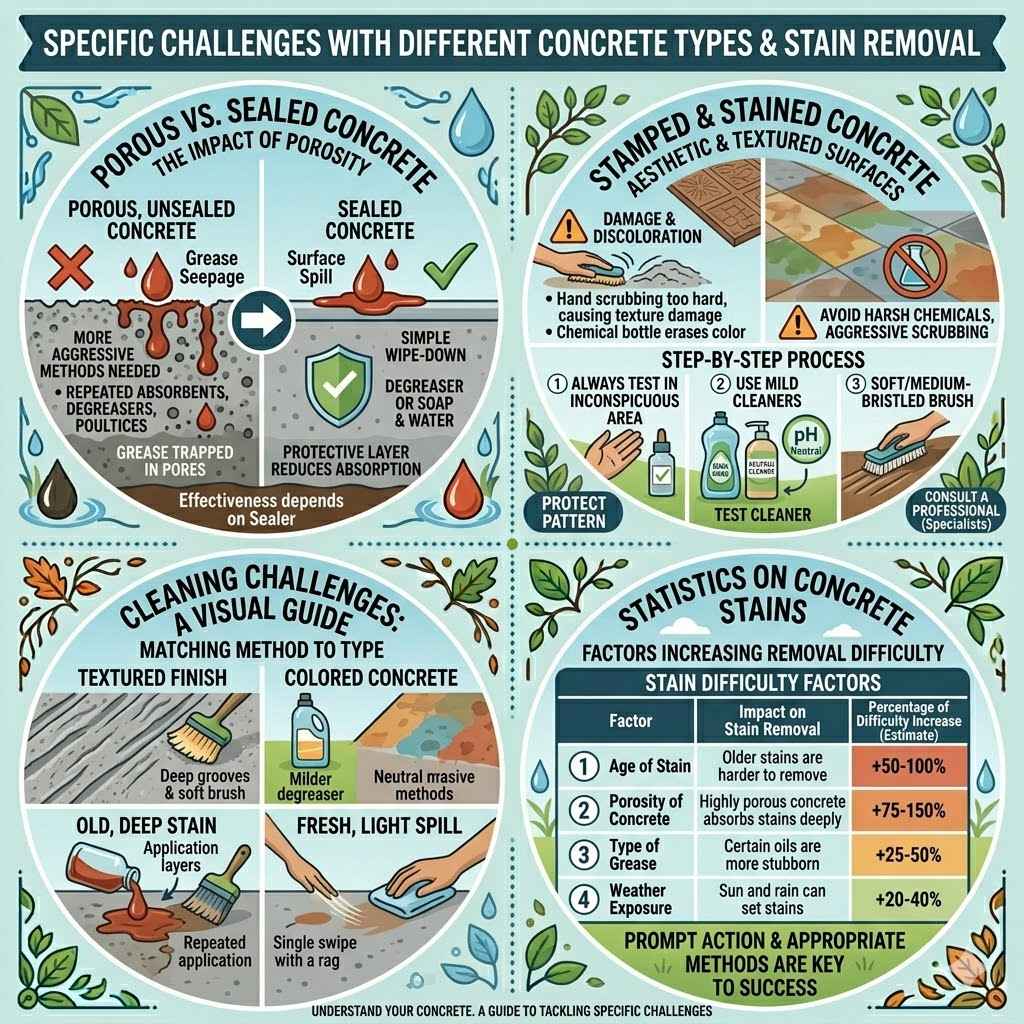
Specific Challenges with Different Concrete Types
Not all concrete is created equal. The type of concrete and its finish can affect how easily grease stains are removed. Some finishes are more porous than others, allowing grease to penetrate more deeply.
This section explores how different concrete surfaces might react to stains and cleaning methods. Understanding these differences can help you choose the best approach.
Porous vs. Sealed Concrete
The porosity of concrete is a key factor. Unsealed concrete has many tiny holes and gaps, making it very absorbent. Grease can easily seep into these pores and become trapped.
Sealed concrete, on the other hand, has a protective layer that significantly reduces absorption. This makes it much easier to clean spills before they penetrate the surface. The effectiveness of any cleaning method will depend heavily on whether the concrete is sealed.
For porous, unsealed concrete, you will need more aggressive cleaning methods. The goal is to draw the grease out of the pores. This might involve repeated applications of absorbents, degreasers, or poultices.
For sealed concrete, a simple wipe-down with a degreaser or even soap and water is often enough for fresh spills. The sealer acts as a shield, making the cleaning process far less labor-intensive.
Stamped and Stained Concrete
Stamped and stained concrete add aesthetic appeal, but they can present unique cleaning challenges. The textures and colors added to these surfaces require careful cleaning to avoid damage or discoloration. Aggressive scrubbing or harsh chemicals can remove the stain or alter the stamped pattern.
When cleaning stamped or stained concrete, always test any cleaning product in an inconspicuous area first. Use milder cleaners whenever possible. For grease stains, a pH-neutral concrete cleaner or a mild degreaser is usually the best starting point.
Avoid using acidic cleaners, as they can etch the surface or strip the stain. For textured surfaces, a soft to medium-bristled brush is recommended to clean out the grooves without causing damage. Rinse thoroughly and allow to dry completely before evaluating the results.
If a stain is particularly stubborn, consider consulting a professional who specializes in decorative concrete cleaning.
Statistics on Concrete Stains
| Factor | Impact on Stain Removal | Percentage of Difficulty Increase (Estimate) |
|---|---|---|
| Age of Stain | Older stains are harder to remove. | +50-100% |
| Porosity of Concrete | Highly porous concrete absorbs stains deeply. | +75-150% |
| Type of Grease | Certain oils are more stubborn. | +25-50% |
| Weather Exposure | Sun and rain can set stains. | +20-40% |
These statistics highlight why prompt action and appropriate methods are key to success. A fresh spill on sealed concrete might be a 10-minute job, while an old, deep stain on porous concrete could take hours and multiple attempts.
Frequently Asked Questions
Question: How can I remove a very old grease stain from my concrete driveway
Answer: For very old grease stains, start with a strong concrete degreaser. If that doesn’t work, try the poultice method. Mix an absorbent like diatomaceous earth with a strong solvent or degreaser to create a paste.
Apply it thickly to the stain, cover with plastic, and let it sit for 24-48 hours. Scrape off, rinse, and repeat if necessary.
Question: Is it safe to use bleach on concrete grease stains
Answer: Bleach is not typically recommended for grease stains on concrete. It’s better for mold, mildew, and general whitening. Bleach can sometimes react with oils and make the stain worse or leave a different kind of mark.
Stick to degreasers or absorbents specifically designed for grease.
Question: How long should I leave an absorbent on a fresh grease spill
Answer: For fresh spills, leave absorbent materials like cat litter, cornstarch, or baking soda on the stain for at least 12 to 24 hours. The longer you leave it, the more grease it will be able to draw out of the concrete.
Question: Can I pressure wash grease stains off my concrete
Answer: A pressure washer can be very helpful for rinsing away loosened grease after using a degreaser or other cleaning agent. However, using a pressure washer alone, especially on a high setting, might not effectively remove the grease itself and could potentially damage the concrete surface.
Question: What is the best way to prevent grease stains on my garage floor
Answer: The best prevention methods include sealing your garage floor with a good quality concrete sealer, using absorbent mats under your car if it leaks oil, and cleaning up any spills immediately. Regular sweeping and a periodic wash can also help.
Summary
Successfully removing grease stains from concrete, whether fresh or old, is achievable with the right approach. We’ve covered how to tackle new spills quickly with absorbents and gentle cleaning, and detailed methods for set-in stains using degreasers and poultices. Understanding your concrete type and implementing preventative measures like sealing and using drip pans are key to keeping your surfaces looking great.
With these steps, you can confidently restore and maintain your concrete.