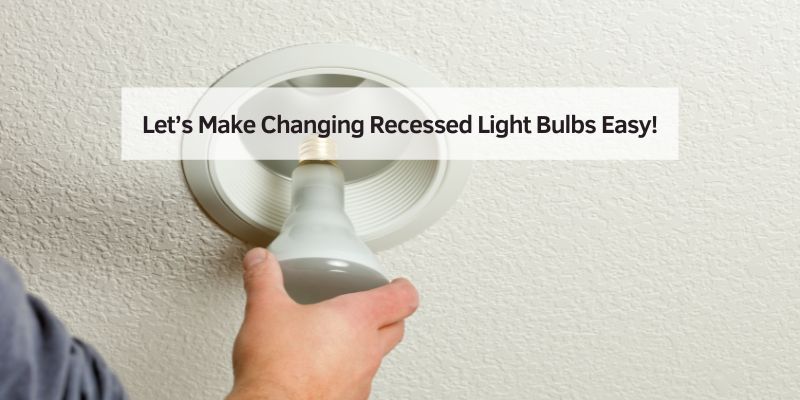
Let’s Make Changing Recessed Light Bulbs Easy!
I remember the first time I tried to remove a recessed light bulb in my kitchen. It was stuck, and I was nervous about breaking it! But don’t worry—I learned the trick, and I’m here to share it with you. This article will show you how to remove a recessed light bulb safely and easily, whether you’re a beginner or a pro. You’ll get simple steps, handy tips, and answers to common questions. Let’s light up your home with confidence!
What Is a Recessed Light Bulb?
A recessed light bulb sits inside a ceiling or wall, giving a sleek, modern look. It’s like a hidden gem that lights up your room without taking up space. These bulbs are common in kitchens, bathrooms, and living rooms. They can be tricky to remove because they’re tucked away, but with the right steps, it’s a breeze. Knowing what they are helps you understand why special care is needed.
Why Change a Recessed Light Bulb?
Changing a recessed light bulb keeps your home bright and safe. A burnt-out bulb can make rooms dim, and old bulbs might use more energy. Replacing them can save money on your electric bill. Plus, it’s a fun way to update your home’s vibe with new light colors or brightness. I once swapped out a dull bulb for a warm LED, and my dining room felt cozy instantly!
Tools You Need to Remove a Recessed Light Bulb
You don’t need fancy tools to remove a recessed light bulb. Here’s what I use:
- A sturdy step ladder to reach the ceiling safely.
- Gloves to protect your hands from heat or glass.
- A suction cup tool or pole for tricky bulbs (optional).
- A new bulb to replace the old one.
I keep these in a small toolbox for quick access. Check out Home Depot for affordable ladders and bulbs.
Table 1: Tools for Removing Recessed Light Bulbs
| Tool | Purpose | Approx. Cost |
|---|---|---|
| Step Ladder | Reach ceiling safely | $20-$50 |
| Gloves | Protect hands | $5-$10 |
| Suction Cup | Grip bulb easily | $10-$15 |
| New Bulb | Replace old bulb | $3-$10 |
| Caption: Simple tools make removing recessed light bulbs safe and easy. |
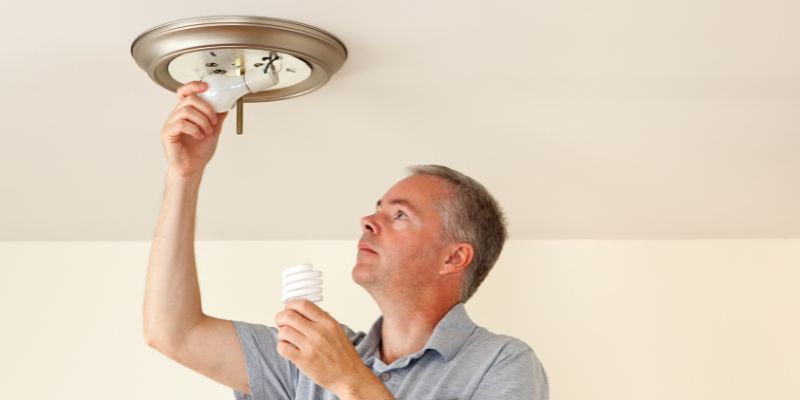
Step-by-Step Guide: How to Remove a Recessed Light Bulb
Here’s my go-to method for removing a recessed light bulb. Follow these steps, and you’ll be done in minutes!
- Turn Off the Power: Flip the switch off or turn off the breaker. Safety first!
- Let the Bulb Cool: Wait 10 minutes to avoid burns. Hot bulbs hurt!
- Climb the Ladder: Set up your ladder on a flat surface. Stay steady.
- Grip the Bulb: Use gloves or a suction cup to hold the bulb gently.
- Twist or Pull: Twist counterclockwise for screw-in bulbs or pull gently for push-in types.
- Remove the Bulb: Take it out carefully and set it aside.
- Check the Socket: Look for dirt or damage before putting in a new bulb.
These steps work for most recessed bulbs, like halogen or LED types. If the bulb is stuck, don’t force it—try my tips below!
Visual Idea 1: Diagram of Bulb Types
A simple drawing showing screw-in vs. push-in recessed bulbs would help readers know what they’re working with. Include labels for parts like the socket and trim.
Common Types of Recessed Light Bulbs
Recessed lights use different bulbs, and knowing them helps you choose the right one. Here are the main types:
- Halogen: Bright and warm but gets hot.
- LED: Energy-saving and long-lasting. My favorite!
- CFL: Curly bulbs, less common now.
Each type fits differently, so check your fixture. I once bought the wrong bulb and had to return it—save yourself the trip! Visit Energy Star for tips on energy-saving bulbs.
Table 2: Recessed Light Bulb Types Comparison
| Bulb Type | Brightness | Lifespan | Cost |
|---|---|---|---|
| Halogen | Very bright | 2,000 hours | $5-$10 |
| LED | Bright, adjustable | 25,000 hours | $8-$15 |
| CFL | Medium bright | 10,000 hours | $6-$12 |
| Caption: Compare bulb types to pick the best one for your home. |
Safety Tips for Removing Recessed Light Bulbs
Safety is key when you remove a recessed light bulb. Here’s what I always do:
- Always turn off power: No shocks or burns.
- Use a stable ladder: Wobbly ladders cause falls.
- Wear gloves: They protect against cuts or heat.
I learned this the hard way when I touched a hot bulb—ouch! Check OSHA’s ladder safety guide for more tips.
Visual Idea 2: Ladder Safety Diagram
A basic sketch of proper ladder placement would show readers how to stay safe while reaching high bulbs.
What If the Bulb Is Stuck?
Sometimes, recessed bulbs get stuck, and it’s frustrating! Here’s how I handle it:
- Use a suction cup tool: It grips better than hands.
- Tape trick: Wrap duct tape around the bulb for extra grip.
- Wiggle gently: Don’t force it, or it might break.
I once had a stuck bulb in my bathroom. The tape trick saved the day! If it’s still stuck, call a pro to avoid damage.
Benefits of Changing Recessed Light Bulbs
Swapping out recessed bulbs has big perks. New bulbs make rooms brighter and cozier. LEDs save money on bills—my electric bill dropped $10 a month after switching! You can also pick warm or cool light to match your style. Plus, it’s a quick DIY project that feels rewarding.
Challenges and How to Avoid Them
Removing recessed bulbs can be tricky. Here are common issues and fixes:
- Hard-to-reach bulbs: Use a pole or suction tool.
- Breaking glass: Wear gloves and move slowly.
- Wrong bulb size: Check the fixture label first.
I once broke a bulb by rushing—cleaning up was no fun! Take your time to avoid messes.
Table 3: Common Mistakes and Fixes
| Mistake | Fix |
|---|---|
| Forgetting to turn off power | Always check the breaker |
| Using a shaky ladder | Secure ladder on flat ground |
| Buying wrong bulb | Match bulb to fixture type |
| Caption: Avoid these mistakes for a smooth bulb change. |
My Personal Tips for Success
After changing dozens of recessed bulbs, here are my best tips:
- Keep spare bulbs handy for quick swaps.
- Clean the fixture while it’s empty—it shines better!
- Try LED bulbs for longer life and savings.
These tricks make the job easier and faster. I always keep a few LEDs in my closet for emergencies.
Visual Idea 3: Bulb Storage Idea
A simple photo of a labeled bulb storage box would inspire readers to stay organized.

Other Ways to Update Your Lighting
If removing a recessed light bulb feels tough, try these options:
- Dimmer switches: Control brightness easily.
- Smart bulbs: Change colors with your phone.
- New fixtures: Upgrade for a fresh look.
I added a dimmer to my living room, and it’s a game-changer! Check Philips Hue for smart bulb ideas.
Conclusion
Changing a recessed light bulb is easier than it seems. With a ladder, gloves, and simple steps, you can brighten your home in minutes. Avoid common mistakes, stay safe, and try LEDs for savings. I love the feeling of a freshly lit room—it’s like a mini makeover! Give it a try, and share your lighting tips with friends. Have fun making your home glow!
Frequently Asked Questions
How Do I Know If My Bulb Is Recessed?
A recessed bulb sits inside the ceiling or wall, flush with the surface. Look for a light that’s tucked away, often with a trim around it. If it’s hard to reach or hidden, it’s likely recessed. Check your fixture’s label for bulb type to be sure.
Can I Remove a Recessed Bulb Without a Ladder?
It’s tough without a ladder since recessed bulbs are high up. A long pole or suction tool might work for some fixtures. I tried a pole once, but a ladder was safer and easier. Always secure your ladder to avoid falls.
What If My Recessed Bulb Breaks?
If a bulb breaks, turn off the power first. Wear gloves, and carefully remove glass with pliers. Wrap pieces in a bag to avoid cuts. I broke a bulb once—slow cleanup kept me safe. Replace it with the right bulb type.
How Often Should I Replace Recessed Bulbs?
It depends on the bulb. LEDs last 15-25 years, halogens about 2 years. Check if the light dims or flickers—that’s a sign to replace it. I swap mine every few years for better brightness and savings.
Are LED Bulbs Better for Recessed Lights?
Yes, LEDs save energy and last longer than halogens or CFLs. They’re cooler, reducing fire risks. I switched to LEDs and saved $50 a year on bills. They’re pricier upfront but worth it for long-term savings.
What Tools Help Remove Stuck Recessed Bulbs?
A suction cup tool or duct tape works great for stuck bulbs. Suction cups grip smoothly, while tape adds traction. I used tape on a stubborn bulb, and it popped right out. Always twist gently to avoid breaking.
Can I Use Any Bulb in a Recessed Light?
No, check your fixture’s label for the right size and type. Common types are PAR, BR, or MR bulbs. I bought the wrong size once and wasted time returning it. Match the bulb to avoid flickering or damage.