I Found Rust on My Brushed Nickel Light Fixture (Here’s the Fix)
Rust on a brushed nickel light fixture almost always means the thin nickel plating is scratched or worn, exposing the brass or steel base underneath—not the nickel itself corroding. Left untreated, rust can spread toward the wiring compartment and become an electrical hazard, not just a cosmetic one. This guide covers the safe vinegar-and-baking-soda removal method, when rust signals a fixture that needs replacing, and how to stop it from coming back.
Quick Answer
Soak a cloth in white vinegar and hold it on the rust for 10 minutes, then scrub gently with a soft toothbrush; use a baking-soda paste on stubborn spots. Never use steel wool or bleach—both strip the nickel finish. If rust has reached the socket or wiring compartment rather than just the outer trim, replace the fixture instead of cleaning it.
What Is a Brushed Nickel Light Fixture?
Brushed nickel is a metal with a soft, silvery finish. It’s popular for light fixtures because it looks sleek and hides small scratches. I have one over my bathroom sink, and it adds a cozy vibe. But in humid places like bathrooms, rust can form if the nickel coating gets damaged. Rust is a red-brown flaky stuff caused by water and air hitting the metal underneath. Don’t panic—it’s fixable!
Brushed nickel is a decorative electroplated finish—a thin layer of real nickel bonded over a base metal such as brass, zinc, or steel. The nickel layer itself resists corrosion, but once it’s scratched, chipped, or worn thin, the exposed base metal underneath can rust right through that gap. That’s why rust on a brushed nickel fixture almost always starts at a scratch, screw hole, or high-wear edge rather than spreading evenly across the whole surface. If you’re shopping for a replacement or a second fixture, see our full guide to brushed nickel light fixtures for bathrooms for style and placement tips.
Why Does Rust Happen?
Rust forms when water and air touch the metal under the nickel. Bathrooms are damp, so fixtures there rust easily. Scratches or worn-out coatings let water sneak in. I noticed rust on my fixture near the sink, where water splashes a lot. Keeping fixtures dry helps, but we’ll fix the rust first!
How to Remove Rust from Brushed Nickel Light Fixture
I tried a few ways to clean rust off my fixture. Here’s an easy step-by-step guide that worked for me. It’s safe and uses stuff you probably have at home.
Tools and Materials You Need
You don’t need fancy tools. Here’s what I used:
- Soft cloth (like a microfiber towel)
- White vinegar (cheap and works great)
- Baking soda (for tougher rust)
- Soft toothbrush (for gentle scrubbing)
- Dry towel (to keep the fixture shiny)
- Gloves (to protect your hands)
- Ladder (if your fixture is high up)
Table 1: Tools and Costs for Rust Removal
| Tool/Material | Purpose | Approx. Cost |
|---|---|---|
| Soft cloth | Wiping dust and rust | $2-5 |
| White vinegar | Dissolving rust | $1-3 |
| Baking soda | Scrubbing tough rust | $1-2 |
| Soft toothbrush | Gentle cleaning | $1-3 |
Caption: Simple, affordable tools for cleaning your light fixture.
Best Gentle Rust Remover Pick
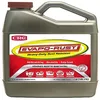
CRC Evapo-Rust Heavy-Duty Rust Remover (32 oz) – $12.98
A water-based, acid-free soak that dissolves rust without the scrubbing this guide’s vinegar method needs—useful for small removable parts like screws or trim rings.
- Best for: removable screws, trim rings, and stubborn spots vinegar alone won’t fully clear
- Why we picked it: non-corrosive and safe on plated finishes, matching the “gentle only” rule this guide follows
- Main drawback: requires full submersion, so it only works on parts you can detach
Compare more rust removal & protection options
 Option 1 Rust-Oleum Clear Corrosion Inhibitor Spray – $9.78
|
 Option 2 Basch Never Dull Metal Polish – $21.98
|
 Option 3 TyranCoupe Cotton Terry Applicator Pads (8-Pack) – $13.99
|
As an Amazon Associate we earn from qualifying purchases.
Step-by-Step Guide to Remove Rust
Follow these steps to clean your fixture safely. I did this in my bathroom, and it took about 30 minutes.
- Turn Off the Power: Flip the light switch off. Go to your circuit breaker and turn off the power to the fixture. Safety first!
- Remove the Light Cover: If your fixture has a glass cover, take it off gently. This lets you reach rusty spots easily.
- Wipe with a Dry Cloth: Use a soft cloth to remove dust or dirt. I found this helps the vinegar work better.
- Apply Vinegar: Soak a cloth in white vinegar. Press it on the rusty spots for 10 minutes. Vinegar eats away light rust.
- Scrub Gently: Use a soft toothbrush to scrub the rust. Don’t push too hard—it can scratch the nickel!
- Try Baking Soda for Tough Rust: Mix baking soda with a little water to make a paste. Spread it on stubborn rust, wait 5 minutes, and scrub lightly.
- Rinse and Dry: Wipe the fixture with a damp cloth to remove vinegar or paste. Dry it completely with a towel to stop new rust.
- Reassemble: Put the light cover back on. Turn the power back on and admire your shiny fixture!
Common Mistakes to Avoid
I made a few errors when I started. Here’s what to watch out for:
- Don’t use steel wool: It scratches the nickel finish.
- Don’t leave vinegar too long: It can harm the coating if left for hours.
- Don’t skip drying: Wet fixtures rust again fast.
Is a Rusted Light Fixture a Safety Hazard?
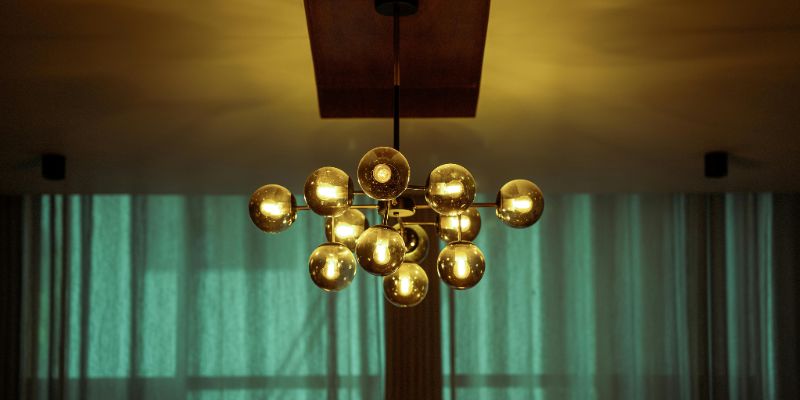
Surface rust on the outer trim of a brushed nickel fixture is usually cosmetic. Rust that reaches the wiring compartment, socket, or mounting screws is a different problem—corrosion at an electrical connection increases resistance, which generates heat and raises fire risk.
📊 Electrical distribution and lighting equipment are involved in an estimated 48% of U.S. home electrical fires — Source: NFPA, Home Fires Caused by Electrical Distribution and Lighting Equipment
Turn off power at the breaker and take a closer look if you notice rust flakes inside the canopy where the wires connect, a scorched or discolored socket, or a fixture that feels loose on its mounting screws. Clean the cosmetic surface rust with the steps above; if the rust is inside the electrical housing itself, call an electrician or replace the fixture rather than trying to clean it.
Other Ways to Remove Rust
You can try other methods if vinegar doesn’t work. I tested a few:
- Lemon Juice and Salt: Mix 2 tablespoons of salt with lemon juice. Apply it like the vinegar method. It smells nice!
- Commercial Rust Remover: Products like CLR work but cost more. Always test on a small spot first.
- Aluminum Foil: Crumple foil and rub rust gently. It worked okay for me but was slower.
Table 2: Comparing Rust Removal Methods
| Method | Pros | Cons | Cost |
|---|---|---|---|
| Vinegar | Cheap, easy, safe | Slow for tough rust | $1-3 |
| Baking Soda | Gentle, effective | Messy paste | $1-2 |
| Commercial Remover | Fast, strong | May damage finish | $5-10 |
Caption: Choose the best method for your fixture’s rust.
The same gentle approach works on other brushed nickel surfaces around the house—see our guide on cleaning brushed nickel faucets if rust or hard water spots show up there too.
Benefits and Drawbacks of Rust Removal
Cleaning rust makes your fixture look new and saves money. Replacing my bathroom fixture would’ve cost $50-100, but cleaning cost me $5! It also helps the environment by reusing what you have. The downside? It takes time, and tough rust might need multiple tries. If the nickel coating is very damaged, rust could return.
My Personal Tips for Success
Here are tricks I learned:
- Clean regularly: Wipe your fixture every two weeks to stop rust early.
- Use wax: After cleaning, apply car wax to protect the finish. I used Turtle Wax, and it worked great.
- Check for leaks: Water splashes cause rust. Fix any nearby leaks to keep fixtures dry.
For fixtures that haven’t rusted yet, our guide on how to clean brushed nickel bathroom fixtures covers the routine maintenance that helps prevent this problem in the first place.
“I tried bleach on a stubborn spot once, thinking it would work faster than vinegar. It left visible streaks on the nickel finish within minutes. Vinegar and a soft toothbrush took longer, but didn’t damage the coating at all.”
Preventing Rust in the Future
Rust loves water, so keep your fixture dry. I wipe mine after every shower. A bathroom exhaust fan helps reduce humidity. You can also add a rust-resistant primer, but I found wax easier. See Bob Vila’s guide to preventing rust on metal for more ideas.
Table 3: Rust Prevention Tips
| Tip | How It Helps | Effort Level |
|---|---|---|
| Wipe dry | Stops water from sitting | Low |
| Use wax | Protects the finish | Medium |
| Fix leaks | Reduces water exposure | High |
Caption: Easy ways to keep rust away from your fixture.
Frequently Asked Questions
How Do I Know If My Fixture Is Brushed Nickel?
Brushed nickel looks silvery with a soft, scratched texture. Check the product label or manual. If it’s shiny like a mirror, it’s probably chrome, not nickel. Rust means the coating is damaged, so clean it gently to avoid more harm.
Can I Use Bleach to Remove Rust?
No, bleach can damage brushed nickel. It’s too harsh and might ruin the finish. Stick to gentle cleaners like vinegar or baking soda. I tried bleach once, and it left streaks on my fixture!
How Long Does Rust Removal Take?
For light rust, it takes about 30 minutes. Tough rust might need an hour with multiple tries. I spent 45 minutes on my fixture because some spots were stubborn. Be patient and check your progress.
Will Rust Come Back After Cleaning?
Rust can return if the fixture stays wet. Dry it after cleaning and use wax to protect it. I also fixed a leaky faucet near my fixture to keep water away for good.
Can I Paint Over Rust?
Painting can hide rust but won’t remove it. Clean the rust first, then use a rust-resistant primer and metal paint. I didn’t paint mine, but This Old House has a solid walkthrough on repainting rusted metal.
What If the Rust Won’t Come Off?
If rust is stubborn, try a commercial rust remover or fine sandpaper (gently!). If it’s still there, the nickel coating might be too damaged. I’d replace the fixture if cleaning fails after two tries.
How Do I Keep My Fixture Shiny?
Polish with a soft cloth and car wax every few months. Wipe it dry after use to stop water spots. I polish mine twice a year, and it stays shiny like new!
Conclusion
Removing rust from a brushed nickel light fixture is easy with simple tools like vinegar and a soft cloth. I saved my bathroom fixture and made it shine again! Just follow the steps above, avoid bleach and steel wool, and check whether the rust is only cosmetic or has reached the wiring before deciding to clean versus replace. Try it this weekend, and your fixture will look brighter by tonight.
Sponsored / affiliate links. As an Amazon Associate I earn from qualifying purchases. I may earn additional commission from eligible campaigns.