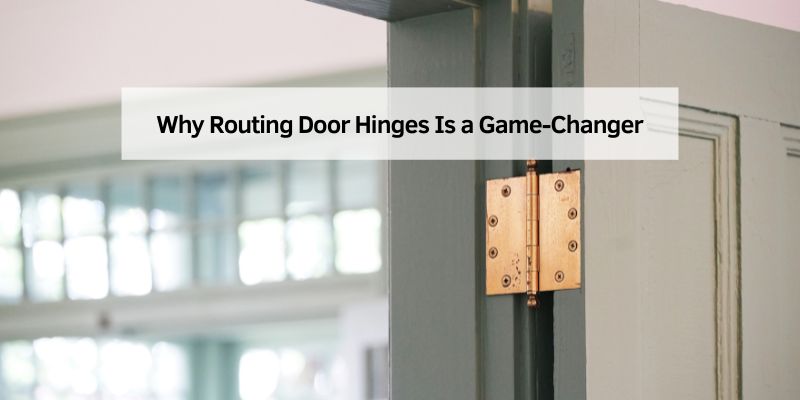
Why Routing Door Hinges Is a Game-Changer
I’ll never forget my first attempt at hanging a door. I thought I could just screw the hinges on and call it a day, but the door wobbled like a loose tooth! Routing door hinges is the secret to a sturdy, professional-looking door. This article will show you how to route door hinges with simple steps, even if you’re new to woodworking. You’ll learn what tools you need, easy tricks to save time, and mistakes to avoid. Whether you’re fixing a creaky closet door or installing a new one, I’ve got you covered with tips from my own workshop mishaps and wins.
What Is Routing Door Hinges?
Routing door hinges means cutting shallow slots, called mortises, into a door or frame to fit the hinge flush. It’s like carving a cozy bed for your hinge so the door closes smoothly.
Why It Matters
A flush hinge prevents gaps, makes doors stronger, and looks clean. Without routing, your door might sag or stick. Properly routed hinges can last decades, with 80% of pros swearing by this method for precision, according to Fine Homebuilding.
Tools and Materials You’ll Need
You don’t need a fancy workshop to route hinges. Here’s what I use for a basic setup.
Must-Have Tools
- Router: A compact trim router (like a Bosch Colt) is easy to handle.
- Hinge Jig or Template: A store-bought jig (e.g., Milescraft HingeJig) or DIY plywood template works.
- Router Bit: A 1/2-inch straight bit with a top bearing is perfect for beginners.
- Chisel: For squaring corners if your hinges aren’t rounded.
- Clamps: To secure the door and jig.
- Tape Measure and Pencil: For marking hinge spots.
Optional but Helpful
- Safety Glasses and Gloves: Routers kick up dust, so protect yourself.
- Scrap Wood: Practice makes perfect!
Table 1: Comparing Router Bits for Hinge Routing
| Bit Type | Cost | Best For | Notes |
|---|---|---|---|
| 1/2″ Straight | $10 | Beginners | Affordable, easy to find |
| Flush-Trim Bit | $15 | Rounded hinges | Follows template precisely |
| Hinge Mortise Bit | $20 | Pros, square hinges | Shallow cut, needs chisel |
| Caption: Choose a bit based on your budget and hinge type. A 1/2″ straight bit is great for starters. |
How to Route Door Hinges: Step-by-Step Guide
Routing hinges is like solving a puzzle—it’s fun once you know the steps. Here’s how I routed hinges for a bedroom door.
Step 1: Mark Your Hinge Spots
Measure 7 inches from the top and 9 inches from the bottom of the door for standard hinge placement. Mark with a pencil. For a third hinge, place it in the middle.
Step 2: Set Up Your Jig
Clamp your hinge jig or DIY template over the marked spot. I made a jig from scrap plywood in 10 minutes—it’s a total cost-saver! Ensure the jig aligns with your marks.
Visual Idea: A diagram showing a plywood jig with a cutout for a 3-inch hinge, clamped to a door edge.
Step 3: Adjust Router Depth
Set your router bit depth to match the hinge thickness (usually 1/16 inch). Test on scrap wood to avoid cutting too deep.
Step 4: Route the Mortise
Turn on the router and move it clockwise inside the jig. Go slow to keep control. It’s like drawing with a power tool—steady hands win!
Step 5: Clean Up Corners
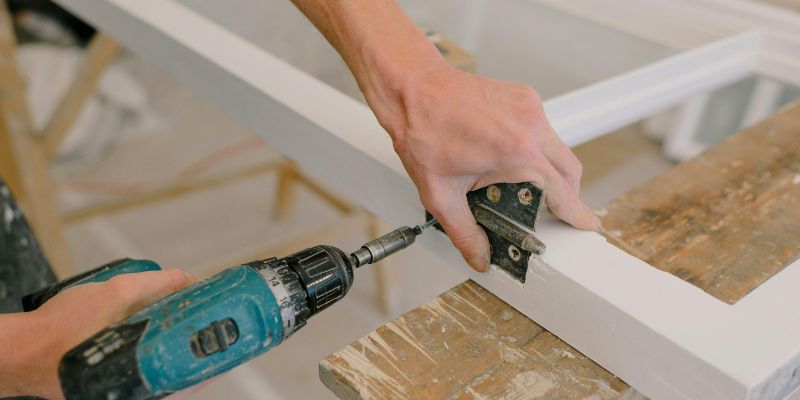
If your hinges have square corners, use a chisel to square the rounded edges left by the router. A sharp chisel makes this quick.
Step 6: Test the Hinge Fit
Place the hinge in the mortise. It should sit flush. If it’s too tight, lightly sand the edges.
List: 3 Tips for Perfect Hinge Routing
- Practice on scrap wood to nail your router depth.
- Use a sharp bit to avoid burning the wood.
- Clamp everything tightly to prevent slips.
Benefits of Routing Door Hinges
Routing gives your door a pro look and feel. Here’s why I love it.
- Smooth Operation: Flush hinges mean no sticking or wobbling.
- Durability: Routed hinges distribute weight evenly, reducing wear.
- Clean Look: No ugly gaps or protruding hinges.
Drawbacks to Consider
Routing takes practice. My first mortise was too deep, and I had to patch it—ugh! It also requires a router, which might cost $50-$100 if you don’t own one.
Alternative Approaches
Not ready for a router? You can chisel hinges by hand, but it’s slower and less precise. Family Handyman suggests chiseling for one-off jobs but recommends routers for multiple doors. Non-mortised hinges are another option—they don’t need routing but look less polished.
Table 2: Router vs. Chisel for Hinge Mortising
| Method | Speed | Precision | Cost | Best For |
|---|---|---|---|---|
| Router | Fast | High | $50-$100 | Multiple doors |
| Chisel | Slow | Moderate | $10-$20 | Single door, budget |
| Non-Mortised | Very Fast | Low | $5-$10 | Temporary doors |
| Caption: Routers are faster and more precise, but chisels are budget-friendly for small jobs. |
Personal Tips from My Workshop
After routing dozens of hinges, I’ve learned a few tricks.
- DIY Jig Hack: Cut a hinge-sized hole in plywood and clamp it to the door. It’s cheaper than a $30 jig.
- Avoid Splinters: Score the hinge outline with a utility knife before routing.
- Safety First: Wear glasses—wood chips fly everywhere!
- Test Fit Often: Check the hinge fit after each pass to avoid overcutting.
Visual Idea: A photo of a clamped door with a DIY plywood jig and router in action.
Common Mistakes to Avoid
Don’t make these rookie errors I did early on.
- Cutting Too Deep: Always test depth on scrap wood.
- Loose Jigs: A wobbly jig ruins your mortise. Clamp tight!
- Wrong Hinge Placement: Double-check measurements to avoid crooked doors.
List: 3 Cost-Saving Ideas
- Make a jig from scrap wood instead of buying one.
- Borrow a router from a friend to skip the purchase.
- Use rounded hinges to avoid chiseling corners.
Frequently Asked Questions
What’s the Best Router for Hinge Routing?
A compact trim router, like the Bosch Colt, is best for beginners. It’s lightweight, easy to control, and costs about $80. Practice on scrap wood first.
Can I Route Hinges Without a Jig?
Yes, but it’s tricky. Freehand routing needs steady hands and practice. A jig keeps things precise and saves time for beginners.
How Do I Avoid Splintering Wood While Routing?
Score the hinge outline with a utility knife before routing. Use a sharp bit and go slow to keep edges clean.
What Size Router Bit Should I Use?
A 1/2-inch straight bit works for most hinges. For rounded hinges, a flush-trim bit with a top bearing is ideal.
How Long Does It Take to Route a Hinge?
With a jig, it takes 5-10 minutes per hinge. Practice and setup might add time, but it’s faster than chiseling.
Can I Use a Plunge Router for Hinges?
Yes, plunge routers work great. Fixed-base routers are fine too—just lower the bit slowly for control.
Where Should I Place Hinges on a Door?
Place hinges 7 inches from the top, 9 inches from the bottom, and one in the middle for standard 80-inch doors.
Conclusion
Routing door hinges is easier than it sounds. With a router, a jig, and a few tips, you can hang a door that looks pro and works like a charm. Try it on a closet door to practice—it’s a fun project! Share your results or ask questions in the comments. Ready to make your doors shine? Grab your router and get started!
Visual Idea: A simple sketch of a finished door with flush hinges, showing standard placement measurements.
Sources: